

A short visit to London creates a familiar problem: there is far more to see than most travellers can fit into a day. Trying to solve that by racing from landmark to landmark often produces the opposite of a good experience. Visitors spend time navigating, queuing and checking maps but remember little about how the places connect. A better approach is to choose a route that combines efficient transport with enough explanation to give each stop context.
Build the Day Around Areas, Not Isolated Attractions
London becomes easier to understand when nearby sights are grouped together. Westminster combines Parliament, Whitehall, royal sites and memorials, while the City of London offers Roman origins, medieval street patterns and financial history. Planning by area reduces unnecessary travel and helps visitors see how buildings and events relate to one another across different periods.
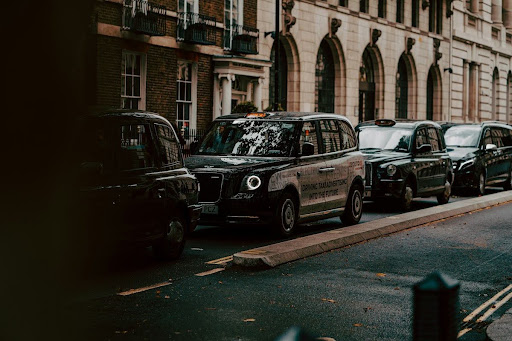
London sightseeing by black cab can be especially effective for linking these districts because the vehicle moves directly between areas while the guide continues the narrative. Instead of treating travel time as a gap in the day, the route itself becomes part of the experience. Visitors can cover more ground without making the tour feel like a race.
Mix Famous Landmarks With Smaller Details
Major landmarks matter, particularly for first-time visitors, but the city’s character often appears in smaller details. Old alleyways, plaques, churches, markets and surviving fragments of earlier London can explain a period more vividly than a famous façade seen from a distance. A strong itinerary uses well-known sights as anchors while adding lesser-known locations that deepen the story.
These smaller stops also make the day feel less generic. Two travellers can both see Westminster and St Paul’s yet have very different experiences depending on the streets, stories and viewpoints included between them. Private touring makes those differences easier to build into the route.
Use a Guide to Reduce Research Overload
Independent travel gives visitors freedom, but London’s history is so dense that researching every neighbourhood can become a project in itself. A knowledgeable guide filters that information and selects the facts that are most relevant to the place being visited. The visitor can still ask questions and explore personal interests without preparing an academic reading list beforehand.
The strongest guides also explain uncertainty. London history includes legends, disputed stories and changing interpretations. Distinguishing documented history from colourful tradition makes the tour more credible and often more interesting because visitors can understand where evidence ends and storytelling begins.
Allow Time to Step Out of the Cab
A vehicle makes travel efficient, but sightseeing should not become a continuous drive-by experience. The strongest routes include opportunities to step out, look closely, take photographs and understand the scale of a place. Short walking stops can reveal details that are impossible to appreciate through a window.
The advantage of the cab is that those stops can be selective. Visitors do not need to walk every mile between sites, so they can save energy for locations where being on foot genuinely adds value and use the vehicle for the less interesting transitions.
Adapt the Pace to the Group
A couple interested in architecture may want longer at particular buildings, while a family may prefer shorter stops and more variety. Older visitors or anyone with mobility concerns may need a route with easier access. Private transport makes it possible to adjust the pace without changing the experience for a larger group of strangers.
This flexibility also helps when the weather changes. London can shift quickly from sun to rain, so having a vehicle nearby allows the guide to adjust walking portions without abandoning the theme of the tour or leaving the group stranded far from shelter.
Use Traffic Time Intelligently
No London route can eliminate traffic entirely. What matters is whether the time still feels useful. A skilled guide can use slower sections to explain the next area, answer questions or tell a story connected to the route. That keeps the tour moving conceptually even when the cab is moving slowly physically.
Licensed taxi drivers also have detailed knowledge of the road network and can adapt to closures or congestion. That flexibility can protect the overall itinerary, particularly when visitors have limited time before another booking or need to finish near a specific station or hotel.
Choose a Theme When You Have Seen the Basics
Repeat visitors may not need another general highlights tour. A themed route can focus on wartime London, royal history, Victorian crime, music, political history or specific neighbourhoods. A narrower subject often allows the guide to go deeper and makes familiar streets feel new again.
London History Taxi Tours offers a range of historical themes and describes its guides as black cab drivers with additional tour-guide training and a strong interest in history. That combination is useful because the guide can connect specialist content with practical knowledge of how to move around the city efficiently.
Balance Depth With the Time Available
Trying to include too many stops can weaken a tour because every explanation becomes rushed. It is usually better to select a manageable number of areas and allow enough time for questions, photographs and short walks. A private format makes that easier because the guide can adjust the balance during the tour rather than following a rigid timetable.
Visitors can also improve the experience by sharing their priorities before the tour. Mentioning places already visited, preferred subjects, mobility needs and a fixed end point helps the guide shape a route that avoids repetition and uses the available hours more intelligently.
Fit the Tour Around the Rest of the Trip
A historical taxi tour of London works best when it complements rather than duplicates the rest of the itinerary. The second-last step in planning is to compare the route with museum tickets, theatre plans and places the visitor intends to explore independently. A good private guide can then spend more time on areas the traveller would otherwise miss and less time repeating locations already covered in detail.
Seeing more of London does not require moving faster. It requires using time better. A black cab tour can reduce navigation, connect distant neighbourhoods and provide historical context while still leaving room to step out and explore. When the route is paced well, visitors finish with a stronger sense of how the city fits together rather than simply a longer list of places they briefly passed.