
Introduction
Home service companies often focus on the appointment itself: arriving on time, fixing the problem, completing the installation, cleaning the area, and answering customer questions. These details are essential, but the impression does not end when the technician leaves. The follow-up experience can shape whether a customer books again, leaves a review, or recommends the company to a neighbor.
A better post-visit impression comes from small, thoughtful actions. Customers want to feel that the service was professional, organized, and respectful of their home. When a company leaves behind clear information or a practical reminder, it can make the experience feel more complete.
Finish the Visit With Clear Communication
Before leaving, technicians should explain what was done in simple language. Customers may not understand technical details, so the explanation should focus on what changed, what to watch for, and what steps may be needed next.
A printed or digital service summary is helpful. It can include the technician’s name, work completed, product used, maintenance notes, warranty details, and contact information. This prevents confusion later and shows professionalism.
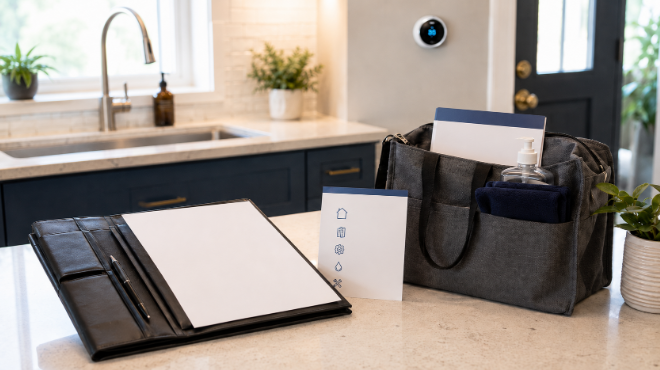
Some companies use Custom Tote Bags or small branded folders for customer materials, especially when the service includes manuals, samples, maintenance tools, or product literature.
Leave Behind Something Useful
The best leave-behind items are not random promotional gifts. They should relate to the service and help the customer maintain the result. For example, an HVAC company might provide filter replacement reminders. A cleaning service might leave care instructions. A landscaping business might provide watering tips. A home organizer might leave storage labels.
This makes the business feel more helpful after the appointment ends.
Many companies ask, Are Customized Tote Bags Worth It for Business Marketing, and for home service brands, the answer depends on how the item is used. If it holds service documents, product samples, or maintenance items, it becomes more than a giveaway. It becomes part of the customer support experience.
Respect the Customer’s Space
A strong final impression depends heavily on cleanliness. Customers notice whether technicians leave the area tidy, remove packaging, wipe surfaces, and return furniture or objects to their original position. Even if the technical work is excellent, a messy exit can damage trust.
Home service teams should have a simple end-of-visit checklist. This may include cleaning the work area, confirming equipment settings, checking that doors or gates are closed, and asking if the customer has final questions.
Professionalism is often shown through these small habits.
Make Follow-Up Easy
Customers should know what to do if they have a question after the visit. A follow-up email, card, or text message can provide a direct contact path. This reduces frustration and prevents customers from searching through old invoices or websites.
Follow-up communication can also invite reviews politely. The request should be simple and not pushy. A customer who feels supported is more likely to leave positive feedback.
Use Branding Subtly
Home service branding should feel trustworthy, not loud. Overly promotional materials can feel out of place inside someone’s home. Clean design, simple colors, and helpful information usually work better than aggressive sales language.
The goal is to remind the customer who helped them, not overwhelm them with advertising.
Conclusion
Home service companies can leave a better impression after a visit by communicating clearly, leaving useful information, respecting the customer’s space, and making follow-up easy. The final moments of service matter because they shape how customers remember the entire appointment.
A thoughtful post-visit experience can turn a completed job into a stronger customer relationship.