

Why Greece Is Worth Visiting
Greece is one of Europe’s most fascinating destinations, offering ancient landmarks, beautiful islands, and unforgettable Mediterranean scenery. Travelers can explore historic cities, relax on sandy beaches, and discover traditional villages filled with character. The variety of things to do in Greece makes it appealing to visitors with different interests. Whether you enjoy history, nature, or food, Greece offers memorable experiences.
The country combines thousands of years of history with lively modern culture. Famous attractions such as the Acropolis, Delphi, and Meteora showcase different chapters of Greek heritage. Meanwhile, islands such as Santorini, Crete, and Rhodes provide beautiful coastal landscapes. Visitors can experience historical landmarks and relaxing seaside activities within the same vacation.
Planning a trip to Greece becomes easier when you understand its different regions. Mainland destinations offer archaeological sites and mountain scenery, while the islands feature beaches and traditional settlements. Travel times between locations can be significant, especially when ferries are involved. Choosing a few complementary destinations helps create a comfortable and enjoyable itinerary.
Explore the Acropolis in Athens
The Acropolis is one of the most famous historical attractions in Greece. Located above central Athens, this ancient complex contains several important monuments associated with classical Greek civilization. The Parthenon is its best-known structure and remains a remarkable example of ancient architecture. Exploring the Acropolis allows visitors to appreciate the artistic and historical achievements of ancient Athens.
Visitors can also see the Erechtheion and the Temple of Athena Nike while exploring the archaeological site. The elevated location provides impressive views across modern Athens. Walking paths connect the monuments, although some surfaces are uneven and exposed to sunlight. Comfortable footwear and drinking water are especially important during warmer months.
The nearby Acropolis Museum offers additional insight into the history and significance of the ancient site. Its exhibitions display sculptures and archaeological discoveries associated with the Acropolis. Visiting the museum after exploring the monuments can provide useful context. Booking timed admission in advance and checking current opening hours may simplify your sightseeing plans.
Discover the Beautiful Island of Santorini
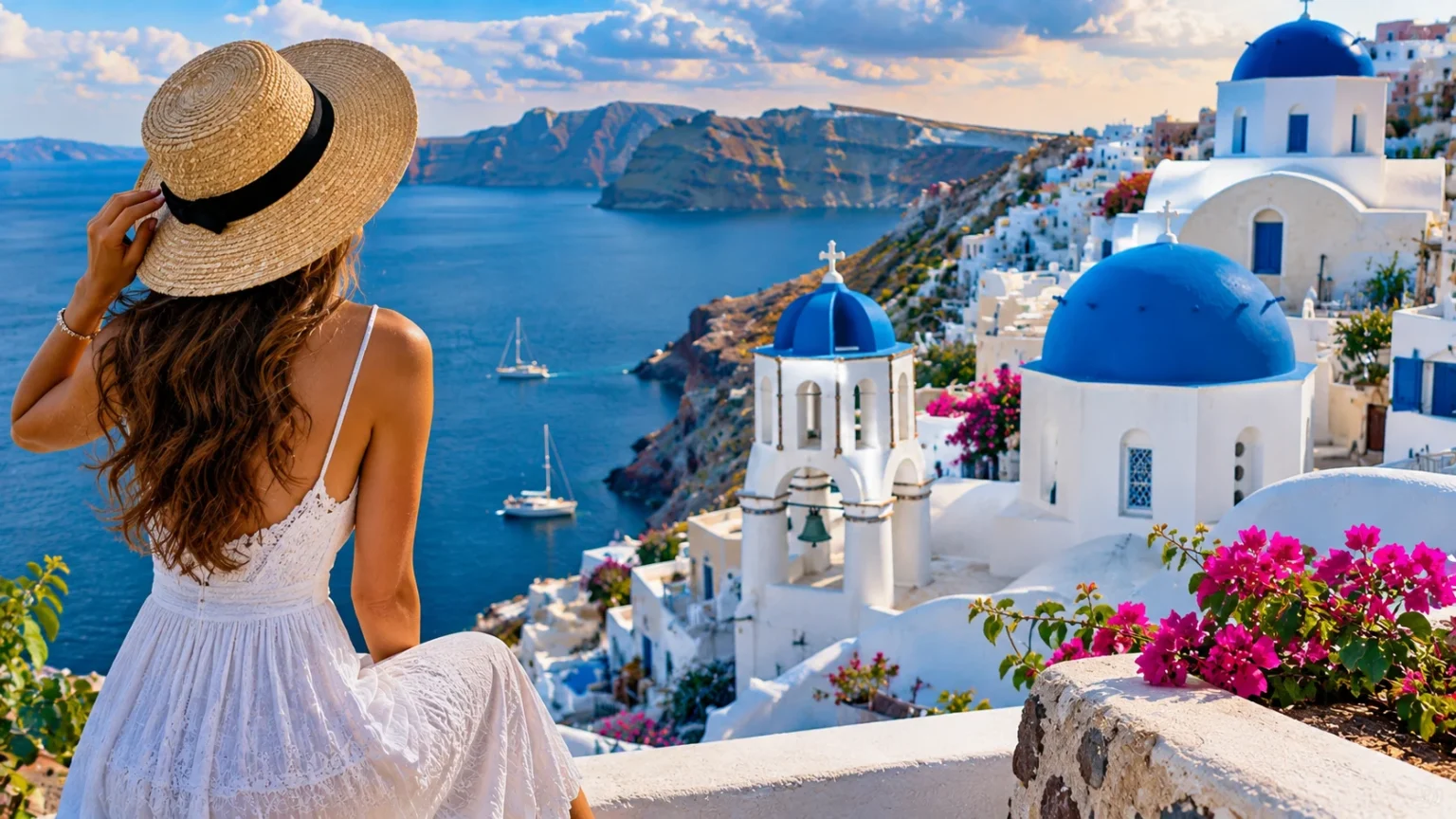
Santorini is famous for its whitewashed buildings, blue-domed churches, and dramatic volcanic landscape. The island overlooks a magnificent caldera surrounded by steep cliffs and the Aegean Sea. Visitors often explore villages such as Oia and Fira for their beautiful views. These locations provide excellent opportunities for photography, sightseeing, and discovering traditional Cycladic architecture.
Watching the sunset is one of the most popular things to do in Santorini. Oia attracts many visitors during the evening because of its scenic coastal setting. However, quieter viewpoints can also be found around other parts of the island. Arriving early and respecting private properties helps make the experience more comfortable.
Santorini also offers volcanic beaches, archaeological attractions, and scenic walking routes. Red Beach and Perissa provide different coastal landscapes, while Ancient Akrotiri reveals an important prehistoric settlement. Travelers can enjoy local food and explore smaller villages beyond the busiest viewpoints. Spending several days on the island allows time to discover its varied attractions.
Visit the Famous Monasteries of Meteora
Meteora is one of Greece’s most extraordinary natural and cultural attractions. Massive rock formations rise above the surrounding landscape, with historic monasteries standing on several of their summits. The remarkable setting makes Meteora a popular destination for photography and cultural exploration. Its monasteries also represent an important part of Greece’s Orthodox Christian heritage.
Visitors can explore selected monasteries and admire their architecture, religious artwork, and surrounding views. Access often involves climbing stairs, so suitable footwear and comfortable clothing are important. Modest dress requirements apply when entering monasteries. Opening days can differ between sites, making advance planning useful for travelers hoping to visit several locations.
The nearby towns of Kalambaka and Kastraki provide convenient bases for exploring Meteora. Scenic roads and designated viewpoints offer opportunities to appreciate the rock formations from different angles. Guided tours can help visitors understand the area’s history and cultural significance. Allowing at least one full day creates a more relaxed experience.
Explore the Ancient Ruins of Delphi
Delphi is an important archaeological destination located on the slopes of Mount Parnassus. In ancient Greece, it was associated with the sanctuary of Apollo and the famous Oracle of Delphi. Visitors can explore the remains of temples, monuments, and other historic structures. The mountainous setting adds remarkable scenery to the archaeological experience.
The Temple of Apollo is one of the central attractions within the site. Visitors can also see the ancient theater and other remains connected with religious ceremonies and athletic events. Walking through Delphi provides an opportunity to understand its historical importance. Some paths involve slopes and uneven surfaces, so comfortable footwear is recommended.
The Delphi Archaeological Museum displays objects discovered during excavations, including sculptures and religious offerings. Combining the museum with the archaeological site provides a fuller understanding of the destination. Delphi can be reached from Athens by road, although travel requires several hours. An overnight stay may be worthwhile for visitors who prefer a slower itinerary.
Relax on the Beautiful Beaches of Crete
Crete is Greece’s largest island and offers a wonderful combination of beaches, mountains, historic towns, and traditional villages. Its extensive coastline includes sandy bays, rocky coves, and clear Mediterranean waters. Visitors can explore different coastal regions depending on their preferred activities. The island is especially attractive for travelers who want variety during one vacation.
Elafonissi Beach is known for its pale sand and shallow turquoise waters. Balos Lagoon offers another striking coastal landscape, while Falasarna is popular for its wide beach and sunset views. Conditions and accessibility vary between locations. Travelers should check transportation arrangements and local guidance before visiting remote coastal areas.
Crete also offers cultural attractions beyond its beaches. Chania’s old harbor features attractive architecture, waterfront restaurants, and narrow streets. Heraklion provides access to museums and the archaeological site of Knossos. Combining coastal relaxation with historical sightseeing helps visitors experience the island’s diverse character without spending the entire trip in one location.
Discover the Medieval Old Town of Rhodes
Rhodes is a beautiful Greek island known for its medieval architecture, beaches, and historical attractions. Its fortified Old Town is a UNESCO World Heritage Site and one of the best-preserved medieval urban areas in Europe. Walking through its narrow streets reveals stone buildings, historic gateways, and traditional shops. The atmosphere makes Rhodes especially appealing to history enthusiasts.
The Palace of the Grand Master is among the island’s most recognizable attractions. Visitors can explore parts of this historic building and discover exhibits connected with the island’s past. The Street of the Knights is another important landmark within the medieval district. These attractions are conveniently located for travelers exploring the Old Town on foot.
Outside the historic center, Rhodes offers coastal villages and attractive beaches. Lindos is particularly famous for its whitewashed houses and ancient acropolis overlooking the sea. Visitors can combine sightseeing with time at nearby beaches and restaurants. Spending a few days on Rhodes provides opportunities to explore both its historical landmarks and coastal surroundings.
Experience the Charm of Mykonos
Mykonos is one of the most recognizable Greek islands, known for its whitewashed streets, traditional windmills, and lively holiday atmosphere. Mykonos Town features narrow pedestrian lanes filled with shops, cafés, and attractive buildings. The island combines scenic coastal views with contemporary tourism experiences. Visitors can enjoy relaxed sightseeing alongside its more energetic entertainment areas.
Little Venice is a popular waterfront neighborhood where buildings stand close to the sea. The nearby windmills provide another famous photography location. Exploring the streets during the morning can offer a quieter experience before the busiest periods. Visitors should allow time to discover smaller lanes and traditional architectural details away from the central shopping streets.
The island also offers beaches suitable for different preferences. Some attract visitors seeking organized facilities, while others provide quieter surroundings. Travelers can choose accommodation according to their budget and desired atmosphere. Because Mykonos can become expensive during peak season, booking early and comparing options can help manage travel costs.
Discover Corfu’s Historic Town and Coastal Beauty
Corfu is a green island in the Ionian Sea known for its distinctive architecture and beautiful coastline. Corfu Old Town features narrow streets, historic fortifications, and buildings influenced by different periods of European history. Its architectural character differs noticeably from the whitewashed villages of the Cyclades. This makes Corfu an interesting destination for travelers seeking variety.
Visitors can explore the Old Fortress, wander through traditional neighborhoods, and spend time around the Liston promenade. Small squares and local shops add to the town’s welcoming atmosphere. The historic center is suitable for relaxed sightseeing and photography. Taking breaks at local cafés provides opportunities to enjoy the surroundings at a comfortable pace.
Beyond the town, Corfu offers beaches, scenic villages, and green hills. Paleokastritsa is especially popular for its attractive bays and clear water. Travelers can explore coastal viewpoints or enjoy boat excursions when conditions are suitable. Combining cultural sightseeing with seaside relaxation makes Corfu a rewarding destination for a longer Greek island vacation.
Visit Ancient Olympia and Learn About Greek History
Ancient Olympia is one of Greece’s most significant archaeological destinations. It is widely recognized as the birthplace of the ancient Olympic Games. The historic sanctuary contains remains of temples, athletic facilities, and other important structures. Exploring the site helps visitors understand the connection between sports, religion, and culture in ancient Greek society.
The ancient stadium is one of the most interesting places to explore. Visitors can also see remains associated with the Temple of Zeus and other sanctuary buildings. Informational displays help explain the original purpose of different structures. The archaeological surroundings provide a meaningful experience for travelers interested in ancient history and athletic traditions.
The Archaeological Museum of Olympia houses discoveries from the sanctuary, including notable sculptures and historical objects. Visiting the museum adds valuable context to the outdoor ruins. Olympia is located in the western Peloponnese and can be included in a regional road trip. Allow enough time to explore both attractions without rushing.
Enjoy Greek Food and Traditional Local Experiences
Trying traditional food is one of the most enjoyable things to do in Greece. Greek cuisine features fresh vegetables, olive oil, herbs, seafood, cheeses, and grilled dishes. Popular meals include souvlaki, moussaka, and traditional Greek salad. Local restaurants provide opportunities to experience regional flavors while enjoying the relaxed atmosphere of Greek dining.
Different regions offer their own culinary specialties. Crete is known for traditional dishes featuring local ingredients, while coastal communities often serve fresh seafood. Bakeries provide savory pastries and sweet treats suitable for casual meals. Exploring neighborhood restaurants can introduce visitors to dishes that may not appear on typical tourist menus.
Food experiences can also reveal important aspects of Greek culture. Visiting local markets, joining a cooking class, or trying regional specialties creates opportunities to learn about traditional ingredients. Travelers should consider dietary needs and communicate food allergies clearly. Enjoying local cuisine adds another memorable dimension to sightseeing throughout the country.
Explore Greece’s Mountains and Natural Landscapes
Greece offers impressive natural scenery beyond its famous islands and beaches. Mountain ranges, forests, gorges, and traditional villages create opportunities for outdoor exploration. Mount Olympus is particularly well known because of its connection to ancient Greek mythology. The surrounding region offers scenic landscapes and walking routes suitable for different experience levels.
The Zagori region in northwestern Greece is another attractive destination for nature lovers. Its stone villages, traditional bridges, and mountain scenery provide a peaceful alternative to crowded coastal resorts. Vikos Gorge is among the area’s best-known natural landmarks. Visitors can enjoy viewpoints and suitable walking routes while respecting local environmental conditions.
Outdoor activities should always match the traveler’s fitness, experience, and weather conditions. Mountain environments can change quickly, particularly at higher elevations. Choosing clearly marked routes and seeking qualified local guidance for demanding excursions helps improve safety. Nature-focused travel can provide a different perspective on Greece’s geography and cultural heritage.
Best Time to Visit Greece for Sightseeing
The best time to visit Greece depends on the activities you want to enjoy. Spring and autumn are often attractive for sightseeing because temperatures are generally milder than midsummer. Popular historic destinations can be more comfortable to explore during these seasons. However, weather conditions vary between the mainland, mountains, and islands.
Summer is especially popular for island holidays, swimming, and coastal activities. June through August generally brings warm weather and strong demand for accommodation in major tourist areas. Popular destinations may become crowded, particularly during July and August. Booking transportation and hotels early can help travelers secure suitable options during busy periods.
Winter offers a different experience, particularly in cities such as Athens and Thessaloniki. Some islands have fewer services and reduced ferry schedules outside the main tourism season. Archaeological sites and museums may also follow seasonal opening hours. Checking local conditions before booking helps ensure that planned activities are available during your visit.
How to Plan a Greece Travel Itinerary
Planning a Greece itinerary begins with deciding whether you prefer historical landmarks, islands, or a combination of both. First-time visitors often start in Athens because it provides access to famous attractions and transportation connections. From there, travelers can explore the mainland or continue toward selected islands. Keeping the itinerary focused reduces unnecessary travel time.
For a seven-day visit, consider spending two or three days in Athens before exploring one island. Santorini, Crete, or Rhodes can provide memorable experiences depending on personal interests. Travelers with more time can add another destination or visit mainland attractions such as Delphi. Avoid scheduling too many locations because transfers may consume valuable sightseeing time.
Transportation options include domestic flights, ferries, buses, and rental vehicles. Ferry journeys vary depending on the route, vessel, and weather conditions. Some archaeological sites are easier to reach through organized transportation or road trips. Building flexibility into your schedule allows time for unexpected delays and spontaneous discoveries during your Greek vacation.
Common Mistakes to Avoid When Visiting Greece
One common mistake is trying to visit too many Greek islands during a short trip. Although island hopping sounds exciting, transportation can require significant time and planning. Ferry schedules and travel conditions may also change. Choosing fewer destinations allows visitors to explore local attractions properly instead of spending most of their vacation moving between ports.
Another mistake involves underestimating summer temperatures when exploring archaeological sites. Attractions such as the Acropolis have exposed walking areas with limited shade. Carrying water, wearing suitable footwear, and planning sightseeing around weather conditions can improve comfort. Visitors should also respect temporary closures or visitor restrictions introduced during extreme conditions.
Travelers should avoid assuming every destination offers the same atmosphere and facilities. Popular islands may have busy tourism centers, while smaller villages operate at a slower pace. Seasonal opening hours can also influence restaurant and accommodation availability. Researching each destination beforehand helps create realistic expectations and a more enjoyable travel experience.
Conclusion
Greece offers an extraordinary collection of ancient landmarks, beautiful islands, traditional villages, and natural attractions. From the Acropolis in Athens to the monasteries of Meteora, travelers can discover remarkable historical and cultural sites. Coastal destinations such as Santorini, Crete, and Rhodes provide equally memorable experiences through their landscapes and local atmosphere.
Choosing the best things to do in Greece depends on your travel interests and available time. History enthusiasts may prefer archaeological destinations, while beach lovers can focus on the islands. Food experiences, mountain scenery, and traditional towns provide additional opportunities for exploration. A balanced itinerary allows visitors to appreciate several aspects of Greek culture.
The most rewarding Greek vacations combine thoughtful planning with enough flexibility to enjoy unexpected discoveries. Research transportation, seasonal conditions, and accommodation before departure. Focus on destinations that genuinely interest you rather than attempting to visit everything. With its rich heritage and beautiful landscapes, Greece offers experiences that can make any well-planned trip memorable.
Frequently Asked Questions
What are the best things to do in Greece for first-time visitors?
First-time visitors can explore the Acropolis in Athens, admire Santorini’s scenery, visit Meteora, and discover traditional Greek food. Crete and Rhodes also offer excellent combinations of historical attractions and beaches.
How many days do you need to explore Greece?
Seven to ten days provide enough time to explore Athens and one or two additional destinations. Travelers interested in multiple islands and mainland attractions may prefer two weeks or longer.
What is the most beautiful place to visit in Greece?
Santorini is famous for its dramatic caldera views and whitewashed villages. However, Meteora, Crete, Corfu, and the Peloponnese offer equally impressive scenery depending on individual travel preferences.
Is Greece expensive for tourists?
Travel costs vary by destination, season, and accommodation type. Santorini and Mykonos can be expensive during summer, while mainland destinations and less-visited islands may offer more affordable alternatives.
What is the best month to visit Greece?
May, June, September, and early October are often excellent months for sightseeing. These periods can offer pleasant temperatures and fewer crowds than peak summer, although conditions vary by destination.