

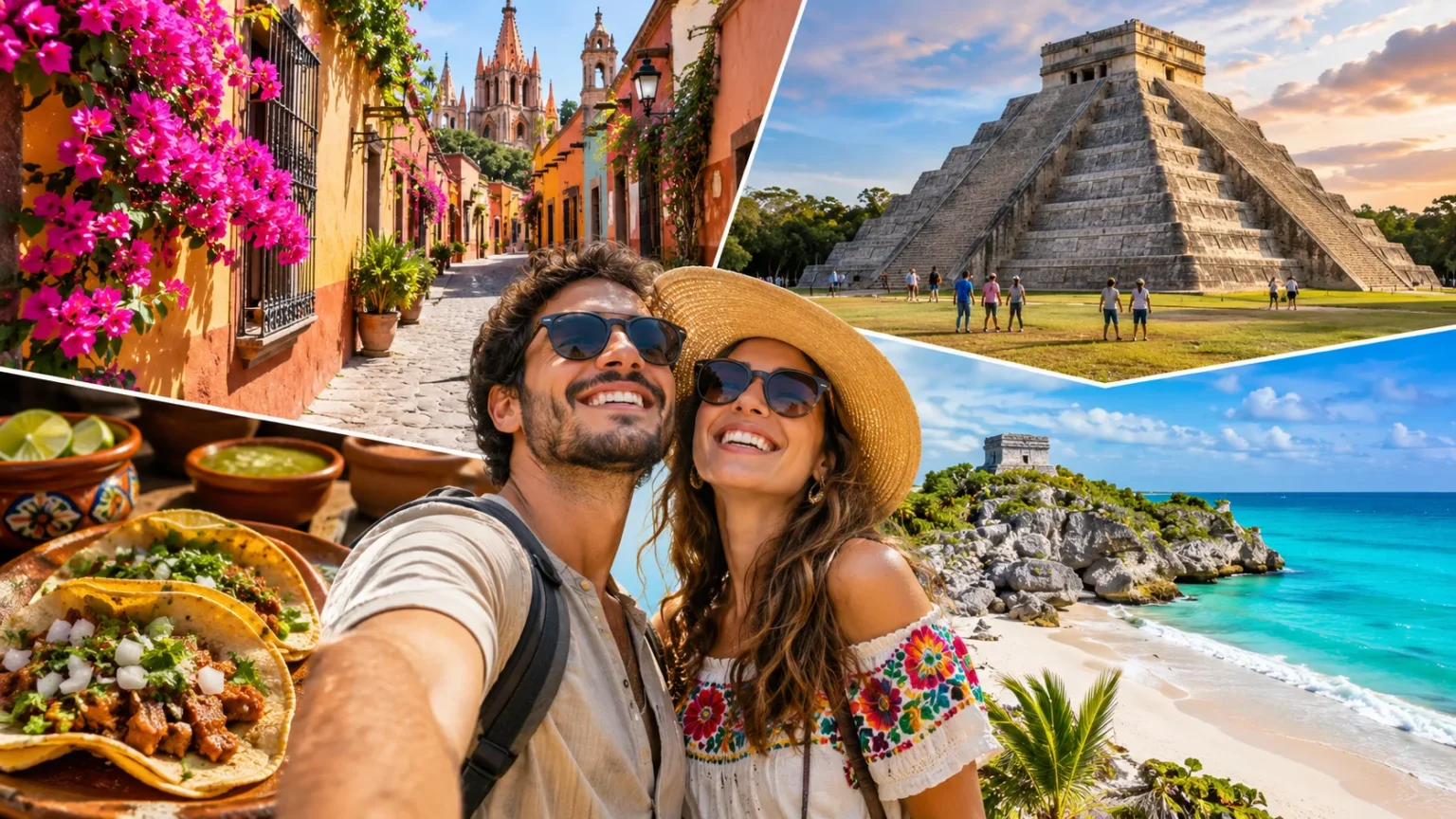
Mexico is one of the most exciting travel destinations in the world, offering beautiful beaches, ancient ruins, colorful cities, and unforgettable cultural experiences. From the historic streets of Mexico City to the turquoise waters of the Caribbean coast, the country offers something for every traveler. Exploring the best things to do in Mexico reveals incredible natural wonders, fascinating traditions, and breathtaking landscapes worth visiting.
Whether you enjoy discovering archaeological sites, tasting authentic Mexican cuisine, exploring colonial towns, or relaxing on tropical beaches, Mexico has countless attractions. Each region offers a unique combination of history, culture, adventure, and natural beauty. This guide explores Mexico’s must-see sights, popular destinations, hidden gems, and practical travel tips to help you plan a memorable vacation.
Explore Mexico City and Its Historic Attractions
Mexico City is one of the most fascinating destinations in North America, offering a remarkable combination of ancient history, modern culture, and beautiful architecture. The capital is home to impressive museums, historic squares, colorful neighborhoods, and traditional markets. Visitors can explore centuries of Mexican heritage while discovering a lively urban environment filled with unique attractions and cultural experiences.
The Zócalo, officially known as Plaza de la Constitución, is one of the city’s most recognizable landmarks. Surrounded by historic buildings, including the Metropolitan Cathedral and National Palace, the square reflects Mexico’s rich history. Nearby, the Templo Mayor archaeological site provides fascinating insights into the ancient Mexica civilization that once flourished in this area.
Chapultepec Park is another essential attraction, offering gardens, museums, and beautiful outdoor spaces. The National Museum of Anthropology is particularly famous for its remarkable collection of Indigenous artifacts and historical exhibits. Travelers can also explore neighborhoods such as Coyoacán, Roma, and Condesa, where local cafés, art galleries, and attractive streets create memorable sightseeing opportunities.
Discover the Ancient Pyramids of Teotihuacán
Teotihuacán is one of Mexico’s most impressive archaeological destinations, located approximately 50 kilometers northeast of Mexico City. This ancient city once supported a large population and played an important role in Mesoamerican history. Today, its enormous pyramids, ceremonial structures, and broad avenues attract travelers interested in archaeology, ancient civilizations, and remarkable architectural achievements.
The Pyramid of the Sun is among the site’s most recognizable landmarks, rising dramatically above the surrounding archaeological landscape. The Pyramid of the Moon stands at the northern end of the Avenue of the Dead, creating another spectacular viewpoint. Visitors can explore designated walking areas while learning about the city’s history and mysterious cultural origins.
Visiting early in the morning is often more comfortable because afternoon temperatures can become warm and exposed areas provide limited shade. Comfortable footwear, drinking water, and sun protection are useful for exploring the extensive archaeological complex. Travelers should follow current access rules, as climbing certain monuments is restricted to protect their historical structures.
Visit Chichén Itzá and Its Famous Maya Ruins
Chichén Itzá is one of Mexico’s most celebrated archaeological attractions and a UNESCO World Heritage Site. Located on the Yucatán Peninsula, this ancient Maya city contains remarkable temples, ceremonial platforms, and historic structures. Its impressive architecture provides valuable insight into the mathematical knowledge, astronomical observations, and cultural traditions of the Maya civilization.
El Castillo, also called the Temple of Kukulcán, is the site’s most recognizable monument. Its carefully designed pyramid structure demonstrates the architectural achievements of the ancient Maya. Other important attractions include the Great Ball Court, the Temple of the Warriors, and El Caracol, a building associated with astronomical observations.
Chichén Itzá is a popular destination for travelers staying in Cancún, Valladolid, and other parts of the Yucatán Peninsula. Arriving early can help visitors avoid intense midday heat and large crowds. Guided tours provide historical context, while designated pathways allow travelers to explore the archaeological site without damaging protected structures.
Swim in the Beautiful Cenotes of the Yucatán Peninsula
Cenotes are among Mexico’s most unusual natural attractions, especially throughout the Yucatán Peninsula. These natural sinkholes form where limestone collapses or erodes, exposing underground water systems. Some cenotes resemble open freshwater pools, while others are located inside beautiful caves surrounded by dramatic rock formations and ancient geological features.
Popular locations include Cenote Ik Kil near Chichén Itzá and several beautiful cenotes surrounding Valladolid and Tulum. Their clear water, natural lighting, and unusual surroundings make them attractive for photography and sightseeing. Some locations offer supervised swimming, allowing visitors to experience these distinctive geological formations under appropriate conditions.
Not every cenote is suitable for swimming because water depth, access arrangements, and safety conditions vary considerably. Visitors should follow local instructions, use required safety equipment, and avoid entering restricted areas. Choosing responsible operators also helps protect fragile groundwater systems and preserve these remarkable natural environments for future generations.
Experience Oaxaca’s Colorful Streets and Traditional Culture
Oaxaca is one of Mexico’s most culturally rich destinations, known for its beautiful colonial architecture, traditional markets, and exceptional regional cuisine. The historic center features colorful buildings, attractive public squares, and impressive churches. Its welcoming atmosphere makes it particularly appealing to travelers interested in Mexican traditions, local crafts, and authentic cultural experiences.
The Santo Domingo de Guzmán church is one of Oaxaca City’s most recognizable architectural landmarks. Nearby markets provide opportunities to discover traditional textiles, pottery, handcrafted products, and regional food specialties. Visitors can also explore Monte Albán, an important archaeological site associated with the ancient Zapotec civilization and located on a hill overlooking the surrounding valleys.
Oaxaca is especially famous for traditional dishes such as mole, tlayudas, and regional corn-based specialties. Food tours and local markets allow travelers to learn about ingredients and cooking methods passed through generations. Cultural festivals, art galleries, and nearby artisan communities provide additional opportunities to appreciate the region’s rich Indigenous heritage.
Wander Through the Charming Streets of Guanajuato
Guanajuato is one of Mexico’s most beautiful historic cities, famous for its colorful hillside buildings, narrow streets, and distinctive underground road tunnels. Its dramatic setting creates excellent opportunities for photography and relaxed sightseeing. Visitors can explore lively public squares, historic architecture, and traditional neighborhoods that reflect the city’s important mining history.
The city’s historic center contains impressive landmarks, including the Basilica of Our Lady of Guanajuato and the elegant Juárez Theater. The famous Callejón del Beso, or Alley of the Kiss, is another recognizable attraction connected with a traditional local legend. Exploring these locations on foot allows visitors to appreciate the city’s charming atmosphere.
El Pípila Monument provides one of the best panoramic views across Guanajuato’s colorful rooftops and surrounding hills. Visitors can reach the viewpoint through available local transportation or suitable walking routes. The city’s cultural atmosphere, distinctive architecture, and beautiful viewpoints make it an appealing destination for travelers exploring central Mexico.
Discover Puebla’s Architecture and Traditional Food
Puebla is a historic Mexican city known for its impressive colonial buildings, decorative tiles, and rich culinary traditions. Located southeast of Mexico City, it offers an attractive combination of architecture, museums, markets, and beautiful public spaces. Its historic center is recognized as a UNESCO World Heritage Site because of its outstanding architectural and cultural importance.
The Puebla Cathedral is one of the city’s most prominent landmarks, overlooking the central square. Nearby streets feature colorful buildings decorated with traditional Talavera tiles, a distinctive element of regional craftsmanship. Visitors can also explore museums, churches, and historic neighborhoods while learning about Puebla’s role in Mexican history.
Food is another important reason to visit Puebla, especially for travelers interested in regional Mexican cuisine. Mole poblano and chiles en nogada are among the city’s best-known traditional dishes. Exploring local restaurants and markets provides an enjoyable way to discover the flavors and culinary traditions that make Puebla a memorable destination.
Relax on the Beaches of Cancún and the Riviera Maya
Cancún is one of Mexico’s most internationally recognized coastal destinations, famous for its white sandy beaches and turquoise Caribbean waters. The surrounding Riviera Maya offers beautiful resorts, tropical landscapes, and numerous cultural attractions. Travelers visit this region to enjoy coastal relaxation, scenic photography, and opportunities to discover the natural beauty of southeastern Mexico.
Playa del Carmen is another popular destination featuring a lively waterfront atmosphere and convenient access to nearby attractions. Tulum is particularly memorable because ancient Maya ruins overlook the Caribbean Sea. These archaeological remains create an extraordinary setting where travelers can appreciate historical landmarks alongside impressive coastal landscapes.
The Riviera Maya also provides access to natural parks, cenotes, and protected marine environments. Visitors should check beach conditions before swimming because currents, waves, and seasonal seaweed accumulation may affect certain locations. Planning activities around local weather and conservation rules helps create a safer and more enjoyable coastal vacation.
Explore Bacalar and Its Stunning Lagoon
Bacalar is a beautiful destination in southern Quintana Roo, known for its extraordinary freshwater lagoon and relaxed atmosphere. Often called the Lagoon of Seven Colors, its waters display different shades of blue depending on depth, sunlight, and underwater conditions. The surrounding landscape creates a peaceful environment for travelers seeking natural beauty away from larger resort destinations.
Visitors can enjoy scenic viewpoints, explore the town, and take guided excursions around appropriate areas of the lagoon. The historic Fort of San Felipe provides another interesting attraction, offering insights into the region’s past. Its location near the waterfront makes it a convenient place to appreciate Bacalar’s distinctive natural surroundings.
Protecting the lagoon is essential because its fragile ecosystem can be affected by pollution and irresponsible tourism. Visitors should follow local regulations, avoid disturbing sensitive areas, and choose environmentally responsible operators. Checking current access conditions helps ensure that sightseeing activities respect conservation requirements while supporting the local community.
Discover Los Cabos and the Baja California Coast
Los Cabos is one of Mexico’s most dramatic coastal destinations, located at the southern tip of the Baja California Peninsula. The region combines desert landscapes, rocky cliffs, beautiful beaches, and spectacular ocean scenery. Its distinctive environment appeals to travelers interested in photography, coastal sightseeing, and exploring landscapes where dry mountains meet the sea.
El Arco, a famous natural rock formation near Cabo San Lucas, is among the area’s most recognizable attractions. Visitors can admire this landmark from approved sightseeing boats and designated viewpoints. Nearby coastal locations offer opportunities to appreciate the region’s unusual geology and impressive scenery without requiring complicated travel arrangements.
Some beaches around Los Cabos experience strong waves and dangerous currents, making them unsuitable for swimming. Travelers should follow posted warnings and choose appropriate supervised activities. Exploring the region’s scenic viewpoints, local communities, and coastal landscapes provides memorable experiences beyond traditional beach relaxation.
Experience Puerto Vallarta’s Coastal Charm
Puerto Vallarta is a beautiful Pacific coast destination known for its scenic beaches, historic streets, and mountain backdrops. Located in Jalisco, the city combines natural beauty with a lively cultural atmosphere. Visitors can explore waterfront neighborhoods, enjoy regional cuisine, and discover attractive public spaces surrounded by distinctive coastal architecture.
The Malecón is one of Puerto Vallarta’s most popular attractions, featuring ocean views, public sculptures, and walking areas. The nearby Romantic Zone contains charming streets, restaurants, and traditional buildings. Exploring these neighborhoods allows travelers to experience the city’s character while discovering interesting places for photography and local sightseeing.
Puerto Vallarta also provides access to surrounding coastal communities and natural landscapes. Guided excursions may offer opportunities to observe marine wildlife during appropriate seasons while following conservation requirements. Visitors should respect wildlife distances, check ocean conditions, and choose responsible tour providers when participating in nature-focused activities.
Best Time to Visit Mexico and Essential Travel Tips
The best time to visit Mexico depends on the destinations and activities included in your itinerary. The country experiences different climates, ranging from tropical coastal conditions to cooler mountain environments. November through April is often attractive for visiting many popular destinations because several regions experience comparatively dry weather during this period.
Summer can bring warmer temperatures, increased humidity, and heavier rainfall to certain areas. The Atlantic hurricane season runs from June through November, making weather monitoring particularly important for Caribbean and Gulf coast destinations. Travelers should also remember that Mexico’s higher-elevation cities may feel considerably cooler than tropical beach regions.
Mexico is a large country, so transportation planning is essential when visiting several regions. Domestic flights can help connect distant cities, while reputable local transportation is useful for shorter journeys. Travelers should review current regional travel advisories, research entry requirements, protect personal belongings, and allow enough time to explore each destination comfortably.
Conclusion
Mexico is an extraordinary country filled with beautiful natural landscapes, impressive historical sites, colorful cities, and rich cultural traditions. From the ancient pyramids of Teotihuacán to the stunning beaches of the Riviera Maya, its attractions provide unforgettable experiences. Exploring different regions reveals the remarkable diversity that makes Mexico one of the world’s most fascinating travel destinations.
The best things to do in Mexico depend on your personal interests and preferred travel style. History enthusiasts can discover ancient ruins and colonial architecture, while nature lovers can explore cenotes, beautiful lagoons, and coastal landscapes. Food enthusiasts also have countless opportunities to experience regional dishes and traditional cooking methods.
Planning a successful Mexican vacation involves choosing suitable destinations, understanding regional weather, and researching transportation and safety requirements. Travelers should also respect local communities, archaeological sites, and protected natural environments. With thoughtful preparation, Mexico offers memorable adventures that combine culture, history, natural beauty, and authentic travel experiences.
Frequently Asked Questions (FAQs)
What are the best things to do in Mexico?
The best things to do in Mexico include exploring Mexico City, visiting Chichén Itzá, discovering Teotihuacán, swimming in suitable cenotes, and enjoying coastal destinations such as Cancún, Tulum, and Puerto Vallarta.
What is the most beautiful place to visit in Mexico?
Mexico has many beautiful destinations, including Bacalar Lagoon, the Riviera Maya, Oaxaca, Guanajuato, and Los Cabos. The best choice depends on whether you prefer beaches, historic cities, archaeological landmarks, or natural landscapes.
How many days do you need to explore Mexico?
A 10-to-14-day trip allows travelers to explore several destinations within one or two regions. Visiting more distant areas requires additional time because transportation distances across Mexico can be considerable.
What is the best month to visit Mexico?
November through April generally offers favorable conditions in many popular Mexican destinations. However, the best month depends on regional temperatures, rainfall patterns, planned activities, and seasonal travel demand.
Is Mexico worth visiting for first-time travelers?
Yes, Mexico offers fascinating history, delicious regional cuisine, beautiful coastlines, and diverse cultural experiences. First-time visitors can enjoy major attractions while following current regional travel guidance and choosing suitable transportation arrangements.