
Introduction to South Korea’s Hidden Gems
When one thinks of South Korea, the vibrant city of Seoul often comes to mind, captivating visitors with its modern skyline, historic palaces, and bustling markets. However, beyond the capital lies a diverse array of destinations that showcase the nation’s rich history, unique culture, and stunning natural beauty. South Korea, with its blend of tradition and innovation, presents a treasure trove of hidden gems awaiting exploration.
The country’s historical significance extends far beyond the ancient walls of Gyeongbokgung Palace, inviting travelers to discover cities such as Gyeongju, often dubbed the “museum without walls,” where temples and tombs tell the story of the Silla dynasty. Meanwhile, Jeonju, known for its culinary heritage, offers visitors a delightful experience of traditional Korean dishes such as bibimbap in a setting rich with hanok (traditional Korean house) architecture.
South Korea’s landscapes further enrich its travel appeal; from the picturesque coastlines of Busan to the serene mountains in Seoraksan National Park, the nation affords diverse outdoor experiences. Travelers can engage in hiking, beach activities, and even winter sports in quieter towns that allow for a deeper connection with nature. As we venture away from the urban hustle of Seoul, we unveil the tranquil charm and warm hospitality of smaller towns and rural areas, each with a unique story to tell.
Exploring South Korea beyond Seoul not only contributes to a more rounded travel experience but also supports local economies and cultural preservation. Embracing the less-traveled paths offers a fresh perspective on a nation steeped in tradition, making it a vital aspect of any travel itinerary. As we dive deeper into the country’s notable hidden treasures, a rich tapestry of experiences awaits, inviting every traveler to uncover what South Korea has to offer beyond its vibrant capital.
Busan: The Coastal Gem
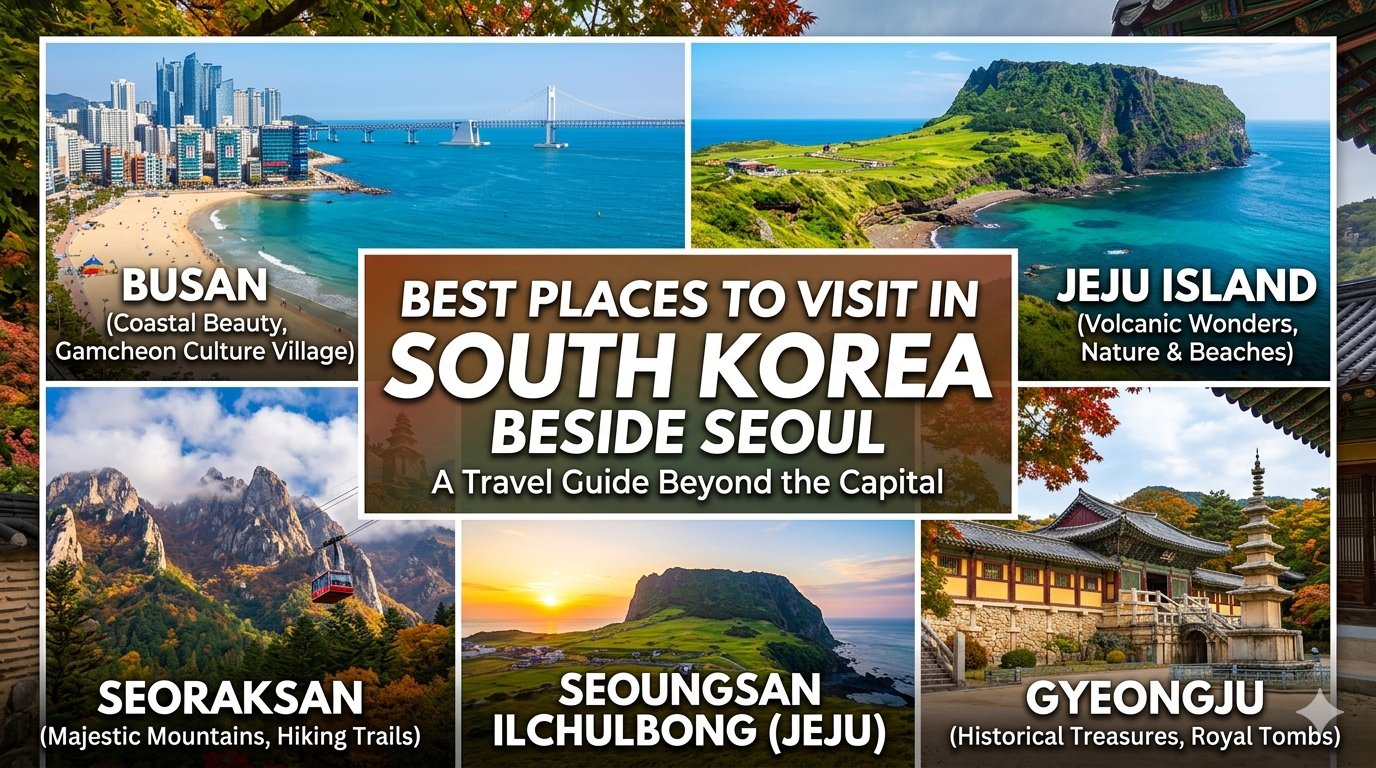
Busan, South Korea’s second-largest city, is a mesmerizing blend of urban life and stunning coastal scenery. Known for its picturesque beaches, vibrant markets, and rich cultural heritage, Busan offers travelers a distinctive experience that contrasts with the hustle and bustle of Seoul.
The city’s beaches are one of its most alluring features. Haeundae Beach, often regarded as the most popular beach in South Korea, attracts both locals and tourists with its soft sands and clear waters. The area buzzes with activity during the summer months, offering a variety of water sports and beachside cafes where visitors can relax and soak up the sun. Gwangalli Beach, famous for its breathtaking views of the illuminated Gwangan Bridge at night, provides a more tranquil atmosphere and is ideal for evening strolls.
Beyond its natural beauty, Busan has a thriving marketplace culture. Jagalchi Fish Market, the largest seafood market in South Korea, is a must-visit. Here, fresh catches of the day are displayed in abundance, and visitors can enjoy a seafood meal prepared on-site, an experience that is both authentic and delightful. The bustling market atmosphere is vibrant, showcasing the local culinary traditions tied to the sea.
Cultural enthusiasts will find much to explore in Busan, with unique sights such as the Gamcheon Culture Village. This colorful neighborhood is renowned for its artistic murals and quirky sculptures, making it a favorite for photographers and art lovers alike. Additionally, Beomeosa Temple, a serene Buddhist temple situated on the slopes of Geumjeong Mountain, offers visitors a glimpse into Korea’s spiritual heritage amidst stunning natural surroundings. With its harmonious blend of beaches, markets, and cultural experiences, Busan is indeed the coastal gem of South Korea, captivating the hearts of all who visit.
Jeju Island: Nature’s Paradise
Situated off the southern coast of South Korea, Jeju Island is renowned for its stunning natural beauty and unique geological characteristics. Often referred to as Korea’s ‘Honeymoon Island,’ Jeju captivates visitors with its lush landscapes, serene beaches, and diverse ecosystems. One of the island’s most prominent features is Hallasan Mountain, the tallest peak in South Korea. This dormant volcano, standing at 1,947 meters, is encircled by a national park that boasts numerous hiking trails, providing an excellent opportunity for outdoor enthusiasts. A hike to the summit rewards climbers with breathtaking views and a glimpse of the crater lake, adding to the allure of the journey.
In addition to Hallasan, Jeju Island is home to several impressive waterfalls, including Cheonjiyeon Falls and Jeongbang Falls. Each of these natural wonders offers scenic beauty and a chance to unwind in tranquil surroundings. Cheonjiyeon, meaning ‘sky connecting pond,’ showcases a 22-meter drop, surrounded by lush forests that enhance its picturesque charm. Meanwhile, Jeongbang Falls is unique as it pours directly into the sea, offering stunning vistas and opportunities for photography.
Furthermore, Jeju’s lava tubes, formed by volcanic activity, are a UNESCO World Heritage site and draw visitors eager to explore these natural wonders. The Manjanggul Lava Tube is one of the longest in the world, intricately shaped by flowing lava centuries ago. As visitors navigate through this underground cave, they can admire the fascinating formations and understand the island’s geological history.
For those who seek adventure, Jeju offers various water sports such as snorkeling, scuba diving, and windsurfing on its numerous beaches. The beautiful coastline combined with clear waters makes it a favorite destination for both relaxation and excitement. Overall, Jeju Island stands as a testament to nature’s magnificence, providing endless opportunities for exploration and outdoor activities that appeal to all types of travelers.
Gyeongju: The Ancient Capital
Gyeongju, often referred to as the “museum without walls,” serves as a testament to Korea’s rich ancient history. As the capital of the Silla Kingdom for nearly a millennium, Gyeongju is home to an extraordinary number of archaeological sites and cultural treasures that attract countless visitors each year. Recognized as a UNESCO World Heritage site, this city presents a unique opportunity to explore South Korea’s historical roots.
One of the city’s most remarkable features is the cluster of tombs located at Daereungwon, which houses the royal tombs of the Silla Dynasty. These earthen mounds, some reaching impressive sizes, offer insights into the burial customs and social hierarchies of the time. Near these tombs, the impressive Cheomseongdae Observatory stands as Asia’s oldest surviving astronomical observatory, showcasing the advanced scientific knowledge possessed by the Silla people.
Moreover, the ancient capital is rich in Buddhist heritage, exemplified by the stunning temples scattered throughout the area. Bulguksa Temple and Seokguram Grotto, both UNESCO World Heritage sites, reflect the artistic and architectural achievements of the period. Bulguksa, with its intricate details and serene atmosphere, is particularly revered and draws pilgrims and tourists alike.
The city’s cultural offerings extend beyond architecture. Visitors can explore the Gyeongju National Museum, which houses an extensive collection of artifacts, including gold crowns, pottery, and ancient weapons, that narrate the story of the Silla Kingdom. Each exhibit provides a glimpse into the daily lives, artistry, and spiritual beliefs of the people who once thrived here.
Through its remarkable array of historical sites and artifacts, Gyeongju emerges not merely as a city but as a living testament to South Korea’s profound historical lineage, making it an essential destination for anyone interested in the depths of Korean culture.
Incheon: Gateway to Adventure
Incheon, often recognized primarily for its international airport, is a vibrant city offering a plethora of experiences beyond just travel logistics. The city’s rich historical tapestry and modern infrastructure make it a fascinating destination for tourists and locals alike.
One of the most iconic landmarks in Incheon is the stunning Incheon Bridge, which stretches over 21 kilometers and connects the island of Yeongjongdo with the mainland. This cable-stayed bridge, regarded as one of the longest in the world, provides not only efficient transportation but also picturesque views of the surrounding landscapes. Visitors can capture breathtaking photographs, especially during sunset when the bridge is beautifully illuminated.
Adding to Incheon’s cultural allure is its vibrant Chinatown. Established in the late 19th century, this area presents a unique fusion of Korean and Chinese cultures. Streets adorned with traditional structures and restaurants serve up authentic Chinese dishes, making it a culinary haven. Furthermore, the distinctive red and yellow pagoda-style buildings contribute to an enchanting atmosphere that transports visitors to a different era.
Incheon is also home to the innovative Songdo International Business District, a planned city that epitomizes futuristic design and technology. With its eco-friendly spaces, high-rise buildings, and smart city initiatives, Songdo attracts business professionals and tourists alike. Highlights within the district include Central Park, which offers recreational opportunities amidst the urban landscape, and the impressive Songdo Convensia, a convention center that hosts international conferences and events.
Overall, Incheon stands as a testament to South Korea’s ability to blend tradition with modernity, making it an essential visit for those exploring the country beyond Seoul.
Suwon: The Fortress City
Suwon, located just south of Seoul, is renowned for its stunning architectural marvel, the Hwaseong Fortress. This UNESCO World Heritage Site, constructed in the late 18th century, showcases the military and architectural advancements of the time. It was built during the reign of King Jeongjo, who sought to honor his father while creating a safe haven for the people. The fortress spans approximately 5.7 kilometers and features impressive stone walls, watchtowers, and four imposing gates, each with its own unique design.
Visitors to Suwon can embark on a journey through the fortress, where they can enjoy scenic views of the city and the surrounding landscape. The walls are well-preserved, allowing guests to walk along the paths that were once crucial for defense. Additionally, the fortress offers various cultural experiences, including reenactments of traditional Korean activities such as archery and craft-making. These activities provide a glimpse into the historical significance of Suwon as a fortified city.
Beyond the fortress, Suwon has much more to offer. The area surrounding Hwaseong is dotted with inviting parks, markets, and traditional palaces. Notably, the Korean Folk Village provides an immersive experience into the daily lives and customs of Koreans from the past. Within this village, visitors can observe traditional dances, pottery-making, and other crafts. Food enthusiasts will also find a rich culinary landscape, with local specialties such as Suwon galbi, a delicious grilled beef dish.
Overall, Suwon is an essential destination for anyone looking to explore South Korea’s rich history and culture beyond the capital. With its remarkable fortress and myriad activities, Suwon captures the essence of Korea’s heritage while offering a unique experience that complements a visit to Seoul.
Jeonju: A Taste of Tradition
Jeonju, located in the North Jeolla Province of South Korea, serves as a significant hub for traditional Korean cuisine, making it an essential stop for culinary enthusiasts. Known as the birthplace of bibimbap, a popular dish that combines rice, vegetables, and various meats topped with a fried egg and gochujang (red chili paste), Jeonju’s food culture reflects a deep appreciation for fresh ingredients and intricate flavors. Visitors flock to this vibrant city not only for its renowned cuisine but also for its rich heritage.
The charm of Jeonju is evident in its Hanok Village, a preserved area featuring over 800 traditional Korean houses, known as hanok. These unique structures, with their beautiful wooden architecture and tiled roofs, create a picturesque setting for exploring the city’s culinary delights. Strolling through the narrow streets of the Hanok Village allows visitors to absorb the essence of historic Korea while savoring some of its best street food offerings, such as jeon (Korean pancakes), tteok (rice cakes), and various seasonal specialties.
In addition to bibimbap, Jeonju is famous for its delicious house-made sauces, vibrant kimchi, and savory barbecue dishes. The city hosts numerous local markets, such as the Jeonju Nambu Market, where visitors can experience a plethora of flavors ranging from savory to sweet. The importance of Jeonju in Korean food culture cannot be overstated, as it embodies the philosophy of ‘shikdang (restaurant) as a space for gatherings and sustenance’—an integral aspect of Korean life.
Thus, Jeonju provides a captivating blend of culinary prowess and cultural immersion, making it a must-visit destination for those looking to experience the authentic taste of Korea beyond the bustling streets of Seoul.
Andong: The Spirit of Korean Culture
Andong, located in the heart of Korea, is renowned as a bastion of traditional culture and Confucian heritage. Among its most significant attractions is the Hahoe Folk Village, a UNESCO World Heritage site that beautifully preserves the essence of traditional Korean life. Here, visitors can wander through well-preserved hanoks, or traditional Korean houses, which are set against the picturesque backdrop of the Nakdong River. Hahoe Folk Village offers an immersive experience into the customs, architecture, and the agricultural lifestyle of the Joseon Dynasty.
The village is also famous for the Andong Mask Dance Festival, which celebrates the region’s rich history of mask dance performances. Held annually in autumn, this vibrant festival draws participants from around the world. Attendees can witness colorful performances that incorporate traditional masks, conveying stories of joy, sorrow, and satire, all deeply rooted in Korean culture. These performances are not merely spectacles; they represent the spirit of community and resilience in Korean folklore.
In addition to mask dances, Andong is a hub for various cultural activities throughout the year. Visitors can engage in traditional crafts, such as pottery and weaving, or learn about the art of making Andong soju, a traditional distilled liquor known for its unique flavor and key role in local celebrations. Festivals, such as the Andong International Mask Dance Festival and other seasonal events, offer an excellent opportunity for visitors to participate in local traditions, making their experience in Andong both enriching and memorable.
Conclusion: Embrace the Diversity of South Korea
As we conclude our exploration of the best places to visit in South Korea besides Seoul, it is essential to reflect on the rich diversity that this nation has to offer. While Seoul, the bustling capital, serves as the heart of South Korea, other cities and regions provide unique perspectives that enrich the overall experience of visiting the country. From the historical sites of Gyeongju, where ancient relics narrate tales of the Silla Dynasty, to the coastal beauty of Busan, known for its beaches and vibrant port culture, the range of attractions is vast.
Moreover, cities like Jeonju, celebrated for its traditional hanok village and culinary delights, showcase the local customs and gastronomy which are often overshadowed by the capital’s fast-paced lifestyle. The serene landscapes of Jeju Island, with its volcanic craters and lush greenery, present opportunities for outdoor adventures and a closer connection with nature, making it an ideal getaway for those seeking tranquility.
Engaging with these diverse locales not only fosters a deeper appreciation of Korea’s multifaceted culture and history but also encourages a more sustainable form of tourism, where travelers support local economies by venturing beyond the confines of major urban centers. Each destination narrates its own story, reinforcing the idea that South Korea is a tapestry woven from various threads of culture, history, and tradition.
Therefore, as you plan your journey to the Far East, consider stepping outside of Seoul to uncover the myriad experiences that await you in other cities. Embracing this diversity will undoubtedly enrich your understanding of South Korea, offering profound insights into its heritage and the warmth of its people.