
Introduction to Travel Budgeting
Traveling offers opportunities to explore new cultures and create lasting memories; however, it can often come with significant financial implications. Thus, establishing a robust travel budget becomes imperative for effective financial planning. A travel budget is a detailed estimate of the expenses associated with a trip, encompassing all potential costs, including transportation, accommodation, food, activities, and any additional unforeseen expenditures.
Having a well-structured travel budget not only aids in tracking expenses but also enhances the overall travel experience by alleviating financial stress. Travelers who prepare budgets are less likely to incur unexpected costs that can derail their plans or lead to financial strain once the trip concludes. By budgeting effectively, individuals can enjoy their journeys without the looming pressure of overspending.
In addition, creating a travel budget allows travelers to prioritize their spending based on their personal preferences and financial capabilities. For example, some may prefer splurging on unique dining experiences while others might allocate more resources towards guided tours or excursions. Understanding how much money is available and how it can best be spent allows for a more tailored travel experience, ensuring that every trip aligns with personal goals and expectations.
Moreover, a travel budget can serve as a motivational tool. By identifying savings goals and adhering to a budget, travelers can work towards a more ambitious itinerary or a luxurious experience. Ultimately, budgeting for travel promotes responsible spending while enhancing enjoyment, leading to a more fulfilling travel adventure. As such, regardless of the destination, a travel budget stands as a vital component in shaping an enriching travel experience.
Gather Necessary Information
Creating an effective travel budget spreadsheet begins with the meticulous gathering of essential information. This preparatory step serves as the foundation upon which the entire budget is built. Start by researching your destination comprehensively. Consider key factors such as the cost of living, local currency, and the typical expenses travelers incur while visiting the area. Understanding these elements will significantly influence your overall budget.
Next, outline the duration of your trip. Knowing how long you plan to stay will help tailor your budget more specifically. For instance, differentiate between one-week stays and month-long excursions, as this will directly impact accommodation, food, and activity costs. Be realistic about your travel dates, as peak seasons typically entail higher costs for both accommodation and activities compared to off-peak seasons.
Beyond the destination and duration, it’s crucial to identify the activities you wish to engage in during your travels. This includes sightseeing, dining, excursions, and entertainment. Researching these activities will provide insight into their associated costs, which allows for a more accurate allocation of your financial resources. Furthermore, consider any special events or local festivals that could influence your expenses as they may require advanced bookings or have associated fees.
Lastly, accommodation costs represent a significant portion of your travel budget. Gather information on various lodging options, including hotels, hostels, or vacation rentals, and their respective pricing. Include hidden costs such as resort fees or taxes that could affect your total budget. With this synthesized information, you will be well-equipped to create a comprehensive travel budget spreadsheet that reflects your travel intentions accurately and realistically.
Choosing the Right Spreadsheet Tool
When it comes to creating a travel budget spreadsheet, the choice of software can significantly influence your experience and outcomes. There are several viable options, including Microsoft Excel, Google Sheets, and numerous budgeting applications. Each has its strengths and weaknesses, making it crucial to choose one that aligns with your personal preferences and requirements.
Microsoft Excel is widely recognized for its powerful functionalities and flexibility. It offers advanced features such as pivot tables, complex formulas, and extensive charting options, which can enhance your budget analysis. However, Microsoft Excel requires a purchase or subscription, which may not be ideal for budget-conscious travelers. Furthermore, the learning curve can be steep for new users.
On the other hand, Google Sheets provides a more accessible and collaborative alternative. Being web-based, it allows users to share and edit the budget spreadsheet in real-time, making it an excellent choice for groups or couples planning a trip together. Its interface is user-friendly and integrates well with other Google services. While it may not have all the advanced features that Excel provides, it sufficiently meets the needs of most travelers looking to manage expenses effectively.
Additionally, budgeting apps such as Mint and YNAB (You Need A Budget) offer specialized features for tracking expenses, setting goals, and providing alerts, which can be advantageous during travel. These apps often come with mobile versions, ensuring access on the go. However, some of these services require subscriptions, and their specific focus on budgeting may limit the flexibility found in traditional spreadsheet tools.
Ultimately, selecting the right tool for your travel budget spreadsheet depends on your specific requirements, familiarity with the software, and whether collaboration features are necessary. By carefully evaluating these options, travelers can choose the most effective tool to facilitate budget management and ensure financial readiness for their journey.
Setting Up Your Travel Budget Spreadsheet
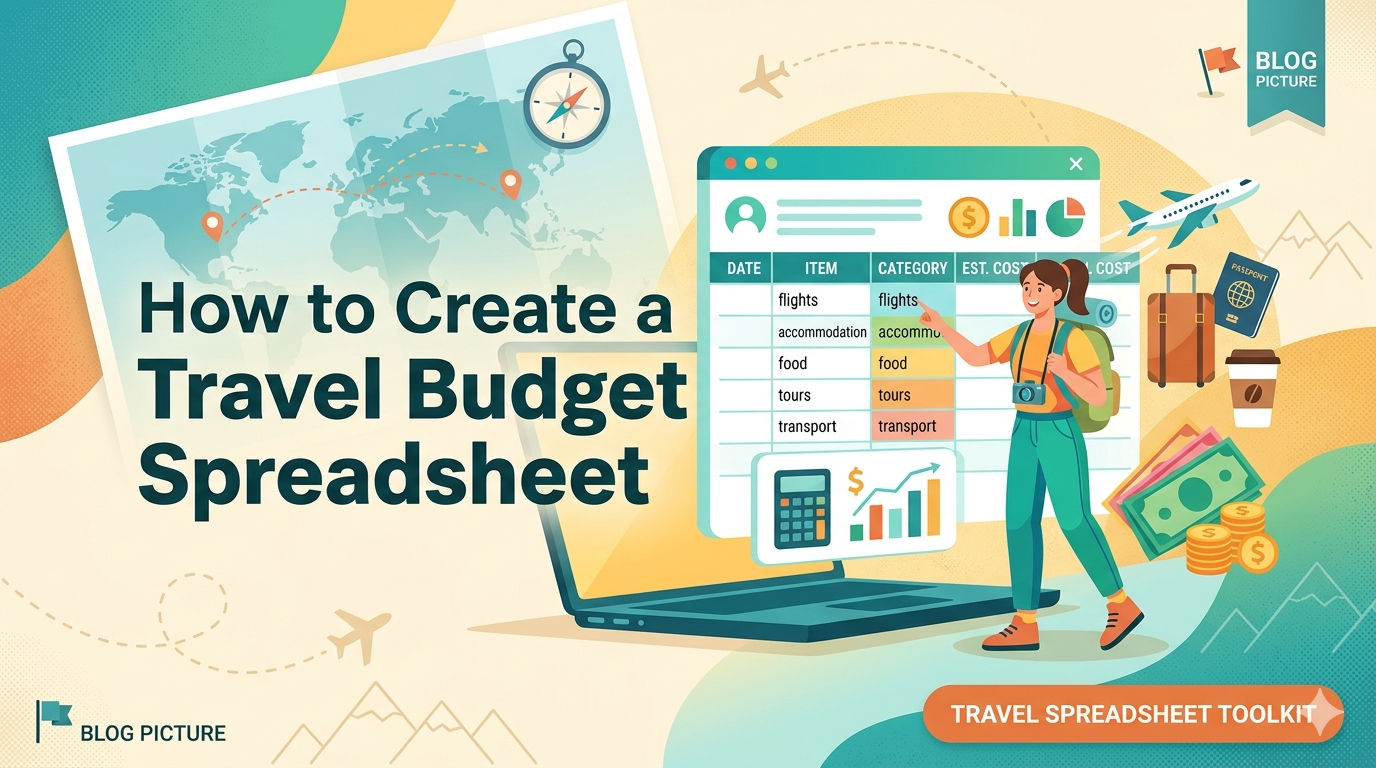
Creating a travel budget spreadsheet is an essential step in planning an enjoyable and financially manageable trip. To successfully set up your budget spreadsheet, begin by opening a spreadsheet application such as Microsoft Excel or Google Sheets. The first task is to create columns that will capture all necessary data regarding your travel expenditures.
Start by labeling your first column as “Categories,” which serves as a placeholder for various spending areas. The categories you may consider including are transportation, lodging, food, activities, and miscellaneous expenses. This organization is crucial as it allows you to track where your funds will be allocated during your travels.
Next, create an “Estimated Costs” column next to the categories. In this column, you’ll input your projected expenses for each category based on your research or past travel experiences. For instance, if you anticipate spending $300 on lodging for a weekend trip, list that amount under the lodging category. This projection sets a financial outline for your upcoming travel adventure and gives a clear idea of how much you aim to spend.
Following the Estimated Costs column, add another column labeled “Actual Costs.” As you travel, you’ll be able to fill in this column with the real expenditures incurred for each category. This tracking is vital for managing your finances effectively and helps in comparing your estimated budget with the actual spending.
For enhanced clarity and organization, consider adding a final column for comments or notes regarding specific expenditures. This can be useful for keeping track of variations that may occur during your trip. In implementing these steps, you will have a well-structured travel budget spreadsheet that not only helps in planning but also provides insights into your spending habits.
Estimating Travel Costs
Estimating travel costs accurately is crucial for effective budget planning. The first step in this process is to research and analyze potential expenses related to your trip, which can vary significantly based on the destination and the activities planned.
The primary components of travel expenses generally include transportation, accommodation, food, activities, and miscellaneous costs. Transportation encompasses flight tickets, train fares, or car rentals. Utilize travel comparison websites to determine the best rates for your transportation needs. It’s also worthwhile to factor in local transportation costs, such as public transit or taxis, which can add up during your stay.
Accommodation costs will depend on your chosen lodging, whether it’s a hotel, hostel, or vacation rental. Platforms like Airbnb or Booking.com can provide a range of options to suit different budgets. When estimating accommodation costs, consider nearby amenities and transportation options, as these can impact your overall expenses.
Food is another significant aspect of your travel expense. Dining out for every meal can quickly escalate costs, so budget accordingly. Research local dining establishments or grocery stores to have a clear understanding of meal prices in the area. This allows for a more well-rounded budget that includes a mix of dining experiences and self-catering where applicable.
Additionally, anticipate activities such as tours, entrance fees to attractions, or guided experiences. Each of these should be considered when estimating your overall travel budget. Lastly, don’t overlook additional expenses, such as travel insurance and souvenirs. Travel insurance can protect against unforeseen circumstances that may lead to extra costs.
By meticulously estimating these various travel costs, you can create a realistic budget spreadsheet that reflects your anticipated expenses, ensuring a smoother travel experience.
Tracking Your Expenses
When it comes to successful travel budgeting, tracking your expenses plays a pivotal role. Keeping a close eye on your spending can help ensure that you do not exceed your financial limits while traveling. By diligently recording your expenses in real-time, you can maintain a clear overview of where your money goes, making it considerably easier to stay within your planned budget.
One effective way to track your expenses is through a travel budget spreadsheet, where you can create various categories for your spending such as accommodation, food, transportation, and activities. Updating this spreadsheet as you incur expenses is crucial for accurate tracking. Consistently entering data encourages you to remain aware of your financial situation and manage your funds more effectively.
Best practices for tracking expenses include utilizing mobile applications that can sync with your spreadsheet, or simply carrying a small notebook for jotting down costs as they arise. Opting for a mobile app can significantly streamline the process, allowing you to upload receipts and categorize costs immediately. However, having a physical record of your spending can also be beneficial if connectivity is an issue in certain locations.
Another critical aspect of tracking expenses is to review your spending patterns regularly. At the end of each day or every few days, take some time to review your recorded expenses against your budgeted amounts. This practice not only helps to identify patterns where you may be overspending but also provides an opportunity to adjust future spending habits accordingly. Maintaining this level of awareness about your expenditures fosters accountability and ensures that you maximize the enjoyment of your trip without stressing over financial constraints.
Adjusting Your Budget As Needed
When traveling, it is essential to remain flexible with your budget. Circumstances can change unexpectedly, and maintaining control over your finances can help mitigate stress during your journey. One effective strategy for adjusting your budget involves regularly reviewing your spending patterns. Keeping an updated travel budget spreadsheet allows you to track expenses and identify areas where adjustments may be necessary.
Start by categorizing your initial budget into essential and discretionary spending. Essential expenses might include accommodation, transportation, and meals, while discretionary spending encompasses activities like excursions, dining out, and souvenir shopping. As you travel, maintain a log of all expenses in your spreadsheet to see how they align with your initial projections. This will help you spot trends and make informed decisions about where to cut back.
In cases of unplanned costs, such as last-minute accommodation changes or emergency repairs, it becomes crucial to reallocate funds from less critical areas. Evaluate your list of discretionary spending and identify which activities or treats you are willing to forgo. This way, you can absorb unexpected expenses without jeopardizing the entirety of your budget.
Additionally, consider setting aside a small fund for contingencies when you first create your travel budget, effectively creating a buffer zone. Having a reserve can provide peace of mind and reduce the need for drastic budget adjustments. If you notice particular categories consistently exceed expectations, it may warrant a reevaluation of your estimated costs. By periodically revisiting your budget spreadsheet and making necessary changes, you can achieve a balance that meets both your financial goals and travel aspirations.
Reviewing and Analyzing Your Travel Budget
Once your trip concludes, it is essential to take the time to review and analyze your travel budget. Understanding how closely your actual spending aligned with your projected budget is crucial for improving future travel plans. Begin this process by gathering all relevant expense receipts and noting any unforeseen costs that arose during your journey. This provides a comprehensive view of your spending habits.
Next, categorize your expenses into different areas such as accommodation, food, transportation, activities, and any other additional costs incurred. This categorization allows you to see where you allocated your funds and highlights areas where you may have overspent or saved money. For instance, if your dining expenses exceeded your budget, you might want to explore cheaper meal options on your next trip or allocate more funds for food if that was a significant part of your travel enjoyment.
Consider utilizing your travel budget spreadsheet to facilitate this analysis. Many budgeting tools feature automatic calculations that will help you evaluate the differences between estimated and actual costs in each category. By reviewing these discrepancies, you can identify patterns in your spending habits—such as consistently overspending on transportation or entertainment—which can provide valuable insights for your budget planning in future travels.
Additionally, think about the experiences that were most memorable or worthwhile. Did the expenditures correlate with the enjoyment? Analyzing whether high expenditure led to a fulfilling experience can drastically influence your approach to budgeting. All of these steps contribute to a better understanding of your financial behavior during travel, helping you establish a more effective travel budget for the future.
Conclusion and Final Tips
Creating a travel budget spreadsheet is an essential step in planning any successful trip. It enables you to keep track of your expenses, helping to ensure that you stay within your financial limits while still allowing for a fulfilling travel experience. By following the steps outlined in this guide, you can create a personalized budget spreadsheet tailored to your travel needs.
One of the key takeaways is to start your budget by estimating your total travel costs. This includes accommodation, flights, transportation, meals, activities, and miscellaneous expenses. A thorough estimation can prevent unexpected financial surprises during your trip. Secondly, consider adjusting your budget based on the destinations you plan to visit, as costs can vary significantly from one location to another.
Additionally, tracking your expenses in real-time can be tremendously beneficial. Using apps or tools that sync with your travel budget spreadsheet can streamline the process, ensuring that you remain on target with your financial goals. It is also advisable to set aside a percentage of your budget for unforeseen expenses, which provides a safety net for unexpected situations that may arise.
Finally, revisiting and updating your spreadsheet throughout your planning process is crucial. This enables you to adapt to changes and make more informed financial decisions. Keep in mind that the ultimate goal of budgeting is not to restrict your travel experiences but to enhance them by providing you with clarity and peace of mind.
In summary, a well-crafted travel budget spreadsheet is paramount in achieving a well-organized and enjoyable trip. By implementing these tips and maintaining an adaptive approach, you will not only manage your finances effectively but also make the most of your travel adventures.