
Exploring the best things to do in Cambodia means discovering much more than its famous historical landmarks. Visitors can explore traditional markets, enjoy authentic Cambodian food, cruise along scenic rivers, and experience the country’s remarkable cultural traditions. Whether you’re planning your first Cambodia vacation or looking for hidden gems, this travel guide highlights attractions and experiences worth adding to your itinerary.
Explore Angkor Wat, Cambodia’s Most Famous Temple
Angkor Wat is Cambodia’s most recognizable landmark and one of the world’s most impressive ancient religious monuments. Located near Siem Reap, this enormous temple complex was originally constructed in the twelfth century during the Khmer Empire. Its magnificent stone towers, detailed carvings, and impressive architecture attract travelers from around the world. Visiting Angkor Wat is an essential experience for anyone exploring Cambodia.
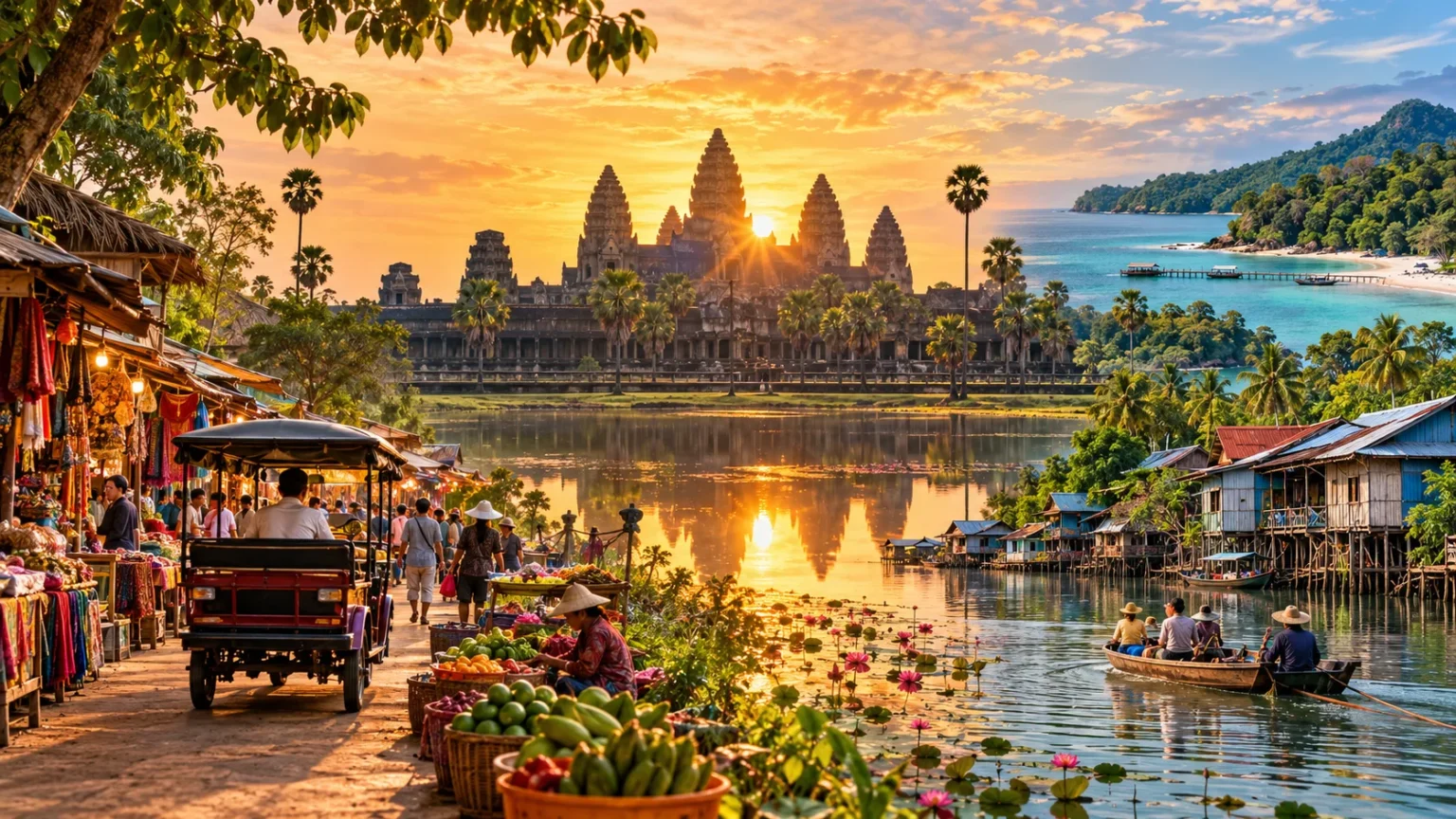
One of the best ways to experience Angkor Wat is by arriving early to watch the sunrise over its iconic towers. As morning light illuminates the temple, visitors can appreciate the reflection of its beautiful architecture in nearby pools. Walking through the galleries reveals intricate carvings depicting historical events and religious stories. These artistic details provide fascinating insights into Cambodia’s cultural and spiritual heritage.
Plan enough time to explore the temple without rushing through its impressive courtyards and passageways. Hiring a knowledgeable local guide can help visitors understand the complex’s history, religious significance, and architectural features. Comfortable walking shoes, drinking water, and respectful clothing are important because the grounds are extensive. An Angkor temple pass is required for most international visitors entering the archaeological park.
Discover the Ancient Temples of Angkor Thom and Ta Prohm
Angkor Archaeological Park contains many remarkable temples beyond Angkor Wat, making it a fascinating destination for history enthusiasts. Angkor Thom was once a major capital of the Khmer Empire and features impressive gates, ancient walls, and extraordinary stone structures. Its most famous attraction, Bayon Temple, is celebrated for its enormous carved faces. Exploring these ruins reveals the artistic achievements of ancient Khmer civilization.
Ta Prohm offers a completely different atmosphere, with towering trees growing around centuries-old stone buildings. Large roots wrap around temple walls and doorways, creating a striking combination of architecture and nature. Unlike heavily restored monuments, parts of Ta Prohm preserve the appearance of ruins surrounded by forest. Visitors often consider it one of the most atmospheric places to visit in Cambodia.
Another worthwhile destination is Banteay Srei, a beautiful temple known for its detailed pink sandstone carvings. Located outside the main Angkor temple area, it offers an opportunity to explore a different architectural style. Visitors should consider spending several days exploring these historic attractions instead of attempting everything in one afternoon. This allows more time to appreciate Cambodia’s extraordinary ancient heritage.
Experience the Culture and Local Life of Siem Reap
Siem Reap is much more than a gateway to Angkor Wat, offering colorful markets, cultural performances, and traditional Cambodian experiences. The city combines modern tourism facilities with authentic Khmer traditions, making it welcoming for first-time visitors. Travelers can explore local neighborhoods, discover traditional handicrafts, and visit beautifully decorated Buddhist temples. Spending time here provides a deeper understanding of Cambodian culture.
The city’s markets are excellent places to discover handmade souvenirs, traditional fabrics, jewelry, and local artwork. Visitors can explore the Old Market area while observing everyday commercial activities and interacting respectfully with vendors. Local workshops also provide opportunities to learn about silk weaving, pottery, and other traditional crafts. Purchasing responsibly made products supports local artisans and helps preserve cultural skills.
Traditional Khmer dance performances are another memorable experience for visitors interested in Cambodian history and art. Apsara dance features graceful movements, colorful costumes, and storytelling inspired by classical traditions. Travelers can also join Cambodian cooking classes to learn how familiar dishes are prepared using local ingredients. These cultural activities make Siem Reap an enjoyable destination beyond its famous archaeological attractions.
Take a Boat Trip on Tonle Sap Lake
Tonle Sap Lake is one of Cambodia’s most important natural landmarks and supports communities whose lives depend on its changing waters. Located within reach of Siem Reap, the lake is famous for its floating and stilt-house settlements. Seasonal changes dramatically affect water levels, transforming the surrounding landscape throughout the year. Visiting the lake offers insight into Cambodia’s relationship with its waterways.
Travelers can explore communities such as Kampong Phluk through appropriately organized boat excursions, depending on seasonal conditions. These visits provide opportunities to observe traditional houses, fishing activities, and the practical ways residents adapt to changing water levels. The surrounding flooded forests also create beautiful natural scenery during high-water periods. Responsible tours should respect local residents and avoid treating communities as tourist exhibits.
Tonle Sap is also important for wildlife, particularly the many bird species that depend on its wetlands. Certain protected areas offer birdwatching opportunities, with sightings varying according to the season and local conditions. Visitors should choose operators that follow environmental guidelines and contribute positively to nearby communities. Exploring these landscapes highlights the ecological importance of Cambodia’s largest freshwater lake.
Discover Phnom Penh’s History and Famous Attractions
Phnom Penh, Cambodia’s capital city, offers a fascinating combination of historic landmarks, cultural institutions, and modern urban life. Located near the meeting point of the Mekong and Tonle Sap rivers, the city features attractive waterfront areas and important national monuments. Visitors can explore museums, traditional markets, and impressive architecture. Phnom Penh provides valuable perspectives on Cambodia’s past and present.
The Royal Palace is one of the capital’s most impressive architectural attractions, featuring beautifully decorated buildings and landscaped grounds. Within the palace complex, the Silver Pagoda contains religious artwork and significant Buddhist treasures. Nearby, the National Museum displays remarkable Khmer sculptures and historical artifacts. Visiting these institutions helps travelers understand the country’s artistic achievements and cultural identity.
Visitors interested in understanding Cambodia’s difficult modern history can also explore the Tuol Sleng Genocide Museum and Choeung Ek memorial site. These important places encourage reflection and remembrance while providing historical education about the Khmer Rouge period. Their subject matter can be emotionally challenging, so visitors should approach them respectfully. Together, Phnom Penh’s attractions reveal different aspects of Cambodia’s national story.
Explore Battambang’s Countryside and Colonial Architecture
Battambang is a charming Cambodian city known for its relaxed atmosphere, historic buildings, and beautiful agricultural landscapes. Compared with larger tourist centers, it offers a quieter environment where visitors can experience everyday Cambodian life. The city features traditional markets, riverside neighborhoods, and architecture reflecting different periods of its history. Exploring Battambang is ideal for travelers interested in culture and countryside scenery.
One of Battambang’s most unusual attractions is the bamboo train, a locally developed rail experience that has become popular with visitors. The surrounding countryside features rice fields, small villages, and traditional farming communities. Guided excursions can introduce travelers to local crafts, agricultural activities, and regional history. These experiences reveal a different side of Cambodia beyond major temples and beaches.
Battambang also has an interesting creative community, including local artists, galleries, and cultural organizations. Visitors can attend performances, explore traditional artwork, or discover small businesses producing handmade items. Exploring with a knowledgeable local guide often makes these experiences more informative and meaningful. Before planning rural excursions, check current safety advice and remain on established routes because unexploded ordnance remains a concern in parts of Cambodia.
Relax in Kampot and Explore Its Beautiful Natural Surroundings
Kampot is a peaceful riverside destination in southern Cambodia, known for its relaxed lifestyle and surrounding natural scenery. The town features attractive streets, older buildings, local cafes, and beautiful views along the Kampot River. Visitors often come here to escape busy cities and enjoy a slower travel experience. Its combination of countryside attractions and cultural character makes Kampot especially appealing.
One of the most interesting experiences is visiting a local pepper farm to learn about Kampot’s internationally recognized agricultural product. Guided visits explain how pepper is cultivated, harvested, and processed using traditional farming techniques. Travelers can also discover the surrounding countryside, where green fields and rural landscapes create beautiful views. These agricultural experiences provide a meaningful connection to Cambodia’s local food traditions.
Bokor National Park is another attraction near Kampot, offering mountain scenery, forest landscapes, and historical buildings. Weather conditions can change quickly in the highlands, creating misty views across the surrounding region. Visitors can arrange suitable guided excursions to learn about the area’s natural and cultural features. Kampot offers a rewarding combination of relaxation, local exploration, and outdoor experiences.
Visit Kep for Seafood, Coastal Views, and Peaceful Beaches
Kep is a small coastal destination known for its peaceful atmosphere, fresh seafood, and beautiful seaside landscapes. Once a popular retreat, the town continues to attract travelers looking for a quieter alternative to Cambodia’s busier coastal destinations. Its compact size makes it suitable for relaxed sightseeing and short coastal escapes. Visitors can enjoy waterfront views, local markets, and pleasant surroundings.
The Kep Crab Market is one of the town’s best-known attractions, especially for travelers interested in traditional Cambodian food. Local restaurants serve seafood dishes, including crab prepared with regional Kampot pepper. Exploring the market offers an opportunity to observe local food traditions and discover fresh ingredients. Visitors can also spend time enjoying the coastline and the area’s relaxed dining culture.
Nearby Rabbit Island, also called Koh Tonsay, offers another peaceful escape from busy tourist destinations. Accessible by boat when conditions permit, the island features sandy beaches, simple facilities, and a laid-back tropical atmosphere. Travelers can enjoy beach walks, coastal scenery, and time away from crowded attractions. Checking boat schedules and sea conditions before departing helps make the trip more comfortable.
Enjoy Tropical Beaches and Island Life on Koh Rong
Koh Rong is one of Cambodia’s most beautiful island destinations, attracting visitors with white sandy beaches and clear tropical waters. Located off the country’s southern coast, the island offers a refreshing contrast to Cambodia’s historic cities and temples. Its natural surroundings make it appealing for beach lovers and travelers seeking relaxation. Several coastal areas provide different experiences, from lively settlements to quieter beaches.
Swimming, beach walking, and enjoying the island’s scenery are among the most popular activities on Koh Rong. Some visitors also explore nearby coastal areas through organized boat excursions when weather and sea conditions are suitable. Accommodation ranges from simple guesthouses to more comfortable beach resorts. Choosing the right location depends on whether travelers prefer peaceful surroundings or convenient access to facilities.
Koh Rong Sanloem is another island worth considering for visitors seeking a slower, more tranquil holiday experience. Its attractive beaches and tropical landscapes offer opportunities to unwind while enjoying Cambodia’s coastline. Travelers should check current ferry services, accommodation availability, and seasonal conditions before making reservations. Responsible tourism practices help protect the islands’ natural beauty for future visitors.
Experience Nature and Ecotourism in the Cardamom Mountains
The Cardamom Mountains contain some of Cambodia’s most impressive rainforest landscapes, offering opportunities to appreciate the country’s natural environment. This extensive mountain region supports diverse wildlife, rivers, and forest ecosystems. Conservation initiatives work to protect important habitats while supporting communities that depend on natural resources. Exploring suitable areas can introduce visitors to a quieter, less developed side of Cambodia.
Community-based ecotourism experiences may include nature walks, wildlife observation, and educational activities focused on forest conservation. Travelers can learn about local environmental challenges and the importance of protecting endangered species. Choosing established operators helps support responsible tourism and provides a more organized experience. Wildlife sightings are never guaranteed, but the surrounding forests offer considerable natural beauty.
Because parts of the Cardamom region are remote, visitors should research destinations carefully before arranging excursions. Guided activities should use established trails, appropriate equipment, and operators familiar with local conditions. Some areas near the Cambodia-Thailand border are subject to serious travel warnings and should be avoided. Planning responsibly helps travelers appreciate Cambodia’s rainforests without overlooking important safety considerations.
Visit Kratie and Discover the Mekong River
Kratie is a riverside town in eastern Cambodia that offers peaceful scenery and opportunities to experience life along the Mekong River. Its relaxed streets, traditional markets, and attractive waterfront create a pleasant environment for visitors. The surrounding region is known for agricultural landscapes and important freshwater ecosystems. Kratie appeals particularly to travelers who enjoy nature and quieter cultural destinations.
One of the area’s main attractions is the opportunity to observe endangered Irrawaddy dolphins in suitable stretches of the Mekong River. Responsible guided boat excursions operate in designated areas, although sightings depend on wildlife activity and local conditions. These dolphins are an important focus of regional conservation efforts. Choosing wildlife-friendly operators helps limit disturbance to these vulnerable animals.
The countryside surrounding Kratie also offers opportunities to discover traditional villages and observe everyday rural life. Visitors may explore local markets, riverside communities, and peaceful landscapes with the assistance of knowledgeable guides. Spending time in the region provides a contrast to Cambodia’s busier tourist destinations. The Mekong’s natural scenery makes Kratie a worthwhile addition to a broader Cambodian itinerary.
Plan the Best Time to Visit Cambodia and Travel Responsibly
Choosing the best time to visit Cambodia can make a significant difference to your overall travel experience. The generally drier months, from November through April, are popular for sightseeing and outdoor activities. The rainy season, usually from May through October, brings greener landscapes and changing water levels. Each season offers advantages depending on your preferred destinations and activities.
Visitors should prepare for Cambodia’s tropical climate by carrying lightweight clothing, sun protection, and sufficient drinking water. Modest clothing is particularly important when visiting temples, religious sites, and traditional communities. Learning a few simple Khmer greetings can also make everyday interactions more welcoming. Respecting local customs and supporting community businesses contributes to a more meaningful travel experience.
Travel planning should also include checking entry requirements, transportation arrangements, and current official safety guidance. As of October 2026, travel advisories warn against visiting areas near the Cambodia-Thailand border because of ongoing security risks. Border crossings may also be restricted or closed, so avoid assuming overland routes are available. Staying informed helps visitors make responsible decisions while exploring Cambodia’s attractions.
Conclusion
Cambodia offers an extraordinary variety of travel experiences, from the ancient temples of Angkor Wat to the tropical beaches of Koh Rong. Historic cities, peaceful rivers, traditional villages, and beautiful natural landscapes provide something for almost every type of traveler. Exploring these attractions reveals the country’s fascinating history, cultural traditions, and remarkable environmental diversity.
The best things to do in Cambodia involve more than simply visiting famous landmarks. Participating in cultural activities, enjoying traditional Khmer food, exploring rural communities, and supporting responsible tourism can make a journey especially rewarding. Taking time to discover different regions allows visitors to appreciate the unique character of each destination.
Whether you’re planning a short vacation or an extended Southeast Asian adventure, Cambodia deserves a place on your travel itinerary. Combining well-known attractions with quieter destinations creates a balanced and memorable experience. With thoughtful planning, respect for local communities, and attention to current travel conditions, visitors can discover much of what makes Cambodia special.
Frequently Asked Questions (FAQs)
What is Cambodia most famous for?
Cambodia is most famous for Angkor Wat, its ancient Khmer temples, and rich cultural heritage. The country is also known for tropical islands, traditional markets, beautiful landscapes, and historic destinations such as Phnom Penh.
How many days are enough to explore Cambodia?
Seven to ten days can provide a rewarding introduction to Cambodia, including Siem Reap, Phnom Penh, and another destination. Travelers with two weeks or longer can explore additional coastal areas and countryside attractions.
What is the best time of year to visit Cambodia?
November through February is particularly popular because conditions are generally drier and more comfortable for sightseeing. March and April can be hotter, while the rainy season offers greener landscapes and fewer visitors in some areas.
Is Cambodia an affordable destination for tourists?
Cambodia can be an affordable travel destination, particularly for visitors choosing local restaurants, guesthouses, and public transportation. Overall expenses depend on accommodation preferences, activities, transportation, and the duration of the trip.
Is Cambodia safe for tourists?
Many popular tourist destinations can be visited with appropriate precautions, but travelers should remain alert to theft, road risks, and changing local conditions. Avoid areas covered by border security warnings and follow current official travel advice.