

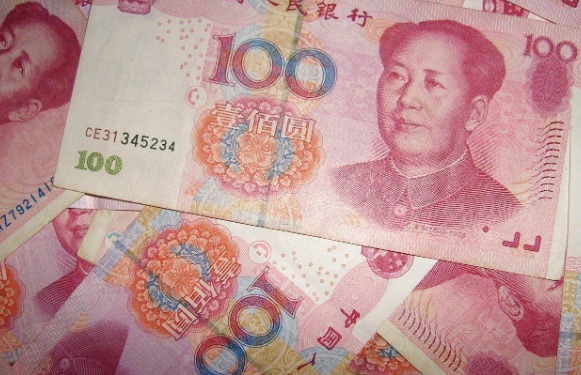
Travelling in China has become much easier in recent years, but money is still where many first-time visitors run into trouble. Cash is accepted less often than people expect, foreign cards don’t always work at the till, and the payment tools locals use were built around Chinese bank accounts. Many visitors now set up a China payment app before they arrive, so that taxis, restaurants and shops are less of a guessing game.
Different solutions suit different travellers. TenPayGo is built for overseas visitors and, according to its website, lets you pay with an international bank card, Apple Pay or a supported e-wallet. It doesn’t require a Chinese phone number or a Weixin account. Whichever option you choose, the mistakes below are worth knowing about before you go.
Relying on Cash Alone
Many travellers pack plenty of banknotes and assume that will cover them. In China’s larger cities, though, mobile payment is the default at many restaurants, shops, supermarkets and transport services. Some vendors accept cash only reluctantly, and a few small businesses may not have change.
Carrying a modest amount of cash is still sensible for emergencies and for the occasional place that prefers it. Treat it as a backup, not your main way of paying.
Assuming Your Home Card Will Work Everywhere
Visa, Mastercard and American Express are accepted at international hotels, airports and larger retailers. Outside those settings, acceptance becomes patchy. A local café, market stall or taxi driver may only have a QR code for a local wallet, and a foreign card can’t be tapped or inserted into that.
Before you travel, check which of your cards work abroad and whether your bank has set any overseas limits. It also helps to know which payment apps let you link a foreign card, so a card that can’t be swiped doesn’t leave you stuck.
Leaving Payment Setup Until You Land
Setting up a payment method in the arrivals hall, on airport Wi-Fi and after a long flight, is a common way to start a trip stressed. Verification steps, card checks and app downloads can all take longer than expected, and some services work better with a stable connection and a few minutes to spare.
It’s far easier to download your chosen app, add your card or Apple Pay, and confirm everything works while you’re still at home. Check the app’s own instructions too, since requirements for linking cards and e-wallets can differ.
Not Having a Backup Plan
Even a well-prepared traveller can hit a dead battery, a dropped signal or a declined transaction. If a single phone and a single card are your only means of payment, one failure can leave you unable to pay for a taxi or a meal.
A simple fallback plan avoids most of this:
- Carry a small amount of cash.
- Bring a second card, ideally from a different network.
- Keep a power bank in your bag.
- Save your accommodation address in Chinese so you can show it to a driver.
Overlooking Everyday Payments
Big costs like hotels and flights tend to get the planning, while small daily payments get ignored. In practice, it’s the metro rides, coffees, convenience-store snacks and short taxi trips that add up and cause most of the friction.
TenPayGo’s website lists taxis, metro, dining, shopping, supermarkets, hotels, coffee shops, bars, attractions and healthcare as places where its payments can be used. Wherever you plan to use a payment app, check beforehand that it covers the situations you’re likely to face, whether that’s a museum ticket or a late-night taxi.
Getting Lost in Translation at the Till
Money problems aren’t always about the payment method. A menu you can’t read, or a misunderstanding about price, can lead to ordering the wrong thing or paying more than you meant to. Translation tools can help here.
Ignoring Fees, Limits and Exchange Rates
Foreign transaction fees, currency conversion charges and daily spending limits can all affect what a trip really costs. These vary by bank and by payment provider, and they’re easy to overlook until the statement arrives.
Read your bank’s terms before you travel, and check the fee information inside any payment app you plan to use. If you’re comparing options, look at the total cost rather than just the headline exchange rate.
Forgetting About Security
Mobile payments are convenient, but a phone holding your payment details deserves the same care as a wallet. Use a screen lock, avoid unfamiliar public Wi-Fi for financial transactions, and enable any security features your bank or payment app offers.
It’s also worth keeping your bank’s contact details handy and telling them you’re travelling, so a normal overseas purchase doesn’t trigger an unnecessary card block.
Most money mistakes in China come down to timing and assumptions: waiting too long to set things up, or expecting payments to work as they do at home. A little preparation goes a long way. Set up your payment tools before you leave, carry a sensible backup, and check that your chosen solution covers the places you’re actually going.