
Morocco is a fascinating travel destination that combines ancient cities, beautiful coastlines, impressive mountain landscapes, and vast desert scenery. Located in North Africa, the country attracts travelers with its rich history, traditional Morocco desert tours markets, delicious cuisine, colorful architecture, and welcoming cultural traditions. Whether you enjoy exploring historic landmarks, relaxing beside the ocean, discovering local food, or experiencing outdoor adventures, Morocco offers something for almost every type of traveler.
If you are wondering where to travel in Morocco, the best approach is to explore a combination of famous cities, peaceful coastal towns, mountain villages, and natural attractions. Each destination has its own personality, making it possible to experience several different sides of the country during one trip.
1. Marrakech: Experience Morocco’s Vibrant Culture
Marrakech is one of Morocco’s most popular destinations and an excellent starting point for first-time visitors. Known for its historic medina, traditional souks, beautiful gardens, and lively public squares, the city provides an unforgettable introduction to Moroccan culture.
One of the main attractions is Jemaa el-Fnaa, a famous square filled with food stalls, performers, and local activity. Nearby, visitors can explore narrow streets lined with shops selling handmade carpets, leather products, pottery, spices, and traditional clothing.
The city also features architectural landmarks such as Bahia Palace and the historic Ben Youssef Madrasa. Travelers looking for a peaceful break can visit the Majorelle Garden, which is known for its distinctive blue buildings and carefully maintained plants.
Marrakech is particularly suitable for travelers who enjoy shopping, photography, cultural experiences, and traditional Moroccan food. Staying in a riad, a traditional house built around an interior courtyard, can also provide a memorable accommodation experience.
2. Fes: Discover Morocco’s Historic Heritage
Fes is an excellent destination for travelers interested in history, architecture, and traditional craftsmanship. Its ancient medina, Fes el-Bali, is recognized as a UNESCO World Heritage Site and contains a maze of narrow streets, historic buildings, workshops, and traditional markets.
Walking through the medina allows visitors to experience a different atmosphere from the busy streets of Marrakech. Craftspeople continue to practice traditional skills, including pottery making, metalworking, weaving, and leather production.
Visitors can admire the exterior architecture of historic religious institutions, explore traditional markets, and learn about the city’s long-standing educational and cultural heritage. The University of al-Qarawiyyin is particularly notable for its historical importance.
Fes is ideal for travelers who prefer meaningful cultural exploration rather than spending their entire holiday in modern tourist districts. A local guide can be helpful when navigating the medina and understanding the history behind its important landmarks.
3. Chefchaouen: Explore the Famous Blue City
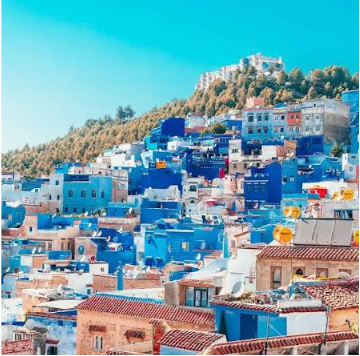
Chefchaouen is one of Morocco’s most recognizable destinations because of its blue-painted streets, mountain scenery, and relaxed atmosphere. Located in the Rif Mountains, this charming town offers a refreshing alternative to the country’s larger cities.
The medina features blue walls, colorful doors, small cafés, and artisan shops. Visitors often spend hours walking through its peaceful streets, taking photographs, and discovering hidden corners away from the busiest areas.
The town is also a convenient base for exploring nearby natural attractions. Hiking opportunities in the surrounding mountains provide views of green valleys and rugged landscapes. Ras El Maa, a small water feature near the medina, is another popular place to visit.
Chefchaouen is particularly appealing to couples, photographers, solo travelers, and anyone seeking a slower travel experience. Spending one or two nights here can allow enough time to explore the town without rushing.
4. Sahara Desert: Enjoy an Unforgettable Adventure
For travelers seeking a dramatic natural landscape, Morocco’s Sahara Desert is a destination worth considering. Its enormous sand dunes, open skies, and quiet surroundings create a very different experience from the country’s historic cities.
Merzouga is one of the best-known gateways to the Erg Chebbi dunes. Visitors can arrange guided desert excursions, watch the changing colors of the sand at sunrise or sunset, and learn about the region’s cultural traditions.
Some organized tours include an overnight stay at a desert camp, where travelers can enjoy local meals and experience the night sky away from major urban centers. Camel excursions are also offered, although travelers can ask about alternative transportation if they prefer not to ride animals.
Another option is the Zagora area, which offers access to desert landscapes and traditional communities in southeastern Morocco.
The journey to the desert can be long, particularly from Marrakech or Fes, so it is sensible to plan enough time for travel and rest. A reputable tour operator can help arrange transportation, accommodation, and suitable activities.
5. Casablanca: Experience Modern Moroccan Life
Casablanca is Morocco’s largest city and an important commercial center. While it may not have the same traditional atmosphere as Marrakech or Fes, it offers an interesting perspective on contemporary Moroccan life.
The city’s most famous landmark is the Hassan II Mosque, an impressive structure overlooking the Atlantic Ocean. Visitors should check current visiting arrangements and dress requirements before planning a tour.
Casablanca also features modern shopping centers, seaside promenades, restaurants, and neighborhoods that reflect a mix of architectural influences. The Corniche area is popular for ocean views and dining.
Travelers interested in urban culture, contemporary architecture, and business districts may find Casablanca worthwhile. It can also be a practical stop for visitors arriving by international flight before continuing to other destinations.
6. Essaouira: Relax by the Atlantic Ocean
Essaouira is a coastal city known for its historic fortifications, fishing harbor, sandy beaches, and laid-back atmosphere. It is an excellent choice for travelers who want to combine cultural sightseeing with time beside the sea.
The old medina features whitewashed buildings, blue doors, artisan workshops, and small restaurants. Its historic ramparts provide views of the Atlantic Ocean, while the harbor offers opportunities to observe traditional fishing activity.
Fresh seafood is one of the city’s culinary highlights. Visitors can also browse local art galleries, purchase handmade crafts, and enjoy walks along the beach.
Because of its coastal winds, Essaouira is popular with windsurfing and kitesurfing enthusiasts. However, swimming conditions can vary, so visitors should pay attention to local safety guidance.
The city is especially suitable for travelers seeking a relaxed holiday away from the intensity of larger urban centers.
7. Atlas Mountains: Discover Morocco’s Natural Beauty
The Atlas Mountains offer some of the country’s most impressive scenery. Located within reach of Marrakech, the High Atlas region features mountain villages, terraced farmland, valleys, and hiking routes.
Imlil is a popular base for exploring the surrounding mountains and arranging guided walks. Travelers can experience rural landscapes, learn about Amazigh culture, and enjoy views of the surrounding peaks.
For visitors who enjoy outdoor activities, the region offers hiking opportunities suitable for different experience levels. More challenging routes may require a qualified guide, appropriate equipment, and careful attention to weather conditions.
The Atlas Mountains are also an excellent place to experience a quieter side of Morocco. Staying in a mountain guesthouse can provide opportunities to sample home-style meals and learn about local traditions.
Spring and autumn are often comfortable seasons for hiking, although conditions depend on altitude and the specific route.
8. Tangier: Explore the Meeting Point of Cultures
Tangier sits near the Strait of Gibraltar, where the Mediterranean Sea meets the Atlantic Ocean. Its geographical position has made it an important meeting point for different cultures, trading networks, and artistic influences.
Visitors can explore the historic medina, walk through the Kasbah, and enjoy views across the water. The Grand Socco is another notable area, connecting parts of the modern city with the old town.
Nearby attractions include Cap Spartel, where the Atlantic and Mediterranean regions meet geographically, and the Caves of Hercules, a well-known coastal landmark.
Tangier is a good choice for travelers interested in history, seaside scenery, and a mix of Moroccan and international influences. It can also be a convenient destination for people arriving from southern Spain by ferry.
9. Ouarzazate: Explore Morocco’s Cinematic Landscapes
Ouarzazate is often associated with desert scenery, historic kasbahs, and film production. Located southeast of the High Atlas Mountains, it provides access to landscapes that have appeared in numerous international film and television productions.
A major nearby attraction is Ait Ben Haddou, a historic fortified settlement recognized as a UNESCO World Heritage Site. Its traditional earthen architecture and hillside setting make it one of Morocco’s most striking cultural landmarks.
Visitors can explore the settlement respectfully, learn about its architectural heritage, and appreciate the surrounding desert-edge scenery.
Ouarzazate also serves as a useful base for road trips through southern Morocco. The journey itself can be an attraction, with mountain passes, valleys, and traditional villages along the way.
This destination is particularly appealing to photography enthusiasts, history lovers, and travelers interested in landscapes beyond Morocco’s major cities.
10. Agadir: Enjoy Beaches and Coastal Activities
Agadir is a modern coastal destination known for its broad sandy beach, sunny climate, and resort facilities. It is well suited to travelers looking for relaxation, family-friendly activities, and convenient accommodation.
The beachfront promenade features cafés, restaurants, and places to walk beside the ocean. Visitors can also explore local markets, enjoy seafood, or arrange excursions into the surrounding countryside.
Agadir is a popular destination for surfing and other water-based activities, although conditions vary with the season and location. Nearby coastal areas offer additional opportunities for travelers who want to explore beyond the main resort district.
Compared with cities such as Fes, Agadir generally offers a more beach-focused holiday experience. It is a good option for people who want to spend less time navigating historic streets and more time relaxing by the sea.
Best Time to Visit Morocco
The best time to visit Morocco depends on the destinations and activities included in your itinerary.
- Spring (March to May): Often offers comfortable conditions for sightseeing, exploring cities, and hiking in many regions.
- Autumn (September to November): Generally suitable for cultural trips, coastal visits, and desert excursions, although local conditions vary.
- Summer (June to August): Can be very hot in inland cities and desert regions, while some coastal destinations remain more temperate.
- Winter (December to February): Can be pleasant for sightseeing in some cities, but mountain areas may experience snow and cold weather.
Travelers planning desert excursions should check seasonal temperatures carefully. Packing layers is useful because daytime and nighttime temperatures can differ significantly.
How to Plan a Morocco Travel Itinerary
A well-planned itinerary helps visitors experience Morocco without spending too much time traveling between distant destinations.
For a one-week holiday, consider concentrating on Marrakech, the Atlas Mountains, and Essaouira. Travelers who prefer history and architecture could combine Fes, Chefchaouen, and Tangier instead.
With ten to fourteen days, it becomes more practical to include additional destinations, such as the Sahara Desert, Ait Ben Haddou, or Casablanca. However, road journeys between regions can take several hours, so avoid filling every day with a different city.
Before departure, check visa requirements, transportation schedules, accommodation options, and any local travel advisories that may affect your plans. Respecting local customs, dressing appropriately at religious sites, and asking permission before photographing people can also help create a positive travel experience.
Conclusion
Deciding where to travel in Morocco depends on the kind of experience you want. Marrakech offers lively markets and historic architecture, Fes provides deep cultural heritage, and Chefchaouen charms visitors with its blue streets. The Sahara Desert delivers dramatic landscapes, while Essaouira and Agadir offer coastal relaxation. Meanwhile, the Atlas Mountains, Tangier, Casablanca, and Ouarzazate reveal additional dimensions of the country’s geography and culture.
Rather than trying to visit every destination in a single trip, choose a few places that match your interests and allow enough time to enjoy them. With thoughtful planning, Morocco can provide a memorable combination of history, adventure, nature, and authentic cultural experiences.