

Introduction to Travel Insurance
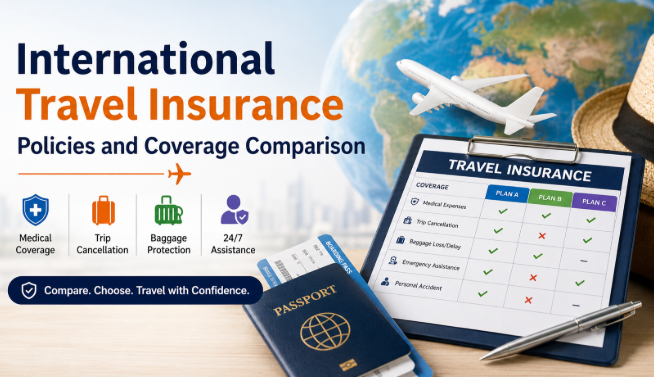
International travel insurance is a financial safeguard that provides coverage for potential risks travelers may encounter while abroad. This type of insurance is essential for anyone planning to travel internationally, as it offers protection against a variety of unforeseen circumstances, including medical emergencies, trip cancellations, and lost luggage. Understanding the significance of international travel insurance can help travelers make informed decisions regarding their safety and financial security.
One of the primary purposes of travel insurance is to cover medical expenses incurred while traveling. Healthcare systems vary widely across the globe, and most travelers may not have access to their home country’s health insurance. Consequently, international travel insurance usually includes coverage for emergency medical treatment, hospitalization, and medical evacuation, providing peace of mind for those venturing far from home.
In addition to health-related coverage, travel insurance also typically includes benefits for trip cancellations or interruptions. This provision becomes crucial in situations where travelers are forced to change their plans due to unforeseen events such as natural disasters, severe illness, or personal emergencies. Moreover, many policies also cover travel delays and missed connections, ensuring that financial losses are minimized in challenging scenarios.
Coverage for lost, stolen, or damaged baggage is another vital aspect of international travel insurance. Losing valuable belongings while traveling can significantly disrupt a trip and result in hefty replacement costs. Travel insurance provides compensation for such incidents, easing the financial burden on travelers.
In summary, safeguarding oneself with appropriate travel insurance should be a priority for anyone planning an international journey. Its comprehensive protection against various risks not only enhances the confidence of travelers but also contributes to a more enjoyable and stress-free experience abroad.
Types of Travel Insurance Policies
Travel insurance is essential for safeguarding against the unpredictable elements of international journeys. Various types of travel insurance policies cater to different needs, each offering unique protections.
Trip cancellation insurance is one of the most sought-after forms of travel insurance. This policy reimburses travelers for non-refundable expenses if they need to cancel their trip due to unforeseen circumstances, such as illness or emergencies. By covering the costs associated with trip cancellations, this type of insurance can significantly reduce potential financial losses.
Medical insurance is another crucial travel insurance option, especially for international travelers. This policy provides coverage for medical expenses incurred while traveling abroad, from hospital stays to emergency treatments. It is vital to have robust medical insurance, as medical costs can vary greatly by country and may be exorbitantly high, making this protection indispensable.
Baggage insurance, also known as luggage protection, covers the loss, theft, or damage of personal belongings. If travelers find themselves without their baggage or if it becomes damaged, this insurance can provide financial reimbursement to replace essential items. This is particularly important for longer trips where the loss of personal items can affect the overall travel experience.
Emergency evacuation coverage is essential for those venturing into remote areas or regions with limited medical facilities. This insurance helps cover the costs of transportation to the nearest adequate medical facility in case of a medical emergency. The necessity of emergency evacuation coverage cannot be overstated, particularly for adventure travelers.
Understanding these types of travel insurance policies is crucial for any traveler looking to protect their investment and well-being during their adventures abroad.
Key Factors to Consider When Choosing a Policy
When selecting a travel insurance policy, there are several key factors that travelers should consider to ensure they receive adequate coverage during their international adventures. Understanding these factors can significantly impact your travel experience and financial security.
Coverage Limits: One of the most critical components of any travel insurance policy is the coverage limits it provides. This refers to the maximum amount the insurer will pay for covered expenses, such as medical emergencies, trip cancellations, or lost luggage. Assess your travel plans and potential risks to choose a policy with sufficient coverage that aligns with your needs.
Deductibles: Evaluate the deductible amount stipulated within the policy. A deductible is the sum that the insured must pay out-of-pocket before the insurance coverage kicks in. Comparing different policies will help you determine which deductible amount you are comfortable accepting while weighing it against the overall premium costs.
Exclusions: Understanding what is excluded from coverage is crucial. Different policies may have various limitations, such as restrictions on specific activities (e.g., extreme sports) or coverage for pre-existing conditions. Carefully read through these exclusions to avoid any unpleasant surprises when you need to file a claim.
Customer Reviews: Researching customer feedback is a valuable exercise when comparing different travel insurance policies. Reviews can provide insights into the insurer’s responsiveness, claims process, and overall customer satisfaction. A company with positive reviews typically indicates a reliable and trustworthy service.
Insurer’s Reputation: Finally, consider the overall reputation of the insurance provider. Established insurers with a strong track record in the industry are usually more reliable. Look for companies that are financially stable, as this indicates their ability to pay claims, which is crucial in times of need.
By evaluating these critical aspects, travelers can make informed decisions regarding their travel insurance policies, ensuring peace of mind throughout their international journeys.
Comparing Coverage Options
When selecting an international travel insurance policy, it is imperative to examine the nuances of coverage options provided by various insurance companies. A comprehensive comparison enables travelers to make informed decisions, ensuring that they are adequately protected during their journeys. One of the primary aspects to consider is medical emergency coverage, which typically includes hospitalization costs, emergency medical evacuation, and sometimes coverage for pre-existing conditions. However, the specifics can vary greatly between insurers. Some policies offer higher limits on medical expenses, while others may have exclusions that travelers should scrutinize closely.
Aside from medical emergencies, trip cancellation coverage is another significant element. This type of coverage can reimburse travelers for non-refundable expenses if a trip is canceled due to unforeseen circumstances, such as illness, natural disasters, or family emergencies. Different companies have varying definitions of what constitutes a valid reason for cancellation, so it is essential to compare these stipulations before purchasing a policy.
Another common concern for travelers is the possibility of lost or delayed luggage. Policies differ in the coverage they offer for lost belongings, including the amount reimbursed and the process for filing claims. Some insurance providers may include provisions for essential items purchased due to luggage delays, while others might not offer such assistance. Furthermore, a thorough analysis of coverage limits and exclusions brings clarity to the level of protection travelers can expect in uncommon situations, such as trip interruptions or travel delays.
In conclusion, comparing coverage options across different international travel insurance companies is vital for attaining peace of mind while traveling. By understanding the nuances of medical coverage, trip cancellation policies, and luggage protection, travelers can select policies that best fit their individual needs, ensuring a safe and enjoyable journey abroad.
Cost Analysis of Travel Insurance Policies
When considering international travel insurance, understanding the costs associated with different policies is crucial. The price of travel insurance can vary significantly based on several key factors. One of the primary determinants is the duration of the trip; longer trips typically incur higher insurance premiums. This is largely because the risk associated with travel increases with time, prompting insurers to charge accordingly.
The destination also plays a vital role in determining the cost of travel insurance policies. Traveling to countries with higher healthcare costs or political instability may lead to increased premiums. For instance, a trip to a European country may not be as expensive to insure as one to a developing nation where healthcare access and costs can be more unpredictable. Additionally, travelers should consider that certain high-risk destinations may necessitate specialized coverage, which could further elevate policy costs.
Another essential factor influencing travel insurance pricing is the age of the traveler. Older travelers often face higher premiums due to associated health risks and the likelihood of requiring medical attention while abroad. Insurers generally assess age as a significant risk factor, leading to customized pricing structures to accommodate these risks.
Specific coverage needs are also critical; for example, travelers may wish to include additional protections such as adventure sports coverage or cancel-for-any-reason insurance, which can increase the overall cost of the policy. It is essential to evaluate the balance between cost and coverage to ensure adequate protection throughout the journey.
In conducting a cost comparison based on different types of trips, travelers can find diverse options that match their financial constraints. Budget travelers may opt for minimal coverage, while those seeking comprehensive protection might invest in more extensive policies. The key is to assess individual needs carefully and choose a travel insurance policy that provides sufficient coverage at a reasonable cost.
Common Exclusions in Travel Insurance Policies
When considering international travel insurance, it is imperative for travelers to be aware of the common exclusions that might affect their coverage. Understanding these exclusions can prevent unexpected surprises when filing a claim, ultimately ensuring that travelers are better prepared for their journeys.
One of the most prevalent exclusions in travel insurance policies is the lack of coverage for pre-existing medical conditions. Insurers typically classify a pre-existing condition as any health issue that existed prior to the policy’s effective date. This categorization means that if a traveler experiences complications related to a pre-existing condition while abroad, they may find themselves financially responsible for the associated medical costs. Therefore, travelers with known medical conditions should thoroughly review their options, as some insurers may offer a rider to cover these conditions.
Additionally, high-risk activities and sports, such as skydiving, scuba diving, or rock climbing, are often excluded from standard policy coverage. If a traveler engages in these activities without obtaining additional coverage, they risk not being compensated for any injuries sustained during these exhilarating adventures. It is crucial for travelers who plan such activities to seek specialized policies or endorsements that provide the necessary protection.
Other typical limitations may include exclusions for certain natural disasters, acts of terrorism, and political unrest. Insurers may also deny claims related to travel disruptions stemming from failure to adhere to the local laws or regulations of the destination. Further, travel insurance might not cover expenses incurred when a traveler decides to change their itinerary for personal reasons. Understanding these exclusions is essential for ensuring that travelers make informed decisions regarding their insurance needs.
How to File a Claim on Travel Insurance
Filing a claim on your travel insurance policy can seem daunting, but understanding the process can help alleviate much of the stress involved. The initial step is to gather all necessary documentation. This typically includes proof of the insured event, such as medical reports, receipts for any expenses incurred, a copy of your travel insurance policy, and any relevant airline or hotel correspondence. Ensuring you have these documents organized and readily available will expedite the claims process.
Once you have assembled your documentation, you will need to contact your travel insurance provider. Most insurers offer an online portal or a dedicated claims department where you can initiate your claim. It is crucial to file your claim promptly, as many policies have strict timelines for submission following the occurrence of an incident. Generally, you should file your claim as soon as possible, often within 30 days, but refer to your specific policy for exact requirements.
After submitting your claim, you may face varying timelines for reviews. Some claims may be processed quickly, while others, particularly those requiring extensive documentation or investigation, may take longer. Be sure to keep records of any correspondence and follow-ups regarding your claim. If you encounter difficulties or your claim is denied, review the insurance policy for clarification on coverage and the denial reasons. Engaging customer service might provide insights on steps to rectify the situation. Furthermore, if necessary, consider appealing the decision, presenting additional evidence to support your claim.
By understanding the claims process and preparing thoroughly, you can navigate this crucial aspect of your travel insurance with confidence, ensuring you receive the compensation you deserve for any unforeseen incidents during your travels.
Real-Life Scenarios and Case Studies
Travel insurance serves as a vital safety net for travelers, providing coverage that can protect against unforeseen incidents. Numerous real-life scenarios highlight the importance of having travel insurance while journeying to foreign lands.
Consider a case where a traveler embarks on a vacation in Europe. Shortly before their departure, the traveler’s family member falls ill, necessitating cancellation of the trip. With an appropriate travel insurance policy in place, the traveler is able to recoup non-refundable expenses, such as flight tickets and hotel reservations, thereby minimizing financial loss due to this unexpected event. Such scenarios underscore the importance of having trip cancellation coverage, which is a key component of many international travel insurance plans.
Another striking example involves a tourist visiting Thailand who suffers from a sudden medical emergency during their stay. While exploring the local culture, they experience severe abdominal pain and are rushed to a hospital. The medical costs in a foreign country can be exorbitant, but thanks to their travel insurance, the necessary medical treatments and hospital stays are fully covered. This case demonstrates the significance of obtaining medical coverage as part of travel insurance, especially in countries where healthcare expenses can be a financial burden.
In another instance, a group of friends traveling to South America loses their luggage during transit. This disrupts their travel plans severely, as they have no extra clothing or essentials. However, their travel insurance provider compensates them for the lost items and offers reimbursement for the essentials purchased while their luggage is located. This highlights the relevance of travel insurance covering personal belongings and baggage delays, which can significantly enhance the travel experience by reducing stress and worry.
These scenarios illustrate just a few ways in which travel insurance can be instrumental in mitigating risks associated with international travel. Such policies not only help in easing the financial burden but also offer peace of mind, allowing travelers to focus on enjoying their adventures.
Conclusion: Making an Informed Choice
In the realm of international travel, securing the appropriate travel insurance policy is an essential step that should not be overlooked. Throughout this article, we have explored the various facets of travel insurance, highlighting the importance of understanding the different coverage options available. Travel insurance serves as a safety net, protecting travelers from unforeseen circumstances that may arise during their trips, such as medical emergencies, trip cancellations, or lost baggage.
We discussed the significance of comparing various travel insurance policies, as not all plans provide the same level of coverage and benefits. Factors to consider include the extent of medical coverage, emergency assistance services, coverage for trip disruptions, and policy exclusions. By thoroughly evaluating these components, travelers can identify the insurance that best aligns with their specific travel needs.
Furthermore, it is vital for travelers to take into account their individual situations and health considerations, which may influence the type of coverage they require. Engaging in comprehensive research and assessing multiple options will empower travelers to make informed decisions, ensuring they select the most suitable travel insurance policy. Remember that investing time into understanding the nuances of travel insurance can save travelers from significant financial hardships and inconveniences in the long run.
In conclusion, navigating the landscape of travel insurance can initially seem overwhelming; however, it is a necessary component of international travel that warrants careful consideration. A well-informed choice in travel insurance not only provides peace of mind but also safeguards against potential risks inherent in travel. As you prepare for your next adventure, prioritize reviewing and comparing travel insurance plans, ensuring you are adequately protected throughout your journey.