
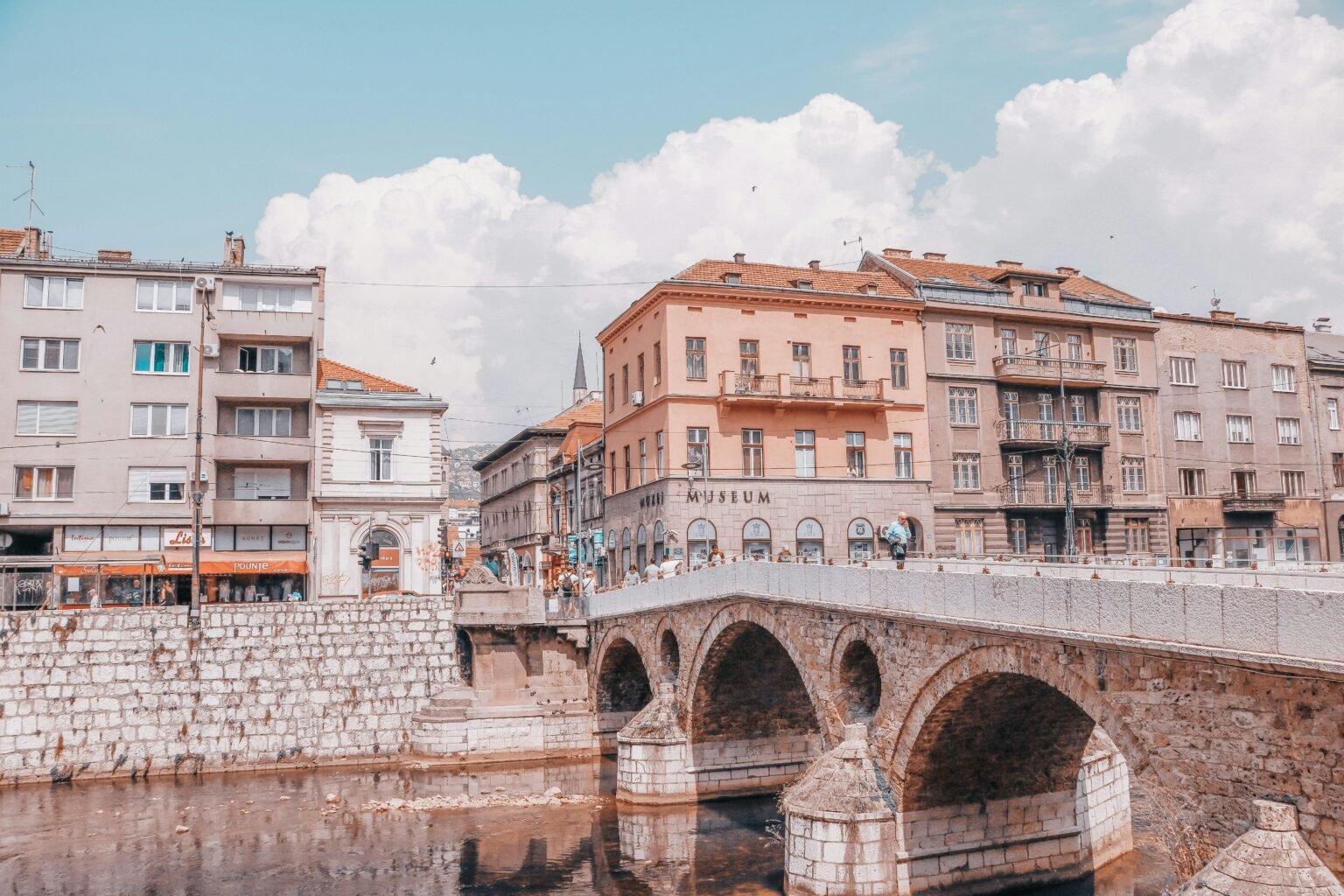
Serbia does not get talked about as much as France or Italy. But for budget travelers, that is actually great news. Fewer tourists mean lower prices, less crowded streets, and a more real travel experience.
Serbia sits in the heart of the Balkans. It has ancient fortresses, lively cities, green mountains, and river canyons. And the best part? You can explore all of it without spending a lot of money.
In 2026, a budget traveler can get by on $30–50 per day in Serbia. That includes a bed, food, local transport, and most attractions. Compare that to $150+ per day in Western Europe, and Serbia starts to look like a smart choice.
Understanding Serbia’s Cost of Living for Travelers
Good Serbia vacation planning always starts with knowing your numbers. Before you pack your bag, it helps to understand what things actually cost in Serbia.
Serbia uses the Serbian Dinar (RSD). As of 2026, roughly 100 RSD equals about $1 USD. Always check the current rate before you travel.
On average, hotel and accommodation in Serbia costs 58% less than in the United States. Supermarket food costs about 46% less, and leisure activities cost around 44% less.
Here is a quick daily budget breakdown:
| Traveler Type | Estimated Daily Cost |
| Backpacker / Shoestring | $25–35/day |
| Budget (comfortable) | $40–55/day |
| Mid-range | $70–100/day |
And here is what common things actually cost:
| Item | Approximate Cost |
| Hostel dorm bed (Belgrade) | $8–15/night |
| Local meal at a kafana | $4–8 |
| Burek from a bakery | $1–2 |
| Intercity bus (Belgrade–Novi Sad) | $5–7 |
| Museum entry fee | $3–5 |
| Local beer at a bar | $1.50–2.50 |
| City transport in Belgrade | Free (since Jan 2025) |
A one-week trip to Serbia for one person costs on average around $347, including accommodation, food, local transport, and sightseeing.
Best Time to Visit Serbia on a Budget
- April–May: Mild weather, lower prices, fewer crowds
- September–October: Same benefits — ideal shoulder season
- July–August: Hot, busy, and slightly more expensive (especially during EXIT Festival in Novi Sad)
- November–February: Cheapest prices, but cold weather
Currency Tips
- Exchange money at banks or authorized exchange offices — not at the airport
- Many small restaurants, markets, and local shops are cash-only
- ATMs are widely available in cities — use local bank ATMs to avoid high fees
- Do not rely on card payments in rural areas
Cheap Accommodation in Serbia: Where to Sleep Without Breaking the Bank
Serbia has a wide range of budget accommodation. You do not need to spend much to sleep comfortably.
Hostels — The Go-To Option for Budget Travelers
Belgrade has a strong hostel scene. You can find clean dorm beds starting from around $8–15 per night. Many hostels are in the city center, close to main attractions.
One night in a hostel in Belgrade costs around $15 on average, though prices vary based on amenities and location.
Some well-known budget options in Belgrade include:
- ArkaBarka Floating Hostel — unique stay on a floating house on the Danube River
- Hostel Fine — social atmosphere, central location
- Green House Hostel — good value, popular with backpackers
- Cricket Park Hostel — known for a friendly vibe
In Novi Sad, hostels start from around $11–12 per night, and many are housed in historic buildings in the heart of the old town.
In Niš, hostels are even cheaper — you can find beds for under $10.
Guesthouses and Family Pensions
Guesthouses, called pansion in Serbian, are a great mid-ground option. They are family-run, affordable, and often include breakfast.
Countryside homestays in rural areas like Tara or Zlatibor are surprisingly affordable and often come with perks like homemade breakfasts and insider tips on local hiking trails.
Getting Around Serbia Without Spending a Fortune
Serbia has a solid transport network. Getting around is easy and, in some cases, completely free.
City Transport in Belgrade — Now 100% Free
This is one of the biggest wins for budget travelers in Serbia right now. As of January 1, 2025, public transportation in Belgrade is free for all passengers. This covers all city and suburban lines, including buses, trams, trolleybuses, and the BG Train.
With a population of 1.7 million, Belgrade has become the largest European city to offer completely free public transport.
This means you can hop on a bus or tram anywhere in the city at zero cost. You do not need a ticket or a card.
Important exceptions:
- Minibus Express Lines (E1, E2, E6, E9): 200 RSD per ride. The A1 Airport Express Bus (Slavija Square to Nikola Tesla Airport): 400 RSD per ride.
Use Google Maps to plan your routes. It works well for Belgrade’s bus and tram network.
Intercity Travel by Bus
Buses are the most popular and budget-friendly way to travel between Serbian cities.
Buses are the quickest and most reliable way to travel between cities in Serbia. They are more frequent than trains and usually cheaper too.
Key routes and approximate prices:
| Route | Approx. Cost |
| Belgrade → Novi Sad | $5–7 |
| Belgrade → Niš | $7–10 |
| Belgrade → Zlatibor | $8–12 |
| Belgrade → Subotica | $6–8 |
- The main Belgrade bus station is now located in New Belgrade (the old Železnička station was demolished in 2024)
- Book tickets at the station or through FlixBus for cross-border routes
- For domestic routes, just show up and buy at the counter
Train Travel
Serbia Railways (Srbija Voz) is slower than buses, but cheaper on some routes and scenic on others.
The Belgrade–Novi Sad train is comfortable and affordable. The Belgrade–Niš route takes longer by train but gives you a relaxed journey through Serbian countryside.
Trains are a good option if you are not in a hurry and want to enjoy the landscape.
Taxis and Ride-Sharing Apps
Taxis in Serbia are affordable by European standards. In Belgrade, taxi fares start at around 2.5€ and the taximeter adds a per-kilometer charge based on the rate.
Always use:
- CarGo app — the most reliable ride-hailing app in Serbia
- Pink Taxi — another reputable option
- Avoid unlicensed taxis at tourist spots — always agree on the meter
In rural areas, shared taxis are often cheaper and more convenient than private taxis.
Getting to Serbia on a Budget
- Budget airlines: Wizz Air and Ryanair fly to Belgrade Nikola Tesla Airport from many European cities
- Overland buses: FlixBus and regional operators connect Belgrade with Budapest, Sarajevo, Sofia, and Skopje at low fares
- Airport to city center: The A1 express bus costs 400 RSD (~$4). A taxi from the airport to the center costs around $15–20.
Affordable Attractions: Experience Serbia’s Culture for Less
Serbia is full of things to see and do. And a large number of its best attractions are free or cost very little.
Belgrade — Free and Cheap Things to Do
Kalemegdan Fortress Kalemegdan is an old stronghold with free entry, where you can explore historical sites, enjoy beautiful views, and stroll through a large park. It sits at the meeting point of the Sava and Danube rivers. Start your Belgrade visit here.
Knez Mihailova Street This is the main pedestrian street in Belgrade. It is lined with cafes, street performers, and neoclassical buildings. Free to walk, great for people-watching.
Ada Ciganlija Ada Ciganlija is a river island known as the “Sea of Belgrade.” Entrance is free. It has beaches, swimming areas, water-skiing, kayaking, tennis courts, and basketball courts. Perfect for a cheap summer day out.
Temple of Saint Sava The Temple of Saint Sava is one of the largest Orthodox churches in the world. Its architecture and interior are impressive, and entry is free.
Skadarlija Belgrade’s old bohemian quarter with cobblestone streets. Free to walk through. The restaurants here are tourist-priced, but the atmosphere is free to enjoy.
Nikola Tesla Museum One of Belgrade’s most popular museums. Entry is affordable (around $5–7) and the exhibits are genuinely fascinating.
National Museum and Museum of Contemporary Art Both have low entry fees of around $3–5, with student discounts available.
Free Walking Tours Free walking tours start at Republic Square, covering Knez Mihailova Street, Saborna Church, Kalemegdan Fortress, and the Skadarlija quarter. These are tip-based — pay what you think is fair.
Zemun A quiet riverside neighborhood just outside central Belgrade. Free to explore. Has a different feel from the city — more relaxed, less touristy.
Zeleni Venac Market A local produce market in the heart of Belgrade. No entry fee. Great for picking up cheap food and watching local daily life.
Novi Sad — Culture on a Budget
Novi Sad is Serbia’s second-largest city. It is one hour from Belgrade by bus and worth every cent of the $5–7 ticket.
- Petrovaradin Fortress: Free entry, stunning views over the Danube. This is where the famous EXIT Music Festival takes place every July.
- Fruška Gora National Park: Free hiking trails, monasteries, and vineyards — just 30 minutes from Novi Sad
- Old Town walking tour: Novi Sad’s old town is compact and walkable. Join a free walking tour or explore on your own.
- Novi Sad street art scene: Growing and completely free to appreciate as you walk around
If you visit during EXIT Festival, book your accommodation months in advance and buy tickets early for the best prices.
Nature and Day Trips on a Budget
Serbia has national parks, river canyons, and mountain resorts that most budget guides skip. Here are the best:
Đerdap National Park (Iron Gates Gorge) One of the most dramatic landscapes in the Balkans. The Danube cuts through limestone cliffs to form Europe’s longest river gorge. Entry is low-cost and camping is available nearby.
Studenica Monastery A UNESCO World Heritage Site in the mountains of central Serbia. Entry is free. The 12th-century monastery is one of the finest examples of medieval Serbian architecture.
Tara National Park Dense forests, river valleys, and mountain views. Budget guesthouses nearby cost $15–25 per night. Hiking trails are free.
Uvac Canyon Famous for its tight meanders (S-shaped river bends) and griffon vultures. A boat tour through the canyon costs around $10–15. Well worth it.
Resavska Cave (Resava Cave) Near the town of Despotovac. One of Serbia’s most impressive caves. Guided entry costs around $5–8.
Golija Nature Reserve A UNESCO Biosphere Reserve in southwest Serbia. Great for birdwatching, wildflower meadows, and quiet hiking. Very few tourists and very low costs.
Eating Well in Serbia Without Emptying Your Wallet
Serbian food is hearty, tasty, and cheap. You can eat very well here without spending much at all.
Street Food and Bakeries (Pekara)
The pekara (bakery) is the budget traveler’s best friend in Serbia. There is one on almost every street corner, and most are open 24 hours.
Burek — a flaky pastry filled with cheese, meat, or spinach — is found in bakeries for about $1–2. It is filling and delicious. Order it with a glass of jogurt (drinking yogurt) on the side for under $2 total.
Other cheap street foods to try:
- Ćevapi — grilled minced meat sausages served with flatbread and raw onion (~$2–3)
- Pljeskavica — a Serbian-style burger patty, often massive (~$3–4)
- Both ćevapi and pljeskavica cost around 2.5€ at most local spots
- Gibanica — egg and cheese pie, great for breakfast (~$1–2)
- Proja — cornbread, very cheap and very filling
- Savory pancakes from street stands (~$1.50)
Dining at a Kafana
A kafana is a traditional Serbian tavern. Think simple wooden furniture, folk music, grilled meat, and cold beer. This is where locals actually eat.
A local meal in a cheap restaurant costs $9–11. A 3-course meal in a good restaurant runs around $20–30.
At a kafana, you can usually get:
- Pasulj (bean soup with smoked meat) — under $3
- Sarma (stuffed cabbage rolls) — $4–6
- Roštilj (grill platter with mixed meats) — $6–10
- A large local beer — $1.50–2
To find a kafana locals use — not a tourist-facing one — walk a few blocks away from the main squares. Look for handwritten menus in Serbian. That is usually a good sign.
Local Markets — Fresh and Affordable
Local markets are a great way to eat cheaply and experience daily life in Serbia.
At Zeleni Venac market in Belgrade, you find fruits, vegetables, cheeses, and meats for $0.50–2 per pound, depending on the season.
Other good markets:
- Kalenić Market — Belgrade’s neighborhood market, very local feel
- Zemun Market — quieter, beside the Danube
- Buy kajmak (creamy dairy spread) and local honey directly from vendors — both are excellent and cheap
If your hostel has a shared kitchen, buy ingredients from the market and cook your own meals. You can eat for under $5 a day this way.
Drinks on a Budget
- Rakija — Serbian fruit brandy. Often offered as a welcome drink for free. Buy a bottle from a market for under $5.
- Jelen and Lav beer — the two main local beers. Cheap and widely available. Around $1.50 at a kafana.
- Serbian wine — the Župa and Tikveš regions produce affordable, quality wine. Buy bottles from a local shop rather than a restaurant.
- Avoid ordering drinks at tourist-heavy cafes right on main squares — the markup is real.
Money-Saving Dining Tips
- Order the dnevni meni (daily lunch menu) at restaurants — usually includes soup, a main dish, and bread for under $6
- Cook at your hostel a few nights per week to balance the budget
- Avoid restaurants directly on Skadarlija — they charge tourist prices
- Ask hostel staff where they personally eat. That advice is worth more than any review app.
Conclusion — Serbia Rewards the Budget-Conscious Traveler
Serbia gives you a lot for very little. Free city transport in Belgrade, cheap hostels, $1 burek from the corner bakery, UNESCO monasteries with no entry fee, and mountain landscapes that cost nothing to hike through.
It is not flashy. It does not try to impress you. But it delivers — on culture, food, nature, and value.
Serbia is one of Europe’s best-value destinations, with low-cost food, affordable hotels, and cheap transportation — especially outside peak summer weeks.
Start your Serbia vacation planning now — lock in your flights during shoulder season (April–May or September–October), book your hostel in Belgrade, and let the rest unfold naturally. Your budget will go further here than almost anywhere else in Europe.