

Introduction to Luxury Eco-Tourism
Luxury eco-tourism represents a significant evolution in the travel industry, combining high-end experiences with a commitment to sustainability. This niche focuses on providing travelers with exceptional accommodations and services while ensuring that these offerings do not detract from the environmental integrity of the destinations. As travelers become increasingly conscious of their carbon footprints, luxury eco-tourism has gained immense popularity, offering an alternative that prioritizes both relaxation and responsible travel.
The core principle of luxury eco-tourism is to create an experience that respects and enhances the natural surroundings. Resorts often incorporate local cultures, authentic experiences, and sustainable practices that not only appeal to affluent travelers but also foster positive relationships with local communities and ecosystems. Instead of traditional tourist activities that may be detrimental to the environment, eco-tourism resorts offer alternatives that promote conservation and education.
This growing sector is evident through the increasing number of eco-friendly lodges and resorts worldwide, which provide amenities synonymous with luxury while promoting ecological awareness. Features such as renewable energy sources, organic food production, and waste reduction initiatives are common among these establishments. Moreover, many eco-tourism resorts engage in conservation efforts by supporting local wildlife habitats and involving guests in community projects. By blending luxury with a clear focus on environmental responsibility, these resorts attract discerning travelers who seek both indulgence and a meaningful connection to the places they visit.
Thus, as the modern traveler navigates their options, the allure of luxury eco-tourism continues to rise, making it a crucial part of the dialogue surrounding sustainable travel and its future.
Key Elements of Sustainable Practices in Luxury Resorts
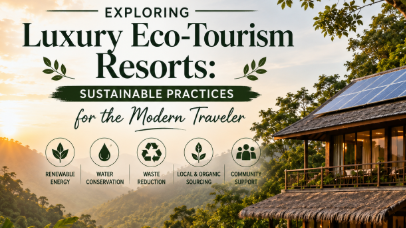
Luxury eco-tourism resorts are increasingly adopting a range of sustainable practices to mitigate their environmental footprint while providing high-quality experiences for their guests. One of the primary elements of these sustainable practices is energy efficiency. Many resorts have integrated renewable energy sources, such as solar panels and wind turbines, to power their operations. By utilizing alternative energy solutions, they can significantly reduce reliance on fossil fuels and lower greenhouse gas emissions.
Water conservation is another crucial aspect of sustainable practices in luxury resorts. Given the growing concerns around water scarcity, these establishments are implementing advanced water management systems. This includes rainwater harvesting, greywater recycling, and efficient irrigation practices for landscaping. By minimizing water usage while maintaining lush surroundings, resorts can meet the needs of their guests without compromising the environment.
Waste management also plays a critical role in promoting sustainability. Luxury eco-tourism resorts are focusing on minimizing waste through comprehensive recycling and composting programs. They strive to reduce single-use plastics by offering alternatives and encouraging guests to participate in sustainability initiatives. Moreover, effective waste segregation ensures that recyclable materials are appropriately processed, contributing to a circular economy.
Lastly, sourcing local materials and food is essential for fostering sustainability in luxury resorts. By procuring ingredients from local farmers and artisans, resorts not only support the regional economy but also reduce their carbon footprint associated with transportation. This commitment to local sourcing often enhances the authenticity of the guest experience, showcasing regional flavors and craftsmanship.
Overall, the adoption of energy-efficient technologies, water conservation methods, comprehensive waste management strategies, and local sourcing practices illustrates the commitment of luxury eco-tourism resorts to sustainability, appealing to the modern traveler who values environmental consciousness.
Showcase of Notable Luxury Eco-Tourism Resorts
Luxury eco-tourism has gained significant attention as a sustainable way to travel, combining opulence with eco-friendly practices. A number of resorts worldwide stand out for their commitment to environmental sustainability while still providing high-end accommodations. This section highlights a few noteworthy examples.
One of the leading establishments is the Six Senses Zighy Bay in Oman. Nestled between the dramatic mountains and a pristine beach, this resort operates on a model that embraces the surrounding nature. Six Senses utilizes solar energy, has its own herb garden for fresh cuisine, and implements responsible water management practices to reduce its environmental impact.
Another remarkable destination is the Banyan Tree Vabbinfaru in Maldives, exclusively built with sustainable materials. The resort advocates marine conservation and has initiatives to promote coral reef restoration, ensuring that not only guests enjoy the beauty of the surroundings but also that it continues to thrive for future generations. Its philosophy is deeply rooted in environmental responsibility and luxury.
The Post Ranch Inn in Big Sur, California, is recognized for its breathtaking views of the Pacific Ocean and its dedication to sustainability. The resort features eco-friendly architecture and utilizes renewable resources throughout its operations. Guests can also engage in various nature-based activities, enabling them to reconnect with the environment while enjoying a luxurious stay.
Finally, the Lapa Rios Lodge in Costa Rica serves as an inspiration for sustainable tourism practices within jungle settings. This lodge emphasizes local community involvement and conducts programs geared toward wildlife conservation. Its commitment to eco-friendly practices includes using renewable energy, supporting local businesses, and educating guests about the rich biodiversity of the region.
These exemplary resorts not only offer lavish experiences but also set high standards for sustainability in the luxury eco-tourism sector, illustrating that enjoying nature and conserving it can coexist harmoniously.
The Benefits of Staying at Eco-Luxury Resorts
Choosing to stay at eco-luxury resorts is increasingly becoming a popular option for modern travelers looking for unique experiences that align with sustainable values. These resorts not only offer lavish accommodations and exceptional service, but they also prioritize environmental conservation and support for local communities. The benefits of frequenting eco-luxury resorts are multi-faceted, enhancing the travel experience while contributing positively to the planet.
One of the primary advantages of eco-luxury resorts is the unforgettable experiences they offer. Many of these establishments are located in stunning natural settings, allowing guests to connect deeply with nature. Activities such as guided nature walks, wildlife observation, and organic farming workshops enable travelers to engage with the local ecosystem and understand the importance of preserving it. This immersive approach enhances the overall travel experience and fosters a sense of responsibility toward the environment.
Staying at eco-luxury resorts also significantly contributes to a reduced carbon footprint. These establishments often implement sustainable practices such as energy-efficient lighting, water conservation systems, and waste reduction initiatives. By choosing these eco-friendly accommodations, travelers can enjoy luxury while minimizing their environmental impact. Additionally, many eco-luxury resorts source their food and materials locally, which decreases transportation emissions and supports community agriculture.
Moreover, eco-luxury resorts have a profound impact on local communities and wildlife. By collaborating with local artisans and providing fair wages, these resorts help stimulate the economy and promote cultural heritage. Furthermore, many resorts participate in conservation efforts, protecting natural habitats and endangered species from harm. This commitment not only fosters a sense of stewardship among guests but also ensures a legacy of environmental protection and social responsibility.
In conclusion, choosing to stay at eco-luxury resorts provides travelers with a means to indulge in luxury while actively contributing to global sustainability efforts. As the eco-tourism movement continues to grow, the benefits of these resorts will only become more pronounced, making them an ideal choice for conscious travelers.
Guest Experiences: What to Expect
When visiting luxury eco-tourism resorts, guests can anticipate a unique blend of comfort and responsible travel. These establishments are designed to provide an opulent experience while maintaining a strong commitment to the environment and local communities. One of the primary attractions is the personalized service that each guest receives, ensuring that every need and desire is thoughtfully catered to. Guests often find themselves greeted with warm hospitality, where staff members are well-trained to provide attentive care, often remembering preferences and special requests.
Nature excursions are a hallmark of the eco-tourism experience, offering guests opportunities to explore the surrounding landscapes in an immersive manner. Whether it’s guided hikes through lush forests, kayaking on pristine lakes, or wildlife watching in their natural habitats, these activities are designed to foster a deeper connection with the environment. Many luxury eco-resorts emphasize educational components, promoting awareness about local ecosystems and conservation efforts, thereby enriching the guest experience.
Moreover, visitors can look forward to cultural immersion as an integral part of their stay. Many resorts collaborate with local communities, providing guests with authentic cultural experiences that include traditional cooking classes, artisanal workshops, or community tours. Such engagements not only enhance the traveler’s understanding of the destination but also contribute to the economic sustainability of indigenous groups.
In summary, a stay at a luxury eco-tourism resort promises an enriching experience where personalized service, nature excursions, and cultural immersion converge. This holistic approach ensures that guests enjoy comfort while participating in sustainable travel practices, leaving them with lasting memories and a positive impact on the environments and communities they visit.
Challenges Facing Luxury Eco-Tourism
Luxury eco-tourism resorts are increasingly popular among travelers who seek a balance between indulgence and sustainability. However, these establishments face a myriad of challenges that can undermine their principles and operational effectiveness. One pressing issue is the phenomenon of greenwashing, where resorts promote themselves as environmentally friendly without making significant changes to their operations. This misleading practice can erode consumer trust and diminish the credibility of genuinely sustainable resorts. As consumers become more discerning, the risk of being labeled as greenwashers creates pressures to adhere to authentic sustainability practices.
Another challenge is the inherent tension between luxury and sustainability. Luxury eco-tourism resorts often cater to affluent clients, which may lead to increased environmental footprints due to resource-intensive amenities and services. The demand for high-end experiences might conflict with sustainable practices, such as minimizing waste or reducing energy consumption. Therefore, these resorts must navigate the intricate balance of providing a luxurious experience while upholding their commitment to sustainability. By understanding the expectations of their clientele and integrating eco-friendly practices, these establishments can work towards a more coherent approach.
In addition to internal challenges, luxury eco-tourism resorts can also face external scrutiny from environmental groups and communities. Critics may argue that the presence of such resorts can disrupt local ecosystems or contribute to cultural commodification. As a result, it becomes essential for resorts to engage with local stakeholders and demonstrate genuine commitment to preservation efforts while promoting economic benefits for the surrounding communities. This necessitates transparent reporting on sustainability metrics and a continuous dialogue with both guests and locals.
Future Trends in Eco-Tourism
The landscape of eco-tourism is rapidly evolving, driven by factors such as consumer preference, technological advancements, and a growing awareness of environmental sustainability. As travelers become more conscientious about their ecological footprint, several key trends are anticipated to shape the future of eco-tourism.
One notable trend is the rise of digital nomadism. With the advent of remote work capabilities, many individuals are seeking destinations that not only offer aesthetic beauty but also align with their values regarding sustainability. This shift encourages eco-tourism resorts to optimize their offerings with high-speed internet, co-working spaces, and educational programs focused on local environmental initiatives. Such transformations aim to attract a demographic that seeks meaningful travel experiences while maintaining their professional commitments.
Another emerging trend involves regenerative tourism. Whereas traditional eco-tourism has often focused on conservation, regenerative tourism emphasizes the restoration of ecosystems and communities. This approach regards travelers not just as visitors but as active participants in enhancing local environments. Innovative eco-resorts may thus facilitate programs that include wildlife rehabilitation, habitat restoration projects, and collaborations with local communities. This paradigm shift highlights the importance of creating positive impacts that extend beyond mere conservation.
Furthermore, advancements in sustainable technologies will play a pivotal role in the future of eco-tourism. Cutting-edge developments, such as renewable energy sources, waste management solutions, and water conservation systems, are now being integrated into the operational frameworks of eco-resorts. These innovations not only minimize ecological impacts, but they also enhance the overall guest experience, ultimately drawing more environmentally-aware travelers.
In closing, the future of eco-tourism is poised to evolve significantly, influenced by trends like digital nomadism, regenerative tourism, and sustainable technologies, which reflect a collective aspiration towards a more responsible travel industry.
How Travelers Can Make Sustainable Choices
As the world embraces the concept of sustainability, travelers have an essential role to play in promoting eco-friendly practices during their stays at luxury resorts. Sustainable tourism amplifies environmental conservation, so making conscious choices can significantly impact local ecosystems. Here are some crucial actions travelers can take before, during, and after their trips to luxury eco-tourism resorts.
Prior to booking a trip, it is beneficial to research the resort’s sustainability policies. Luxury eco-tourism resorts often employ various green practices, such as using renewable energy sources, supporting local communities, or minimizing waste. Opt for resorts that prioritize sustainability by offering organic food options, employing eco-friendly transportation, or engaging in wildlife preservation efforts. By choosing such establishments, travelers consciously contribute to their maintenance of sustainable tourism.
During the stay, travelers should consider simple yet impactful decisions. For instance, utilize reusable water bottles and shopping bags to reduce plastic waste. Engaging in local cultural experiences rather than popularized tourist traps can also help sustain local economies. Visitors can support local artisans by purchasing handmade crafts or dining at local eateries that prioritize sourcing ingredients from nearby farms.
After returning home, the role of a responsible traveler continues. Sharing experiences via social media or travel blogs can highlight the importance of sustainability and promote eco-conscious choices among peers. Additionally, travelers can become advocates for sustainable tourism, encouraging friends and family to adopt similar practices during their trips. Taking these steps not only enhances travelers’ experiences but also fosters a sense of responsibility towards the environmental and social fabric of destinations.
Conclusion: The Importance of Eco-Conscious Travel
As the global tourism industry continues to expand, the necessity for eco-conscious travel practices becomes increasingly evident. Eco-tourism not only offers travelers unique and enriching experiences but also emphasizes the importance of protecting the natural environment, cultural heritage, and local communities. Adopting sustainable tourism practices helps to mitigate the negative impacts of conventional tourism, such as resource depletion, habitat destruction, and local community dislocation.
One of the most significant benefits of eco-conscious travel is the promotion of conservation efforts. By choosing eco-friendly resorts and destinations that prioritize sustainability, travelers contribute to the preservation of biodiversity and the protection of ecosystems. Furthermore, these traditional and natural landscapes often serve as vital habitats for numerous species, emphasizing the importance of safeguarding them for future generations. Eco-resorts frequently engage in practices such as reforestation, waste reduction, and wildlife protection, fostering a conducive environment for both nature and travelers.
Additionally, when travelers support businesses that engage in sustainable practices, they stimulate local economies and create job opportunities within communities. This, in turn, allows local cultures to thrive. Travelers can immerse themselves in authentic cultural experiences while ensuring that their presence benefits the local populace economically and socially. Maintaining this balance is essential for preserving cultural identities, especially in regions heavily influenced by advancing globalization.
In conclusion, eco-conscious travel is not merely a trend but a critical perspective that modern travelers should embrace. By prioritizing sustainable tourism, individuals help cultivate an environment where both natural landscapes and local cultures can flourish and be shared with future generations. Ultimately, eco-tourism empowers travelers to make responsible choices that resonate far beyond their immediate experiences, contributing to a more sustainable world.