

Understanding Travel Health Risks
Traveling abroad can expose individuals to various health risks that differ significantly from those encountered in their home countries. It is crucial for travelers to evaluate these risks thoroughly before embarking on their journey. One of the primary considerations is the healthcare system of the destination country. In some regions, healthcare resources may be limited, and medical facilities might not meet the same standards as those in more developed areas. Understanding the local healthcare capabilities can significantly influence health outcomes in case of illness or injury.
Prevalent diseases are another essential factor to consider. Different destinations have distinct health concerns based on endemic diseases. For example, tropical regions may pose a risk for diseases such as malaria, dengue fever, or Zika virus, while certain areas may have outbreaks of respiratory illnesses or localized infections. It is advisable for travelers to consult resources like the Centers for Disease Control and Prevention (CDC) or the World Health Organization (WHO) for updated information on endemic diseases and vaccination recommendations pertinent to their travel itinerary.
Environmental conditions should also be assessed when evaluating travel health risks. Factors such as climate, altitude, and air quality can significantly impact an individual’s health. For instance, high altitudes may lead to altitude sickness, while extreme temperatures might exacerbate pre-existing medical conditions. Furthermore, travelers should be wary of the food and water safety standards in their chosen destination, as consuming contaminated food or water could result in gastrointestinal issues or other health complications. Understanding these risks and preparing adequately will ensure a safer travel experience and minimize health-related concerns while abroad.
Pre-Trip Health Consultation
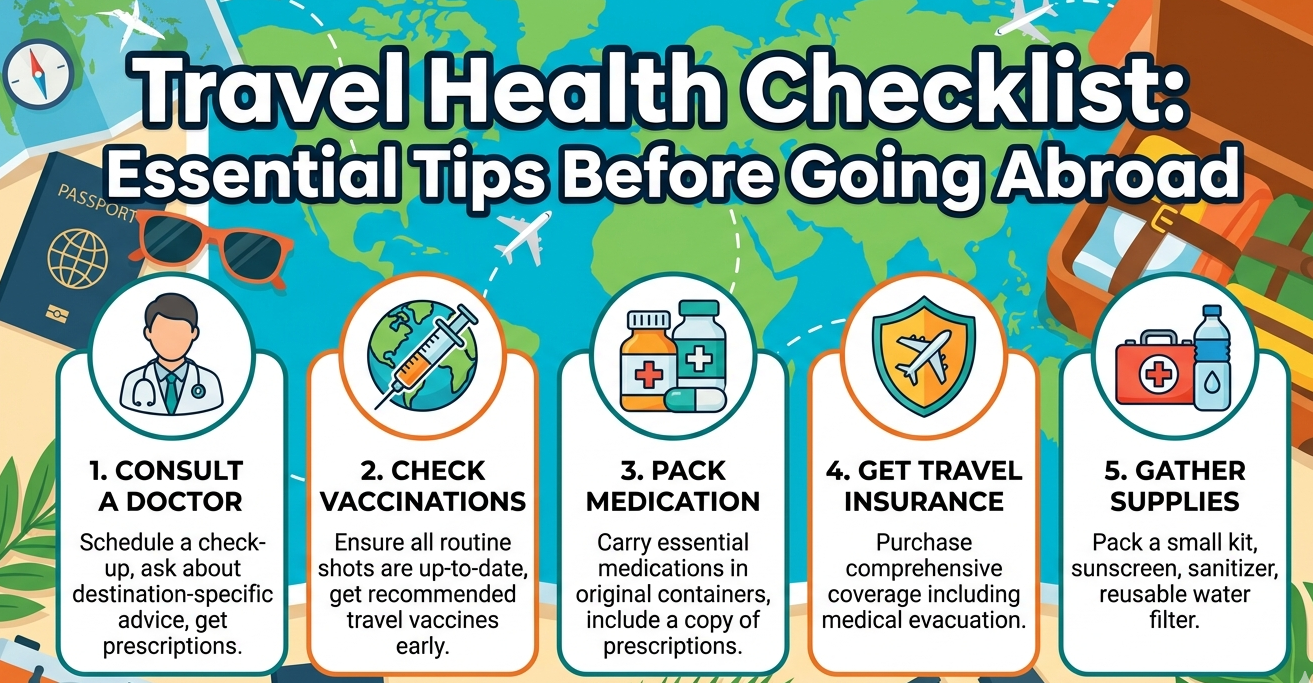
Before embarking on any international journey, scheduling a pre-trip health consultation with a qualified healthcare provider is essential. This visit can play a significant role in ensuring a safe travel experience by addressing potential health risks associated with specific destinations. During this consultation, travelers can expect a comprehensive assessment of their medical history, current health status, and any ongoing medications that may need to be adjusted for the trip.
A key aspect of the pre-trip health consultation involves vaccinations. Certain countries require specific immunizations to prevent diseases such as yellow fever, typhoid, or hepatitis A and B. Given the nature of varying health risks based on geographic location, it is vital to discuss these vaccinations well in advance of the trip, as some may require multiple doses or take time to become effective. The healthcare provider can also advise on any other health precautions that travelers should consider based on their destinations.
In addition to vaccinations, the consultation may also encompass discussions around necessary medications. If traveling to areas where there is a risk of malaria, for example, prophylactic medication may be advised. The healthcare provider can recommend suitable medications and discuss any potential side effects or interactions with existing prescriptions. Furthermore, this appointment allows for the opportunity to address concerns regarding travel-related illnesses, such as altitude sickness or gastrointestinal issues.
Overall, the pre-trip health consultation is a proactive measure that equips travelers with the necessary information and resources to mitigate health risks while abroad. By investing time in this essential step, individuals can enhance their overall well-being and enjoy their travels with greater peace of mind.
Vaccination Requirements
When planning international travel, it is essential to understand the vaccination requirements that may be necessary or recommended for your destination. Different countries have differing health regulations and vaccination protocols in place to safeguard travelers against various diseases. Common illnesses that travelers may encounter include hepatitis A, hepatitis B, typhoid, yellow fever, and dengue fever.
Hepatitis A vaccination is particularly recommended for travelers visiting regions where food and water hygiene standards may be questionable. Hepatitis B is another important vaccine, especially for those who anticipate engaging in activities that could expose them to blood or bodily fluids, such as medical procedures. Typhoid fever is a serious infection that can affect anyone traveling to areas with unsafe food and water. The vaccine for typhoid is generally recommended for those traveling to high-risk environments.
Yellow fever vaccination is mandatory for travelers visiting specific African and South American countries. Carrying an International Certificate of Vaccination may be required upon entry, highlighting the importance of checking local regulations in advance. Furthermore, dengue fever, prevalent in tropical and subtropical climates, does not have a specific vaccine widely available, but preventive measures such as mosquito repellent and proper clothing should be taken into account.
In order to mitigate risks of travel-related illnesses, consult a healthcare professional or a travel health clinic several weeks prior to departure. They can provide personalized advice based on your travel itinerary, current health status, and specific vaccination needs. Ensuring that vaccinations are up-to-date is a vital step in promoting your health and safety while abroad, ultimately enhancing your travel experience.
Travel Insurance Considerations
Obtaining travel insurance is a critical aspect of planning any trip abroad, especially regarding health-related issues. Travel insurance provides a financial safety net that covers unexpected medical emergencies, ensuring that travelers receive adequate medical care without incurring prohibitive costs. By investing in comprehensive coverage, travelers can protect themselves from a range of potential health-related incidents that could arise during their journey.
One of the most crucial types of coverage to seek is medical evacuation. This component of travel insurance is vital, as it ensures that if a traveler suffers a serious illness or injury, they can be transported safely to a medical facility capable of providing necessary treatment. In some cases, local medical facilities may not meet the required standard for proper care, making timely evacuation essential for recovery.
Additionally, trip cancellations can occur due to unforeseen health emergencies, either personal or affecting travel companions. Hence, it is important to select a policy that includes coverage for trip cancellations. This protects travelers against financial loss, covering non-refundable expenses should a trip have to be canceled due to significant health concerns.
Another important consideration is ensuring that the travel insurance policy provides coverage for pre-existing conditions. Many travelers may have existing health issues that could exacerbate during their travels, and not all policies include this aspect. Reviewing the terms to verify coverage for such conditions is imperative to avoid potential financial difficulties.
In summary, travel insurance plays an integral role in safeguarding travelers against health-related issues while abroad. By selecting a policy that encompasses medical evacuation, trip cancellations, and coverage for pre-existing conditions, individuals can enjoy peace of mind as they embark on their journey.
Packing a Health Kit
Preparing a comprehensive health kit is an essential step in ensuring a safe and enjoyable travel experience. When planning your travel health checklist, it is critical to include items that can address common health issues that may arise while abroad. A well-equipped health kit not only provides peace of mind but also helps tackle unexpected medical situations.
Firstly, packing essential medications should be a priority. This may include any prescription drugs that you take regularly, over-the-counter medications for allergies, pain relief, and digestive issues. Be sure to keep medications in their original packaging with labels to avoid complications at customs. Furthermore, it’s recommended to carry extra doses and a prescription note from your healthcare provider, especially when traveling internationally.
In addition to medications, first-aid supplies are crucial components of your health kit. Stock your kit with adhesive bandages, antiseptic wipes, gauze, medical tape, and tweezers. These items can be invaluable for treating minor injuries such as cuts, scrapes, blisters, and insect bites. Having these supplies readily available will allow travelers to manage injuries effectively and reduce the risk of infections.
Personal hygiene products should not be overlooked when assembling your travel health kit. Basic items such as hand sanitizers, disinfectant wipes, and tissues can help maintain cleanliness and reduce the spread of germs, particularly in crowded environments. Additionally, including sunscreen and insect repellent can aid in preventing sunburn and insect bites, which are common concerns in many destinations.
Ultimately, preparing a detailed health kit that encompasses these essential items will contribute significantly to your overall travel safety and comfort. Taking these preventive measures ensures that you are better prepared to handle health-related challenges that may arise during your trip.
Managing Chronic Conditions While Traveling
Traveling with chronic conditions requires careful planning and consideration to ensure a seamless journey. The first step is to consult your healthcare provider before travel. Schedule a pre-travel appointment to discuss your current health status and any specific concerns related to your upcoming trip. This is particularly important for receiving advice tailored to your condition, as well as obtaining necessary documentation, such as a letter that outlines your medical needs and prescribed medications.
When preparing for travel, create a comprehensive packing list that prioritizes your medical requirements. Ensure you have an adequate supply of all medications, including those required for emergencies. It is advisable to pack medications in their original packaging, clearly labeled with your name and prescribing physician’s details. Carry these in your carry-on luggage to avoid issues with lost checked baggage.
Familiarize yourself with the healthcare facilities available at your destination. Research clinics, hospitals, or specialists relevant to your chronic condition. Keep a list of local healthcare contacts, including emergency numbers. Additionally, consider joining travel health forums or groups where fellow travelers share firsthand experiences regarding healthcare access abroad.
Managing your condition during travel involves adhering to your usual routine as closely as possible. Stick to regular medication schedules and maintain appropriate diet and hydration levels. To further ease your travels, consider having a travel buddy who understands your condition and can assist in case of an emergency.
Lastly, investing in comprehensive travel insurance that covers pre-existing conditions provides peace of mind and financial protection while abroad. This proactive approach can significantly enhance your travel experience and allow you to enjoy your journey comfortably.
Staying Healthy During Travel
When preparing for international travel, ensuring one’s health is a top priority. There are several effective strategies travelers can adopt to maintain their health throughout their journey. One of the foundational practices is staying hydrated. It is recommended to drink plenty of water before, during, and after traveling. Airplane cabins, for example, tend to have low humidity levels, which can lead to dehydration. Carrying a reusable water bottle can facilitate consistent hydration, making it easier to sip water regularly.
In addition to hydration, practicing good hygiene is essential. Frequent hand washing with soap and water, or using hand sanitizer when soap is not readily available, can significantly reduce the risk of spreading germs. Individuals are encouraged to wash their hands after using public transportation, touching surfaces in public areas, or before eating. Avoiding close contact with sick individuals also helps in minimizing the risk of infections while traveling.
Food and water safety are crucial considerations when traveling abroad. It is advisable to be cautious with food choices, particularly street food, which may not meet hygiene standards. Opting for cooked foods that are served hot is generally safer than consuming raw or undercooked items. When it comes to drinking water, it is important to drink bottled or boiled water, especially in countries where tap water quality is questionable. Additionally, travelers should avoid ice in their drinks, as it may be made from contaminated water.
Lastly, staying active during travels can further boost one’s immune system and overall well-being. Simple activities such as walking or engaging in light exercises can greatly benefit health. By implementing these strategies, travelers can significantly improve their chances of enjoying a healthy trip abroad.
Local Health Resources
Before embarking on your journey abroad, it is essential to familiarize yourself with local health resources in your destination. Researching hospitals, pharmacies, and emergency services can be vital in ensuring your safety and well-being while traveling. One effective way to begin this process is by consulting trusted travel websites, forums, and apps that provide updated information on healthcare facilities available in various regions.
Start by identifying the nearest hospitals to your accommodation. Look for medical centers that are well-rated and equipped to handle emergencies. Many travelers find it beneficial to keep a list of local hospitals’ contact information saved on their mobile devices or written in a travel document. This pre-travel research simplifies access to healthcare in the event of an illness or accident.
Pharmacies are an additional critical component of local health resources. In many countries, pharmacies may have varying hours of operation, and the range of medications available can differ significantly from what is typically found in your home country. Determine where the nearest pharmacies are located and their operating hours. It is wise to check whether the pharmacy provides services for tourists, as some may offer translation assistance or advice on obtaining over-the-counter medications.
Understanding the local emergency services is also imperative. Investigate how to dial emergency numbers in the destination country and save them in your phone along with nearby hospitals and pharmacies. Some regions may have specific protocols for seeking help, such as requiring certain information when contacting emergency responders. Having this knowledge before your trip can enhance your response time in emergencies.
By taking the time to research and compile this information ahead of your travel, you enhance your preparedness and peace of mind, allowing you to fully enjoy your adventures without unnecessary worry about health-related issues.
Returning Home: Post-Travel Health Check
Upon returning from international travel, it is imperative to prioritize a thorough post-travel health check-up. This is a crucial step to ensure one’s well-being and to monitor for any potential illnesses that may have been acquired while abroad. Travelers are often at risk for a range of infectious diseases, some of which may present symptoms weeks after returning home.
First and foremost, individuals should remain vigilant for any unusual symptoms following their trip. This can include fever, fatigue, gastrointestinal issues, or any other health concerns that differ from their normal state of health. Certain infections, such as malaria or typhoid fever, can emerge after returning, particularly if one has traveled to regions where these diseases are endemic.
In addition to monitoring symptoms, it is advisable to consult with a healthcare provider within a week or two of returning. During this appointment, travelers can discuss their specific itinerary, possible exposures, and any vaccinations they may need as a follow-up. Depending on the destinations visited and the activities undertaken, additional vaccinations may be required to safeguard against diseases such as hepatitis A, Yellow fever, or others.
Furthermore, maintaining an open dialogue with healthcare professionals regarding any travel-related health concerns can facilitate better diagnosis and management of any conditions that arise post-travel. This proactive approach is vital not only for personal health but also for public health, as certain contagious diseases can pose a risk of transmission to the wider community.
In conclusion, conducting a post-travel health check is an essential component of ensuring overall well-being after travel. By being observant of symptoms, consulting healthcare providers, and ensuring appropriate vaccinations, travelers can effectively manage their health upon returning home.