
Understanding the Basics of International Travel
Planning your first international trip requires a solid understanding of several foundational concepts. One of the most crucial aspects is being aware of local customs. Each destination boasts its own set of cultural norms, which can significantly impact travelers’ experiences. Acknowledging these customs helps to foster respect and minimizes the likelihood of unintentional faux pas. It is advisable to conduct thorough research on etiquette, dining practices, dress codes, and social behaviors specific to the country you plan to visit.
Additionally, mastering time zones is essential for anyone embarking on international travel. The disparity in time between your home country and your destination can lead to confusion regarding flight schedules, communication, and daily activities. Understanding the local time not only aids in logistics but also helps travelers to adjust their biological clocks, which is especially important for mitigating jet lag upon arrival. Utilizing resources such as world clock applications or travel websites can assist in grasping these differences.
Furthermore, familiarizing yourself with travel regulations is paramount. Each country imposes different entry requirements, including visas, vaccinations, and customs regulations. Researching these regulations well in advance is crucial to avoid any last-minute complications or setbacks. Keeping abreast of travel advisories and restrictions can also ensure a smoother journey. In conclusion, effective preparation encompasses understanding local customs, managing time zones, and adhering to travel regulations. By prioritizing research and preparation, first-time travelers can adapt better to their new environment, enhancing their overall enjoyment during their international trip.
Choosing Your Destination
Selecting a destination for your first international trip can be an exhilarating yet daunting task. The first step is to consider your budget. Determine how much you are willing to spend, including airfare, accommodation, meals, and activities. This financial assessment can help narrow down your options significantly. For instance, while Europe might be a prime destination for many travelers, costs can quickly escalate, whereas Southeast Asia may offer a more budget-friendly experience without sacrificing adventure or cultural richness.
Your travel intentions also play a crucial role in choosing a destination. Are you looking for relaxation on a beach, an adventurous trek through the mountains, or perhaps immersing yourself in a vibrant culture? Defining your travel goals will guide your selection process. For an adventure trip, destinations known for their hiking trails or outdoor activities, such as New Zealand or Costa Rica, may be more appealing. Alternatively, if relaxation is on your agenda, consider tropical locations such as Bali or the Maldives.
Another important aspect to consider is the seasonal climate. Researching ideal travel times for your chosen destination can enhance your experience significantly. Traveling to Europe during the summertime offers lively atmospheres but might also mean larger crowds. Conversely, visiting during the shoulder seasons, such as spring or fall, provides a more peaceful experience while still enjoying moderate weather.
Utilizing travel forums and guides can greatly assist in your decision-making process. Websites and applications like TripAdvisor or Lonely Planet provide invaluable insights and personal experiences from travelers. Engaging in discussions on travel forums can also clarify potential concerns or findings that resonate with your interests. By carefully considering these factors, you can select the perfect destination for an unforgettable first international journey.
Creating a Travel Budget
Planning your first international trip requires a well-thought-out travel budget to ensure a smooth experience without financial surprises. The initial step is to estimate the overall costs associated with various aspects of your trip, including flights, accommodations, food, transportation, and activities. Having a clear picture of these expenses will help you allocate your resources effectively.
When budgeting for flights, research several airlines and booking platforms to find competitive prices. Consider booking your flights in advance and being flexible with your travel dates, as both can lead to significant savings. For accommodations, evaluate options ranging from hotels to hostels or vacation rentals. Be mindful of locations, as staying outside popular tourist areas may reduce costs but could also impact transportation expenses.
Food expenses can vary greatly depending on the type of dining experiences you choose. Allocate a daily food budget based on whether you plan to eat at local eateries or upscale restaurants. Additionally, account for snacks and drinks, as these can add up quickly.
Your transportation costs should factor in airport transfers, public transport, or rental cars. Research local transportation options available at your destination to choose the most economical means of travel. Don’t forget about activity costs; some attractions may charge admission fees, while others offer free entry, so align your expectations with your budget accordingly.
Understanding currency exchange is also crucial for international travel. Familiarize yourself with the conversion rates and consider using a travel credit card that minimizes foreign transaction fees. Furthermore, having a financial cushion for unexpected expenses is advisable. This could cover emergencies like medical issues or unplanned excursions. In summary, creating a detailed travel budget is indispensable for a successful international trip, allowing you to enjoy your journey without financial stress.
Booking Flights and Accommodations
Planning your first international trip involves numerous crucial steps, particularly in the areas of booking flights and accommodations. To start, utilize flight comparison websites to check fares from various airlines. Websites such as Skyscanner, Kayak, or Google Flights enable users to filter and compare prices efficiently. Choose flexible date ranges to find the most affordable options, as flying mid-week can often result in lower costs. Once you have identified potential flights, consider booking directly through the airlines’ official websites, as this may provide further discounts and fewer additional fees.
For accommodations, familiarize yourself with the various types available. Hotels offer luxury, but they can be pricey. Alternatively, hostels are often budget-friendly and provide a community atmosphere, ideal for meeting fellow travelers. Vacation rentals, such as through Airbnb, can provide more space and amenities for a similar price. Depending on your travel style, consider the positives and negatives of each option. A hotel may offer room service and concierge services, while a hostel invites social interactions and networking opportunities.
Before finalizing any booking, it is essential to read reviews from previous guests on platforms like TripAdvisor or Booking.com. These reviews offer insights into cleanliness, location, and service quality, guiding you in making informed decisions. In addition, take the time to review cancellation policies, as unexpected circumstances can arise. Understanding whether you can modify or cancel a reservation without incurring penalties is critical for peace of mind during the trip planning process. By diligently applying these strategies, you can secure cost-effective flights and accommodations that will enhance your international travel experience.
Understanding Travel Insurance
Travel insurance is a crucial component of any international trip, providing essential coverage and peace of mind when venturing far from home. The importance of travel insurance cannot be overstated, as it protects you from unforeseen events that could disrupt your plans. A typical travel insurance policy generally covers trip cancellations, medical emergencies, and the loss or theft of personal belongings, ensuring that you are not left bearing the financial burden caused by unexpected incidents.
When looking for an insurance plan, it is important to understand the different types of coverage available. Basic travel insurance usually includes cancellation coverage, allowing you to claim back some costs in case you must cancel your trip due to valid reasons like illness or unexpected emergencies. Medical coverage is another key feature, providing support for medical emergencies while abroad. Policies can also include evacuation coverage in case you need to be transported to a suitable medical facility.
Additionally, many policies offer coverage for lost or delayed luggage, which compensates travelers for the inconvenience of missing belongings. This is particularly important for international trips where luggage is more prone to mishaps. To choose a suitable plan, consider factors such as the destination, activities planned during the trip, and your personal health situation.
Before finalizing your travel insurance, read the terms and conditions carefully to understand what is covered and what is not. Ensure the policy meets your travel needs, and don’t hesitate to seek advice from insurance professionals if you have any doubts. With the right travel insurance in place, you can embark on your international adventure with greater confidence and security.
Preparing Your Documents
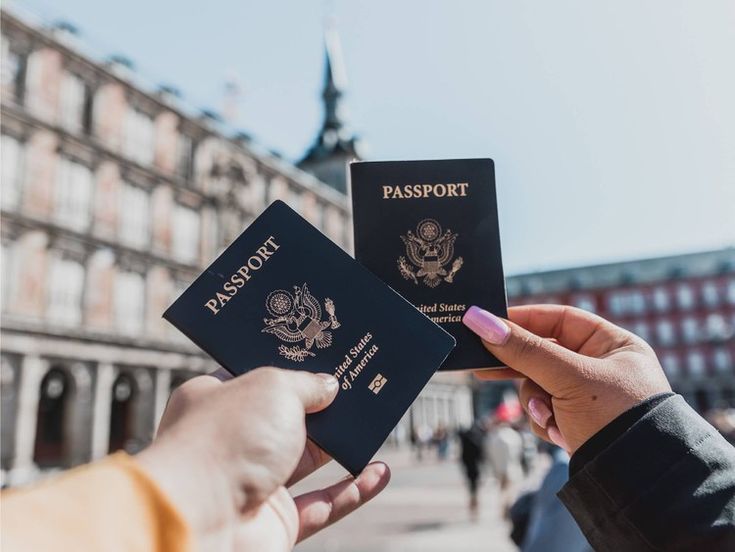
One of the fundamental steps in planning your first international trip is ensuring that all necessary travel documents are prepared well in advance. The most crucial document is your passport, which serves as the primary identification for international travel. Check the expiration date of your passport; it should be valid for at least six months beyond your intended return date. If your passport is set to expire, initiate the renewal process as early as possible, as it can take several weeks to receive a new passport.
In addition to a passport, many countries require a visa for entry, which is a legal document granting permission to enter, stay, or leave a country. Research the visa requirements for your destination, as they vary significantly. Some countries allow for visa-on-arrival, while others necessitate applying in advance at a consulate or embassy. Be meticulous in completing the visa application, and gather any supporting documents that may be necessary, such as proof of accommodation and travel itineraries.
Additionally, certain destinations may require specific vaccinations or health documents. Check the Centers for Disease Control and Prevention (CDC) or the World Health Organization (WHO) for any health advisories related to immunizations or medications needed based on your travel itinerary.
To safeguard these important documents, it is advisable to create physical and digital backups of your passport, visa, and immunization records. Store physical copies in a waterproof pouch while having digital copies saved on secure cloud services. This proactive measure will ensure that, in the event of loss or theft, you can quickly access the necessary information to facilitate travel assistance and re-entry.
Packing Wisely for Your Trip
Packing can often be a daunting task when preparing for your first international trip. However, with careful planning, you can pack light yet effectively. One of the fundamental strategies is to distinguish between essentials and non-essentials. Essentials are items that you will absolutely need during your journey, including travel documents, toiletries, and any medications. Non-essentials, while perhaps nice to have, can be left at home to save space and weight in your luggage.
Choosing versatile clothing is another key aspect of packing smartly. Opt for items that can be mixed and matched, allowing for multiple outfits with minimal pieces. Fabrics that are adaptable to various climates and resist wrinkling, such as moisture-wicking materials, can significantly enhance your packing experience. For instance, a lightweight jacket can serve as an additional layer in cooler climates or a protection against unexpected rain, making it an essential piece in your travel wardrobe.
Moreover, understanding the climate of your destination is crucial for effective packing. Research the weather conditions for the duration of your stay and adjust your packing list accordingly. Layering is often an effective strategy, as it allows you to adapt to changing temperatures throughout the day, ultimately reducing the amount of clothing needed.
Finally, the right travel gear can enhance your packing efficiency and overall travel experience. Items such as packing cubes help organize your belongings, making it easier to find what you need without unpacking everything. Additionally, consider travel accessories that provide comfort, such as neck pillows or noise-canceling headphones, to improve your journey.
Understanding Local Customs and Etiquette
When embarking on your first international trip, grasping local customs and etiquette is vital for enhancing your travel experience and fostering positive interactions with residents. Different countries have unique cultural practices, and being attentive to these differences can make a significant impact on how you are perceived. Understanding local traditions not only demonstrates respect but also promotes deeper connections with local communities.
Research the customs of your destination before your trip. This includes learning the significance of gestures and expressions, as these can vary remarkably between cultures. For instance, while a thumbs-up is seen as positive in some places, it can be offensive in others. Moreover, understanding the role of personal space and physical contact is crucial in different cultures, as what is considered appropriate behavior can differ widely.
Acquiring a few key phrases in the local language can also greatly enhance your experience. Simple greetings or expressions of gratitude can go a long way in building rapport. Even if your pronunciation is not perfect, the effort to communicate in the local language is often appreciated and can break down barriers. It reflects an openness to engage with the culture and shows that you value their way of life.
Adaptation of behavior is another essential aspect of navigating social norms. Observing how locals conduct themselves in various situations, such as dining or greeting others, can provide insights into appropriate conduct. For example, in some cultures, dining etiquette is strictly followed, and understanding these rules can help you avoid unintentional faux pas.
Ultimately, respecting local customs and exhibiting cultural sensitivity is key to an enjoyable travel experience. By divulging into local traditions and etiquette, you not only enrich your journey but also contribute to fostering mutual respect and understanding across cultures.
Tips for a Smooth Travel Experience
Planning your first international trip can be exhilarating, yet it comes with its own set of challenges. To ensure a smooth travel experience, consider the following tips that focus on being prepared and adaptable.
First, staying connected is crucial when traveling abroad. Before your departure, research international roaming plans offered by your mobile service provider. Alternatively, consider purchasing a local SIM card upon arrival or using Wi-Fi whenever possible. Apps that provide messaging services over the internet can help keep you in touch with family and friends back home, providing peace of mind during your travels.
Secondly, it is vital to keep your valuables secure. Use a money belt or a neck pouch to store important documents and money. Be mindful of pickpockets, particularly in crowded tourist areas. Distributing your cash and cards across different locations can minimize risks. Consider using hotel safes to store your valuables when not in use.
Language barriers can be daunting, but effective strategies exist to overcome them. Before your trip, learn basic phrases in the local language, which can facilitate communication and show respect for the culture. Download translation apps that can assist you in real time when engaging with locals.
Navigating transportation in foreign countries can vary significantly, so research your destination’s public transportation options. Familiarize yourself with local apps, maps, or guides that provide transit schedules and routes. When renting a vehicle, ensure you understand the driving laws and conditions in that country.
Sometimes, unexpected situations like flight delays or lost luggage can arise. Maintain flexibility in your travel plans and always have a backup strategy in place. By remaining calm and adaptable, you can manage challenges effectively and continue to enjoy your adventure. Remember, each experience adds to the stories you’ll tell for years to come.