

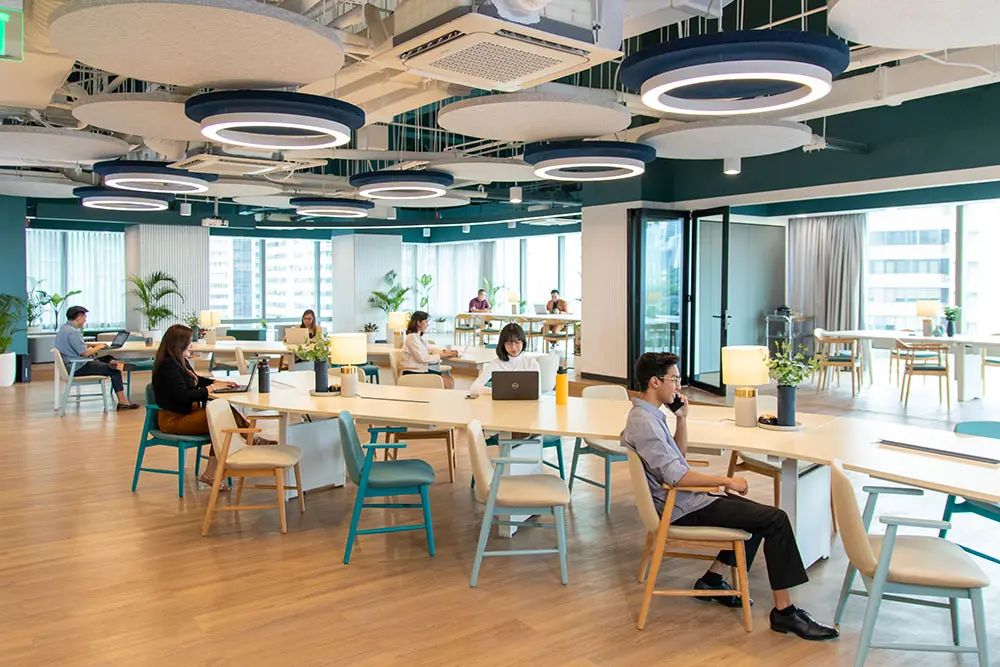
Introduction to Co-Working Spaces
Co-working spaces have emerged as a pivotal element in the contemporary work landscape, significantly changing the way individuals and companies approach their daily operations. These spaces offer a flexible working environment, where freelancers, entrepreneurs, and remote workers can come together, collaborate, and share resources. The rise of technology and the increasing prevalence of remote work have contributed to the growing popularity of such communal workspaces.
The significance of co-working spaces extends beyond mere physical location; they foster a sense of community among diverse professionals. Individuals from various fields and backgrounds can mingle, share ideas, and forge partnerships, promoting an innovative work atmosphere. This interaction is particularly beneficial for those who might otherwise feel isolated while working from home or traditional offices. In this context, co-working spaces serve as incubators for creativity and networking.
Additionally, these workspaces typically offer a range of amenities, including high-speed internet, meeting rooms, and office supplies, making them an attractive option for individuals and small businesses looking to minimize overhead costs. By providing these resources in a shared environment, co-working spaces ensure that users can focus on their work without the burden of managing a full office setup.
As the work culture continues to evolve towards greater flexibility, the role of co-working spaces is expected to expand further. They not only accommodate the needs of a mobile workforce but also contribute to the overall well-being of professionals by creating a stimulating and collaborative environment. By embracing this new approach to work, individuals can enhance their productivity while enjoying the benefits of community collaboration.
Top Co-Working Spaces in North America
North America is home to a myriad of co-working spaces, catering to the diverse needs of freelancers, startups, and established companies. These spaces not only provide a productive environment but also foster networking, collaboration, and creativity among their members. Below are some of the best co-working spaces in major North American cities, each with its distinctive offerings and atmosphere.
In New York City, WeWork stands out with its vibrant community and multitude of locations. Members benefit from modern amenities, including high-speed internet, conference rooms, and frequent networking events. The aesthetic appeal of the interior, combined with its strategic positioning in the heart of Manhattan, makes it a popular choice for professionals seeking flexibility and convenience.
Moving to the west coast, Spaces in San Francisco offers a more relaxed ambiance while maintaining a professional setting. With its open floor plans and creative design, this co-working space encourages collaboration among its diverse occupants. The access to amenities such as fully serviced meeting rooms and a communal kitchen enhances the overall user experience, making it ideal for innovative thinkers.
On the other hand, TechSpaces, based in Austin, Texas, focuses on nurturing the tech community. With resources tailored specifically for tech startups, including mentorship programs and workshops, members can leverage unique opportunities for growth. The community vibe complemented by a dynamic environment supports both professional development and networking possibilities.
Finally, in Toronto, Regus distinguishes itself through its extensive network of locations and flexible membership options. Catering to remote workers and businesses looking for a satellite office, Regus offers various plans that suit different needs, which enhances accessibility for users from various backgrounds.
These co-working spaces collectively illustrate the significance of flexible work environments in North America, adapting to the evolving needs of professionals in this digital age.
Best Co-Working Spaces in Europe
Europe boasts a variety of co-working spaces that cater to the diverse needs of professionals and creatives. Each city presents a unique approach to shared work environments, reflecting its cultural values, work ethics, and aesthetics. Among the top co-working spaces is WeWork, which has established a strong presence in major European cities, including London and Berlin. Known for its modern architecture and amenities, WeWork offers flexible membership plans that allow individuals and companies to choose spaces that fit their requirements.
Impact Hub is another notable co-working network, with locations throughout Europe, emphasizing social entrepreneurship. Their spaces are designed to foster collaboration and are equipped with facilities such as meeting rooms, event spaces, and café areas. This unique aspect attracts like-minded professionals who are eager to make a positive impact through their work.
In the picturesque city of Amsterdam, Spaces offers a vibrant atmosphere combined with its historic surroundings. This co-working space provides an ideal blend of inspiration and productivity, often featuring art installations and open-air terraces. Users enjoy access to amenities such as high-speed internet, printers, and coffee bars, enhancing the overall working experience.
Additionally, the co-working culture in Europe often integrates local community elements, encouraging interactions beyond professional networking. For instance, Betahaus in Berlin focuses on creating a multicultural environment, encouraging freelancers to engage in workshops and social events.
The aesthetics of these spaces vary widely, from sleek and minimalist to vibrant and eclectic, appealing to different tastes and preferences. Ultimately, the rise of co-working spaces across Europe highlights not just a trend but a significant shift in how professionals approach work—embracing collaboration, flexibility, and community.
Innovative Co-Working Spaces in Asia
Asia has emerged as a significant hub for innovative co-working spaces, transforming the traditional workplace into vibrant environments that cater to the diverse needs of entrepreneurs, freelancers, and remote workers. These co-working facilities are designed to foster creativity, collaboration, and productivity, reflecting the unique cultural and economic dynamics of their locations.
One exemplary model is located in Singapore, where co-working spaces such as WeWork and The Hive prioritize modern aesthetics, community engagement, and high-tech amenities. These spaces not only provide a work environment but also organize networking events and workshops that enhance startup culture and encourage collaboration among members. With sleek designs and amenities such as high-speed internet and conference rooms, they support the needs of tech startups and digital nomads alike.
In South Korea, co-working spaces like FastFive have gained popularity, blending innovative design with local culture. Their focus on providing flexible workspaces, meeting rooms, and event spaces has made them particularly appealing to small businesses and freelancers. FastFive emphasizes community through social events, fostering an atmosphere of collaboration that invigorates the local entrepreneurial ecosystem.
India presents yet another exciting landscape with spaces such as 91springboard and Innov8, which cater to the burgeoning startup scene in cities like Bangalore and Mumbai. These co-working environments are characterized by their affordable pricing, diverse working areas, and vibrant community culture. By offering mentorship programs and access to investors, these spaces play a crucial role in empowering budding entrepreneurs.
Overall, the innovative co-working spaces in Asia are not just places to work but are vital contributors to the regional startup culture, facilitating connections and nurturing talent in a collaborative environment. As the demand for flexible workplaces continues to grow, it is evident that these co-working spaces will remain integral to the evolving landscape of work across Asia.
Unique Co-Working Concepts Worldwide
Co-working spaces have evolved into diverse environments that cater to the unique needs and interests of professionals. Among these spaces, some co-working concepts stand out significantly due to their distinct themes and approaches, fostering both productivity and a sense of community. One notable category is centered around wellness. Facilities such as CoWork & Co in Australia prioritize health and well-being with features like yoga studios and meditation rooms, allowing individuals to recharge amidst their workday. Such initiatives promote mental health and encourage a balance between work and personal life, creating a conducive workplace.
Another captivating trend in co-working is the focus on creativity and the arts. Spaces like The Art House in San Francisco provide artists and creatives with an inspiring atmosphere equipped with studios, galleries, and exhibition spaces. This concept not only supports artistic endeavors but also encourages collaboration among different creative disciplines. Such environments help cultivate a community driven by shared passion and inspire innovative ideas that might not emerge in more traditional settings.
Technology-focused co-working spaces also contribute to this vibrant landscape. For example, TechSpaces in various global metropolitan areas target tech startups and freelancers, offering cutting-edge resources like high-speed internet, smart conference rooms, and networking events tailored for tech enthusiasts. This specialization helps build a targeted community of like-minded individuals, promoting collaboration and knowledge sharing in a fast-paced industry.
These unique co-working environments illustrate how tailored spaces can enhance productivity, foster community, and support well-defined professional identities. By aligning workspaces with specific lifestyles or industries, co-working concepts are architected not just for the tasks at hand but for nurturing the connections and creativity that often lead to success.
The Future of Co-Working Spaces
The concept of co-working spaces has evolved substantially, particularly in response to the challenges brought by the pandemic and the rapid advancements in technology. As organizations adapt to new ways of working, the future of co-working environments is increasingly defined by flexibility, inclusivity, and sustainability.
Hybrid work models are gaining prominence, allowing employees to transition seamlessly between remote and in-office work. This shift necessitates that co-working spaces enhance their offerings to accommodate varied work styles and preferences. Features such as dedicated desks, quiet zones for focused work, and collaborative areas for team engagements are becoming integral to the design of co-working facilities. By facilitating a supportive and adaptable atmosphere, these spaces are not only catering to individual needs but also promoting teamwork and innovation.
Furthermore, the focus on sustainability within the design of co-working spaces has never been more critical. Many operators are committed to creating environmentally-friendly workspaces that incorporate natural materials, energy-efficient technologies, and wellness-oriented amenities. These sustainable practices are not only beneficial for the environment but also enhance the quality of life for workers by providing healthier work conditions.
Additionally, technology continues to play a pivotal role in shaping the future of co-working environments. As trends like remote work persist, the integration of smart technology—such as advanced booking systems, high-speed internet access, and easy connectivity—has become essential. These enhancements facilitate greater efficiency and productivity, allowing teams to leverage the benefits of both in-person and remote collaborations.
In conclusion, the evolution of co-working spaces reflects the changing dynamics of the workplace. As they adapt to hybrid work models and embrace sustainable design, these environments will remain at the forefront of work culture, accommodating diverse needs while promoting a sense of community among users.
Benefits of Using Co-Working Spaces
Co-working spaces have emerged as a popular alternative to traditional offices, offering a multitude of benefits for entrepreneurs, freelancers, and remote workers. One primary advantage is the networking opportunities available in these collaborative environments. Co-working spaces bring together individuals from diverse professional backgrounds, facilitating interactions and fostering potential partnerships. According to a survey conducted by the Global Coworking Unconference Conference (GCUC), 70% of co-workers report that their social network has expanded since joining a co-working space.
Another significant benefit is the access to resources that would typically be unavailable for individuals working from home or in isolation. Many co-working facilities provide state-of-the-art technology, meeting rooms, and other essential amenities which promote productivity. This accessibility allows members to focus on their work rather than concern themselves with the logistics of managing an office. In fact, a study from Harvard Business Review found that companies utilizing shared work environments experience a 15% increase in productivity compared to their counterparts in traditional office settings.
Furthermore, the professional environment offered by co-working spaces is pivotal in enhancing performance. The ability to separate personal life from work-life is crucial for maintaining a work-life balance. With designated work areas, co-workers can immerse themselves fully in their tasks, which significantly boosts motivation. Surveys indicate that over 85% of co-workers feel more productive when working in a communal space.
Lastly, the flexible terms of co-working spaces allow businesses to adapt to growth and changes in their workforce. This adaptability is vital for startups and growing companies, enabling them to scale without the burdens associated with long-term leases. Overall, the benefits of co-working spaces—ranging from enhanced networking to improved productivity—underscore their growing popularity in the evolving landscape of work.
Challenges and Considerations
While co-working spaces offer numerous benefits such as flexibility, creativity, and networking opportunities, there are also several challenges and considerations that potential users should be aware of before committing to such environments. One of the primary drawbacks of co-working spaces is the noise level, which can significantly impact focus and productivity. Many co-working locations are bustling with activity, and for individuals who thrive in quiet settings, the ambient noise can be distracting. This is particularly pertinent for people engaged in tasks requiring intense concentration or confidentiality.
Another concern is the potential for distractions. The vibrant atmosphere of a co-working space, while invigorating, can also lead to interruptions from conversations, phone calls, and other activities occurring nearby. This can make it difficult to maintain the level of productivity that some professionals require. For individuals who enjoy social interaction and find inspiration in collaborative environments, this energy may be beneficial; nonetheless, others might find it overwhelming and counterproductive.
Furthermore, the necessity for a suitable personal work environment is another factor to consider when evaluating co-working options. Not all co-working spaces provide adequate facilities or customizable work stations that cater to individual preferences. It is essential to assess whether the available amenities, such as ergonomically designed furniture, sufficient lighting, and essential technology, meet one’s professional needs.
When choosing the right co-working space, potential users should visit multiple locations to gauge the atmosphere and amenities. Engaging with current members can offer insights into the daily operations and culture of each space. Furthermore, assessing the layout, noise levels at different times of the day, and available resources will help to make a more informed choice tailored to personal work styles.
How to Choose the Right Co-Working Space for You
When searching for the best co-working space to fit your professional and personal needs, it is essential to consider a variety of factors. First and foremost is location; the proximity to your home or client locations can significantly affect your productivity and work-life balance. An easily accessible space can save you valuable commuting time, making it more convenient to incorporate co-working into your daily routine.
Next, take into account the pricing structure of different co-working spaces. Co-working fees can vary considerably, depending on the amenities provided and the overall atmosphere of the environment. Consider your budget and whether a flexible payment plan or contract duration aligns better with your financial situation. Additionally, some spaces offer discounts for longer commitments, which may be beneficial if you plan on using the space for an extended period.
Another vital aspect is the range of amenities offered by the co-working space. Essentials like high-speed internet, meeting rooms, and printing facilities are crucial for many professionals. However, extra benefits, such as coffee bars, fitness centers, and wellness programs, can greatly enhance your work experience. Assessing your personal preferences and work habits will help you identify which amenities are necessary for an optimal working environment.
Lastly, the community within a co-working space can play a pivotal role in your experience. Spaces that foster networking and collaboration can lead to valuable connections and opportunities. Attend events or take tours of potential co-working spaces to gauge the community vibe and see if it aligns with your professional goals.
By reflecting on these factors – location, price, amenities, and community – you can make an informed decision on which co-working space suits your needs best, ultimately enhancing your productivity and personal well-being.