

Planning Your Route and Stops
Effective planning is crucial when embarking on long car journeys, as it contributes significantly to a smooth and enjoyable travel experience. Utilizing navigation applications has become increasingly important in modern travel. These apps not only provide the fastest routes but also offer real-time updates on traffic conditions, road closures, and even alternative routes. Familiarizing yourself with these tools before your trip can enhance your travel efficiency.
In addition to choosing the best route, it is essential to plan for rest stops along your journey. Long hours on the road can lead to fatigue, which may impair driving ability. Scheduling breaks every two to three hours is advisable to rest, stretch, and refresh. When planning your stops, consider various options such as scenic viewpoints, parks, or small towns that offer local dining or attractions. Such pauses not only help in maintaining energy levels but also allow for engagement with the journey itself.
Moreover, while a direct route may seem appealing, incorporating scenic drives can enrich your travel experience. Many scenic routes feature breathtaking landscapes, historical sites, and cultural landmarks that provide opportunities for exploration and discovery. Balancing direct routes with enjoyable detours can transform your journey into an adventure. Aim for a mix that suits your timeframe and interests; this way, you can make the most of your travel experience while reaching your destination in a timely manner.
To conclude, careful planning of your travel route and stops ensures efficient travel while enhancing the overall journey. Employing navigation apps, scheduling regular breaks, and considering scenic detours will not only optimize your travel time but also make your long car journey more enjoyable.
Preparing Your Vehicle
Before embarking on a long journey, it is essential to perform thorough maintenance and preparation on your vehicle. Neglecting vehicle upkeep can lead to unexpected issues that can disrupt your travel plans. Start by checking the tire pressure of all tires, including the spare. Properly inflated tires ensure better fuel efficiency and reduce the risk of tire blowouts on highways. Refer to the owner’s manual for the recommended pressure levels.
Next, inspect the oil levels in your engine. Oil is crucial for lubricating engine components and preventing overheating. If your oil is low or dirty, it may be wise to change it before hitting the road. Additionally, examine the brakes. Ensure that brake pads have adequate thickness and that the brake fluid is topped off, as efficient braking is paramount for safety during long-distance travel.
Functioning lights are also a critical component of vehicle preparation. Test headlights, tail lights, and turn signals to ensure they are working correctly. Visibility is vital for safe driving, especially at night or during inclement weather. Don’t forget to check windshield wipers and fluid levels, as clear visibility can significantly enhance driving safety.
Equipping your car with an emergency kit is another important step before a long journey. This kit should include essential items such as a first aid kit, flashlight, jumper cables, water, non-perishable food, and basic tools. These supplies can be lifesavers in unforeseen situations, like a flat tire or vehicle breakdown.
Finally, consider the specifics of your journey when preparing your vehicle. If you are traveling in rugged terrain or during winter months, ensure your vehicle is equipped accordingly with appropriate tires and supplies. By taking these preparatory steps, you can drive with confidence and focus on the enjoyment of your long journey.
Packing Essentials for the Journey
When preparing for a long car journey, careful packing is paramount to ensure a comfortable and stress-free experience. Prioritizing personal items such as clothing and toiletries is essential, as it allows you and your fellow passengers to maintain comfort and hygiene throughout the trip. Selecting versatile clothing that can be layered will help accommodate various weather conditions and ensure you have sufficient space in your vehicle.
In addition to clothing, packing travel-sized toiletries, including toothbrushes, toothpaste, and any other essentials, is advisable. These items may seem minor but can greatly enhance the quality of your journey, especially during longer stretches between stops. Ensure that these toiletries are stored in easily accessible compartments within the vehicle.
Snacks also play a critical role in enhancing the overall experience of long car rides. It is prudent to include a variety of healthy options such as fruits, nuts, and granola bars. They are easy to consume, nutritious, and can help keep energy levels sustained during the journey. Additionally, packing a cooler with beverages can provide refreshment, particularly on hotter days.
Entertainment for passengers should not be neglected, particularly if traveling with children. This can range from portable gaming devices to audiobooks or music playlists, all of which contribute to a more enjoyable atmosphere during long stretches on the road. Each passenger can choose activities that engage them and make the journey feel shorter.
Lastly, preparing for the unexpected by packing emergency supplies is crucial. A well-stocked emergency kit should contain items like a first-aid kit, flashlight, jumper cables, and basic tools. This foresight could prove invaluable in resolving potential issues that may arise during the trip. Effectively organizing these essentials will maximize space and ensure readiness for all situations encountered during your long car journey.
Keeping Passengers Entertained
Long car journeys can often lead to boredom, especially for passengers, who may not have control over time spent in transit. To mitigate restlessness and enhance the travel experience, it is essential to integrate varied forms of entertainment. One effective method is the utilization of audiobooks. Engaging narratives can draw the attention of all passengers, allowing them to collectively immerse in a story. Audiobooks cater to various interests and ages; thus, selecting diverse genres that appeal to the entire group is advisable.
Music playlists are another excellent avenue for entertainment. Curating playlists that reflect the collective preferences of the passengers can energize the atmosphere and promote shared enjoyment. Regularly updating the playlist or even allowing each passenger to take turns selecting songs can further engage everyone. Incorporating sing-alongs can add an interactive element, ensuring that everyone remains actively participating in the experience.
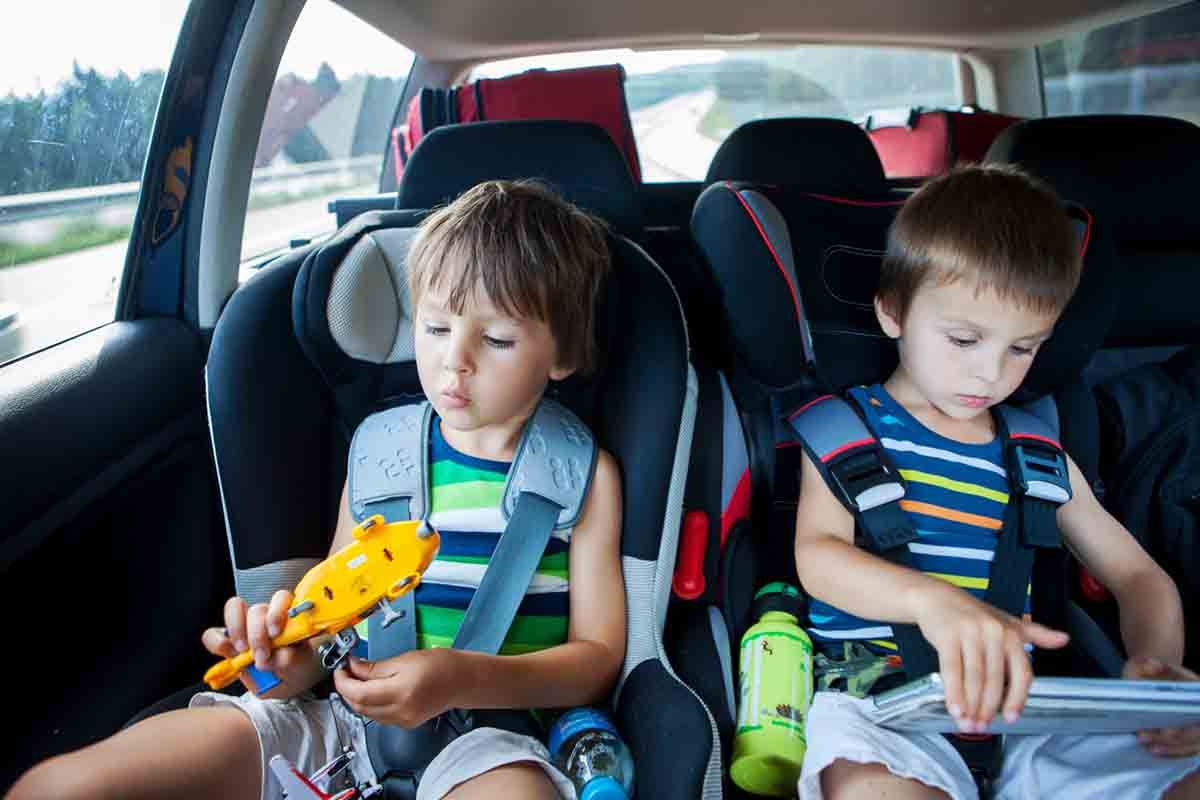
Games tailored for car journeys can also capture attention and break the monotony. Classic games such as “I Spy” or “20 Questions” encourage active participation. Additionally, mobile devices can serve as valuable tools; tablets can host games, movies, or educational apps to amuse younger passengers. However, it is important to balance screen time with traditional activities to ensure comprehensive engagement.
Finally, rotating activities between audiobooks, games, and music can help minimize boredom. Scheduled breaks during long trips provide opportunities for stretching and allowing passengers to enjoy fresh air while discussing their favorite parts of the entertainment. Through these strategies, a harmonious balance of engagement for all passengers can be achieved, leading to a more enjoyable journey.
Staying Comfortable in the Car
Maintaining comfort during long car journeys is essential for an enjoyable travel experience. The right seat adjustments play a pivotal role in reducing fatigue and enhancing overall comfort. Properly positioned seats can minimize strain on your back and neck. Therefore, ensure the seat is adjusted to a height that provides ample visibility while allowing your legs to bend comfortably. A slight recline can also help prevent discomfort during extended periods of driving.
Consider incorporating cushions or support pillows into your seating arrangement. A lumbar support cushion can alleviate pressure on the lower back, and a seat cushion designed to distribute weight evenly can enhance comfort further. Additionally, bringing along a light blanket can make the environment more inviting, especially during varying temperatures on long journeys.
It is equally important to manage the cabin temperature effectively to maintain a comfortable atmosphere. Depending on the weather, you may want to use air conditioning or heating. Having a consistent temperature helps ensure that no passenger feels too hot or too cold, which can contribute significantly to overall comfort. Consider using sunshades on windows to minimize heat build-up in the car.
Moreover, taking regular breaks during long drives is crucial for comfort and safety. Plan to stop every two to three hours to stretch your legs, get some fresh air, and rest your eyes. This practice not only enhances your physical comfort but also keeps your mind alert and focused on the road. Engaging in light stretches and brief walks during these breaks can effectively help to reduce muscle stiffness.
By paying attention to seat adjustments, utilizing cushions, regulating cabin temperature, and taking frequent breaks, passengers can significantly enhance their comfort levels during lengthy car trips.
Managing Food and Hydration
Long journeys can be exhausting, and managing food and hydration is essential for maintaining energy and focus while on the road. Selecting the right snacks and meal options can significantly enhance your travel experience.
When choosing snacks for road trips, opt for items that are high in protein and fiber, such as nuts, trail mix, and granola bars, as they provide sustained energy without causing a sugar crash. Fresh fruits like apples and bananas, along with vegetables such as carrots and cucumber sticks, are also excellent choices as they are nutritious and hydrating. Avoid overly salty or heavily processed snacks that can lead to dehydration and fatigue.
It’s crucial to pack food safely to prevent spoilage and ensure freshness. Use insulated coolers for perishable items such as sandwiches, yogurt, and cheeses. Moreover, packing snacks in individual portions can make them easy to grab without disrupting the flow of travel. Having a variety of snacks on hand helps cater to different appetites and preferences, which is particularly important during long trips.
Staying hydrated is equally important as proper nourishment. Dehydration can lead to fatigue and decreased concentration, increasing the risks while driving. Keep a selection of drinks available, such as water, electrolyte-infused beverages, or herbal teas. It’s advisable to plan regular stops for restroom breaks, which can also serve as opportunities to hydrate and stretch. Establish a routine for hydration rather than waiting until you feel thirsty.
When planning meal stops during your journey, try to schedule breaks every two to three hours. This allows for proper digestion, minimizes restlessness, and keeps energy levels high. Choosing healthy options from local dining establishments or prepared meals can add enjoyment to your trip while providing essential nutrients.
Understanding Travel Safety
Traveling by car can be a pleasant experience, but it is vital to prioritize safety at all times, especially on long journeys. One of the fundamental aspects of travel safety is the proper usage of seatbelts. According to various studies, wearing seatbelts can significantly reduce the risk of severe injury or fatality in case of an accident. All passengers should ensure that they are buckled up before the vehicle begins to move, as this simple precaution can save lives.
Another critical component of travel safety is adhering to speed limits. These limits are established to ensure the safety of both drivers and pedestrians on the road. Exceeding these limits not only increases the likelihood of accidents but can also result in hefty fines and penalties. Therefore, it is essential to remain within the legal speed limits, adjusting your speed in accordance with road conditions and traffic.
Recognizing the signs of driver fatigue is equally important during long travels. Tired drivers are more prone to lapses in judgment and slower reaction times. Symptoms of fatigue can include frequent yawning, difficulty concentrating, and heavy eyelids. If any of these signs are observed, it is advisable to take a break from driving. Planning for regular breaks allows drivers to stretch, hydrate, and recharge, thus reducing the chances of drowsiness.
Finally, having safety gear readily accessible is crucial for any long car journey. Essential items such as a first aid kit, reflective triangles, and road flares ensure that one is prepared to handle emergencies. Keeping these items within reach will facilitate a swift response when needed, enhancing overall safety on the road.
Handling Roadside Emergencies
Roadside emergencies can arise unexpectedly during long car journeys, and being prepared is essential for ensuring a safe and smooth travel experience. One of the most common issues drivers face is a flat tire. It is advisable to familiarize oneself with the process of changing a tire prior to embarking on a journey. This includes knowing how to locate the spare tire, using the jack properly, and ensuring the vehicle is on stable ground before commencing the tire change. In addition, keeping a tire repair kit and an air pump can be beneficial for minor punctures, providing an additional layer of security.
Engine troubles can be another significant concern. Regular vehicle maintenance can minimize the risk of such issues; however, if they do occur, understanding simple troubleshooting steps can help. If the engine overheats, parking in a safe location and turning off the vehicle immediately is crucial. Waiting for a while and checking the coolant level may allow you to assess whether it is an issue that can be resolved on your own. If not, be prepared to contact roadside assistance or a mechanic. Familiarizing oneself with the vehicle’s dashboard warning lights can also expedite the identification of potential issues.
When facing a roadside emergency, it’s vital to signal for help promptly and safely. This includes finding a safe spot well off the roadway, activating hazard lights, and using warning triangles if available. If your vehicle is immobilized, remain inside with the doors locked until help arrives to ensure personal safety. Furthermore, before setting out on any journey, ensure that your phone is fully charged; this can significantly aid in contacting roadside assistance services or emergency services when necessary. Having a roadside assistance plan can provide peace of mind, knowing that professional help is just a call away in the case of unexpected events.
Post-Journey Reflection and Cleanup
After completing a long car journey, it is beneficial to take some time for reflection and cleanup, ensuring a smooth transition back to regular routines. Reflecting on the journey can provide valuable insights for future trips. Consider questions such as: What went well during the trip? Were there any unexpected challenges? Did the vehicle perform as expected? This evaluation can help in identifying both strengths and areas for improvement in your travel preparation and execution.
To facilitate an organized approach for post-journey tasks, it is advisable to create a checklist that outlines necessary steps for unpacking and cleaning the vehicle. Start by removing all personal belongings from the car, paying attention to under seats and in storage compartments where items may be easily overlooked. Next, consider cleaning the interior surfaces, such as vacuuming the carpets, wiping down the dashboard, and cleaning windows, which not only enhances the vehicle’s condition but also enhances the overall driving experience for future trips.
Additionally, taking the time to document travel memories can enrich the experience further. Engaging with travel companions to share highlights, funny stories, and even lessons learned fosters connection and helps solidify shared experiences. This can be done through conversations or by creating a shared digital album, which will allow everyone to contribute and reminisce about the journey.
Ultimately, a thorough reflection and cleanup process can not only improve the state of the vehicle but also enhance the joy derived from the trip. Incorporating these practices encourages effective preparation for subsequent journeys, ensuring that each experience builds upon the last.