
Introduction to Egypt
Egypt, a country that bridges two worlds, boasts a captivating tapestry of history, culture, and breathtaking landscapes. Known primarily for its ancient civilization, the allure of Egypt stretches beyond the iconic pyramids and the Nile River. As the cradle of one of the world’s earliest and most influential societies, Egypt has evolved significantly, seamlessly intertwining its rich heritage with modern-day life.
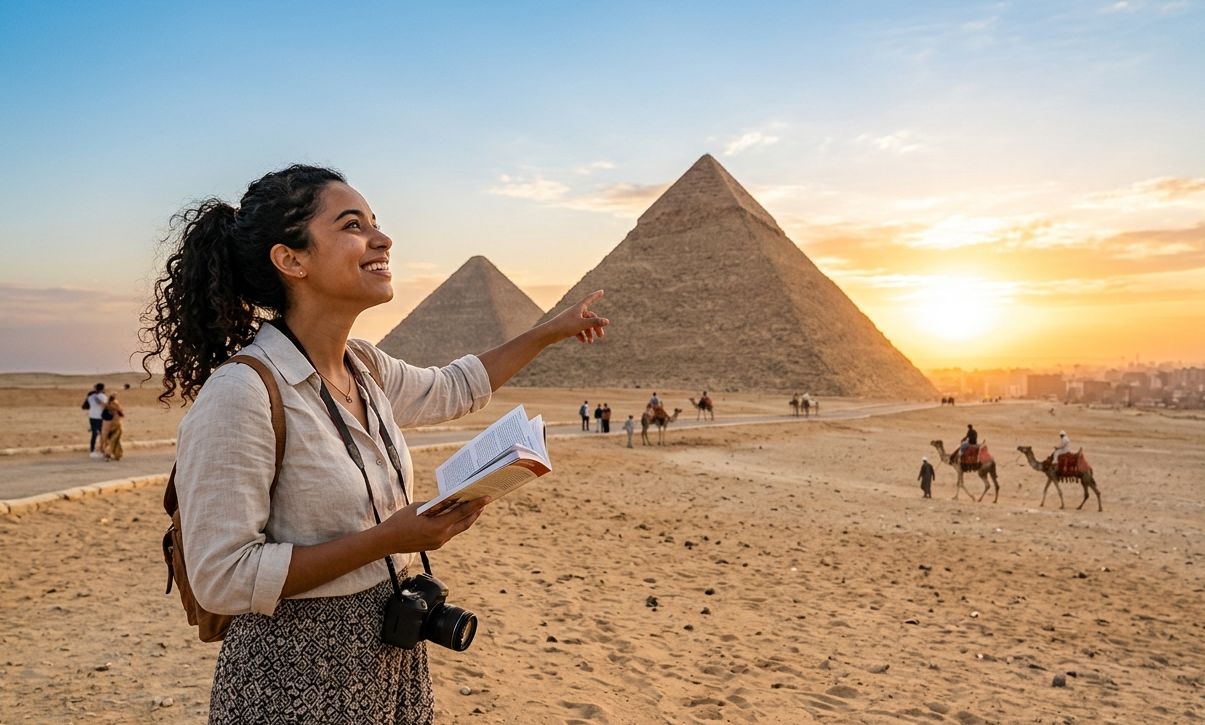
Travelers to Egypt are greeted by a multitude of attractions that reflect its historical significance. The Great Pyramid of Giza, a profound Wonder of the Ancient World, is a key highlight for many visitors. This architectural marvel, along with others such as the Sphinx and the Valley of the Kings, offers a glimpse into the grandeur of Egyptian civilization that has captivated the imagination for centuries. The ancient temples of Karnak and Luxor, laden with hieroglyphs and historical relics, further enrich the experience for history enthusiasts.
In addition to its historical landmarks, Egypt presents a diverse cultural panorama. Major cities such as Cairo, Alexandria, and Aswan embody a blend of the traditional and contemporary, featuring bustling markets, stunning architecture, and vibrant street life. Egyptian culture is a mosaic of influences, evident in its food, music, and festivities, each reflecting the country’s diverse heritage. The local cuisine, characterized by fragrant spices and fresh ingredients, is an integral part of the travel experience.
The country also offers natural wonders, from the vast deserts of the Western and Eastern deserts to the beautiful Red Sea coastline dotted with resorts and coral reefs, making Egypt a perfect destination for both adventurers and those seeking relaxation. Every corner of this remarkable nation speaks to its legacy, inviting visitors to explore and engage with its timeless story.
Best Time to Visit Egypt
Egypt is a fascinating destination that draws millions of tourists every year, but the best time to visit can vary significantly based on various factors, including climate, local festivals, and tourist trends. The ideal months to travel to Egypt are generally from October to April, when the weather is most pleasant. During this period, temperatures are milder, making it more comfortable to explore the renowned historical sites.
From May to September, the Egyptian heat can be intense, especially in areas like Luxor and Aswan, where temperatures can soar above 40°C (104°F). This seasonal climate variation often leads to lower tourism numbers in the summer months, which might appeal to those looking for fewer crowds. However, be prepared for the extreme heat if you choose to visit during this time.
Additionally, it is important to consider local holidays and festivals when planning a trip. Significant events, such as Ramadan, can influence travel plans; during this period, some businesses may alter their hours, and cultural experiences may be different from usual. Conversely, the celebration of Eid al-Fitr and other local festivities can offer enriching experiences for travelers who manage to align their visit with these events.
When packing for your trip, it is essential to bring layers. Evenings can be cool in the winter months, while summer might necessitate light, breathable clothing to cope with daytime temperatures. Additionally, a sun hat and sunscreen are highly recommended regardless of the time of year. Overall, by considering the seasonal climate variations and local cultural events, visitors can make the most out of their trip to Egypt, ensuring a memorable experience.
Visa and Entry Requirements
Traveling to Egypt for the first time is an exciting experience, and being aware of the visa and entry requirements is essential for a smooth journey. Most travelers need a visa prior to their arrival, although several nationalities can obtain a visa on arrival or apply for an e-Visa online.
The e-Visa system allows tourists from eligible countries to apply for a single-entry or multiple-entry visa electronically before their trip. This option is convenient and can be completed in a matter of minutes. The cost of an e-Visa is generally around $25 for a single-entry permit and $60 for multiple-entry. Travelers will need to provide a passport with a validity of at least six months beyond the date of entry, along with a recent passport-sized photograph.
For those who are not eligible for an e-Visa or visa on arrival, it is necessary to visit an Egyptian consulate or embassy to apply for a visa in person. Requirements can vary based on nationality, so checking with the relevant authorities is recommended. The application may involve submitting proof of accommodation, a travel itinerary, or an invitation letter.
In addition to visa requirements, travelers to Egypt should be aware of health precautions. Vaccinations may be recommended for certain diseases, and travelers are advised to have personal health insurance that covers medical expenses during their stay. It’s also prudent to stay updated on any other health advisories or documentation that may be required due to changing circumstances.
Understanding these visa and entry requirements is crucial for a seamless travel experience to Egypt. Planning in advance will not only save time but also contribute to an enjoyable journey.
Getting Around Egypt
Traveling around Egypt involves a mix of transportation options, each offering a unique experience of the country’s incredible landscapes and vibrant culture. Public transportation is perhaps the most economical way to navigate urban areas like Cairo and Alexandria. The metro system in Cairo is efficient and covers many important destinations, making it a convenient choice for first-time visitors. Additionally, buses and minibuses serve various routes, though they may require some local knowledge to navigate effectively.
For a more flexible option, taxis are widely available, and they can be hailed on the street or booked via ride-hailing applications. When using traditional taxis, it is advisable to negotiate the fare upfront or ensure the meter is used to avoid overcharging. Hygiene and safety standards can vary, so opting for well-reviewed taxi services can enhance your travel experience.
Domestic flights present a time-saving solution for reaching destinations like Luxor, Aswan, and Hurghada, especially for those on a tight schedule. Airlines operate regular flights connecting major cities, allowing travelers to cover long distances quickly and comfortably.
Train services, particularly the sleeper and express trains, offer an intriguing way to see the countryside. These trains connect various cities and are a popular choice for both locals and tourists. Opting for first or second class ensures a comfortable journey, with sleeper trains providing the added benefit of overnight travel.
As you explore Egypt’s bustling streets, remain vigilant of your surroundings and follow local traffic etiquette. Benign chaos characterizes road usage, and crossing roads can be daunting. Adhering to pedestrian crossings when available and being proactive in observing traffic flow will ensure a safer travel experience.
Key Attractions in Egypt
Egypt is a treasure trove of ancient history and culture, offering numerous key attractions that captivate travelers. The Pyramids of Giza stand as an iconic symbol of ancient Egypt. These remarkable structures date back to around 2580–2560 BC and are one of the Seven Wonders of the Ancient World. Visitors can explore the complex, including the Great Pyramid of Khufu, with options for guided tours to share insights about their construction and significance. Opening hours vary, so it is advisable to check in advance.
Another must-see site is the Sphinx, located adjacent to the pyramids. This colossal limestone statue, with the body of a lion and the head of a pharaoh, is steeped in mystery and significance. Visitors can admire its grandeur and capture stunning photographs, while guided tours often reveal captivating stories from the past that enhance the experience.
The Nile River, essential to life and civilization in Egypt, offers unique opportunities for exploration. Nile cruises can provide a relaxing way to see various attractions along its banks, including temples and ancient cities. Many opt for a multi-day cruise that includes stops at significant sites, such as the Temple of Karnak and the Valley of the Kings.
Luxor’s temples should not be overlooked, as they are some of the most impressive remnants of ancient Egypt. The Karnak Temple Complex and the Luxor Temple offer fascinating sights and insights into ancient Egyptian religion and architecture. It is recommended to visit during cooler hours, such as early morning or late afternoon, to fully appreciate the grandeur of these historical sites.
In addition to these key attractions, Egypt is home to numerous other historical landmarks, each telling its own story about this remarkable civilization. Planning visits to these sites with consideration of travel tips and local customs can greatly enhance the experience for first-time visitors.
Exploring Egyptian Cuisine and Dining Tips
Egyptian cuisine is a vibrant blend of rich history and cultural influences, offering a diverse array of flavors and dishes that are sure to excite any palate. For first-time visitors to Egypt, there are several traditional dishes that one must try. Some of the most popular include koshari, a hearty combination of rice, lentils, pasta, and tomato sauce, often topped with crispy onions. Another must-try is ful medames, a savory fava bean dish usually served for breakfast, accompanied by bread and sometimes eggs.
If you’re seeking a unique experience, aim to sample muhammara, a walnut and red pepper dip, typically paired with pita bread. For those with a sweet tooth, baksheesh is a delicious dessert made from layers of pastry filled with nuts and honey, perfect for ending a traditional meal on a sweet note.
When it comes to dining etiquette, it is advisable to be mindful of local customs. Egyptians often eat with their right hand, and it is respectful to use bread as a utensil to scoop up food. During meals, it is customary to share dishes among all guests, highlighting the communal aspect of dining in Egypt. Moreover, before starting the meal, it is common to wash hands together, signifying the beginning of the dining experience.
Street food is incredibly popular and affordable, with options ranging from vendors selling delicious samosas to stands offering fresh shawarma. For an authentic experience, consider dining at local eateries or restaurants that cater to more traditional fare. However, if you prefer a sit-down meal, many higher-end restaurants in major cities provide a delightful ambiance along with a wide array of Egyptian and international dishes at varying price ranges.
Traveling to Egypt presents a profound opportunity to engage with a vibrant culture steeped in history and tradition. Understanding the local customs and cultural norms is vital for fostering respectful interactions with the Egyptian people. One of the key areas to consider is dress code. While Egypt enjoys a warm climate, modest clothing is advisable, especially when visiting religious sites or rural areas. Women should wear garments that cover their shoulders and knees, while men are encouraged to opt for long trousers and shirts with sleeves. This approach not only shows respect but also enhances the overall travel experience.
Social etiquette in Egypt is deeply influenced by cultural values and religious beliefs. Greetings usually involve a handshake or a nod, accompanied by a smile. It is customary to say “Salam” (peace) as a form of greeting. Be mindful that physical contact between opposite genders is often regarded as inappropriate unless initiated by a woman. When addressing locals, using titles such as “Mr.,” “Mrs.,” or “Miss” followed by the person’s first name shows respect and builds rapport.
Dining customs also merit attention; when invited to share a meal, it is polite to accept, as it signifies hospitality. Egyptians often eat with their right hand, as the left is considered unclean. Additionally, it is common practice to start the meal with a prayer or a saying of gratitude. Be prepared to enjoy a variety of dishes, and consider tasting local cuisine thoughtfully as a way to appreciate the assiduity and passion behind it.
Additionally, maintaining a respectful demeanor while photographing local sites and people is crucial. Always seek permission before taking photos of individuals, especially women and children. By understanding these cultural etiquettes and customs, travelers can foster positive interactions and embrace the rich heritage of Egypt.
Safety Tips for Travelers
Traveling to Egypt can be an exhilarating experience, filled with rich history and breathtaking sites. However, like any destination, it is crucial to remain informed about safety measures to ensure a secure and enjoyable trip. One of the primary concerns for travelers is the prevalence of petty crime in crowded areas and tourist hotspots. It is advisable to stay vigilant, particularly in crowded markets and public transport, where theft and scams can occur. By keeping belongings secured and maintaining a watchful eye, visitors can significantly reduce their vulnerability.
When it comes to handling money, it is prudent to use ATMs located in reputable hotels or banks to withdraw cash, and minimize the amount of cash carried at any given time. Using credit cards for larger purchases can also help minimize the risk of loss. Keeping a photocopy of your passport, visa, and any important documents separate from the originals can be beneficial in case of theft or loss. Additionally, consider using hotel safes to store valuables while exploring.
In case of emergencies, familiarize yourself with local emergency contacts, including the police, medical services, and your country’s embassy or consulate. The local tourist police can also provide assistance to travelers, ensuring a more secure experience. It is advisable to register your trip with your embassy prior to departure, allowing authorities to assist you in case of any unforeseen circumstances. Prior knowledge of safe transportation options, such as reputable taxi services or pre-arranged shuttles, is also essential. By adhering to these guidelines, travelers can confidently explore Egypt and immerse themselves in its magnificent culture without undue worry.
Conclusion and Final Tips
Traveling to Egypt is an incredible adventure that combines rich history, stunning landscapes, and vibrant culture. As first-time visitors prepare for their journey, it is essential to keep a few critical points in mind to make the most of their experience.
Firstly, understanding the local customs and traditions will enhance interactions with the Egyptian people. Visitors should be respectful of cultural practices, such as dressing modestly, especially when visiting religious sites. Engaging with locals can provide invaluable insights into the diverse lifestyle and history that Egypt has to offer.
Secondly, planning your itinerary allows for the optimal exploration of Egypt’s iconic sites. Must-see attractions include the Pyramids of Giza, the temples of Luxor, and the beautiful reefs of the Red Sea. Timing is crucial; many visitors find that visiting these sites early in the morning or later in the evening offers a more pleasant experience, minimizing crowds and allowing for more thoughtful exploration.
It is also advisable to embrace the local cuisine. Egyptian food is diverse and flavorful, with dishes like koshari and ful medames serving as must-tries. Street food is prevalent and offers a chance to experience authentic flavors, but be sure to prioritize hygiene to avoid any health issues during your stay.
Lastly, ensure that all travel documents are in order well in advance. Familiarizing oneself with visa requirements and any necessary vaccinations can avoid last-minute obstacles. It is equally important to stay informed about local travel advisories to ensure a safe journey.
By following these final tips and embracing the Egyptian culture, first-time visitors are sure to have a memorable and enriching experience. Enjoy the adventure of discovering this timeless land!