

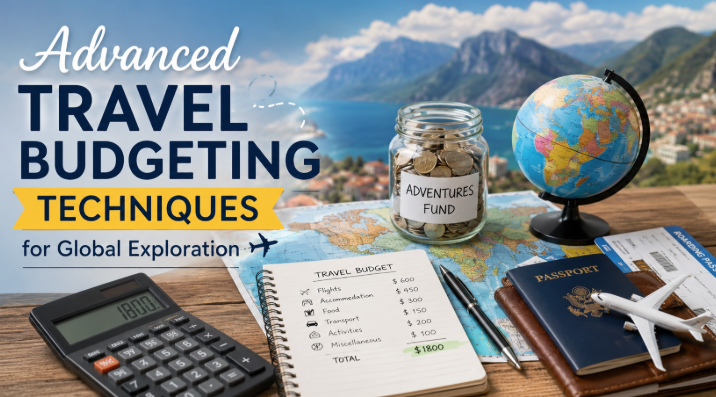
Understanding the Importance of a Travel Budget
Creating a travel budget is a fundamental step in the planning process for any global exploration. A well-defined budget serves not only as a financial blueprint but also as a guiding instrument that enhances the travel experience. By outlining expenses such as accommodation, transportation, food, activities, and miscellaneous costs, travelers can set parameters that dictate every aspect of their journey.
One primary significance of establishing a travel budget is its influence on decision-making. A clear budget allows travelers to prioritize their spending by identifying key areas that require more investment and those that might warrant less. For instance, if a traveler aims to visit renowned cultural landmarks, allocating a larger portion of the budget to entrance fees and guided tours becomes feasible while adjusting accommodation and food expenses accordingly.
Furthermore, a travel budget promotes informed choices. When travelers maintain an awareness of their financial limits, they are less likely to engage in impulsive expenses that may jeopardize the overall trip. It fosters a proactive approach towards financial management, enabling travelers to seek out deals, discounts, and alternative options that better suit their budgetary constraints. This approach is particularly invaluable during extensive travels across multiple countries, where varying currency values and economic climates can make financial planning challenging.
Lastly, having a travel budget alleviates stress and enhances the enjoyment of the travel experience. When travelers know their financial limitations and have accounted for potential expenses, they can explore new destinations with confidence, focusing on immersive experiences rather than financial worries. Thus, understanding the importance of a travel budget is instrumental in paving the way for successful and fulfilling global explorations.
Researching Your Destination
When planning a trip, understanding the cost of living at your destination is crucial for effective budgeting. By conducting thorough research on pricing for accommodations, transportation, food, and activities, travelers can gain a clearer idea of the overall expenses they may incur. This knowledge enables better financial planning and prevents unforeseen expenses that can derail a travel budget.
Accommodations vary significantly around the globe, influenced by location, season, and local market demand. By utilizing websites such as Booking.com or Airbnb, travelers can compare prices, read reviews, and choose options that suit their particular budgets and preferences. Additionally, examining local lodging alternatives like guesthouses or hostels may uncover economical choices that offer authentic cultural experiences at reduced prices.
Transportation is another key area to consider. Depending on the destination, costs can fluctuate based on whether one chooses public transit, taxis, or rental vehicles. Resources such as Rome2rio provide comprehensive information on various transportation modes, including costs and routes. Understanding local transit options not only helps save money but also allows travelers to navigate their surroundings with greater ease.
Food is often one of the most variable expenses while traveling. Researching local dining options, street food, and markets can uncover budget-friendly meals. Websites like TripAdvisor and Yelp guide tourists toward popular and affordable eateries. Furthermore, examining the cost of groceries can be beneficial for those planning to cook during their stay.
Lastly, exploring the cost of activities and attractions will aid in financial forecasting. Websites such as Viator or GetYourGuide can provide ticket prices and options for guided tours, allowing travelers to factor these costs into their overall budget. Gathering this information prior to departure will lead to a more financially manageable and enjoyable travel experience.
Creating a Detailed Travel Budget
When planning an extensive travel itinerary, establishing a detailed travel budget is essential for ensuring a smooth and enjoyable experience. The travel budget includes several components categorized mainly into fixed and variable costs. Fixed costs typically encompass expenses that are predictable and often essential, such as flights and accommodations. It is important to research ticket prices in advance and look for special promotions to secure the best deals. Additionally, when selecting accommodations, consider various options such as hotels, hostels, or vacation rentals, as this can significantly impact your overall expenses.
On the other hand, variable costs can change based on the traveler’s choices and circumstances. These often include daily expenses such as food, entertainment, local transportation, and activities. To estimate food costs accurately, travelers can research local dining options, including street food, casual eateries, or upscale restaurants, and create a daily allowance based on these findings. Similarly, entertainment and activity costs should be mapped out by looking into attractions’ entrance fees, guided tours, or any unique experiences you may want to participate in.
Furthermore, incorporating an emergency fund into your travel budget is highly advisable. This safety net should cover unexpected expenses, such as medical emergencies or last-minute travel alterations. A good rule of thumb is to allocate around 10% of your overall budget for emergencies. By breaking down expenses into fixed and variable categories and setting aside money for unforeseen circumstances, you enhance the overall effectiveness of your travel budget, allowing for a more enjoyable adventure without the stress of financial constraints.
Utilizing Budgeting Apps and Tools
In the landscape of modern travel, managing expenses can often be a daunting task. However, various budgeting apps and tools are available that cater specifically to the needs of travelers, simplifying the budgeting process considerably. These tools not only assist in tracking spending but also aid in planning future trips and ensuring that one remains within their travel budget.
One popular app is Trail Wallet, which allows users to create a budget for each trip and track expenses in multiple currencies. This app is particularly beneficial for those traveling to different countries, as it provides real-time exchange rates. Users can categorize their spending, which gives a clearer picture of where money is going and helps identify areas for savings.
Another noteworthy tool is Expensify, extensively used by frequent travelers for expense tracking. It features receipt scanning, which allows users to keep track of all expenses and compile reports automatically. By utilizing Expensify, travelers can ensure they document every expense, making it easier to adhere to their budget and retrieve necessary data for reimbursement if needed.
Mint is a robust app that not only tracks travel expenses but also helps in managing overall personal finances. Users can create travel budgets alongside their daily living expenses. Mint provides analytical tools and insights into spending patterns, helping users make informed decisions about their travels.
For those who prefer a more hands-on approach, Google Sheets can be customized into a travel budgeting template. Users can create a spreadsheet that allows real-time collaboration with fellow travelers. This method is particularly useful for group trips, facilitating transparency and accountability regarding shared expenses.
By integrating these budgeting apps and tools into pre-travel planning and during trips, travelers can maintain a clear view of their finances. This enhances their ability to enjoy their global explorations without the stress of overspending, ensuring a more enjoyable experience overall.
Strategies for Cutting Costs on Travel Expenses
Traveling the world can be an exhilarating experience; however, managing travel expenses is often a significant concern for many budget-minded travelers. There are numerous strategies that can effectively help cut costs while still allowing you to enjoy your journey.
One of the most effective methods for saving money during travels is to utilize public transportation wherever possible. Instead of relying on taxis or rental cars, consider using buses, trains, and metros. These options are often not only more affordable but also provide a genuine way to immerse yourself in local culture. Additionally, researching transportation passes can offer significant savings, especially for longer stays.
Engaging in free activities is another excellent way to trim travel expenses. Many cities offer free walking tours, outdoor concerts, and exhibitions that showcase local art and culture. Websites dedicated to travel can be highly valuable tools in discovering such events, enabling you to explore destinations without incurring high entry fees.
Meal prepping can significantly reduce food costs while traveling. If your accommodation provides kitchen facilities, buying groceries and preparing some of your meals can save a substantial amount compared to dining out. Furthermore, seeking local markets not only introduces you to fresh and authentic ingredients but often presents a more budget-friendly way to enjoy your food.
Lastly, always be on the lookout for discounts and deals. Many attractions offer reduced prices for students, seniors, or group purchases. Additionally, websites and apps specialized in travel discounts can provide opportunities to save on activities, dining, and accommodations. By incorporating these strategies into your travel planning, you can effectively manage and reduce travel expenses while still enjoying an enriching global exploration experience.
Allocating a Flexible Budget
When embarking on global explorations, the travel budget is one of the most critical components to consider. A flexible budget is essential for accommodating unexpected expenses that may arise during your journey. Situations such as sudden flight changes, unanticipated accommodation costs, or spontaneous activities can quickly disrupt a fixed travel budget. By embracing a flexible budgeting approach, travelers can navigate these uncertainties without inducing financial stress.
One key technique to implement a flexible budget is to allocate a specific percentage of the total travel budget for unforeseen expenditures. For instance, setting aside 10-20% of your overall budget for miscellaneous expenses can provide a safety net. This approach not only cushions against fluctuations but also enhances the travel experience by allowing for spontaneity. Should the opportunity to go for an exciting tour or culinary experience arise, having that reserved fund means you can seize the moment without the anxiety of overspending.
Additonally, consider adopting a fluid budget for daily expenses. Instead of rigidly outlining daily allowances, establish a general range for various categories—such as meals, activities, and transportation. This permits adjustments based on actual spending patterns. For example, if you spend less on meals one day, you can allocate those savings towards a local excursion the following day. Moreover, using mobile apps or spreadsheets to track expenses daily can help maintain a real-time overview of your budget, providing insight into where you might need to adjust funds swiftly.
Incorporating these strategies helps cultivate a more enjoyable travel experience. A flexible budget empowers you to embrace the unexpected while keeping financial strain at bay, ensuring that your journey is both enriching and compliant with your overall financial health.
Tracking expenses during travel is a crucial aspect of maintaining a budget and enabling effective financial management. With the plethora of applications and methods available today, travelers can monitor their spending in real-time, ensuring they stay within their pre-established budgets. One of the most popular methods includes using mobile apps designed specifically for travel expense tracking.
Applications such as Expensify, Mint, and Trail Wallet provide users with intuitive interfaces to input expenses as they occur. Simply snapping a photo of a receipt or entering the amount spent can instantly categorize and track spending across various categories. Additionally, many of these applications allow for multi-currency conversions, which is especially beneficial for individuals traveling internationally.
Another effective method is utilizing a dedicated travel expense spreadsheet. Using platforms such as Google Sheets or Microsoft Excel, travelers can create customized sheets tailored to their unique financial situations. This approach provides flexibility and can be easily adapted to reflect different expense categories, such as lodging, food, transportation, and activities.
Moreover, some travelers prefer simpler techniques like cash envelopes for specific expense categories, allocating cash in different envelopes at the start of the trip. This method inherently limits overspending since once the cash is gone, further expenditures in that category must be curtailed.
Having a budget and tracking it in real-time not only aids in preventing overspending but also promotes a more responsible approach to managing finances while traveling. By utilizing apps or other methods to monitor expenditures effectively, travelers can adjust their spending habits as needed, ensuring that they can maximize their experiences without jeopardizing their financial health.
Saving Money for Future Adventures
When planning for future travel endeavors, establishing a dedicated travel fund is an excellent first step. By setting aside a specific amount of money each month, travelers can build a substantial budget over time. Consider automating this process by opening a separate savings account specifically for your travels. This not only helps you track your spending but also mentally separates your travel savings from your everyday finances.
In addition to the travel fund, reducing everyday expenses can significantly bolster your budget. Start by scrutinizing your monthly expenditures. Look for recurring subscriptions or services you rarely use, such as streaming services or gym memberships. Canceling or temporarily pausing these services can free up more funds for your travel initiative. Furthermore, cooking at home instead of dining out can lead to substantial savings. Not only is this practice healthier, but it will also contribute to your travel goals.
Smart shopping is another practical approach to saving money prior to traveling. Before making purchases, consider waiting for sales or utilizing cashback apps that reward you for shopping. This strategy can help you save on items you need, which ultimately adds to your travel budget. Moreover, when it comes to travel essentials, opt for buying items in bulk if possible, as this often means lower prices. Compare prices between local stores and online retailers to ensure that you are getting the best possible deals.
By effectively managing your finances in your daily life, you’ll not only prepare a solid financial base for future trips but also instill good budgeting habits that will benefit your overall financial health.
Case Studies of Effective Travel Budgeting
In the realm of travel budgeting, real-life examples serve as powerful illustrations of the principles at work. One such case study involves a group of friends who embarked on a three-month journey across Southeast Asia. They chose to implement a structured budgeting plan that allowed for greater flexibility in their spending while still maintaining a balance between experience and cost. By utilizing a tracking app to monitor their expenses, they discovered that dining at local food markets instead of restaurants significantly reduced their food costs while offering an authentic cultural experience.
Another noteworthy example comes from a solo traveler who set out on a European tour. With a tight budget, they focused on the concept of alternative accommodations. By opting for hostels and platforms like Couchsurfing, this traveler not only saved on lodging costs but also connected with fellow explorers, fostering friendships that enriched their journey. Furthermore, they allocated a substantial portion of their budget for free or low-cost attractions, such as hiking trails and city parks, thus allowing them to indulge in the cultural essence of each location without overspending.
Finally, a family of four successfully navigated their travel budget by planning their itinerary around off-peak seasons. By avoiding peak travel times, they secured significant discounts on both flights and accommodations. They also employed a savings challenge prior to their trip, where every family member contributed a small amount weekly leading up to their departure. This motivated everyone to actively participate in their financial planning. As a result, they were able to stretch their budget further, allowing for surprise excursions and spontaneous adventures with less financial stress.