

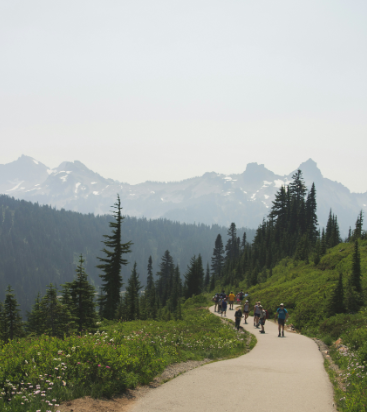
The Allure of Hiking
Hiking has emerged as one of the most cherished outdoor activities among individuals seeking both adventure and tranquility. As more people turn to nature, this engaging pastime encourages exploration of the great outdoors while providing an escape from the hustle and bustle of daily life. The allure of hiking lies not only in the breathtaking views but also in the myriad benefits associated with this immersive experience.
From a physical standpoint, hiking offers a full-body workout that improves cardiovascular health, builds strength, and enhances flexibility. Navigating varied terrains demands not only endurance but also coordination, making it a comprehensive exercise for people of all fitness levels. Furthermore, hiking can be a low-impact activity, allowing individuals to adjust their pace and intensity according to personal preferences and abilities.
Mentally, the advantages of hiking are profound. Time spent in nature fosters a sense of calm and serenity, often leading to reduced stress and anxiety. Engaging with scenic landscapes can provide a refreshing perspective, allowing individuals to unwind and recharge. Studies have shown that spending time outdoors significantly boosts mood and overall mental well-being, creating a pathway for self-reflection and mindfulness.
Emotionally, hiking can forge bonds among friends and family, promoting social interaction and shared memories. Organizing a group hike is not only a chance to appreciate nature collectively but also a way to cultivate camaraderie among enthusiasts. As more individuals join this thriving community, they share insights and tips on the best trails and locations, enriching the overall experience.
The simplicity yet profound impact of hiking makes it a captivating activity that continually invites outdoor enthusiasts to explore, discover, and appreciate the beauty of nature. In this post, we will delve into some of the top hiking destinations that promise unforgettable experiences amidst stunning landscapes.
Criteria for Selecting Top Hiking Destinations
When evaluating the top hiking destinations, it is essential to consider several key factors that contribute to the overall experience of outdoor enthusiasts. Firstly, scenic beauty plays a significant role in attracting hikers. Destinations that offer stunning vistas, unique geological formations, and picturesque landscapes tend to leave a lasting impression on visitors. Whether it is a majestic mountain range, a serene lake, or a lush forest, the aesthetic appeal of a location can greatly enhance the hiking experience.
Another crucial element is trail difficulty. Hiking routes vary widely in their level of challenge, from easy strolls suitable for families to strenuous treks designed for experienced adventurers. A well-balanced selection of trails catering to different skill levels helps ensure that outdoor enthusiasts can find suitable options, regardless of their physical fitness or experience. By considering varying degrees of difficulty, hiking destinations can attract a broader range of visitors, from casual walkers to seasoned mountaineers.
Accessibility is also a vital criterion when selecting hiking destinations. Areas that are easily reachable via well-maintained roads or public transportation make it convenient for hikers to access trails without facing unnecessary barriers. Furthermore, the presence of adequate facilities, such as parking areas, restrooms, and information centers, can significantly improve the overall hiking experience.
Lastly, biodiversity within a hiking destination is paramount. Regions rich in flora and fauna offer a unique opportunity for hikers to immerse themselves in nature, making the experience not only enjoyable but also educational. The chance to encounter diverse ecosystems and wildlife enhances the allure of hiking, promoting appreciation for the natural environment.
Overall, these criteria are essential in determining the top hiking destinations that cater to outdoor enthusiasts seeking memorable experiences in nature.
National Parks: America’s Treasures
America’s national parks offer some of the most breathtaking hiking trails in the world, providing outdoor enthusiasts a unique opportunity to explore stunning landscapes, diverse ecosystems, and rich cultural heritage. These parks are not just protected areas; they represent significant natural treasures, showcasing some of the best hiking experiences imaginable.
One of the most renowned locations is Yellowstone National Park, famous for its geothermal features and abundant wildlife. Hikers can traverse the Hazard Lake Trail, a moderately strenuous path that leads to beautiful, secluded lakes surrounded by lush forests. This trail allows visitors to experience the pristine wilderness and offers excellent opportunities for wildlife spotting, especially for birdwatchers.
In California, Yosemite National Park beckons with its iconic granite cliffs and majestic waterfalls. The Mist Trail is a popular choice among adventurers, taking hikers past the thundering Vernal and Nevada Falls. As one ascends, they are greeted with breathtaking vistas that exemplify Yosemite’s unique geological features. Importantly, this trail is known for its steep inclines, making it a challenging yet rewarding experience.
Further south, the Grand Canyon National Park is home to some truly legendary trails. The Bright Angel Trail offers access to the canyon’s breathtaking depths, winding through stunning rock formations and providing panoramic views of the surrounding landscape. Hikers on this trail can expect varying temperatures and should be equipped with adequate supplies, as the trek can be long and demanding.
Each of these national parks provides not only a remarkable hiking experience but also an encounter with nature that enriches the soul. With well-marked trails, diverse flora and fauna, and unparalleled scenery, these parks demonstrate why they are considered jewels among America’s natural treasures.
Hidden Gems: Less-Traveled Trails
For those seeking refuge from the crowded paths typically associated with hiking, less-traveled trails often serve as perfect alternatives. These hidden gems can be found in remote state parks, secluded canyons, and lesser-known nature reserves, allowing outdoor enthusiasts to immerse themselves in pristine landscapes without the noise of groups or commercialism. Such locations not only offer tranquility but also a chance to experience nature’s beauty in its rawest form.
One excellent destination to consider is the Congaree National Park in South Carolina. This park, renowned for its old-growth hardwood forest, showcases boardwalk trails that take hikers through lush greenery and diverse ecosystems rarely seen in other locations. By exploring areas like the Weston Lake Loop, visitors encounter serene surroundings, which are perfect for birdwatching and photography without being interrupted by large crowds.
Another remarkable spot is the Big Bend National Park in Texas, where stunning desert vistas and majestic mountains meet. Within this expansive park, trails like the Chisos Basin Loop cater to varying skill levels and provide an opportunity to witness spectacular sunrises and sunsets over the Chisos Mountains. These less-traveled paths often reveal wildlife, unique geological formations, and hidden springs that many might overlook when sticking to popular attractions.
Adventurers can also explore the San Juan Mountains in Colorado, which harbors numerous secluded trails that lead through alpine meadows and past cascading waterfalls. The Ice Lake Basin hike, for example, brings hikers to dazzling turquoise waters surrounded by towering peaks, making it a rewarding journey worthwhile for those willing to trek off the beaten path.
By delving into these less-traveled trails, outdoor enthusiasts can discover the beauty and solitude that many miss when venturing onto more popular hiking routes. Exploring these hidden gems not only enriches the hiking experience but also fosters a deeper appreciation for nature’s untouched landscapes.
International Hiking Adventures
For those seeking adventure beyond their own borders, the world offers an array of hiking trails that promise to be unforgettable. One of the most famous is the Inca Trail in Peru, a historical pathway that leads to the majestic Machu Picchu. This iconic trek spans approximately 26 miles through diverse ecosystems, from high-altitude mountain passes to lush cloud forests. Hikers not only experience stunning vistas but also delve into the rich cultural heritage of the Incas, making this a spiritually enriching experience.
In Europe, the Caminho de Santiago, or the Way of St. James, is another remarkable hiking trail. This pilgrimage route runs across northern Spain and attracts thousands each year, eager for both adventure and introspection. Participants can choose various paths, with the most popular being the Camino Francés, which starts in Saint-Jean-Pied-de-Port in France and culminates at the Cathedral of Santiago de Compostela. Along the journey, hikers encounter charming villages, historic monasteries, and breathtaking landscapes, allowing for a meditative hiking experience embedded in centuries of history.
Another gem for hiking enthusiasts is the Haute Route, which traverses the stunning Alps from Chamonix, France, to Zermatt, Switzerland. The Haute Route is celebrated for its spectacular mountain scenery, including views of iconic peaks such as Mont Blanc and the Matterhorn. This challenging trek typically spans about 180 kilometers and requires a good level of fitness, making it an ideal choice for seasoned hikers. The combination of alpine meadows, mountain passes, and glacial landscapes creates a picturesque backdrop that rewards every step.
In summary, international hiking trails such as the Inca Trail, Camino de Santiago, and Haute Route offer adventurers the chance to explore diverse cultures and landscapes. Each destination not only challenges physical endurance but also enriches the soul, leaving hikers with unforgettable experiences amid the beauty of nature.
Essential Gear and Preparation for Hiking
Embarking on a hiking adventure requires not only enthusiasm but also careful preparation and the right gear. The success of your expedition greatly depends on your readiness and the equipment you choose to take. Essential gear includes the appropriate clothing, footwear, and safety equipment that can enhance your hiking experience. Comfortable, moisture-wicking clothing is crucial, as it helps regulate body temperature and prevents chafing. Additionally, durable and supportive hiking boots are paramount. These shoes should provide ankle support and a good grip, especially when traversing rugged terrain.
Safety equipment should not be overlooked. A sturdy backpack is necessary to carry your essentials, which might include a first aid kit, a flashlight, navigation tools such as a map and compass, and a multi-tool or knife. Hydration is vital during hikes, so carrying enough water or a reliable water filtration system is essential. It’s advisable to also pack high-energy snacks or meals to maintain your energy levels.
Preparation goes beyond gear. Prior to setting off, it is crucial to assess your fitness level and train appropriately. Regular cardiovascular and strength training can greatly enhance your hiking performance. Furthermore, research your chosen trail to understand its difficulty, distance, and weather conditions. Be sure to consider the necessary permits or regulations required for certain trails, as many national parks and protected areas have specific guidelines.
Logistical planning includes arranging for accommodations, whether camping or staying in nearby lodges. This preparation not only ensures comfort but also minimizes the risk of encountering unexpected situations. By adequately preparing and gathering the necessary gear, outdoor enthusiasts can ensure a safe and enjoyable hiking experience.
Hiking Etiquette: Respecting Nature and Fellow Hikers
Hiking is not only a means to explore the great outdoors but also a shared experience among enthusiasts looking to immerse themselves in nature. Therefore, practicing proper hiking etiquette is crucial for enjoying these outdoor experiences while respecting both the environment and fellow hikers. One of the key principles of hiking etiquette is courtesy on the trails. When encountering other hikers, it is generally accepted that those traveling uphill have the right of way. This promotes a smoother flow of traffic on trails, particularly narrow ones. Additionally, it is essential to communicate your presence, either visually or verbally, when approaching others to prevent startling them.
Another fundamental concept is adhering to the Leave No Trace principles. These guidelines are designed to minimize the impact of outdoor activities on the environment. Hikers should avoid picking plants or disturbing wildlife, as these natural elements play critical roles in their ecosystems. Trash and waste should always be packed out, leaving the environment as pristine as it was found. When hiking in groups, staying on marked trails is vital to prevent erosion and the degradation of natural habitats.
Furthermore, it is important to maintain a respectful noise level. While sharing an experience with friends can be enjoyable, excessive noise can disrupt the tranquility of nature and infringe upon the experiences of others. Similarly, pet owners should ensure their animals are leashed and under control to avoid unintended confrontations with wildlife or other hikers.
In conclusion, by observing these essential aspects of hiking etiquette, outdoor enthusiasts can contribute to a more harmonious hiking experience for themselves and their fellow adventurers, ensuring the preservation of trails for future generations to enjoy.
Seasonal Hiking: Best Times to Hit the Trails
Hiking is a dynamic outdoor activity that significantly varies with the changing seasons, each offering unique experiences and challenges. Understanding the seasonal highlights is crucial for outdoor enthusiasts aiming to optimize their hiking adventures.
Spring marks the awakening of the natural world, making it a splendid time to explore blooming wildflowers and enjoy mild temperatures. Popular hiking destinations such as the Great Smoky Mountains National Park showcase stunning displays of vibrant flora during this season. However, hikers should remain cautious of lingering snow and muddy trails, particularly in mountainous areas, necessitating appropriate gear and planning.
Summer is traditionally viewed as the peak hiking season, characterized by longer days and warmer weather. Trails like those found in the Pacific Northwest thrive with lush greenery, presenting a breathtaking backdrop for outdoor excursions. Nevertheless, accessibility can vary, as some trails might be more crowded, particularly in popular national parks. It is advisable to embark on hikes early in the morning to avoid both the heat and larger crowds.
As autumn approaches, the changing foliage transforms landscapes into stunning displays of reds, oranges, and yellows, especially in regions such as New England. This season offers cooler temperatures ideal for hiking. However, it is essential to keep in mind that daylight hours diminish, prompting early start times to ensure safety on the trails. Additionally, certain high-altitude locations might start to close trails due to early snowfalls.
Winter brings both beauty and challenges to hiking. While snow-covered landscapes can be picturesque, winter hiking necessitates specialized equipment, including snowshoes or crampons. Destinations like the Rocky Mountain National Park offer winter trails that require additional preparation for safely navigating icy conditions. Winter hikes provide solitude and a unique perspective of nature, but thorough planning and awareness of weather changes are paramount for a secure outing.
Conclusion: The Journey Awaits
As we reflect on the remarkable hiking destinations discussed, it becomes evident that each trail offers more than just scenic views; they provide opportunities for adventure, introspection, and connection with nature. Hiking serves as a pathway to not only physical fitness but also mental wellness, allowing individuals to decompress from the demands of modern life. The immersive experience of being outdoors can rejuvenate the spirit, inspire deeper appreciation for the environment, and foster a sense of community among similarly-minded outdoor enthusiasts.
Exploring these hiking trails invites an enriching journey that transcends the mere act of walking. It encourages individuals to engage their senses, discover hidden treasures in landscapes, and encounter wildlife in their natural habitats. Whether traversing mountainous paths, wandering through lush forests, or strolling along picturesque shorelines, each hike can contribute significantly to one’s overall well-being. The act of venturing outdoors has been shown to reduce stress, improve mood, and increase levels of physical activity.
As you contemplate your next hike, consider sharing your experiences with fellow outdoor lovers. Community involvement is vital in fostering a culture that values and protects our natural resources. By exchanging stories and insights, you can inspire others to embark on their own adventures and deepen their connection to the beautiful trails across the globe. Don’t hesitate to document your journeys and let others know about the breathtaking vistas or challenging paths you encountered.
The adventure of hiking awaits, and the trails are calling. Equip yourself with curiosity and an open heart as you explore new landscapes and create cherished memories along the way. Embrace the call of the wild, and let the journey unfold one step at a time.