

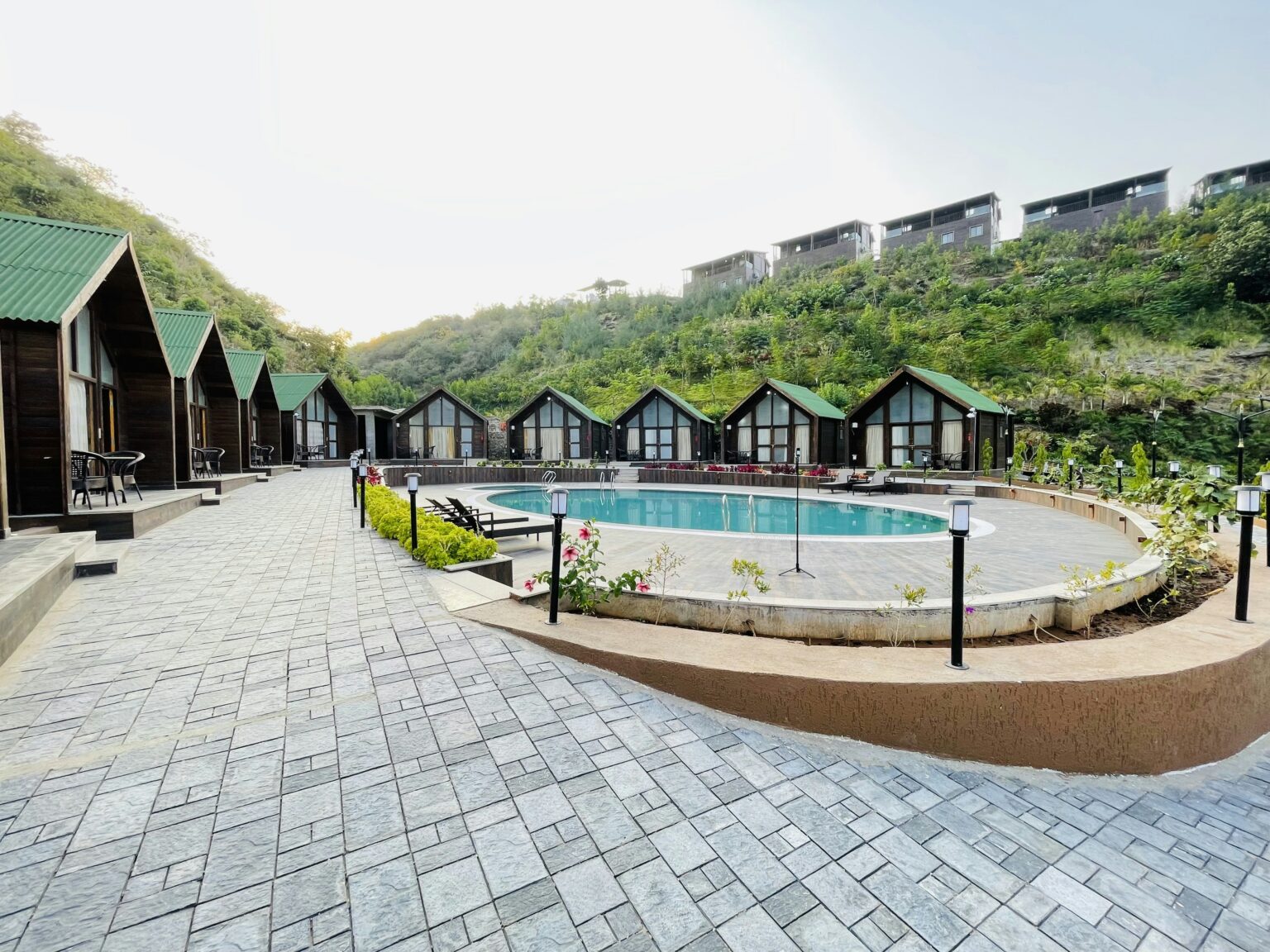
Introduction to Wellness Retreats
In recent years, wellness retreats have gained significant traction as an essential avenue for individuals seeking relief from the stresses of daily life. These retreats, often set in serene locations, provide a sanctuary for individuals looking to reconnect with themselves and prioritize their well-being. The concept of a wellness retreat encompasses a variety of programs designed to promote mental, physical, and emotional health through immersive experiences.
The primary purpose of wellness retreats is to offer a structured environment where participants can escape their everyday routines and focus on rejuvenation. This could involve various activities, including yoga, meditation, nutrition workshops, and holistic therapies, each tailored to foster personal growth and relaxation. The tranquil setting allows guests to step away from distractions and prioritize their health, which has become increasingly vital in our fast-paced world.
As society becomes more aware of the importance of self-care, wellness retreats serve as a crucial resource. Many people find themselves overwhelmed by work obligations and personal responsibilities, leading to burnout and diminished mental health. This growing awareness fuels the popularity of such retreats, making them an appealing option for those looking to recharge and reset. Whether through structured programs or free time to explore personal interests, attendees often leave these retreats feeling revitalized and inspired.
Moreover, wellness retreats support not just individual healing but also foster a sense of community among participants. Engaging in shared experiences can lead to meaningful connections, as attendees bond over their personal journeys towards wellness. This supportive environment further enhances the overall benefits of the retreat, making it a powerful experience for all involved.
Types of Wellness Retreats
Wellness retreats offer a myriad of options tailored to different needs, preferences, and wellness objectives. These retreats can transform one’s physical and mental well-being through various activities and approaches. Understanding the distinct types can help individuals choose the retreat that aligns best with their goals.
Yoga retreats, for instance, are designed to integrate physical practice with mental training. Participants engage in yoga sessions that range from beginner to advanced levels, accompanied often by meditation and breathing exercises. These retreats target individuals seeking to enhance their flexibility, balance, and inner peace through a holistic approach.
Meditation workshops represent another prominent category. These retreats focus on the mental aspect of wellness, emphasizing mindfulness and relaxation techniques. Participants engage in guided meditations, often set in tranquil environments to foster deep concentration and stress relief. Such experiences are especially beneficial for those seeking a greater sense of presence and emotional clarity.
Digital detox retreats have gained traction in today’s technology-driven society. They aim to disconnect participants from their devices, encouraging them to engage in self-reflection and interpersonal connection without digital distractions. Activities may include outdoor adventures, art therapy, or group discussions, catering to individuals who feel overwhelmed by constant connectivity.
Lastly, spa retreats combine luxurious services with holistic approaches to health. These venues often provide a wide range of spa treatments, such as massages, facials, and body therapies, enhancing relaxation while promoting physical health. They are ideal for those looking to indulge in pampering while focusing on rejuvenation.
By exploring these various types of wellness retreats, individuals can better identify which type resonates with their unique wellness needs, ultimately guiding them towards a transformative experience.
Benefits of Attending a Wellness Retreat
Attending a wellness retreat offers a multitude of benefits that are instrumental in enhancing overall well-being. One of the primary advantages is stress reduction. With an increasing number of individuals experiencing chronic stress in their daily lives, a structured retreat provides an escape from the usual demands. Research has shown that environments designed for relaxation, such as those found in wellness retreats, can significantly decrease cortisol levels, promoting a sense of tranquility and rejuvenation.
Another notable benefit is the improvement in mental clarity. By stepping away from everyday distractions, participants are able to engage in activities focused on mindfulness and reflection. Studies indicate that focused mindfulness practices, often a core component of wellness retreats, can lead to improved cognitive functions and greater emotional resilience. Attendees commonly report a renewed sense of purpose and direction after immersive experiences that prompt deep introspection.
Enhanced physical fitness is also a common outcome of wellness retreats. Many retreats incorporate physical activities such as yoga, hiking, or group fitness classes into their programs. Regular participation in these activities promotes cardiovascular health, flexibility, and strength, thus contributing to improved physical well-being. Research supports that engaging in consistent physical activity not only enhances fitness levels but also boosts mood and energy.
Lastly, attending a wellness retreat can foster better emotional balance. By immersing oneself in a supportive community, individuals often find opportunities to forge connections with others who share similar wellness goals, which can lead to lasting friendships and support networks. Emotional balance is paramount for overall life satisfaction, and evidence suggests that such social support can be crucial in achieving and maintaining mental health.
How to Choose the Right Wellness Retreat
Choosing the right wellness retreat is a crucial step in your journey towards rejuvenation and self-discovery. To make a well-informed decision, it is essential to consider several key factors that align with your personal health and wellness goals.
Firstly, begin by identifying your personal goals. Are you seeking a retreat focused on yoga, mindfulness, detoxification, or perhaps a combination of wellness activities? Understanding what you hope to gain from your experience will guide your choices. Reflecting on whether you require stress relief, physical rejuvenation, or mental clarity will help narrow down suitable options.
Budget is another important consideration. Wellness retreats can vary significantly in cost, and it is vital to select one that fits within your financial means. Determine the value of the amenities, services, and programs offered to ensure the experience matches your investment. Some retreats may include meals and accommodation, while others may charge additional fees for specific activities, so it’s crucial to clarify what the package entails.
Location plays a significant role in your retreat experience. Whether you prefer a serene environment surrounded by nature or the convenience of a nearby facility, choose a location that resonates with you. Consider how the setting influences your ability to relax and engage fully in the programs provided.
The duration of your stay can also impact the effectiveness of your retreat. Whether you opt for a weekend getaway or an extended stay, ensure that the length allows you to immerse yourself in the wellness programs without feeling rushed or overwhelmed.
Lastly, review the types of programs offered by the retreat. Investigating the expertise of the instructors and the variety of offerings, such as fitness classes, workshops, or therapeutic sessions, is fundamental. A diverse program that caters to different aspects of wellness ensures a holistic experience.
Top Wellness Retreat Destinations Around the World
When it comes to wellness retreats, there are numerous breathtaking destinations worldwide that offer rejuvenating experiences for the body and soul. Among these, Bali stands out as a top choice. Known for its serene landscapes, lush forests, and calming beaches, Bali hosts a variety of holistic retreats. Activities range from yoga and meditation sessions to natural spa treatments utilizing local ingredients. The island’s spiritual atmosphere greatly enhances one’s journey towards inner peace and wellness.
Another remarkable destination is Sedona, Arizona, renowned for its stunning red rock formations and energy vortexes that are said to promote healing and balance. Wellness retreats in Sedona focus on outdoor activities like hiking and guided meditations, which take advantage of the tranquil environment. Many programs also integrate therapeutic life coaching, helping individuals cultivate personal growth amid the serene backdrop of nature.
Costa Rica is equally acclaimed for its lush rainforests, pristine beaches, and commitment to sustainability. Wellness retreats in this Central American paradise offer a plethora of activities including surfing lessons, guided rainforest excursions, and organic cooking classes. The emphasis on connecting with nature through eco-friendly practices nurtures a sense of health and well-being, making it an ideal location for rejuvenation.
Lastly, Tuscany, Italy enchants visitors with its rolling hills, historical charm, and culinary delights. Wellness retreats here focus on holistic practices combined with wine tasting and farm-to-table dining experiences. Guests can participate in activities such as vineyard tours and cooking classes, which not only relax the mind but also nourish the body. The combination of the picturesque landscape and cultural richness creates a perfect ambiance conducive for restoring one’s vitality.
Experiences and Activities at Wellness Retreats
Wellness retreats offer a unique opportunity to engage in a variety of experiences and activities designed to promote personal growth and healing. Upon arrival, guests are typically welcomed into a serene environment that sets the tone for the transformative journey ahead. A typical day at a wellness retreat begins with guided meditations, allowing individuals to center themselves and cultivate mindfulness. These sessions often include breathing exercises and visualizations that help participants connect with their inner selves.
After meditation, many retreats offer invigorating group fitness classes. These classes can range from yoga and pilates to high-intensity interval training (HIIT), catering to diverse fitness levels. Engaging in these activities not only enhances physical health but also fosters a sense of community among participants.
Following a morning of physical activity, guests often have the opportunity to participate in nutrition workshops. These sessions provide valuable insights into healthy eating habits, meal planning, and the importance of a balanced diet, helping participants make informed choices that contribute to long-term well-being.
A crucial component of wellness retreats is the array of spa treatments available. From massages to facials and holistic therapies, these relaxing treatments are designed to melt away stress and rejuvenate the body. Guests may also enjoy opportunities for outdoor activities, such as hiking or nature walks, which allow individuals to connect with nature, enhance their mood, and embrace physical fitness.
As the day winds down, evening activities may include group discussions, journaling sessions, or sound healing experiences, further promoting reflection and personal development. Each of these thoughtfully crafted experiences serves to uplift and recharge the spirit, making wellness retreats a truly holistic approach to health.
Personal Stories: Transformative Retreat Experiences
Many individuals have found solace and inspiration through wellness retreats, often sharing their personal journeys that illustrate the profound impact these experiences have on their lives. One such individual, Sarah, recounts her transformative experience at a retreat nestled in the mountains. Initially seeking a break from her bustling city life, she discovered not only tranquility but also a renewed sense of purpose. The structured activities, such as guided meditations and yoga classes, encouraged deeper introspection, allowing her to confront stressors that had long overshadowed her peace of mind. As Sarah describes, this retreat served as a pivotal point in her life, enabling her to embrace mindfulness and develop healthier coping mechanisms.
Similarly, James’s story highlights the therapeutic effects of participating in a wellness retreat focused on nature immersion. During his stay, he engaged in various outdoor activities like hiking and gardening, fostering a connection with the natural world. James credits this experience with rekindling his passion for life, which had dwindled due to the pressures of modern living. Through conversations with fellow attendees and guided discussions with wellness coaches, he gained insights that have transformed his perspective on work-life balance. By immersing himself in this nurturing environment, James not only discovered relaxation but also developed lasting friendships that continue to support his wellness journey.
These narratives serve as a testament to the enriching experiences offered by wellness retreats. Participants often leave with renewed vigor and clarity, ready to tackle life’s challenges with a fresh outlook. As evidenced by Sarah and James, the journey to recharge in a supportive environment can lead to profound personal transformation, making wellness retreats an invaluable resource for many seeking to rejuvenate their souls.
Integrating Retreat Lessons into Daily Life
Wellness retreats often provide a transformative experience aimed at fostering rejuvenation and self-discovery. However, the challenge arises in effectively integrating the lessons learned from these retreats into daily life. To sustain the benefits of mindfulness, healthy habits, and self-care, it is essential to develop actionable strategies that can seamlessly fit into everyday routines.
One effective strategy is the practice of mindfulness meditation, which can be easily incorporated into your morning or evening routine. This practice allows you to cultivate awareness and presence, reducing stress and enhancing emotional resilience. Start with just a few minutes each day, slowly increasing the duration as you become more comfortable. Additionally, consider utilizing guided meditation apps or local workshops to reinforce this practice.
Another essential aspect of integrating lessons from wellness retreats is establishing healthy eating habits. After experiencing nourishing meals during your retreat, it is crucial to recreate that environment at home. Meal planning and preparation can be an excellent way to ensure you are consuming nutrient-rich foods regularly. Engage in the practice of cooking with fresh, seasonal ingredients, and consider adopting a plant-based diet where possible to maintain optimal health.
Furthermore, self-care should be a non-negotiable aspect of your daily routine. Schedule time for activities that bring you joy and relaxation, whether that involves reading, engaging in creative pursuits, or physical exercise. Maintaining a consistent exercise regimen not only promotes physical health but also enhances mental well-being, echoing the benefits experienced at the retreat.
Lastly, surround yourself with a supportive community that shares your commitment to wellness. This can involve attending local groups, workshops, or even connecting with friends who have similar interests. By fostering relationships that encourage holistic living, you can create a sustainable environment for personal growth. Each of these strategies is vital in transforming your retreat experience into lasting, positive changes in your everyday life.
Conclusion and Call to Action
Wellness retreats play a significant role in enhancing individuals’ overall well-being by offering an opportunity to step away from the daily grind and reconnect with oneself. These retreats provide a serene environment where participants can indulge in self-care practices that foster physical, mental, and emotional health. Whether through yoga sessions, meditation workshops, or holistic therapies, wellness retreats are designed to rejuvenate the spirit, reduce stress levels, and promote a sense of balance in life.
As we navigate through the hectic demands of modern living, the importance of taking time for self-reflection and rejuvenation cannot be overstated. Incorporating wellness retreats into one’s routine can serve as a powerful tool for restoring energy and enhancing personal growth. By immersing oneself in the tranquil nature of a retreat, individuals often find the inspiration and tools necessary to sustain their wellness journey long after the retreat ends.
Considering the profound benefits that these retreats offer, it is highly encouraged for individuals to contemplate planning a wellness escape for themselves. Engaging in such transformative experiences not only provides immediate relief from stress but also equips participants with valuable skills and practices that can be integrated into their everyday lives.
We invite you to explore upcoming wellness retreats that resonate with your personal wellness goals or to connect with fellow seekers on similar journeys. Whether you are interested in yoga, mindfulness, nutrition, or any other wellness modalities, there is likely a retreat that aligns with your interests. Take the next step towards rejuvenating your soul; the peace and renewal that await you could be life-changing.