

Introduction to Hidden Beaches
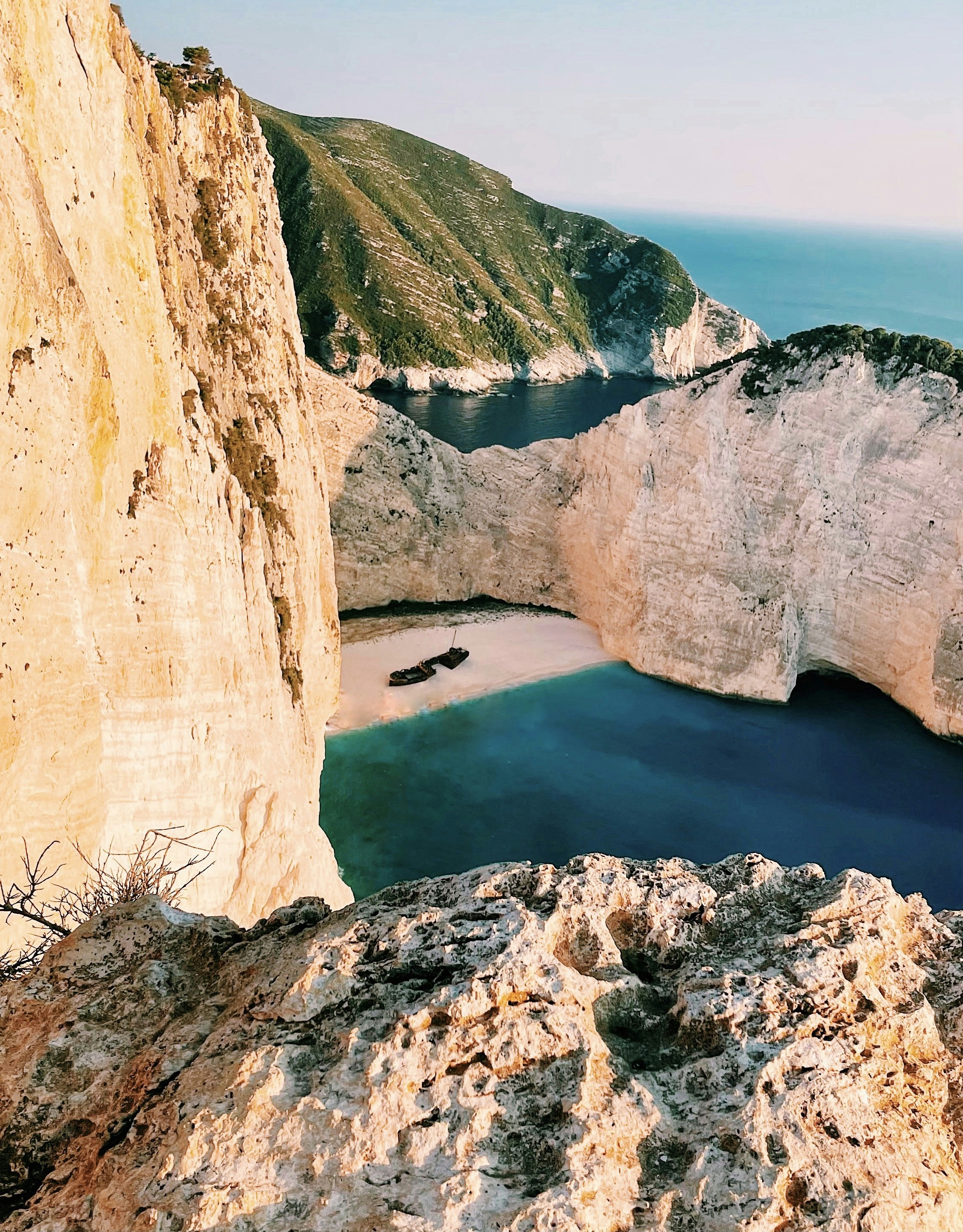
Hidden beaches are often described as secret or secluded spots that provide an extraordinary escape from the bustling tourist destinations commonly visited around the world. These stunning locations, often tucked away from the public eye, possess a unique charm that attracts travelers seeking tranquility and natural beauty. Unlike popular beaches that can become overcrowded with sunbathers and vendors, hidden beaches offer an intimate experience with nature, enabling visitors to unwind in peace amidst breathtaking landscapes.
The allure of hidden beaches lies in their untouched beauty. Surrounded by lush greenery, dramatic cliffs, or vibrant marine life, these secluded stretches of sand serve as a canvas for nature’s splendor. Crystal-clear waters and pristine shorelines create a serene environment that is perfect for those looking to connect with nature. This natural beauty is enhanced by the sounds of waves crashing against the shore and the gentle rustle of palm trees swaying in the breeze, providing an idyllic soundtrack for relaxation.
For adventurous souls, the search for hidden beaches fuels the thrill of exploration. Many hidden beaches are accessible only by hiking, boating, or through unmarked paths, appealing to those who yearn for a sense of adventure. Discovering these secluded paradises often requires some effort, but the reward is a unique experience that cannot be found in more commercialized locations. The chance to bask in solitude, witness awe-inspiring sunsets, or encounter local wildlife adds an extra layer of magic to each visit.
Criteria for Finding Hidden Beaches
Hidden beaches are often distinguished by key characteristics that set them apart from the more popular tourist destinations. One primary factor is accessibility. These secluded spots are frequently located off the beaten path, making them less accessible by conventional means. Potential visitors may need to hike, traverse rocky terrain, or rely on boats to reach these tranquil shores. The rare nature of access often translates to a lower volume of visitors, preserving the serene atmosphere.
Another important criterion is location. Hidden beaches can be found in remote coastal areas, tucked away between cliffs, or shielded by dense foliage. Often, they are situated in less developed regions, where natural beauty remains largely untouched by urbanization. This seclusion not only enhances the charm of the beach but also fosters unique ecosystems. The local flora and fauna, having thrived away from human interference, often presents incredible biodiversity that adds to the beach’s allure.
Additionally, unique environmental features often contribute to the identity of a hidden beach. These may include tide pools, striking rock formations, or distinctive geological characteristics that adorn the shoreline. Such features offer visitors not only a scenic experience but also the opportunity for exploration and adventure.
To discover these hidden gems, travelers are encouraged to utilize local resources. Engaging with residents or local guides can provide invaluable insight into the best-kept secrets of the area. Social media platforms and travel blogs also serve as excellent sources for uncovering concealed spots; through hashtags and reviews, one can often find recommendations that lead to pristine beaches. Whether seeking solitude or the thrill of discovery, recognizing these traits empowers one to embark on a journey toward finding hidden beaches around the world.
Top Hidden Beaches in the Americas
When embarking on a quest to discover hidden beaches in the Americas, one will find a plethora of stunning yet lesser-known locations that offer exceptional beauty and diverse experiences.
One such gem is Playa del Amor in Mexico’s Marietas Islands. This striking beach is renowned for its unique cave setting, which can only be reached by swimming through a tunnel. It attracts visitors not only for its picturesque views but also for the vibrant marine life surrounding the area. The best time to visit is during the dry season between November and April, and visitors should book a guided tour to explore the islands effectively.
Further south, in Costa Rica, the Playa Carrillo is a pristine beach often overlooked by tourists. This crescent-shaped shore is surrounded by palm trees and golden sand, making it ideal for relaxation. Additionally, visitors can witness local wildlife, including sea turtles and a variety of birds. To reach Playa Carrillo, travelers can drive from the nearby town of Samara, with the dry season from December to April providing the perfect conditions for sunbathing and swimming.
Crossing into South America, Praia do Sancho in Brazil boasts a reputation among the world’s best beaches. Nestled within the Fernando de Noronha archipelago, this beach is characterized by its soft golden sands and crystal-clear waters. Praia do Sancho is accessible via a steep staircase and is a haven for snorkeling and diving enthusiasts. Visitors are encouraged to plan their trips during the dry season, from August to December, to enjoy the beach at its best.
These hidden beaches not only promise breathtaking landscapes but also offer unique experiences rooted in nature and culture, making them worthwhile destinations for the discerning traveler.
Hidden Beaches in Europe
Europe is home to an array of hidden beaches, each offering unique landscapes, cultural significance, and a serene escape from the busy resorts. These hidden gems often present an opportunity to experience the local culture more intimately than their more commercialized counterparts.
One notable hidden beach is Cala Luna, located in Sardinia, Italy. Accessible only by boat or a scenic hike, this crescent-shaped bay features crystal-clear waters framed by dramatic cliffs. It is renowned for its natural beauty and cultural significance, as it lies near ancient sites and offers insights into the region’s history. Visitors can enjoy swimming, hiking, or simply soaking in the tranquil atmosphere while savoring local delicacies packed for a perfect day out.
In Spain, the lesser-known Playa de las Catedrales in Galicia is a fascinating sight. Named for its cathedral-like rock formations, this beach is best visited during low tide, when the natural arches are visible. The beach is culturally significant, as it is a protected area, exemplifying the region’s environmental efforts. Travelers can participate in guided tours that explain the unique geological features, which helps foster a deeper appreciation for the landscape.
Meanwhile, the secluded Kokkini Limni beach on the Pelion Peninsula in Greece embodies tranquility. With its wooden chairs and minimal development, it offers an authentic beach experience, away from the crowded shores of Mykonos and Santorini. It is wise to visit during the shoulder seasons of late spring or early fall to avoid the tourist rush while enjoying warm weather and local festivals. Water activities such as kayaking and snorkeling can also be enjoyed, thanks to the clear waters rich with marine life.
These hidden beaches of Europe underscore the importance of preserving natural spaces and cultural heritage. By embracing these lesser-known destinations, travelers can uncover the diverse beauty of the continent while creating memorable experiences away from the mainstream tourist trails.
The Beauty of Asia’s Secret Shores
Asia, with its diverse landscapes and rich cultural heritage, is home to a myriad of hidden beach destinations that often remain overlooked by travelers seeking sun and sea. These secret shores offer not only stunning views but also a chance to experience authentic local culture, making them the ideal choice for those looking to escape the crowds and discover beauty off the beaten path.
One of the most enchanting lesser-known beaches is located in the Philippines, specifically in the hidden coves of Siargao Island. Known primarily for its surfing spots, the island also features pristine white sand beaches like Naked Island and Daku Island, where visitors can enjoy tranquil days surrounded by turquoise waters and swaying palms, far from the bustling tourist destinations. Another gem is the beach of Maya Bay in Thailand, which was closed to tourists for several years to recover from environmental damage. Nearby, however, lies a multitude of lesser-known beaches like Freedom Beach, where visitors can bask in isolation while immersing themselves in the natural beauty.
In addition to breathtaking landscapes, the cultural experiences near these beaches are equally remarkable. On the more remote islands of Indonesia, such as Gili Tarawangan, travelers can engage with local communities, participate in traditional fishing practices, and savor authentic regional cuisine. To get the most out of your beach visits in Asia, it is wise to plan your journey during the off-peak seasons. This not only allows for a more personal experience but can also help preserve the natural environment. Further, travelers should be mindful of the local customs and strive to respect and support the local economies by purchasing handmade crafts and dining in family-owned restaurants.
With careful planning and respect for local ecosystems, exploring Asia’s hidden beaches can reveal remarkable landscapes and vibrant cultures waiting to be discovered.
Australia and Oceania’s Best-Kept Coastal Secrets
Australia and the Oceania region boast a myriad of hidden beach gems, each showcasing breathtaking natural beauty and a diverse marine ecosystem. From the rugged coastlines of Australia to the pristine shores of the Pacific islands, these secluded beaches offer an escape to nature’s untouched serenity. One such hidden treasure is Whitehaven Beach, located in the Whitsunday Islands. Renowned for its soft, white sand and crystal-clear turquoise waters, it’s the perfect spot for relaxation and exploration. Here, visitors can witness the vibrant marine life, including colorful corals and exotic fish, contributing to the area’s ecological richness.
Another lesser-known destination is Lord Howe Island, situated between Australia and New Zealand. This UNESCO World Heritage site features stunning beaches like Ned’s Beach, where visitors can snorkel alongside turtles and an array of tropical fish. The island’s commitment to preserving its natural environment makes it a wonderful case study in responsible tourism, ensuring that its beauty remains intact for future generations.
In Fiji, the secluded beaches of the Yasawa Islands provide a paradise for beach lovers seeking tranquility. With dramatic geological formations and opportunities for marine wildlife encounters, these islands stress the importance of sustainable tourism practices. Visitors are encouraged to partake in eco-friendly activities, such as guided snorkeling tours that prioritize coral reef preservation and respect for marine habitats.
It is vital for travelers to embrace responsible tourism practices when visiting these hidden coastal gems. Simple actions such as staying on marked paths, reducing plastic use, and following local conservation guidelines can significantly contribute to preserving these breathtaking locations. As we explore these stunning beaches, let us remember the importance of protecting these extraordinary ecosystems to ensure that they remain intact for future explorers to enjoy.
Tips for Visiting Hidden Beaches Responsibly
Visiting hidden beaches offers an unparalleled opportunity to connect with nature in serene environments. However, it is critical to engage responsibly to protect these pristine areas for future generations. One paramount factor to consider is the respect for local wildlife. Hidden beaches often serve as habitats for various species, including nesting sea turtles and migratory birds. Ensure you maintain a safe distance and never disrupt their natural behavior. Educating yourself on the local fauna can help you appreciate their significance and recognize your role in their conservation.
Another vital practice is maintaining cleanliness. When enjoying these secluded locations, adhere to the principle of “leave no trace.” This means taking all your trash with you, avoiding single-use plastics, and minimizing your impact on the beach environment. Some hidden beaches may lack waste disposal infrastructure; therefore being responsible for your waste management is essential. To further enhance your visit, consider using eco-friendly products, as they contribute to the preservation of these natural settings.
Engaging positively with local communities is crucial for fostering sustainable travel. Support local businesses by purchasing goods and services, and learn about the culture and traditions of the area. Respect the local customs and be aware of community initiatives aimed at preserving the beach environment. Engaging in volunteer opportunities, such as beach clean-ups, can provide a rewarding way to contribute back to these communities and helps in the preservation of these hidden gems.
Ultimately, the essence of responsible travel lies in being mindful of our impact and embracing ethical tourism. Prioritizing sustainability in your travel choices ensures that these hidden beaches remain a beautiful sanctuary for both visitors and wildlife alike.
Personal Stories and Experiences
Traveling to hidden beaches often leads to unforgettable experiences filled with adventure, discovery, and even moments of challenge. Many travelers have shared stories that highlight the allure and unique features of these secluded coastal gems. For instance, a solo traveler recounts her journey to a pristine beach tucked away in a national park. After a challenging hike guided only by a tentative map, she finally stumbled upon the beach, surrounded by towering cliffs and untouched sand. The memory of watching the sunset while listening to the gentle waves is forever etched in her mind, showcasing the transformative power of these tucked-away locations.
Another traveler shared his experience of navigating the rocky coast to reach a less frequented beach. What he expected to be a straightforward trek turned into a mini-adventure when he unexpectedly encountered a family of seals basking in the sun. This delightful surprise not only enhanced his trip but also reinforced the importance of patience and the willingness to embrace the unknown when exploring hidden treasures.
Some stories entail not just delightful discoveries but also glimpses into the natural challenges these remote beach settings can present. A couple shared their memorable escapade when they reached a secluded beach after a long day of searching. They faced difficulties such as high tides and rapid winds, but these obstacles ultimately strengthened their bond and provided signs of resilience amidst adversity. Such tales exemplify that the journey often holds significance equal to the destination itself.
Readers are encouraged to reflect on their personal experiences at hidden beaches. Have you ever ventured to a secluded coastal spot? What challenges did you encounter, and what memories did you carry back with you? Engaging with these unique stories helps to foster a community of travel enthusiasts who appreciate the beauty and unpredictability of hidden beaches around the world.
Conclusion: The Adventure Awaits
In our quest to explore the beautiful and often secluded beaches around the globe, we unearth not only stunning landscapes but also unique experiences that each hidden gem offers. These untouched shores provide a perfect escape from the hustle and bustle of everyday life, inviting travelers to immerse themselves in tranquil surroundings and pristine nature. Whether it is the soft sand beneath our feet or the gentle waves lapping at the shore, hidden beaches serve as a reminder of nature’s beauty and the adventures that await us.
As we consider our next travel destination, we should not overlook the allure of lesser-known sandy escapes. From the dramatic cliffs of a remote cove to the lush vegetation framing an unspoiled stretch of shoreline, these secret locations offer a rare opportunity to connect with nature. Exploring these beaches encourages a sense of discovery and personal adventure, allowing travelers to forge their own paths while enjoying scenic views that many have yet to experience.
However, with the treasure of hidden beaches comes the responsibility to preserve these natural wonders for future generations. It is imperative that as we seek out these serene locations, we also advocate for their protection. Minimizing our environmental footprint and practicing sustainable travel habits will ensure that these pristine areas remain unblemished and can be enjoyed by countless travelers in the years to come.
Therefore, let us embrace the call of adventure and set out to find our own hidden beaches, all while keeping in mind the importance of conservation. Just beyond the popular tourist spots lies a world of beauty waiting to be discovered—each hidden beach is a new adventure, a new story to tell.