
Introduction to Adventure Travel
Adventure travel has emerged as a prominent sector within the tourism industry, appealing to those who seek excitement and a break from the usual routines of everyday life. Defined broadly, adventure travel encompasses any journey that involves a degree of risk, physical activity, and exploration of natural environments. This can range from hiking through mountainous terrains to diving in uncharted waters, ensuring a diverse set of activities and experiences for adrenaline enthusiasts.
For thrill seekers, adventure travel presents numerous benefits; it not only provides physical challenges but also encourages personal growth and self-discovery. Engaging in high-octane activities can foster resilience, teamwork, and decision-making skills, making the experience not just about thrills, but also about life lessons. Furthermore, adventure travel often requires travelers to step outside their comfort zones, allowing them to confront fears and develop confidence.
Recent trends in adventure travel highlight a growing interest in sustainability and responsible tourism. Travelers are increasingly seeking out eco-friendly options that emphasize conservation and respect for local cultures. This conscious approach not only adds depth to the travel experience but also helps preserve the environments that thrill seekers are so eager to explore. Popular activities have evolved to include eco-adventures such as kayaking, mountain biking, and wildlife safaris, reinforcing the importance of maintaining harmony with nature while pursuing adventure.
Ultimately, the significance of adventure travel for thrill seekers lies in its ability to ignite passion and foster connections with both nature and fellow adventurers. As the adventure travel scene continues to innovate, it will cater to the desires of enthusiasts yearning for new explorations and memories, proving that adventure is an integral part of the human experience.
Top Adventure Travel Destinations
For thrill seekers, the world is filled with adventure travel destinations that offer an array of exhilarating activities. Among the most popular locations is New Zealand, renowned for its breathtaking natural landscapes and adrenaline-pumping sports. The stunning Queenstown is often referred to as the adventure capital of the world, offering skydiving, bungee jumping, and white-water rafting amidst picturesque views of mountains and lakes.
The next remarkable destination is Switzerland, particularly the Jungfrau region, which presents an unparalleled opportunity for mountain climbing and skiing. The majestic peaks and pristine slopes attract adventurers from all walks of life who seek both challenge and beauty in their pursuits. Additionally, the renowned trails in the area provide excellent trekking opportunities for those wishing to immerse themselves in nature.
In Asia, Bali has emerged as another leading adventure hotspot. Beyond its tranquil beaches, Bali is a hub for surfing, diving, and climbing Mount Batur, an active volcano. The stunning underwater world around this island makes it a premier destination for scuba diving enthusiasts, where coral reefs and diverse marine life abound.
Finally, Costa Rica presents an exciting combination of lush rainforests and vibrant wildlife, making it ideal for eco-therapy and adventure travel. Activities such as zip-lining through the treetops, surf kayaking, and exploring natural hot springs offer diverse adventures for anyone eager to experience nature’s beauty firsthand. Each of these destinations provides unique adventures that cater to the needs of thrill seekers, ensuring unforgettable experiences that leave lasting memories.
Extreme Sports and Activities
Adventure travelers seeking an adrenaline rush can explore a variety of extreme sports and activities at numerous thrilling destinations worldwide. Among the most exhilarating activities is bungee jumping, where individuals leap from a great height while secured by a harness attached to an elastic cord. Locations such as the Ronda Bridge in Spain or the AJ Hackett Bungy in New Zealand offer stunning views to enhance this exhilarating experience. Safety, however, should always be prioritized, with operators providing thorough briefings and using high-quality equipment.
White-water rafting is another adrenaline-pumping activity that allows adventurers to navigate turbulent river rapids. Popular spots for this sport include the Colorado River in the Grand Canyon and the Zambezi River in Africa. Participants typically undergo safety training and are provided with life jackets, helmets, and paddles. Emphasizing teamwork and communication, white-water rafting not only feeds the thrill seeker’s need for excitement but also fosters camaraderie among participants.
For those who prefer heights over water, rock climbing presents an ideal challenge. Renowned climbing destinations like Yosemite National Park in the USA and the Dolomites in Italy offer routes for beginners as well as seasoned climbers. It is recommended that climbers undertake proper training and ensure they possess necessary gear, including climbing shoes, harnesses, and ropes. Additionally, many climbing schools provide guided experiences to enhance safety and learning.
Lastly, paragliding provides a unique perspective of breathtaking landscapes from above. Locations such as the Swiss Alps and Lake Taupo in New Zealand serve as popular launch sites. Potential paragliders should undergo proper instruction and avoid unregulated companies to ensure a safe experience. With these extreme sports, adventurers can create unforgettable memories while prioritizing safety and preparation.
Nature and Wildlife Experiences
Adventure travel offers a unique opportunity for thrill seekers to engage with the great outdoors and its magnificent wildlife. Nature and wildlife experiences are among the most exhilarating adventures that a traveler can embark upon. From zip-lining through lush tropical jungles to embarking on thrilling safaris, these activities allow travelers to appreciate the natural wonders of the world while feeding their adrenaline cravings.
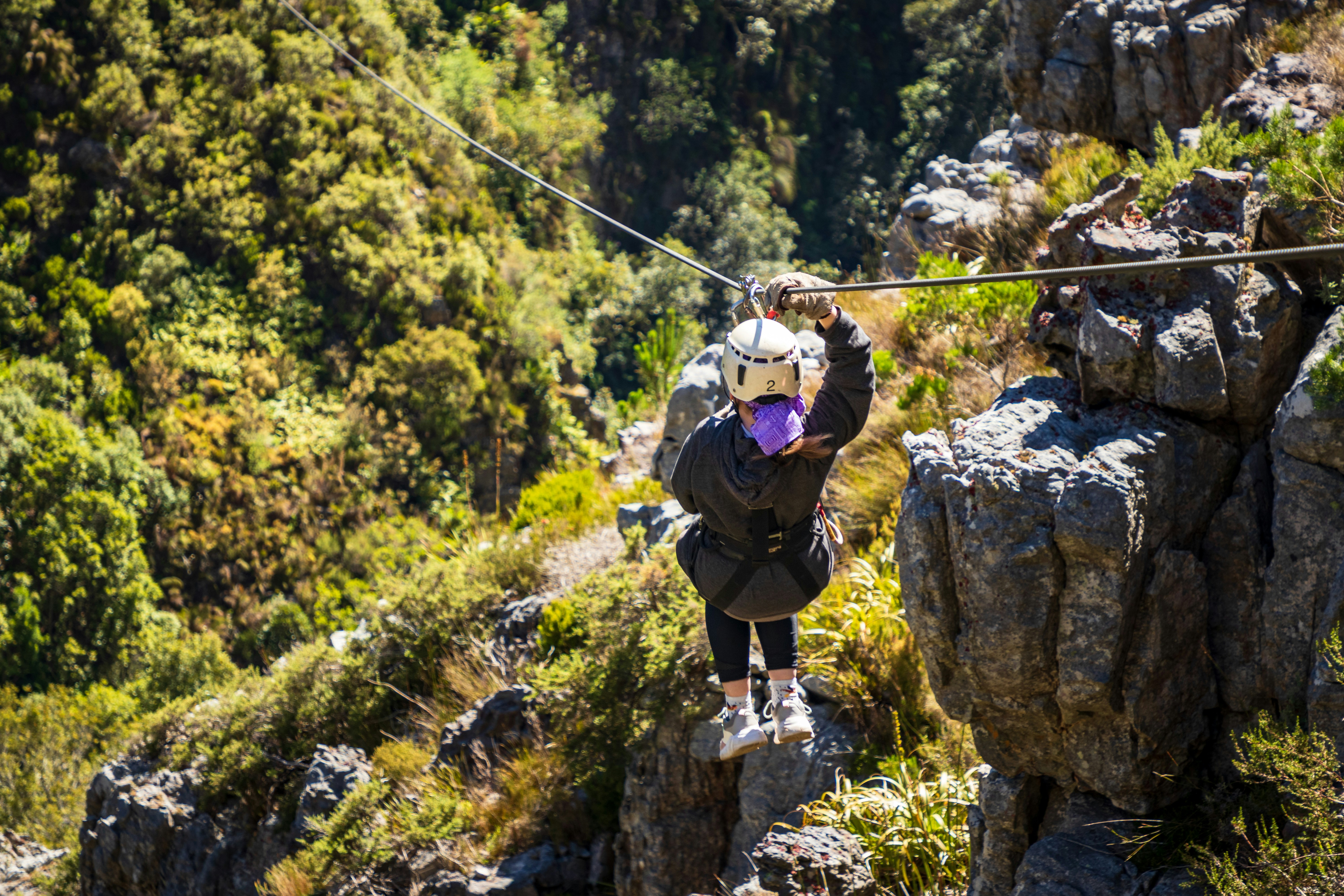
One of the most popular activities among adventure enthusiasts is zip-lining. This exhilarating experience allows thrill-seekers to glide through treetops, often accompanied by stunning views of rainforests or mountains. Countries like Costa Rica and New Zealand have become renowned for their zip-lining courses, which offer not only speed but also the chance to spot wildlife from an aerial perspective. Imagine soaring above a canopy, catching glimpses of vibrant birds and agile mammals that inhabit these lush environments.
Safaris, particularly in regions like Africa, are another profound way to engage with wildlife in its natural habitat. Standing in an open-top vehicle, travelers can observe majestic creatures such as elephants, lions, and giraffes in their native environments. The thrill of witnessing these animals roam freely is a heart-pounding experience that not only captivates the senses but also fosters a deeper appreciation for biodiversity and conservation efforts.
Furthermore, diving with sharks offers a different flavor of adventure. Locations like the Great Barrier Reef or the waters around the Bahamas provide opportunities for divers to encounter these majestic marine predators up close and personal. The thrill of being submerged in their territory, while ensuring safety through guided tours, enhances the overall appeal and excitement of this underwater escapade. Such unique interactions with wildlife, whether in the air, on land, or underwater, create unforgettable memories for adventure travelers.
Cultural Adventures
Adventure travel is often defined by adrenaline-pumping activities such as bungee jumping, mountain climbing, or white-water rafting. However, it also encompasses the engagement with local cultures and traditions, offering a profound dimension that thrill seekers may overlook. One of the most enriching ways to explore foreign lands is by diving into the cultural experiences that each destination has to offer.
Immersing oneself in the local customs can be as exhilarating as any extreme sport. For instance, travelers visiting Peru can embark on the famous Inca Trail to Machu Picchu, but the journey is made even more thrilling by the chance to engage with the indigenous Quechua people, learning about their ancient traditions and crafts. Similarly, a trip to Morocco can include a rugged trek through the Atlas Mountains, paired with stays in local Berber villages where one can participate in traditional cooking classes or artisanal pottery making, creating lasting memories.
Furthermore, participating in festivals can provide a unique thrill that combines cultural appreciation with adventure. The vibrant Holi festival in India, known as the “Festival of Colors,” allows visitors to experience the excitement of throwing colored powders while interacting with locals, thereby immersing oneself in a joyous celebration unlike any other. Likewise, attending the Running of the Bulls in Pamplona, Spain, offers not only an adrenaline rush but also a deep dive into Spanish culture, steeped in tradition and communal spirit.
When embarking on an adventure travel experience, it is crucial to remember that the cultural interactions can significantly enhance the journey. By understanding and appreciating the diverse traditions and day-to-day lives of local communities, thrill seekers can forge authentic connections and create enriching experiences that complement their adventurous pursuits. This holistic approach to travel will leave one with an exhilarating sense of accomplishment that goes beyond physical challenges.
Travel Tips for Thrill Seekers
For those yearning for an adventure travel experience filled with adrenaline, certain guidelines can help ensure a safe and exhilarating trip. Planning is the cornerstone of a successful adventure. Begin by identifying your preferred destinations and the types of activities you wish to engage in, whether it’s white-water rafting, rock climbing, or bungee jumping. Research the local environment to understand the timing and weather conditions, which can greatly affect your experience.
Once you have your destination and activities mapped out, selecting appropriate gear is vital. Invest in high-quality equipment that is designed for your chosen adventure sport. Not only does the right gear enhance performance, but it also plays a crucial role in ensuring safety. For instance, a good life jacket is essential for kayaking, while sturdy climbing shoes are necessary for rock climbing. Always check reviews and product specifications to ascertain their reliability in extreme conditions.
Physical preparation cannot be overstated as it contributes significantly to your ability to enjoy and complete the desired activities. Engage in specific training programs to build stamina, strength, and flexibility, tailored to your chosen adventure. This could include cardiovascular training for activities like biking, or specific strength training for climbing.
In addition to planning and gear, selecting the right guides or tour operators is essential for thrill seekers. Experienced guides can enhance both your safety and enjoyment, as they provide local knowledge and expertise. Always check the credentials of tour operators and seek reviews from others who have participated in the same experiences.
Finally, personal safety should be a primary concern. Familiarize yourself with emergency procedures relevant to your chosen activities and travel insurance options that cover adventure sports. These preparations will ensure that your adventure is memorable for all the right reasons.
Eco-Adventures and Sustainable Travel
As the world increasingly acknowledges the impact of travel on the environment, the demand for eco-adventure and sustainable travel options is on the rise. Thrill seekers now have the opportunity to combine their love for adventure with environmentally friendly practices. Eco-adventures offer unique experiences that not only satisfy the craving for excitement but also contribute positively to the ecosystems of the destinations visited.
Activities such as hiking in national parks, kayaking in pristine waters, or participating in wildlife safaris can be conducted in a way that minimizes ecological footprints. Responsible tour operators specialize in offering sustainable experiences, ensuring that travelers can engage with nature without causing harm. For instance, guided treks often incorporate education on local wildlife and ecosystems, fostering a sense of stewardship among participants. Travelers are encouraged to leave no trace, which encompasses principles of respecting wildlife habitats and reducing pollution.
Moreover, many eco-adventure travel options also prioritize local communities, allowing travelers to contribute directly to those they encounter. Engaging with local conservation projects or participating in volunteer tourism plays a vital role in sustainable travel. These initiatives not only support community development but also promote cultural preservation. For example, a volunteer opportunity might include working with local conservation groups to restore habitats or assist in research projects that track endangered species.
The significance of sustainable travel practices cannot be overstated. It is imperative that as we explore new landscapes and cultures, we do so with a sense of responsibility, ensuring that future generations can enjoy the same adventures. Eco-adventures embody the spirit of adventure while advocating for the protection and preservation of our planet. By choosing eco-friendly options, travelers not only fulfill their thirst for thrill but also engage in a journey that respects and nurtures the environment.
The Best Times to Adventure Travel
Choosing the right time for adventure travel can significantly enhance the experience by ensuring optimal weather conditions and access to various activities. Depending on the destination and the specific adventure desired, the best times can vary widely. For example, the tropical regions of Southeast Asia are often ideal during the dry season, which typically runs from November to February. This period offers pleasant temperatures and lower humidity, perfect for activities such as trekking in Thailand or scuba diving in Indonesia.
In contrast, destinations known for skiing, such as the Alps or the Rocky Mountains, are best visited during the winter months. These areas offer thrilling skiing and snowboarding experiences, usually from December to March. It is essential to consider local events as well, such as festivals and competitions, which may attract larger crowds and increase overall excitement but could also influence accommodation availability.
For those seeking thrilling water sports, coastal destinations like the Caribbean are best enjoyed between December and April. This timeframe avoids the hurricane season, allowing for activities such as surfing, diving, and snorkeling to take place in optimal conditions. Meanwhile, destinations like Patagonia in South America see a surge of adventure travelers during the Southern Hemisphere summer, particularly from December to March, when hiking trails are more accessible and wildlife is abundant.
Ultimately, understanding seasonal weather patterns and regional variations will empower adventure seekers to plan their trips effectively. This knowledge ensures that essential activities are not hindered by unexpected rain or adverse conditions. By researching the best travel windows, adventurers can engage fully with their chosen destinations and create unforgettable experiences.
Conclusion: Embracing Thrill While Traveling
Adventure travel is more than just a trend; it is a profound opportunity for thrill seekers to explore the world in exciting ways. As we have seen, this form of travel includes a variety of activities such as trekking, white-water rafting, or scuba diving, all designed to ignite the spirit of adventure. The allure of adventure travel lies not only in the adrenaline rush but also in the unique experiences it offers. From conquering daunting mountains to navigating through dense jungles, each adventure presents a chance to connect deeply with nature and immerse oneself in diverse cultures.
Moreover, adventure travel fosters personal growth. Each experience pushes boundaries and encourages travelers to confront their fears and limitations. Whether it is hiking to a breathtaking viewpoint or engaging with unfamiliar communities, these experiences can result in remarkable transformations. Travelers often return from their journeys with a renewed sense of confidence and a broader perspective on life. They learn to appreciate the beauty of varying landscapes and the richness of different customs, which enhances their understanding of the world.
Embracing adventure travel can profoundly impact one’s life, as it encourages exploration beyond comfort zones. In seeking thrilling adventures, one may discover new passions, develop resilience, and ultimately cultivate a more fulfilling life. Therefore, adventurers should enthusiastically pursue their next escapade—be it an exhilarating zip-lining experience in Costa Rica or a heart-pounding bungee jump in New Zealand. Traveling with a sense of adventure not only makes for unforgettable memories but also leads to significant personal development.