

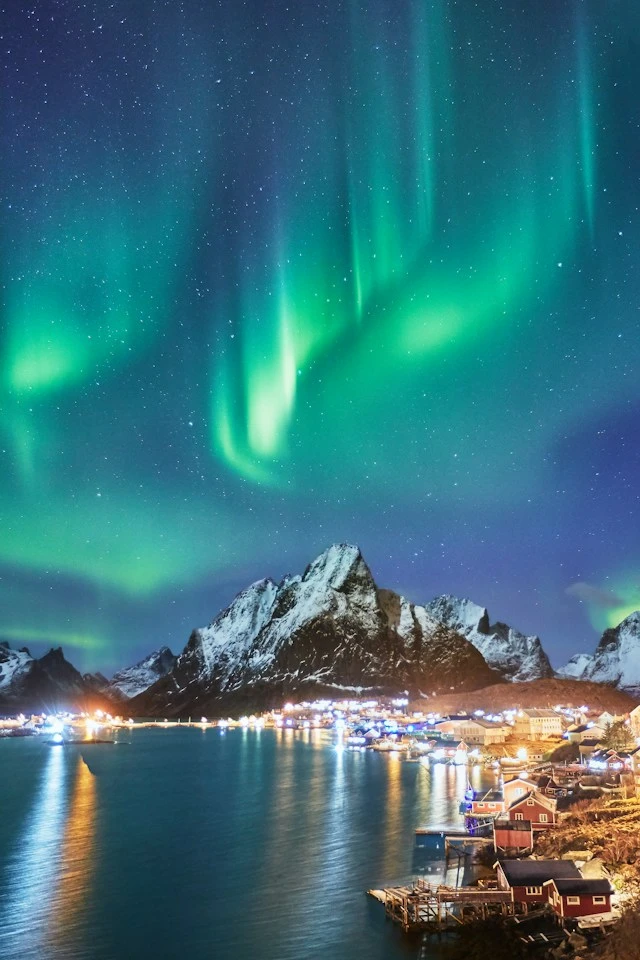
Picture this: a best friend nudging you awake at 2 a.m., excited and not apologetic, because something extraordinary is unfolding outside. That is the experience Aurora Admin is built around, and it is why a northern lights trip to Iceland or Norway deserves a smarter planning approach than a static calendar. Hotel searches for Northern Lights trips surged 197% in a single year, and more travellers than ever are competing for the same clear skies on the same clear nights. A proprietary algorithm fires an SMS alert the moment conditions align, delivered over basic cellular networks so it reaches you deep in wilderness areas where most apps go silent. Unlike platforms that take the same data and display it differently, Aurora Admin refines its algorithm through sleepless nights watching live aurora cams and social feeds, because the window between a stunning winter lights display and a missed show is often measured in minutes.
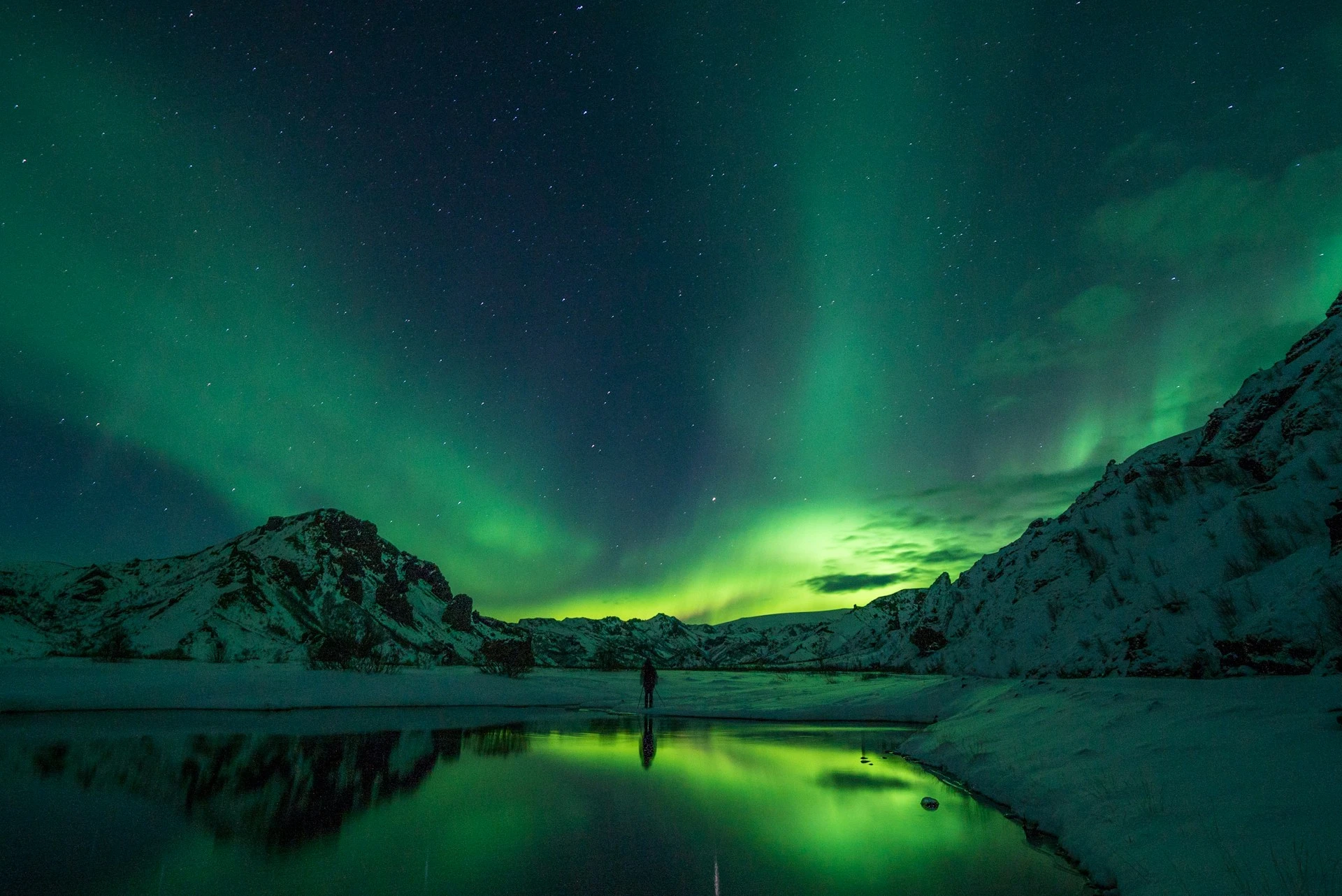
What Real Aurora Forecasts Mean
Aurora Admin’s founder was researching aurora visibility in Lithuania, a country most assume sits far too south for the phenomenon, when the gap between what the data said and what the sky actually showed became impossible to ignore. That discovery became the brand’s core mission: bringing the winter lights to where people never thought possible. Planning the best northern lights trip to Iceland or Norway starts with the same realisation. Real forecasting integrates the KP index, solar wind speed, Bz orientation, and cloud cover into a single actionable signal, not a calendar guess. Above 68°N latitude, covering Tromsø and northern Iceland, a KP of 2 to 3 is enough to produce visible winter lights on a clear night. At KP 5 and above, auroras push surprisingly far south. Those thresholds are a useful starting point, but Kp is a planetary-average index calculated with a lag, meaning it reflects conditions that have already passed rather than what is unfolding right now. Real-time solar wind behaviour and local cloud cover shift the picture considerably, which is why an alert anchored to live measurements outperforms any threshold-based approach. The founder’s background as an instrumentation technician, with hands-on knowledge of satellites stationed roughly one million miles from Earth at the L1 Lagrange point, shapes how Aurora Admin translates complex solar data into a readable percentage on screen. Aurora Admin is working towards a seasonal forecasting white paper that explains these mechanics without requiring a physics background, grounding the platform’s signal in the same instrumentation principles used in the energy sector.
Geomagnetic Seasons and Solar Maximum
The spring and autumn equinoxes amplify geomagnetic activity. Plan around late February through March or September through October, a pattern well established in solar science literature. No northern lights trip to Iceland or Norway guide will hand you a guaranteed date, but aligning travel with these windows narrows the odds considerably. With the current solar cycle having reached maximum, storm frequency remains elevated heading through 2026. That context is especially useful for students of solar science and aurora enthusiasts planning multi-week trips: elevated solar output means more frequent active nights, but real-time alerts still outperform static date-picking.
Choosing Your Base in Iceland or Norway
Whether the plan is a northern lights trip to Norway or Iceland, the choice of base shapes everything from cloud escape routes to how far you can range on a clear night. The northern lights in Tromsø and across the Lofoten Islands arrive reliably from September through March, with more stable late-winter weather and road mobility than almost any Arctic alternative. Norway’s E6 route heading inland connects Tromsø to positions up to 150 km east, letting self-drive chasers outrun coastal cloud banks in under two hours. Iceland delivers dramatic winter lights backdrops across lava fields and open countryside near Reykjavik, but its maritime weather is less forgiving. Tracking the aurora forecast for Iceland live is the difference between choosing the right night and sitting under overcast skies for a week. For those opting for a guided response to poor conditions, many Iceland and Norway tour operators sell tickets (occasionally on seasonal sale) to evening experiences featuring live music performances, art lesson workshops, warm drinks, and fireside s’mores while guests wait for a display, a worthwhile contingency when clouds dominate.
The Aurora Admin Alert Workflow Forecast to Chase
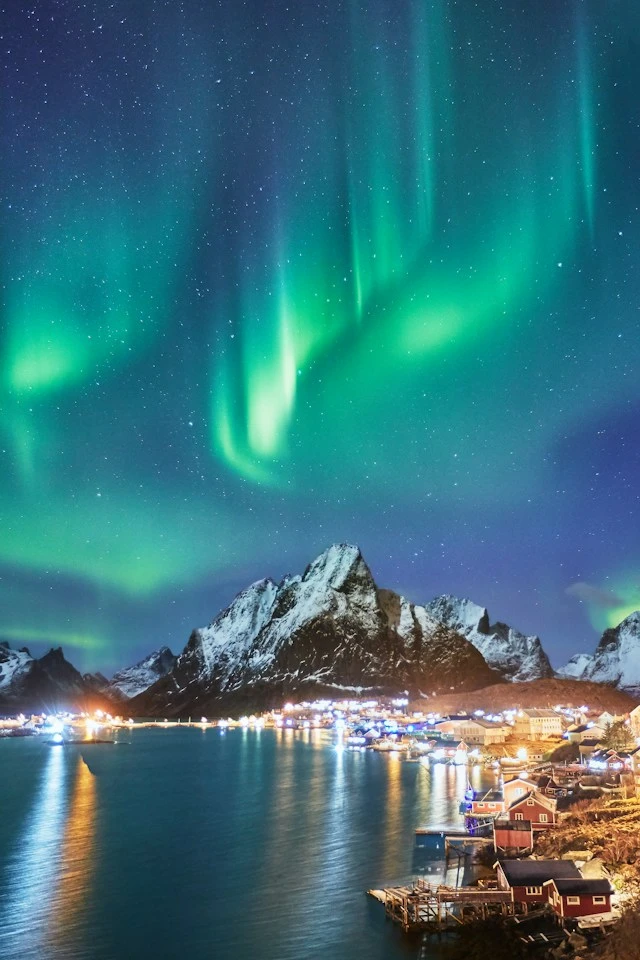
The planning loop is straightforward: register your location, receive the SMS alert when the algorithm triggers, then move. No app data connection required. SMS reaches where apps fail. And… when you’re in the middle of a mountainous landscape, that brief connection matters. So, when users catch a strong winter lights display, they post photos and video to Aurora Admin’s community. The comments section and video feed serve as real-time proof that the algorithm is working. Every excited post, every first-timer’s photo shared in response, that is what drives the founder through another night of fine-tuning. The longer vision reaches further: Aurora Admin is developing substorm prediction technology that could one day protect power grids, positioning the platform not only as a travel tool but as an emerging piece of space-weather infrastructure.
Stop refreshing charts and start chasing. Set your Aurora Admin SMS alert before your next trip and let the algorithm do the watching.