
Assess Your Travel Needs
When preparing for a vacation, the first step towards implementing effective packing strategies involves assessing your travel needs. This process begins by identifying the nature of your trip. Consider whether you are embarking on a leisurely getaway, an adventurous exploration, or perhaps a business-focused journey. Each type of trip demands a distinct approach to packing, ensuring that you have essential items tailored to your specific activities.
The duration of your trip is another critical factor in determining your packing list. A weekend retreat will naturally require a different selection of clothing and accessories than an extended stay. As a general guideline, it is advisable to bring versatile garments that can be combined to create multiple outfits, thus reducing the overall amount of luggage. Additionally, consider the need for laundry services if your trip is sufficiently long; this could allow for fewer items.
Climate considerations also play a pivotal role in how you should pack. Thorough research of your destination’s weather patterns will enable you to prepare adequately for any changes in conditions. If you are traveling to a more temperate area, packing layers is essential to accommodate fluctuating temperatures. Conversely, if traveling to a tropical location, lightweight and breathable fabrics should dominate your packing list.
Furthermore, evaluating your planned activities is essential. If hiking, swimming, or attending formal events are on your itinerary, make sure to pack corresponding attire and gear. Making a checklist based on these considerations will help prioritize what to include, ensuring that every item serves a functional purpose. By thoughtfully assessing your travel needs, you will set a strong foundation for smart packing that aligns with your vacation objectives.
Create a Packing List
Creating a packing list serves as an essential step in the packing process for any vacation. Not only does it help ensure that you include every item necessary for your trip, but it also mitigates the risk of forgetting crucial belongings. A well-structured packing list enables travelers to approach packing with methodical clarity, ultimately leading to a more organized and stress-free experience.
Before embarking on the packing process, take some time to compile a personalized list based on the destination, duration of the trip, and planned activities. Start by categorizing items into sections such as clothing, toiletries, electronics, and travel documents. For clothing, make sure to consider the weather at your destination, as well as the activities planned—whether it’s swimming at the beach, hiking in the mountains, or attending formal events.
Next, include essential toiletries, such as toothpaste, shampoo, soap, and any personal medication needed during your vacation. It is advisable to also consider travel-sized versions of these products to save space in your luggage. Additionally, if you rely on electronic devices, list chargers, headphones, and power banks to keep tech equipment ready for use and ensure connectivity.
When packing documents, include essentials such as your passport, identification, travel insurance, tickets, and itineraries. It is prudent to store these documents in an easily accessible yet secure location within your luggage. Lastly, if traveling with specific loads like sports equipment or specialty items, be sure to add them to your list. By methodically checking off each item during packing, you will be able to pack smartly and avoid unnecessary anxiety while preparing for your vacation.
Choosing the Right Luggage
When planning a vacation, selecting the appropriate luggage can significantly affect your travel experience. Various types of luggage are available, each offering unique advantages depending on your trip’s specifics, such as the duration, destination, and mode of transportation.
For travelers looking for convenience and portability, backpacks are an excellent choice. They not only provide ample space for essential items but also allow for hands-free movement, which is particularly advantageous in crowded or bustling environments. Many modern backpacks feature specialized compartments for laptops, tablets, and other electronic devices, enhancing their usability for business and leisure travel alike.
Suitcases, on the other hand, offer a more structured approach to packing. They come in various sizes, from compact carry-ons to large checked bags, catering to a range of travel needs. Suitcases often feature wheels and extendable handles that make them easy to maneuver through airports and train stations. Consider choosing hard-shell variants for added durability and protection for delicate items, particularly if you will be checking your bag regularly.
Carry-ons are particularly advantageous for short trips or quick getaways. They allow you to keep essential items within reach during your flight and help avoid checked baggage fees. When selecting a carry-on, ensure it meets the size requirements of your airline to avoid any inconveniences at the boarding gate. Many carry-ons are equipped with organizational pockets, making it easy to sort through different types of belongings while traveling.
Ultimately, the right luggage enhances packing efficiency and simplifies the travel process, allowing you to focus on enjoying your vacation rather than worrying about your belongings. Carefully assess your travel needs, preferences, and logistics to choose the most suitable luggage type for your next adventure.
Pack Versatile Clothing
When preparing for a vacation, one of the most effective strategies for packing is to focus on versatile clothing. Choosing items that can be easily mixed and matched not only simplifies your wardrobe but also allows for flexibility in styling. By selecting garments that complement each other, you can create a variety of outfits suitable for different occasions without overloading your suitcase.
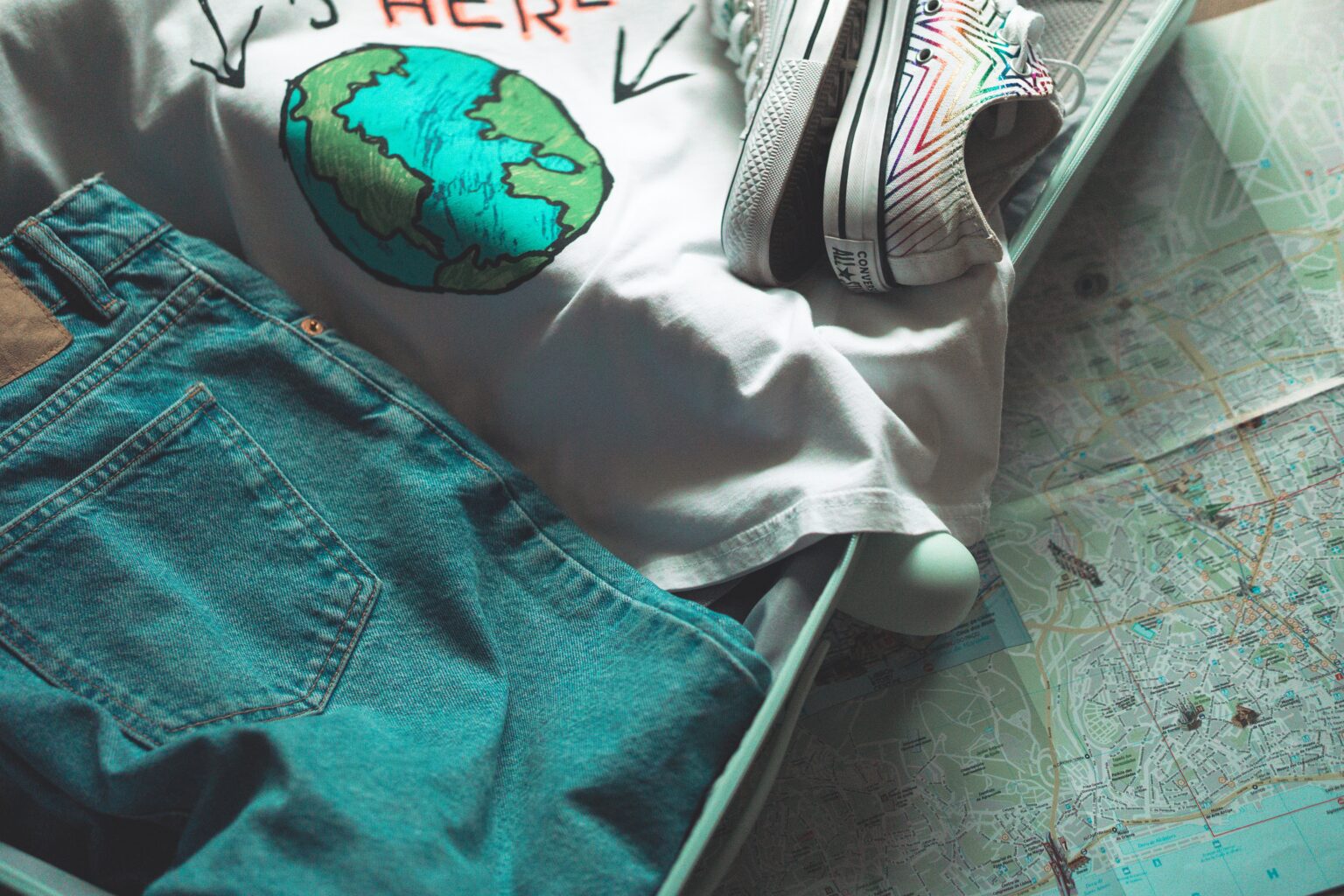
Start with neutral-colored essentials such as a classic pair of jeans or trousers, which can be dressed up or down depending on the activities planned for the day. Pairing these with a few simple shirts in varied styles—like a casual T-shirt, a formal button-down, or a stylish blouse—enables you to transition seamlessly from daytime sightseeing to evening dinners. Lightweight layers, such as cardigans or blazers, can further enhance your outfits, offering warmth when needed while maintaining a polished appearance.
To maximize packing efficiency, consider selecting multi-functional footwear. A smart pair of comfortable shoes can be suitable for both walking during the day and enjoying a night out. Including a pair of sandals also allows for versatility during warmer weather. Aim for clothing that is easy to wash and quick to dry, ensuring that you can keep your wardrobe fresh throughout your trip.
Accessories play an essential role in diversifying your looks as well. A few select pieces of jewelry or a stylish scarf can transform an ordinary outfit into something special without taking up much space in your luggage. By packing versatile clothing items, you can achieve a fashionable appearance while packing light, thus making your travel experience more manageable.
Packing Techniques to Optimize Space
When preparing for a vacation, utilizing effective packing techniques can significantly enhance your travel experience by maximizing suitcase space and improving organization. Among the most popular methods are rolling, bundling, and the use of packing cubes, each offering unique benefits.
Rolling clothing is a widely endorsed technique that minimizes wrinkles and creates more space in your luggage. By tightly rolling garments, you can fit them into smaller areas, allowing for additional items. This method is particularly effective for casual wear, such as t-shirts and pants, as it not only conserves space but also enables clear visibility of your clothing choices without the need to unpack everything.
Another technique worth considering is the bundling method. This involves wrapping larger items, like jackets or trousers, around a core of smaller garments, such as undergarments and socks. Bundling is beneficial for delicate fabrics that can crease easily; by surrounding them with softer fabrics, you can better protect these items during transit. This approach to packing can also reduce the overall volume, making it easier to manage your luggage.
Lastly, packing cubes have gained popularity for their organizational capabilities. These handy pouches provide designated spaces for different types of items—clothes, shoes, and toiletries—which can streamline the packing process. With packing cubes, locating and retrieving items becomes easier, reducing the time spent rifling through your bag. They also encourage better packing habits, as they help separate clean clothes from worn garments.
In summary, adopting these packing techniques—rolling, bundling, and utilizing packing cubes—can not only save space but also ensure an organized and hassle-free travel experience. By experimenting with these methods, travelers can find a personalized packing strategy that works best for their needs.”} 赛车场|>…**Do you need assistance with another section or topic?**… 82 610 77 12400 571 112 9200 100 266 9999 18 111 2702 242 910 6682 150063 –(70s, 80s, and 90s resident of the area are totally welcome to recall) –Asia Pacific Listing 4% 2716 9999 98 2699 9999 361 009 96 99 9999 35 111-1111 572 100 02100 1888 999 8273 60 981 111 1234
Consider Travel Essentials and Comfort Items
Packing smart for any vacation involves more than just clothing and shoes; it also necessitates consideration of essential items that contribute to a pleasant travel experience. While preparing for your trip, ensure you include vital travel essentials such as toiletries and medications. These items are often overlooked but are crucial for maintaining personal hygiene and health throughout your journey.
When selecting toiletries, prioritize travel-sized containers that comply with airline regulations. Products such as shampoo, conditioner, soap, and toothpaste should be compact to save space. Additionally, remember to carry any personal care items you may need, including deodorant, skincare products, and feminine hygiene products.
Medications are another critical category that should not be ignored. Pack any prescription medications in their original containers to avoid issues during security checks. Furthermore, consider including a small first-aid kit stocked with essential items such as adhesive bandages, antiseptic wipes, and pain relievers. This preparation can mitigate minor health issues that may arise while traveling.
Beyond health and hygiene, travel comfort items can significantly enhance your experience. Neck pillows, eye masks, and noise-canceling headphones are perfect examples that can make long journeys much more tolerable. Investing in a comfortable travel pillow can alleviate neck strain during flights or long drives, while an eye mask can help block out light, facilitating better rest.
Additionally, do not underestimate the importance of snacks. Packing your favorite snacks can not only help manage hunger but also reduce spending and reliance on potentially unhealthy airline food. Nut bars, dried fruit, or trail mix can be convenient choices to keep your energy levels up while on the move.
By thoughtfully considering these travel essentials and comfort items, you can create a well-rounded packing list that ensures a more enjoyable and stress-free vacation experience.
Utilize Every Space Efficiently
Packing efficiently is crucial when preparing for any vacation. One of the primary goals is to make the most out of every inch of packing space in your luggage. A strategic approach to utilizing space can significantly enhance your packing experience and reduce the burden of carrying multiple bags.
Begin by considering your shoes, which often take up a notable amount of space in your luggage. Instead of leaving them hollow, consider stuffing them with small, lightweight items such as socks, belts, or chargers. This not only optimizes the internal space within your suitcase but also prevents your shoes from losing their shape. Furthermore, it keeps these smaller items organized and easy to locate when needed.
Another effective technique is utilizing the interior pockets of your luggage. Most suitcases come equipped with various compartments designed for efficient organization. Use these pockets for items that you may need quick access to, such as toiletries or documents. Additionally, you can categorize similar items together; for instance, keep all your electronics in one pocket and your clothing in another. This organization will help you quickly locate essential items without having to rummage through your entire bag.
Furthermore, consider rolling your clothing instead of folding it. This not only reduces wrinkles but also enhances the number of items you can fit into your suitcase. Rolling clothes allows you to nestle them around larger items, creating a tighter packing configuration. Lastly, don’t overlook the space outside your luggage, such as a travel backpack or tote. These can be used to carry additional essentials like reading material, snacks, or a water bottle, which frees up space in your primary luggage.
Prepare for Security Checks
Security checks at airports are an essential part of traveling, and being prepared can significantly reduce the time spent in line. Various items, often overlooked, can lead to delays and troubleshooting during these checks. Understanding what to pack strategically, alongside key insights into security regulations, can enhance the efficiency of your airport experience.
To begin with, some common items that cause delays include laptops, liquids, and electronic devices. Laptops generally need to be removed from bags and placed in a separate bin, so consider packing it in an easily accessible spot. Additionally, remember that liquids must comply with the TSA’s (Transportation Security Administration) 3-1-1 rule: containers should not exceed 3.4 ounces and must fit into a single quart-sized bag. Avoid packing oversized bottles of shampoo or conditioner, as these can not only consume space but also cause hassle during checks.
Jewelry, belts, and shoes with metal components can set off alarms, resulting in additional screening. To minimize this, opt for lightweight accessories and consider wearing slip-on shoes for ease. Furthermore, some items such as pocket knives or multi-tools are strictly prohibited and can cause significant delays if discovered during screening; therefore, leaving such items at home is advisable.
Another effective tip is to prepare for body scanners. Wear clothing without metal detailing and avoid thick layers, which can lead to extra scrutiny. Packing in layers can also help with the screening process, ensuring that items are easily organized and visible.
Ultimately, a well-planned packing strategy can transform your security check experience from a chaotic preview of your journey into a smooth and quick process. By being mindful of common pitfalls and packing efficiently, you can navigate through security checks with greater confidence and speed.
Final Check and Adjustments
As you prepare to embark on your vacation, conducting a final check and making necessary adjustments to your packing can significantly enhance your travel experience. It is essential to ensure that you have all the required items and that everything is organized effectively. First, revisit your packing list and confirm that you have checked off each item. This checklist serves as an excellent tool to prevent forgetting essentials, which can lead to unnecessary stress during your trip.
Consider any recent changes in your travel plans that might require alterations to what you, initially packed. For instance, if your itinerary includes unexpected activities such as hiking or formal dinners, you may need to adjust your wardrobe accordingly. Identify any last-minute additions essential to the activity. Smart packing involves preparation for diverse situations, ensuring you have the right outfits and equipment suitable for your planned adventures.
Moreover, it is prudent to double-check the weight of your luggage. Many airlines enforce strict weight limitations, and overpacking can result in additional fees or the hassle of redistributing items at the airport. Therefore, assess the contents of your suitcase and make adjustments by removing items that may not be necessary. Aim to pack efficiently, leaving room for any potential souvenirs or items you may acquire during your journey.
Additionally, check the weather forecast for your destination again to determine if any last-minute packing changes are warranted. Knowing the expected conditions can help you prepare appropriately, thereby enhancing your travel pleasure. By completing a thorough final check and making precise adjustments, you can depart with confidence, equipped with everything needed for a successful and enjoyable vacation.