
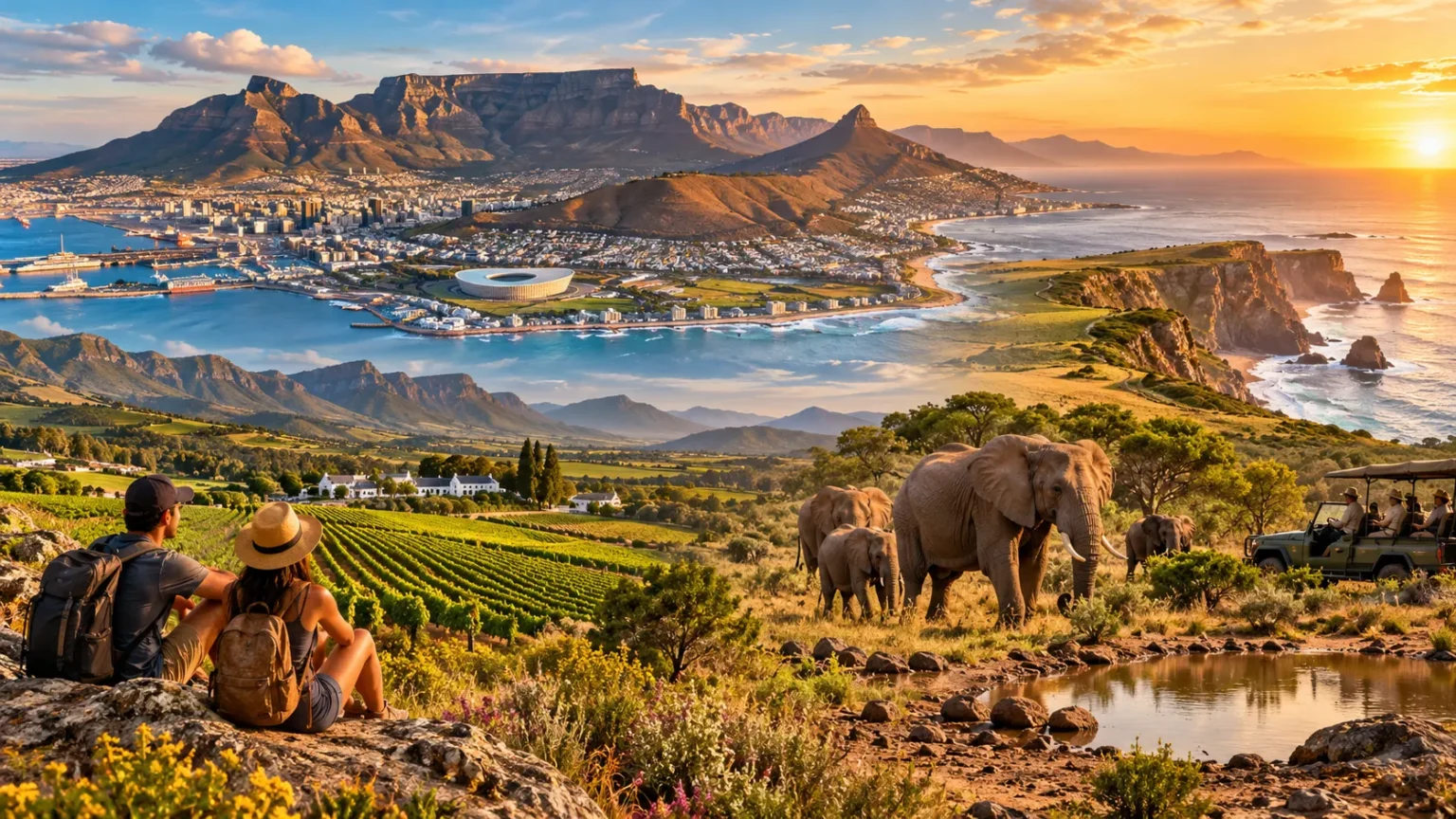
South Africa is one of the most exciting travel destinations in the world, offering breathtaking landscapes, incredible wildlife, beautiful beaches, and a rich cultural heritage. Located at the southern end of the African continent, the country attracts visitors with its diverse attractions, from the dramatic cliffs of Cape Town to the wildlife-rich plains of Kruger National Park. Whether you love nature, history, scenic road trips, or vibrant city experiences, there are countless memorable things to do in South Africa.
Exploring South Africa provides opportunities to discover national parks, historic landmarks, coastal towns, and spectacular mountain scenery. Visitors can experience unforgettable wildlife safaris, explore the famous Garden Route, admire Table Mountain, and discover the cultural attractions of Johannesburg. The country’s diverse geography and regional traditions make every destination feel different, offering something special for travelers with various interests.
Planning a South African holiday involves choosing the right destinations, understanding seasonal weather conditions, and organizing transportation between attractions. Some regions are ideal for wildlife watching, while others are better suited to beaches, cultural sightseeing, and mountain exploration. This South Africa travel guide covers the best attractions, top experiences, popular destinations, and practical tips to help you plan an enjoyable journey.
Explore Cape Town and Its Famous Attractions
Cape Town is one of South Africa’s most beautiful cities, known for its dramatic mountain backdrop, scenic coastline, and diverse cultural attractions. Located in the Western Cape, the city combines natural beauty with historic neighborhoods and modern urban experiences. Visitors can enjoy waterfront walks, museums, beaches, and spectacular viewpoints without traveling far from the city center.
The Victoria & Alfred Waterfront is among Cape Town’s most popular destinations, featuring restaurants, shops, public spaces, and beautiful harbor scenery. Travelers can also explore the colorful Bo-Kaap neighborhood, famous for its distinctive houses and cultural heritage. Historic landmarks, art galleries, and local markets provide additional opportunities to discover Cape Town’s character.
Cape Town is also an excellent starting point for exploring the Cape Peninsula and surrounding coastal attractions. Its location allows travelers to combine city sightseeing with nature experiences during the same holiday. Spending several days in Cape Town provides enough flexibility to enjoy famous landmarks while discovering quieter neighborhoods and scenic viewpoints.
Visit Table Mountain for Spectacular Views
Table Mountain is one of South Africa’s most recognizable natural landmarks and a major attraction for visitors exploring Cape Town. Its broad, flat summit rises above the city, creating a dramatic backdrop for photographs. From suitable viewpoints, travelers can admire the surrounding coastline, urban landscape, and distant mountains.
The Table Mountain Aerial Cableway provides access to the upper mountain when weather and operating conditions permit. Visitors can enjoy panoramic views and explore designated walking areas near the summit. Because clouds and strong winds can affect visibility, choosing a clear day is important for enjoying the experience.
Table Mountain National Park also protects remarkable natural environments, including vegetation associated with the Cape Floristic Region. Visitors should remain on designated routes and follow local conservation guidance. Planning around changing weather conditions helps ensure a comfortable visit to one of South Africa’s most memorable attractions.
Experience a Wildlife Safari in Kruger National Park
Kruger National Park is one of Africa’s most famous wildlife reserves, attracting visitors who want to observe animals in their natural habitats. Located in northeastern South Africa, the park protects extensive landscapes featuring savannas, woodlands, and river systems. It offers opportunities to see elephants, lions, giraffes, zebras, and many other species.
The park is especially well known for the Big Five: lions, leopards, elephants, rhinoceroses, and African buffalo. However, wildlife sightings depend on natural animal behavior, weather conditions, and the time of year. Guided game drives provide opportunities to learn about the ecosystem while observing animals from appropriate distances.
Winter, generally from June through August, is often attractive for wildlife viewing because vegetation becomes thinner and animals may gather near water sources. Summer offers greener landscapes and different wildlife experiences. Visitors should follow park regulations, remain inside vehicles where required, and avoid approaching or feeding wild animals.
Drive Along the Beautiful Garden Route
The Garden Route is one of South Africa’s most scenic travel regions, stretching along the southern coast through beautiful forests, beaches, lagoons, and coastal towns. It is particularly popular with travelers who enjoy flexible road trips and natural landscapes. The route provides opportunities to discover multiple destinations while enjoying impressive coastal scenery.
Knysna is a popular stop, known for its beautiful lagoon and the dramatic Knysna Heads. Plettenberg Bay offers attractive beaches and surrounding nature areas, while Wilderness features lakes, forests, and peaceful coastal landscapes. Each town has a distinctive atmosphere that encourages visitors to explore beyond the main road.
Travelers can also discover protected natural areas and scenic viewpoints throughout the region. Allowing several days for the journey provides time to enjoy coastal walks, cultural attractions, and local restaurants. Weather conditions vary throughout the year, so a flexible itinerary is useful when planning outdoor experiences.
Visit the Cape of Good Hope and Cape Point
The Cape of Good Hope is one of South Africa’s best-known coastal landmarks, located within the Cape Peninsula section of Table Mountain National Park. Its rugged cliffs, dramatic ocean scenery, and surrounding natural landscapes attract travelers throughout the year. The destination is particularly appealing for photography and sightseeing.
Nearby Cape Point offers spectacular viewpoints overlooking the surrounding coastline. Visitors can explore designated walking routes and admire the landscape from established observation areas. The region is also known for its distinctive vegetation and wildlife, including baboons and several bird species.
Although the Cape of Good Hope is often associated with the meeting of two oceans, the commonly recognized geographic boundary between the Atlantic and Indian Oceans is farther east near Cape Agulhas. Both places offer impressive scenery. Travelers should follow park instructions and keep a safe distance from wildlife.
Discover Johannesburg’s History and Culture
Johannesburg is South Africa’s largest city and an important center for history, art, commerce, and contemporary culture. The city offers a different travel experience from the country’s coastal and wildlife destinations. Visitors can discover museums, cultural neighborhoods, historic landmarks, and modern creative spaces that reflect South Africa’s complex history.
The Apartheid Museum is among Johannesburg’s most significant cultural attractions, offering exhibitions about apartheid and South Africa’s transition toward democracy. Constitution Hill is another important historical site, connecting the country’s difficult past with its constitutional development. These destinations provide meaningful opportunities to learn about the nation’s history.
Johannesburg also features art galleries, markets, restaurants, and cultural districts. Areas such as Maboneng are associated with creative businesses and urban culture, although visitors should check current local conditions before exploring unfamiliar neighborhoods. Guided cultural experiences can provide valuable context while helping travelers navigate the city comfortably.
Explore Robben Island’s Historical Significance
Robben Island is one of South Africa’s most important historical landmarks, located offshore from Cape Town. The island is internationally recognized for its role in the country’s apartheid history. Nelson Mandela and other political prisoners were held there during periods of imprisonment under the apartheid government.
Visitors can learn about the island’s history through organized tours that typically include a ferry journey from Cape Town. The experience provides insight into South Africa’s struggle for democracy and the lives of people who experienced political imprisonment. Historical interpretation helps explain why the island remains an important symbol of resilience and human rights.
Tours depend on weather conditions and operational schedules, particularly because ferry travel can be affected by strong winds and rough seas. Booking arrangements should be checked in advance. Visiting Robben Island offers a thoughtful cultural experience that complements sightseeing around Cape Town.
Discover the Drakensberg Mountains
The Drakensberg Mountains are among South Africa’s most spectacular natural attractions, featuring dramatic cliffs, deep valleys, waterfalls, and impressive mountain landscapes. Located mainly along the eastern part of the country, the region attracts visitors who enjoy nature and peaceful outdoor surroundings. Its scenery changes beautifully throughout the seasons.
The uKhahlamba-Drakensberg Park is recognized for its natural and cultural importance, including historic rock art created by San communities. Visitors can discover designated cultural sites and admire the surrounding mountain environment. Scenic viewpoints and established walking areas provide opportunities to appreciate the landscape without undertaking demanding expeditions.
Weather in the Drakensberg can change rapidly, with colder temperatures at higher elevations and occasional winter snowfall. Travelers should select activities suitable for their experience and check local conditions before heading into mountain areas. Guided nature excursions can provide additional insight into the region’s ecology and cultural heritage.
Enjoy the Beautiful Beaches of Durban
Durban is one of South Africa’s most popular coastal cities, famous for its warm climate, beaches, and Indian Ocean coastline. Located in KwaZulu-Natal, the city attracts visitors interested in seaside relaxation and cultural experiences. Its subtropical conditions make it an appealing destination during much of the year.
The Golden Mile is a well-known waterfront area featuring beaches, promenades, and recreational spaces. Visitors can enjoy scenic walks, coastal views, and nearby attractions. Durban also offers botanical gardens, markets, museums, and cultural sites that provide alternatives to spending an entire holiday at the beach.
The city’s cuisine reflects influences from different communities, including Indian and Zulu culinary traditions. Local restaurants offer a wide variety of regional dishes, making food exploration an enjoyable part of the visit. Beachgoers should use designated swimming areas and follow lifeguard instructions because ocean conditions can be unpredictable.
Visit Boulders Beach to See African Penguins
Boulders Beach is one of the most unusual attractions near Cape Town because it is home to a protected colony of African penguins. Located near Simon’s Town, the beach provides opportunities to observe these remarkable seabirds in their coastal habitat. Its sheltered bays and distinctive granite boulders create beautiful scenery.
Designated boardwalks allow visitors to view penguins while reducing disturbance to their nesting and resting areas. Watching the birds move between sandy areas and the shoreline is a memorable experience for wildlife enthusiasts. Their natural behavior makes the location especially interesting for families and nature photographers.
African penguins are an endangered species, making responsible tourism particularly important. Visitors should never touch, feed, or pursue the birds. Following conservation rules and maintaining appropriate distances helps protect the colony while allowing travelers to appreciate one of South Africa’s most distinctive wildlife attractions.
Explore Blyde River Canyon and the Panorama Route
Blyde River Canyon is one of South Africa’s most impressive natural landscapes, featuring steep cliffs, green valleys, and dramatic rock formations. Located in Mpumalanga, the canyon is a major attraction along the famous Panorama Route. Its viewpoints provide remarkable opportunities to admire the surrounding countryside.
Popular stops include God’s Window, Bourke’s Luck Potholes, and the Three Rondavels. Each location offers a different perspective on the region’s geological features and landscape. Visitors can enjoy scenic drives between viewpoints while discovering waterfalls, forests, and small towns along the way.
The Panorama Route is often included in itineraries that also feature Kruger National Park. Combining the two destinations provides a memorable mix of wildlife and natural scenery. Travelers should allow adequate driving time and consider weather conditions, as mist can occasionally reduce visibility at elevated viewpoints.
Experience the Coastal Beauty of Hermanus
Hermanus is a picturesque coastal town in the Western Cape, famous for its beautiful ocean views and seasonal whale watching opportunities. Located southeast of Cape Town, the town offers dramatic cliffs, coastal paths, and a peaceful seaside atmosphere. It is an appealing destination for both day trips and longer coastal holidays.
Southern right whales are commonly observed in the surrounding waters during their seasonal migration and breeding period, generally between June and November. The town’s cliff paths provide opportunities for land-based whale watching when conditions are favorable. Sightings depend on natural wildlife movement and cannot be guaranteed.
Beyond whale watching, Hermanus offers beaches, restaurants, scenic viewpoints, and nearby nature attractions. Its relaxed atmosphere makes it suitable for travelers seeking a break from larger cities. Choosing the right season and allowing flexibility for changing weather conditions can improve the overall experience.
Discover iSimangaliso Wetland Park
iSimangaliso Wetland Park is one of South Africa’s most important protected natural areas, located along the northeastern coast of KwaZulu-Natal. The park includes wetlands, lakes, coastal forests, dunes, and marine habitats. Its remarkable biodiversity makes it a rewarding destination for travelers interested in nature and wildlife.
The St Lucia Estuary is among the region’s best-known attractions, providing opportunities to observe hippos, crocodiles, and numerous bird species from suitable guided excursions. Coastal sections of the park also feature beautiful beaches and protected marine environments. Different ecosystems create a wide variety of natural experiences within the same destination.
Visitors should follow park regulations and use authorized operators for activities involving wildlife or waterways. Wild animals can be dangerous when approached, even in areas near towns. Respectful observation and appropriate safety precautions help protect both visitors and the region’s sensitive natural habitats.
Visit Addo Elephant National Park
Addo Elephant National Park is a popular wildlife destination in South Africa’s Eastern Cape, known particularly for its elephant population. The park protects diverse landscapes and provides opportunities to observe several large mammal species. It is often included in travel itineraries exploring the southern part of the country.
Visitors can enjoy wildlife viewing along established roads or through guided game drives. Elephants are the main attraction, although buffalo, antelope, birds, and other animals may also be seen. Wildlife encounters depend on natural conditions, making patience an important part of the experience.
Addo is a convenient addition to certain Garden Route journeys and Eastern Cape holidays. Accommodation options and visitor facilities vary across the park’s different sections. Following park rules and maintaining appropriate distances from animals helps ensure a respectful and safe wildlife experience.
Explore South Africa’s Scenic Small Towns
South Africa’s smaller towns offer opportunities to experience local heritage, traditional architecture, and peaceful countryside landscapes. Many communities are surrounded by mountains, farmland, or coastal scenery. Exploring these destinations can provide a rewarding alternative to concentrating only on major cities and national parks.
Franschhoek is known for its beautiful valley setting, historic architecture, art galleries, and restaurants. Stellenbosch offers attractive streets and buildings reflecting different periods of local history. In the interior, towns such as Graaff-Reinet provide opportunities to discover historic streetscapes and distinctive Karoo landscapes.
Small-town travel is especially appealing for visitors interested in local markets, regional food, and slower sightseeing experiences. Staying in locally operated guesthouses can also support community businesses. Planning scenic stops between larger destinations helps travelers discover parts of South Africa that might otherwise be overlooked.
Experience Traditional South African Food
South African cuisine reflects the country’s diverse communities, regional traditions, and cultural influences. Visitors can discover a wide range of dishes prepared with local ingredients and distinctive cooking methods. Exploring traditional food is an enjoyable way to learn about the country’s heritage beyond museums and historic landmarks.
Popular dishes include bobotie, a baked spiced meat dish, and boerewors, a traditional sausage often served at gatherings. Bunny chow is another recognizable specialty, particularly associated with Durban’s Indian-influenced food culture. Different regions also offer traditional breads, vegetable dishes, stews, and locally prepared desserts.
Food markets and neighborhood restaurants provide opportunities to experience regional specialties in informal settings. Travelers can explore different cuisines while supporting local businesses. Asking about ingredients and preparation methods is useful for visitors with dietary restrictions or those interested in understanding traditional cooking practices.
Best Time to Visit South Africa
The best time to visit South Africa depends on the destinations and activities included in your itinerary. The country experiences different regional climates, making year-round travel possible. Cape Town, Kruger National Park, and Durban may have very different weather conditions during the same month.
For wildlife safaris in Kruger National Park, the drier winter months from approximately May through September often provide favorable viewing conditions. Vegetation becomes less dense, and some animals gather near water sources. Cape Town is particularly attractive during spring and autumn, when temperatures are generally comfortable for sightseeing.
Summer, from December through February, is popular for coastal holidays, although certain regions can experience heavy rainfall and high temperatures. Winter brings wetter weather to much of the Western Cape but drier conditions in northeastern safari areas. Choosing travel dates according to regional activities helps create a more enjoyable itinerary.
How to Plan a South Africa Travel Itinerary
Planning a South African holiday begins with selecting destinations that match your interests and available travel time. A shorter trip may focus on Cape Town and its surrounding attractions, including Table Mountain, the Cape Peninsula, and historic landmarks. This approach provides varied experiences without requiring extensive domestic travel.
Travelers with ten to fourteen days can consider combining Cape Town with the Garden Route or a wildlife safari. However, distances between major attractions can be substantial, making domestic flights or carefully planned road journeys necessary. Allowing extra time for transportation helps prevent an overly rushed itinerary.
Accommodation options include hotels, guesthouses, lodges, and locally operated properties. Before traveling, verify entry requirements, transportation arrangements, and any relevant health recommendations. Choosing reputable travel operators and maintaining a flexible schedule can help create a comfortable and memorable journey across South Africa.
Important Travel Tips for First-Time Visitors
South Africa offers rewarding travel experiences, but visitors should plan transportation and personal safety carefully. Major cities have different neighborhood conditions, and unfamiliar areas may require additional caution. Using reputable transportation services, securing valuables, and following local advice can help reduce avoidable risks.
Weather preparation is another important consideration because conditions differ significantly between coastal areas, mountains, and inland wildlife reserves. Pack clothing suitable for your intended destinations rather than assuming the entire country has the same climate. Sun protection, comfortable footwear, and appropriate layers are useful for many sightseeing activities.
Travelers should also check passport validity, visa requirements, medical recommendations, and travel insurance arrangements before departure. Wildlife activities require particular attention to park safety rules and professional guidance. Respecting local customs, natural environments, and community traditions helps create a more responsible and enjoyable holiday.
Conclusion
South Africa is an extraordinary destination offering a combination of wildlife, natural beauty, cultural heritage, and memorable city experiences. From exploring Cape Town and Table Mountain to discovering Kruger National Park and the Garden Route, the country provides attractions suited to many different travel interests. Its remarkable diversity makes every region worth exploring.
Planning a successful South African holiday requires choosing suitable destinations, understanding regional weather, and allowing enough time for transportation. Wildlife safaris, scenic coastal journeys, historic landmarks, and cultural experiences can all be included in a carefully organized itinerary. Responsible travel practices also help protect the country’s natural environments and cultural heritage.
Whether you prefer observing wildlife, exploring historic cities, admiring mountain scenery, or relaxing along beautiful coastlines, South Africa offers unforgettable opportunities throughout the year. Combining famous attractions with smaller towns and local experiences creates a more rewarding journey. With thoughtful preparation, your visit can become one of your most memorable travel adventures.
Frequently Asked Questions (FAQs)
What are the best things to do in South Africa?
Popular activities include visiting Table Mountain, exploring Cape Town, experiencing a wildlife safari in Kruger National Park, driving the Garden Route, discovering historic landmarks, and enjoying scenic coastal destinations.
What is the best time to visit South Africa?
The best time depends on your destination. May through September is often favorable for Kruger safaris, while spring and autumn provide comfortable sightseeing conditions in Cape Town.
How many days are enough to explore South Africa?
Ten to fourteen days provide enough time to experience several major attractions, depending on the itinerary. Longer trips are useful for combining Cape Town, the Garden Route, and distant wildlife reserves.
Is South Africa expensive for tourists?
South Africa offers accommodation, food, and travel options across different budgets. Costs depend on location, season, transportation, and activities, with private safari lodges generally costing more than ordinary guesthouses.
What is South Africa most famous for?
South Africa is famous for its wildlife safaris, Table Mountain, beautiful coastlines, the Garden Route, cultural diversity, and historical landmarks associated with its journey toward democracy.