
India is one of the world’s most fascinating travel destinations, offering an extraordinary combination of ancient history, colorful traditions, breathtaking landscapes, and diverse cultural experiences. From magnificent palaces and historic temples to tropical beaches and snow-covered mountains, the country provides countless opportunities for exploration. Every region has its own distinctive character, making India an exciting destination for travelers with different interests.
The top things to do in India include visiting the world-famous Taj Mahal, exploring Rajasthan’s royal cities, cruising through Kerala’s backwaters, and discovering the spiritual atmosphere of Varanasi. Travelers can also experience vibrant markets, traditional festivals, incredible wildlife, and delicious regional cuisine. India’s variety of attractions makes it suitable for cultural holidays, nature adventures, and memorable family vacations.
Whether you are visiting India for the first time or planning another journey, understanding its major attractions can help you create an unforgettable itinerary. This guide explores the country’s must-see landmarks, beautiful natural destinations, and unique experiences. It also provides practical travel tips to help you discover India’s remarkable heritage and scenery.
1. Visit the Taj Mahal in Agra – India’s Most Famous Landmark
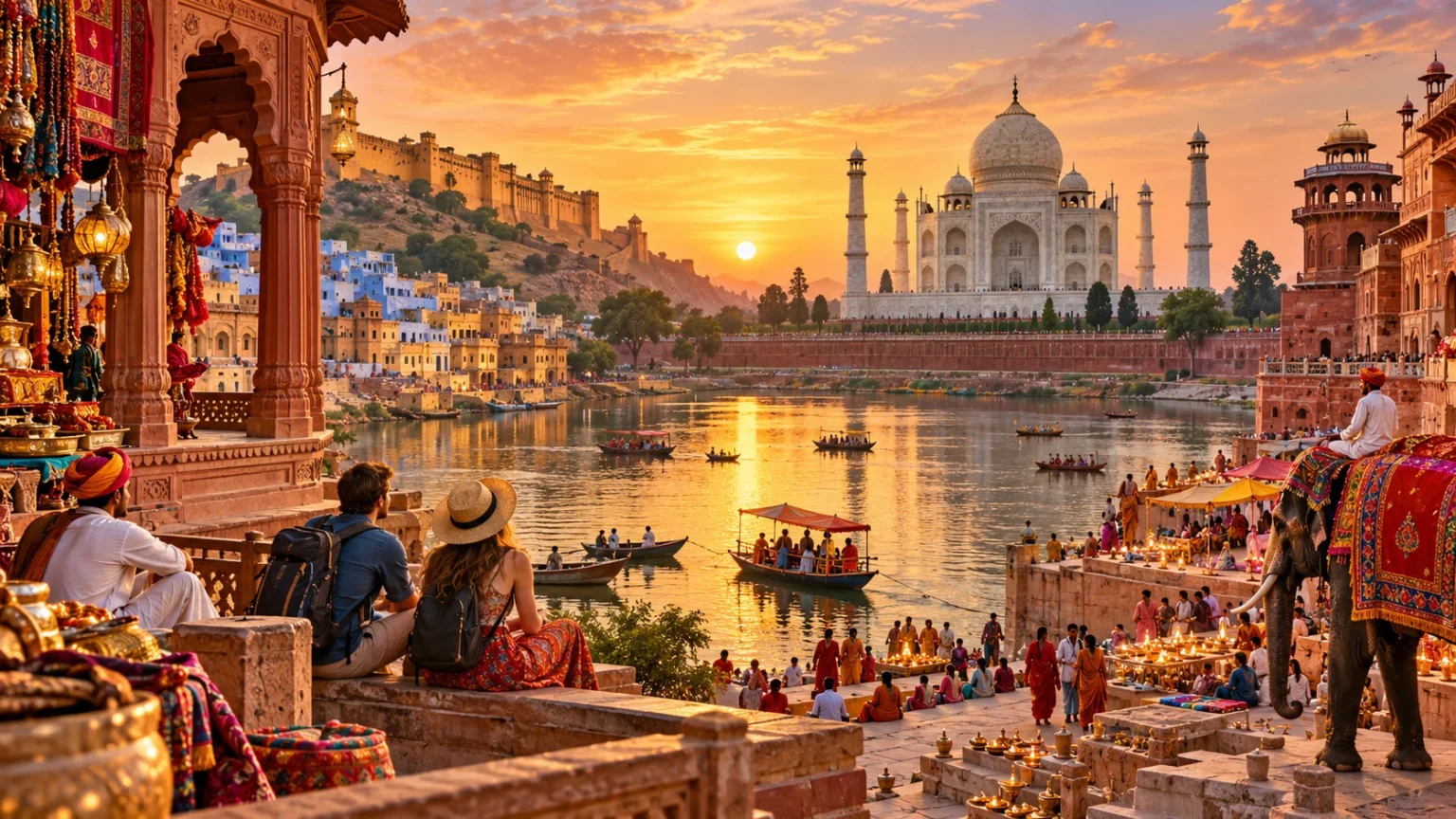
The Taj Mahal is one of India’s most recognizable attractions and an extraordinary example of Mughal architecture. Located in Agra, Uttar Pradesh, this magnificent white marble mausoleum was commissioned by Emperor Shah Jahan in memory of his wife Mumtaz Mahal. Its elegant domes, intricate decorative details, and symmetrical gardens attract visitors from around the world.
Exploring the Taj Mahal provides an opportunity to appreciate its remarkable craftsmanship and historical significance. The surrounding gardens, reflecting pools, and impressive entrance gateways create beautiful views from different perspectives. Visitors can admire the monument’s marble details and learn about the architectural traditions that influenced its construction during the Mughal period.
Early morning is a popular time to visit because temperatures are often more comfortable and the changing sunlight creates beautiful photography opportunities. Travelers should check opening schedules, security restrictions, and ticket arrangements before arrival. A visit to Agra can also include nearby historical attractions, making the city an essential stop on many Indian travel itineraries.
2. Explore Jaipur – The Beautiful Pink City of Rajasthan
Jaipur is one of India’s most captivating cities, famous for its royal palaces, colorful markets, and remarkable historic architecture. Known as the Pink City, Jaipur is an important cultural destination in Rajasthan and forms part of the popular Golden Triangle tourist route. Its grand monuments and traditional neighborhoods reveal the region’s fascinating royal heritage.
Major attractions include Amber Fort, City Palace, Hawa Mahal, and Jantar Mantar, an impressive historical astronomical observatory. Visitors can explore elaborate courtyards, admire intricate architectural details, and discover museums displaying royal artifacts. The city’s markets also provide opportunities to experience traditional textiles, jewelry, pottery, and local handicrafts.
Jaipur is especially appealing to travelers interested in architecture, photography, and cultural exploration. The cooler months generally provide more comfortable conditions for walking through outdoor attractions and historic streets. Visitors can also enjoy traditional Rajasthani cuisine, cultural performances, and local experiences that showcase the city’s distinctive heritage.
3. Experience Varanasi – India’s Spiritual and Cultural Heritage
Varanasi is one of India’s oldest continuously inhabited cities and an important spiritual destination located along the River Ganges. The city holds deep religious significance in Hindu traditions and attracts pilgrims, visitors, and cultural travelers. Its historic temples, narrow streets, and riverside steps create an atmosphere unlike many other destinations.
One of the most memorable experiences is observing daily life along the ghats, where people gather for religious ceremonies and traditional activities. The Ganga Aarti ceremony is particularly well known for its devotional atmosphere and cultural significance. Visitors can also explore historic neighborhoods, local markets, and traditional craftsmanship associated with the city.
Varanasi offers meaningful opportunities to learn about India’s religious traditions and cultural diversity. However, travelers should approach sacred activities respectfully and avoid interfering with private ceremonies. Following local guidance, dressing appropriately at religious locations, and asking permission before photographing people can help create a more considerate travel experience.
4. Discover Kerala – Backwaters, Beaches, and Natural Beauty
Kerala is one of India’s most beautiful regions, located along the country’s southwestern coastline. Famous for its peaceful backwaters, tropical greenery, beautiful beaches, and scenic hill stations, the state offers a relaxing contrast to India’s bustling metropolitan areas. Its distinctive landscapes make it particularly attractive to nature lovers and travelers seeking peaceful experiences.
One of Kerala’s most popular activities is exploring the backwaters around Alappuzha and Kumarakom. Visitors can enjoy traditional boat excursions through interconnected waterways surrounded by coconut palms, villages, and lush vegetation. These journeys provide opportunities to observe everyday life in waterside communities while appreciating the region’s remarkable natural environment.
Kerala also offers attractions such as Munnar’s tea plantations, Wayanad’s forested landscapes, and the beaches around Varkala and Kovalam. Travelers can discover regional cuisine, cultural performances, and traditional arts throughout the state. Choosing responsible tourism experiences and respecting local communities can make a Kerala holiday both memorable and meaningful.
5. Relax on Goa’s Famous Beaches and Coastal Towns
Goa is one of India’s most popular coastal destinations, known for its sandy beaches, tropical scenery, Portuguese-influenced architecture, and lively holiday atmosphere. Located along the Arabian Sea, the state attracts visitors interested in relaxation, sightseeing, and cultural experiences. Its combination of seaside attractions and historic towns makes it suitable for different travel preferences.
Popular beaches include Baga, Calangute, Anjuna, Palolem, and Agonda, each offering a distinctive atmosphere. Some beaches feature restaurants, markets, and entertainment, while others provide quieter surroundings for enjoying the coastline. Visitors can also explore churches, traditional neighborhoods, and local food destinations that reflect Goa’s fascinating cultural history.
The most popular time to visit Goa is generally between November and February, when the weather is relatively dry and comfortable. During the monsoon season, strong waves and currents can make swimming unsafe at many beaches. Travelers should follow local coastal safety advice and respect protected marine environments while exploring the region.
6. Explore Delhi – Historic Monuments and Vibrant Markets
Delhi, India’s capital region, offers an extraordinary combination of historic landmarks, cultural attractions, modern neighborhoods, and lively marketplaces. The city has been shaped by different historical periods, creating an impressive architectural landscape. From Mughal monuments to contemporary shopping districts, Delhi provides numerous experiences for travelers interested in India’s past and present.
Famous attractions include the Red Fort, Humayun’s Tomb, Qutub Minar, India Gate, and Jama Masjid. Visitors can explore beautifully designed gardens, historic buildings, and religious landmarks while learning about important chapters of Indian history. Old Delhi’s busy markets and traditional food streets also offer a memorable introduction to the city’s cultural atmosphere.
Delhi is an important transportation gateway for many journeys across northern India. Travelers should allow sufficient time between attractions because traffic and travel distances can be considerable. Using established public transportation, planning sightseeing by neighborhood, and selecting trusted local services can help make exploring the capital more convenient.
7. Visit Udaipur – The Romantic City of Lakes
Udaipur is one of Rajasthan’s most beautiful destinations, famous for its peaceful lakes, elegant palaces, and picturesque historic neighborhoods. Surrounded by the Aravalli Hills, the city offers remarkable scenery and a rich royal heritage. Its waterfront architecture and traditional streets create an attractive setting for cultural sightseeing and photography.
The City Palace is one of Udaipur’s most famous attractions, featuring courtyards, decorative balconies, and impressive views across Lake Pichola. Visitors can also explore Jagdish Temple, historic gardens, and traditional markets. Boat excursions on the lake, when available, provide beautiful perspectives of the surrounding palaces and waterfront buildings.
Udaipur becomes especially attractive during sunset, when warm light illuminates the lake and nearby architectural landmarks. The city’s restaurants and rooftop viewpoints offer additional opportunities to enjoy the scenery. Travelers interested in Rajasthan’s royal history may find Udaipur a rewarding complement to Jaipur and other historic destinations.
8. Discover the Indian Himalayas – Mountains and Scenic Adventures
The Indian Himalayas offer some of the country’s most spectacular natural landscapes, featuring towering mountains, green valleys, alpine lakes, and beautiful hill towns. Stretching across several northern regions, these mountains attract travelers interested in nature, photography, and cultural exploration. Different destinations provide experiences ranging from peaceful sightseeing to established outdoor recreation.
Popular areas include Himachal Pradesh, Uttarakhand, Sikkim, and Ladakh, each known for distinctive scenery and traditions. Visitors can explore hill stations, monasteries, mountain viewpoints, and picturesque villages. Destinations such as Manali, Shimla, and Gangtok offer opportunities to appreciate mountain landscapes while enjoying local cultural experiences.
Traveling in the Himalayas requires attention to seasonal weather, altitude, and transportation conditions. Some roads close during heavy snowfall, while high-altitude areas may require gradual acclimatization and additional precautions. Choosing suitable destinations, checking local advisories, and avoiding unfamiliar mountain routes without proper preparation can help make a journey safer.
9. Explore Hampi – Ancient Ruins and Remarkable Architecture
Hampi is an extraordinary historical destination located in Karnataka, famous for its ancient temples, monumental ruins, and dramatic boulder-filled landscape. Once the center of the Vijayanagara Empire, the area contains remarkable architectural remains that reflect its historical importance. Its unusual combination of natural scenery and cultural heritage makes it a fascinating place to explore.
Visitors can discover landmarks such as Virupaksha Temple, the Vittala Temple complex, and the historic Royal Enclosure. Intricately carved pillars, stone structures, and ancient ceremonial spaces provide insight into the artistic traditions of the region. The surrounding landscape also offers striking photography opportunities and beautiful views of the historic settlement.
Hampi is particularly enjoyable during cooler months when exploring outdoor monuments is more comfortable. Travelers should allow sufficient time because historical attractions are spread across a large area. Respecting protected structures, following designated routes, and avoiding damage to archaeological remains help preserve this remarkable destination for future visitors.
10. Experience Wildlife at Ranthambore National Park
Ranthambore National Park is one of India’s most famous wildlife destinations, located in Rajasthan. The park is especially recognized for its Bengal tiger population, although it also protects numerous other animal species. Its combination of forests, lakes, grasslands, and historic ruins creates an impressive environment for wildlife observation.
Visitors can explore designated areas through authorized safari experiences led by trained drivers and guides. Depending on conditions and animal activity, travelers may observe deer, monkeys, crocodiles, birds, and occasionally tigers. Wildlife sightings cannot be guaranteed, making patience and an appreciation of the natural environment important parts of the experience.
Ranthambore is an attractive destination for wildlife enthusiasts and photographers interested in India’s natural heritage. Park access, safari schedules, and seasonal closures can influence travel arrangements. Booking through authorized providers and following wildlife protection rules help ensure that visitor activities remain respectful of the animals and their habitats.
11. Visit Amritsar – Discover the Magnificent Golden Temple
Amritsar is an important cultural and spiritual destination in Punjab, best known for the magnificent Golden Temple. Also called Harmandir Sahib, this sacred Sikh gurdwara attracts visitors and worshippers from many backgrounds. Its golden architecture, surrounding sacred pool, and peaceful atmosphere create one of India’s most memorable religious landmarks.
Visitors can explore the temple complex while learning about Sikh traditions, community service, and religious heritage. The communal kitchen, known as langar, serves free meals to large numbers of people and reflects principles of equality and service. Guests are expected to follow temple etiquette, including covering their heads and removing their shoes.
Amritsar also offers local markets, traditional Punjabi cuisine, and historical attractions connected with the region’s past. Travelers can visit Jallianwala Bagh to learn about an important event in India’s history. Combining cultural sightseeing with respectful visits to sacred locations provides a meaningful introduction to Punjab’s rich heritage.
Best Time to Visit India for Sightseeing and Outdoor Activities
The best time to visit India depends on the specific region because the country experiences several different climate patterns. October through March is generally popular for exploring destinations such as Delhi, Agra, Jaipur, and Rajasthan. During these months, temperatures are often more comfortable than the intense heat experienced across many northern areas during summer.
Southern destinations such as Kerala and Goa also attract visitors during relatively dry and pleasant winter conditions. In contrast, many Himalayan locations are popular during late spring and summer when mountain roads and outdoor attractions become more accessible. However, weather can vary significantly with altitude, and some regions experience heavy seasonal rainfall.
India’s monsoon season generally affects much of the country between June and September, although timing and intensity differ by location. Rain can create lush scenery but may also disrupt transportation and outdoor activities. Travelers should consider regional forecasts, seasonal accessibility, and personal preferences when choosing travel dates.
Essential Travel Tips for First-Time Visitors to India
Planning transportation carefully is important because India is a vast country with considerable distances between major attractions. Domestic flights, trains, buses, and private transportation connect different regions, but journey times can vary. Travelers should organize their itinerary geographically rather than attempting to visit too many distant destinations within a short period.
Accommodation options include budget guesthouses, business hotels, heritage properties, and luxury resorts. Booking ahead is helpful during popular festivals, major holidays, and peak tourist periods. Visitors should also check passport validity, visa requirements, recommended health precautions, and local transportation arrangements before departure.
Respecting local customs can make travel experiences more comfortable and meaningful. Dress appropriately when visiting religious sites, follow photography restrictions, and ask permission before photographing individuals. Drinking safe water, practicing sensible food hygiene, and keeping essential belongings secure are also useful habits for traveling confidently throughout India.
Conclusion
India is an extraordinary travel destination offering an impressive variety of attractions, landscapes, and cultural experiences. From the magnificent Taj Mahal and Jaipur’s royal palaces to Kerala’s peaceful backwaters and the spectacular Himalayan mountains, every region reveals a different side of the country. Its rich heritage and natural beauty create unforgettable opportunities for visitors.
The top things to do in India depend on your travel interests, available time, and preferred experiences. History enthusiasts can discover ancient temples and architectural masterpieces, while nature lovers may enjoy national parks, mountain destinations, and tropical coastlines. Exploring traditional markets and regional cuisine also provides valuable insight into India’s diverse cultural identity.
A memorable Indian holiday requires thoughtful planning, flexibility, and respect for local traditions. Choosing destinations according to seasonal weather and allowing sufficient time for transportation can make the journey more enjoyable. With careful preparation, travelers can experience India’s remarkable diversity and discover why it remains one of the world’s most fascinating destinations.
Frequently Asked Questions (FAQs)
1. What are the top things to do in India?
The top things to do in India include visiting the Taj Mahal, exploring Jaipur’s palaces, discovering Kerala’s backwaters, relaxing on Goa’s beaches, and experiencing historic temples, wildlife parks, and Himalayan scenery.
2. What is the most famous tourist attraction in India?
The Taj Mahal in Agra is widely considered India’s most famous tourist attraction. Its impressive white marble architecture, historical significance, and beautiful gardens attract visitors from around the world.
3. How many days are enough to explore India?
Ten to fourteen days can provide a rewarding introduction to selected regions of India. However, three weeks or longer allows travelers to explore more destinations without rushing between distant attractions.
4. What is the best month to visit India?
November through February is generally excellent for visiting many popular Indian destinations because temperatures are relatively comfortable. However, Himalayan regions and other destinations have different seasonal patterns and ideal travel periods.
5. Is India a good destination for first-time international travelers?
Yes, India offers remarkable cultural experiences, historical attractions, and beautiful landscapes. First-time visitors should plan transportation carefully, check entry requirements, respect local customs, and choose an itinerary suited to their experience and comfort.