

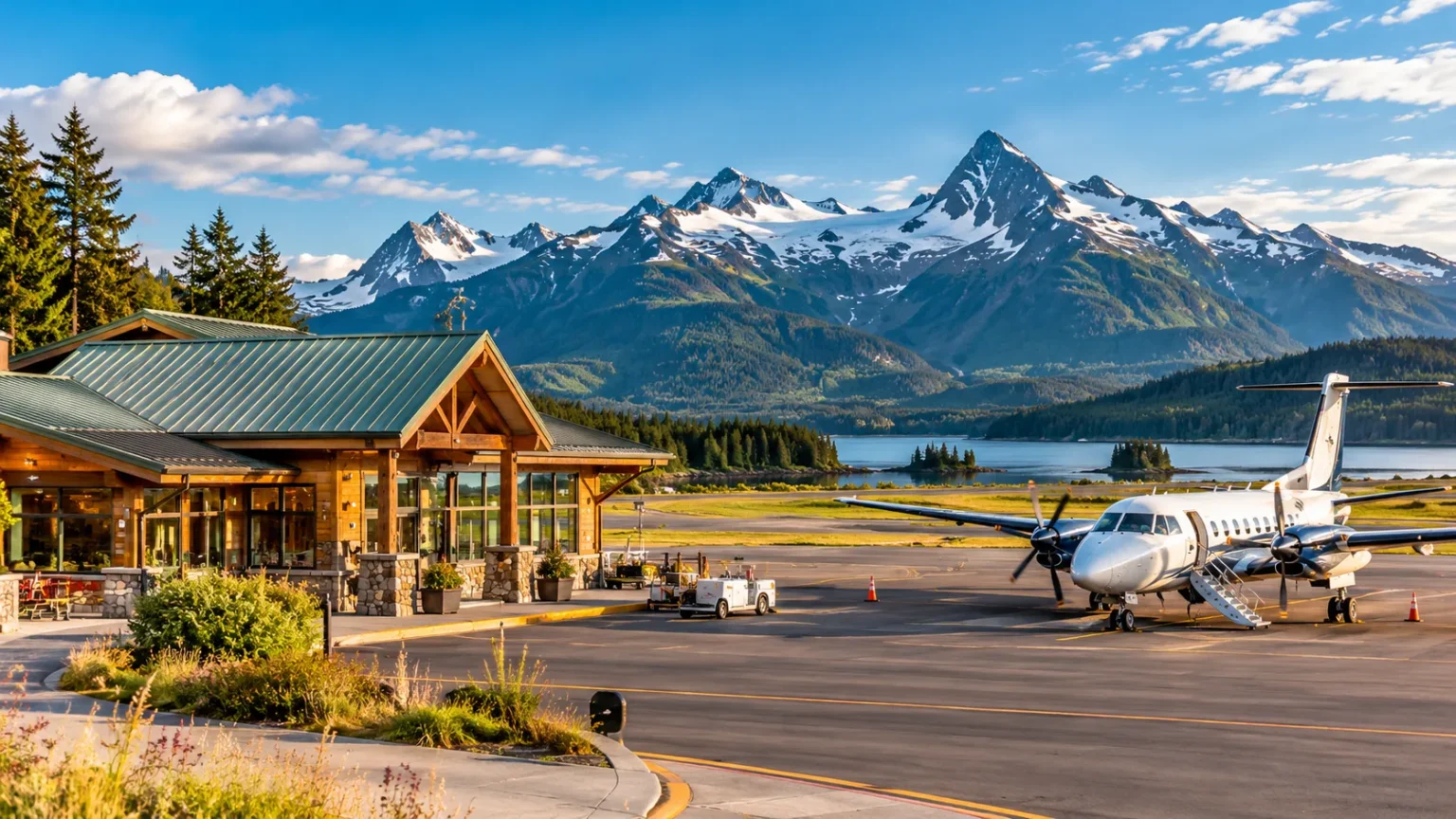
The United States is home to thousands of airports, ranging from enormous international transportation hubs to small regional facilities serving remote communities. While famous airports such as Atlanta, Los Angeles, and Chicago handle millions of travelers annually, smaller commercial airports operate on a completely different scale. Discovering the smallest commercial airport in the US reveals an interesting side of American aviation that many travelers rarely experience.
Small commercial airports provide essential transportation connections for rural communities, isolated destinations, and regions located far from major cities. Unlike busy international terminals, these facilities often feature compact buildings, limited flight schedules, and smaller passenger aircraft. Their simple infrastructure creates a distinctive travel experience while supporting important economic and transportation needs.
This comprehensive smallest commercial airport in the US travel guide explores Dawson Community Airport in Montana, one of America’s most frequently cited examples of an exceptionally small airport with scheduled passenger service. You will learn how airport size is measured, what facilities travelers can expect, and how regional flights operate. The guide also covers transportation, travel planning, and the importance of small airports in the American aviation network.
What Is the Smallest Commercial Airport in the US?
Dawson Community Airport, located near Glendive, Montana, is frequently described as one of the smallest commercial airports in the United States. Identified by the airport code GDV, this regional facility serves a relatively small community in eastern Montana. Its modest passenger terminal and limited commercial flight network make it a well-known example of small-airport travel.
However, determining the absolute smallest commercial airport is more complicated than identifying one particular location. Airports can be compared according to annual passenger numbers, terminal dimensions, land area, runway length, or the number of scheduled flights. Different methods may produce different results, and aviation statistics change as airlines modify their operations.
The Federal Aviation Administration also uses specific passenger thresholds when classifying commercial service airports. Some extremely small facilities with scheduled flights fall outside its formal commercial service category because of their annual boarding totals. Therefore, Dawson Community Airport is best understood as a prominent example rather than an undisputed record holder under every measurement.
Where Is Dawson Community Airport Located?
Dawson Community Airport is situated approximately five miles northwest of Glendive, a small city in Dawson County, eastern Montana. The surrounding region features wide-open landscapes, agricultural communities, and scenery associated with the northern Great Plains. Its relatively remote location helps explain why a small regional airport remains important to residents and visitors.
Glendive lies near the Yellowstone River and serves as a commercial and transportation center for surrounding rural areas. The city is also known for its proximity to distinctive geological landscapes and important fossil discoveries. Travelers arriving through Dawson Community Airport can explore the local area while experiencing a quieter side of Montana.
The airport’s location makes it useful for journeys connected to Glendive and nearby communities. However, distances between towns can be substantial, and transportation options may be limited compared with major metropolitan regions. Checking onward travel arrangements before arrival is important, particularly for visitors unfamiliar with rural Montana.
How Small Is Dawson Community Airport?
Dawson Community Airport is considerably smaller in passenger facilities than the major airports familiar to most travelers. Instead of extensive concourses, multiple terminals, and large shopping areas, it operates with a compact passenger environment. This reflects the relatively low passenger demand associated with its surrounding community and scheduled flight network.
The airport has a runway measuring approximately 5,700 feet in length, allowing it to support appropriate regional aircraft and other aviation activity. Although the passenger terminal is modest, the airport itself occupies considerably more land than the terminal building suggests. Runways, taxiways, safety areas, and supporting infrastructure all contribute to its overall footprint.
Small terminal size does not necessarily mean that an airport lacks important operational systems. Aviation facilities must meet applicable safety and operational requirements based on their activities. Dawson Community Airport illustrates how a relatively simple passenger environment can support scheduled air transportation without the extensive infrastructure associated with large international hubs.
Which Airlines Fly to Dawson Community Airport?
Dawson Community Airport has been served by Cape Air, a regional airline that provides scheduled passenger connections between smaller communities and larger transportation centers. As of October 2026, published schedules identify Billings, Montana, as its nonstop commercial destination. Service arrangements can change, so travelers should verify the current route before making plans.
The Glendive-to-Billings connection helps passengers reach a larger regional airport with additional flight options. Billings Logan International Airport offers broader connections within the United States, making it a useful transfer point. This arrangement demonstrates how small airports can support travel beyond their immediate communities despite offering only a limited selection of direct routes.
Regional flight schedules may be less frequent than those at major airports, which makes connection planning particularly important. Travelers should confirm departure times, baggage conditions, and ticket arrangements through their airline. Changes caused by weather, operational requirements, or airline scheduling can have a greater impact when alternative departures are limited.
What Is Flying From a Small Commercial Airport Like?
Flying from a small commercial airport can feel noticeably different from traveling through a large international terminal. Passenger facilities are usually simpler, with fewer gates, shorter walking distances, and limited commercial services. The quieter environment may appeal to travelers who prefer straightforward airport layouts and less complicated navigation.
Aircraft operating regional routes are often smaller than those used on major domestic or international services. Depending on the airline and destination, passengers may encounter different seating arrangements, boarding procedures, and baggage limitations. Smaller aircraft are still subject to applicable aviation safety requirements, but the onboard experience may differ from larger commercial jets.
Although compact terminals can make airport navigation easier, travelers should not assume that check-in deadlines or security requirements are less important. Airlines establish specific reporting times based on their operations. Arriving according to the carrier’s instructions helps avoid problems, especially when only a small number of scheduled departures are available.
Understanding the Difference Between Commercial and General Aviation Airports
A commercial service airport generally provides scheduled passenger transportation and meets specific regulatory classifications. Under the Federal Aviation Administration’s airport categories, commercial service airports are publicly owned facilities with scheduled airline service and at least 2,500 annual passenger boardings. Airports exceeding 10,000 annual boardings fall into the primary airport category.
General aviation airports primarily support activities other than scheduled airline passenger service, including private flying, flight training, and certain business operations. However, an airport may also accommodate some scheduled passenger activity while remaining classified as general aviation because its boarding totals fall below the commercial service threshold.
This distinction explains why identifying America’s smallest commercial airport requires careful terminology. An airport might offer a scheduled passenger flight without meeting the FAA’s formal commercial service definition for a particular reporting year. Travelers researching airport rankings should consider both the services actually offered and the statistical category being used.
Other Small Commercial Airports in the United States
Dawson Community Airport is not the only small American airport supporting scheduled regional flights. Communities across Montana, Alaska, and other less densely populated states depend on similar facilities. These airports may handle relatively few passengers while providing transportation connections that would otherwise involve lengthy journeys by road.
Montana has several regional airports serving smaller cities, including Sidney-Richland Regional Airport and L.M. Clayton Airport in Wolf Point. Their routes and passenger volumes vary according to airline agreements and local demand. Comparing such facilities illustrates the importance of regional transportation networks across large rural states.
Alaska also contains numerous small airports that support essential travel between communities separated by mountains, waterways, and difficult terrain. Some locations depend heavily on aviation because conventional road connections are limited or unavailable. The country’s smallest passenger airports therefore serve practical transportation needs rather than functioning only as aviation curiosities.
Why Small Commercial Airports Are Important
Small commercial airports support regional connectivity by allowing residents of rural communities to access larger transportation networks. Without these facilities, travelers may face long drives before reaching an airport with scheduled passenger flights. Air connections can be particularly valuable when communities are separated by substantial distances or challenging geography.
These airports also contribute to local economic activity by supporting business travel, tourism, employment, and access to essential services. Regional aviation connections can make smaller communities more accessible to visitors and organizations. Their economic importance is not necessarily reflected in passenger numbers because the benefits extend beyond ticket sales.
Some smaller airports benefit from the federal Essential Air Service program, which supports scheduled air transportation for eligible communities. The program helps maintain access where commercial service might otherwise be difficult to sustain. Its existence highlights the broader public interest in connecting rural regions to the national transportation system.
Best Time to Visit Glendive, Montana
The best time to visit Glendive is generally from late spring through early autumn, when temperatures are more comfortable for exploring the surrounding landscapes. May, June, September, and early October can provide pleasant conditions for sightseeing. However, eastern Montana experiences considerable seasonal variation, and weather can change unexpectedly.
Summer brings longer daylight hours and opportunities to appreciate the region’s parks, outdoor attractions, and natural scenery. July and August can become hot, while thunderstorms may occasionally affect travel plans. Visitors interested in exploring scenic landscapes should prepare for changing conditions and check local forecasts.
Winter can be particularly cold, with snow, ice, and strong winds affecting transportation. Regional aviation services may experience disruptions during severe weather, making flexible connections valuable. Travelers planning winter journeys should review forecasts, road conditions, and airline notifications before departure, especially when connecting through another airport.
Things to Do Near Dawson Community Airport
One of the best-known attractions near Glendive is Makoshika State Park, recognized for its dramatic badlands scenery and fascinating geological formations. Visitors can appreciate colorful rock layers, striking natural landscapes, and the area’s paleontological significance. The park provides a memorable introduction to eastern Montana’s distinctive environment.
The Glendive Dinosaur and Fossil Museum is another local attraction associated with the region’s reputation for prehistoric discoveries. Visitors interested in museums and natural history may find the exhibits worth exploring. Because interpretive approaches and collections vary, travelers can choose attractions that match their interests and preferred educational experiences.
Downtown Glendive offers a quieter setting for discovering local businesses, restaurants, and community landmarks. The Yellowstone River corridor also contributes to the area’s natural character. Spending time in the surrounding region can turn a journey through Dawson Community Airport into a more rewarding travel experience.
How to Get to and From a Small Regional Airport
Transportation arrangements are especially important when traveling through a small airport because public transit and commercial transport services may be limited. Dawson Community Airport serves a relatively small population, so visitors should not expect the same range of transportation options found at major international airports.
Private vehicle arrangements, local transport providers, or rides organized through accommodation businesses may be practical depending on availability. Travelers should confirm services before arrival rather than assuming taxis or rental vehicles will be waiting at the terminal. Advance arrangements are particularly helpful when flights arrive outside ordinary business hours.
Visitors planning to explore eastern Montana should also consider the distances between attractions and nearby communities. A vehicle may provide flexibility for sightseeing, although driving conditions vary with weather and season. Planning transportation in advance can reduce unnecessary delays and make travel through a small airport more convenient.
Essential Travel Tips for Small Commercial Airports
Before traveling through a small commercial airport, confirm your flight schedule and the airline’s check-in requirements. Regional carriers may operate limited departures, and missing a flight can create significant disruptions. Reviewing ticket conditions and connection details in advance helps travelers understand the arrangements associated with their itinerary.
Baggage policies deserve particular attention because smaller regional aircraft can have different storage limitations from larger commercial planes. Some carriers may require certain bags to be handled separately or impose specific size restrictions. Checking the applicable rules before departure can help avoid confusion during boarding.
Finally, prepare for fewer terminal services and potential weather-related interruptions. Carry essential personal items, identify appropriate transportation arrangements, and allow reasonable flexibility when connecting between flights. Small airports provide important travel opportunities, but successful journeys often depend on thoughtful preparation rather than expecting extensive facilities.
Conclusion
Dawson Community Airport in Glendive, Montana, is frequently identified as one of the smallest commercial airports in the United States. Its modest passenger facilities, regional airline connection, and rural location make it a fascinating example of small-airport travel. However, the absolute smallest airport depends on how size and commercial service are defined.
Understanding the difference between terminal size, passenger traffic, airport land area, and FAA classifications helps explain why airport rankings can vary. Small regional facilities perform an important function by connecting communities with larger transportation networks. Their value extends well beyond the number of passengers they serve each year.
Whether you are interested in aviation history, planning a trip to eastern Montana, or simply curious about unusual American airports, Dawson Community Airport provides an interesting perspective. With careful transportation planning and attention to flight schedules, travelers can appreciate the practical advantages of regional air service while exploring the distinctive landscapes surrounding Glendive.
Frequently Asked Questions (FAQs)
What is the smallest commercial airport in the United States?
Dawson Community Airport in Glendive, Montana, is frequently cited as one of America’s smallest airports offering scheduled passenger flights. However, the precise answer depends on passenger volume, land area, terminal size, and regulatory classification.
Where is Dawson Community Airport located?
Dawson Community Airport is located approximately five miles northwest of Glendive in Dawson County, eastern Montana. It serves the surrounding rural region and provides access to a larger regional transportation network.
Which airline operates flights from Dawson Community Airport?
Cape Air serves Dawson Community Airport with scheduled regional flights connecting Glendive and Billings, Montana, according to October 2026 schedules. Flight availability and routes should always be confirmed before traveling.
Are small commercial airports safe to use?
Small commercial airports and their airlines must follow applicable aviation safety regulations. Airport size alone does not determine safety, although aircraft types, facilities, and operating conditions may differ from larger airports.
Why are there so many small airports in the United States?
The United States has extensive rural regions where airports provide important transportation connections. Small facilities support communities, businesses, emergency access, and regional travel in areas located far from major aviation hubs.