

Introduction to Seasonal Travel
Traveling during different seasons offers a myriad of experiences that can greatly enhance one’s journey. Each season presents unique opportunities, challenges, and cultural events that cater to varied tastes and preferences. For travelers, understanding the characteristics of seasonal travel is essential to making informed decisions about when and where to visit.
Spring, with its rejuvenating essence, invites travelers to explore blooming landscapes and take part in vibrant festivals. The mild weather is perfect for outdoor activities, allowing visitors to reconnect with nature. However, spring also brings unpredictability in weather patterns, leading to potential rain and cool temperatures that can impact travel plans.
Summer, on the other hand, is synonymous with vacations. Families often take advantage of the warm weather to partake in beach excursions, hiking, or cultural events. Popular tourist destinations may be crowded during this time, making it essential for visitors to plan ahead. Furthermore, summer heat can be extreme in certain regions, which may deter some from traveling.
Autumn enchants travelers with a spectacular display of foliage, particularly in regions that experience four distinct seasons. This season is renowned for harvest festivals and outdoor excursions, offering a vibrant atmosphere for those looking to immerse themselves in cultural events. However, cooler temperatures and unpredictable weather can pose challenges.
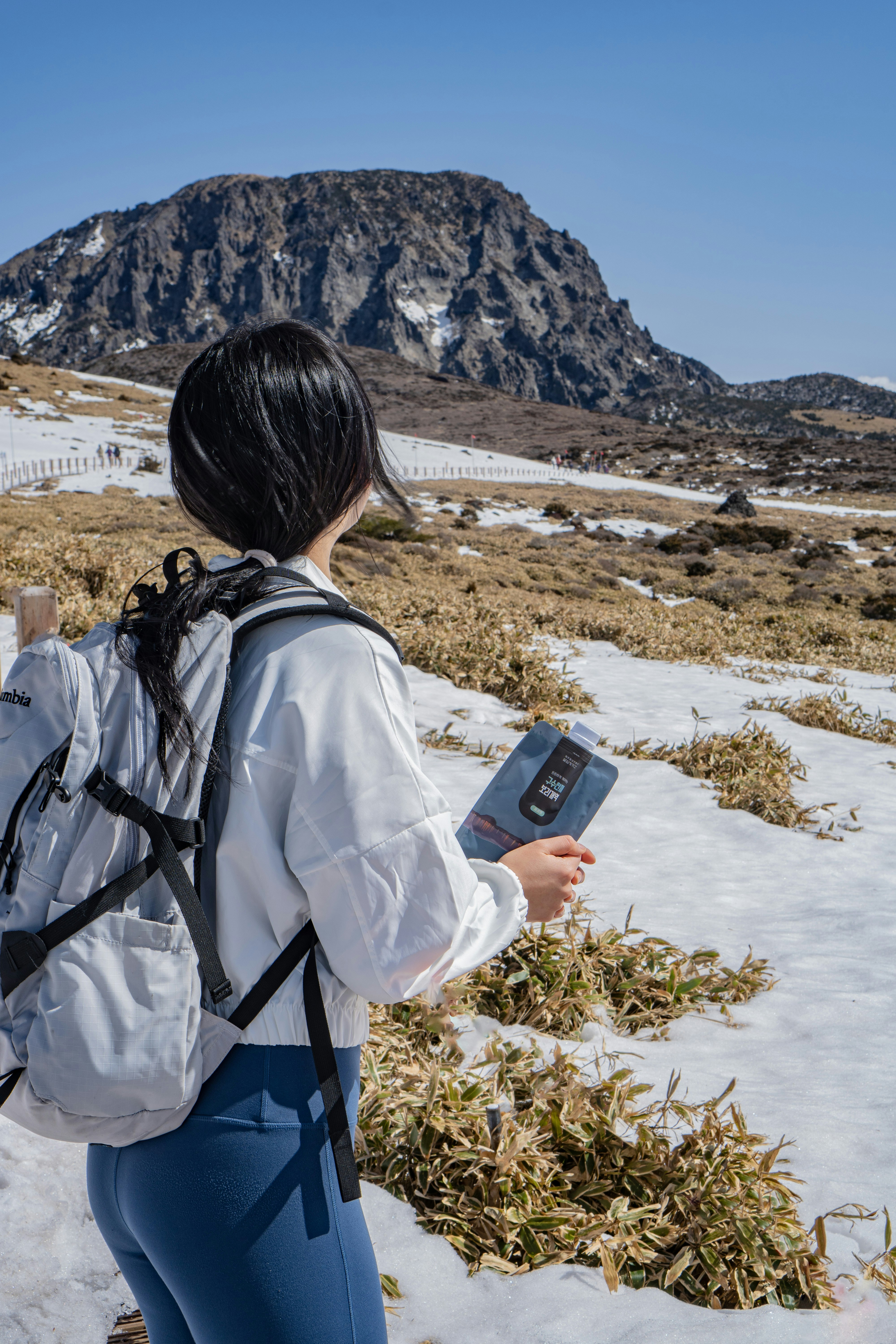
Finally, winter opens doors to activities such as skiing and holiday celebrations. The holiday spirit elevates travel experiences, but harsh weather conditions may hinder mobility and accessibility. Each season thus offers a unique array of benefits and challenges, requiring travelers to carefully consider their preferences and the weather conditions when planning their adventures. Ultimately, recognizing the allure of seasonal travel can enrich the journey significantly, leading to memorable experiences and deeper cultural connections.
Spring: Awakening Nature and Festivals
Spring offers a unique opportunity for travelers to experience the natural beauty of blooming flowers, vibrant landscapes, and lively festivals. The season marks a period of renewal, making it an ideal time to explore destinations renowned for their springtime attractions. During this season, many locations transform into colorful canvases as cherry blossoms, tulips, and daffodils come into full bloom, providing a feast for the eyes and opportunities for breathtaking photography.
For those interested in outdoor festivals, spring is replete with events celebrating culture, music, and local traditions. From flower festivals in the United States to cherry blossom festivals in Japan, the options are plentiful and diverse, showcasing local customs and community spirit. Visiting towns during festival times not only enhances the travel experience but also allows one to engage with local artisans, enjoy traditional cuisine, and participate in cultural performances.
When planning a spring trip, it is essential to consider destinations that are known for their spring landscapes and festivals. Regions like the Netherlands, with its iconic tulip fields, or Washington D.C., famous for its cherry blossoms, are perfect examples of locations to explore. Additionally, keep in mind that spring weather can be unpredictable; hence, packing versatile clothing layers is advisable. Light jackets, comfortable shoes, and waterproof gear will help ensure comfort during any sudden rain showers or fluctuating temperatures.
Ultimately, spring represents a time of exploration and joy. Whether you are eager to hike the blooming trails or indulge in local festivities, the season offers a plethora of opportunities to experience nature’s awakening and cultural celebrations. Setting out to embrace the essence of spring travel can lead to memorable adventures and newfound appreciation for the changing seasons.
Summer: Adventures Under the Sun
Summer is widely regarded as one of the most vibrant seasons for travel, characterized by its warm weather, numerous outdoor activities, and a wide array of destinations catering to various interests. For travelers seeking adventure, summer provides an excellent opportunity to explore the great outdoors. Popular summer hotspots include coastal areas, national parks, and scenic countryside regions where families can engage in a plethora of activities.
Beach vacations are among the favored choices for those looking to escape the heat while indulging in sun-soaked relaxation. Destinations such as the Caribbean, Mediterranean coast, and South East Asia attract millions of tourists from around the globe. These locales boast pristine beaches, water sports, and charming beach towns, making them ideal for both relaxation and exploration. Additionally, the summer months often coincide with various cultural festivals and events, providing visitors with a taste of local traditions and festivities.
For those interested in outdoor adventures, activities such as hiking, biking, and camping become popular pastimes during summer. National parks, such as Yellowstone and Yosemite, offer breathtaking landscapes and an array of trails suitable for all skill levels. Meanwhile, numerous lakes and rivers provide opportunities for kayaking, fishing, and swimming, appealing to families and adventure enthusiasts alike.
When planning a summer trip, travel budgeting is key. Peak tourist seasons can lead to increased prices for accommodations, flights, and attractions. It is advisable to book early to secure better rates and consider alternative destinations that may be less crowded and more budget-friendly. Additionally, many locations offer family-friendly packages and discounts during the summer months, enhancing the experience for those traveling with children.
In summary, summer travel presents diverse opportunities for exploring vibrant destinations, engaging in outdoor activities, and enjoying memorable family adventures. With careful planning and consideration of peak tourist seasons, travelers can enhance their summer journey, creating lasting memories under the sun.
Fall: Cultural Richness and Foliage
As the seasons shift from summer to fall, travelers are often drawn to the unique allure of autumn, characterized by its vibrant foliage and rich cultural experiences. Fall travel offers the opportunity to witness nature’s stunning transformation, with trees adorned in hues of red, orange, and gold. The season not only enhances the landscape but also enhances the cultural activities available, providing an enrichment of both natural and cultural beauty.
During this time of year, numerous harvest festivals abound across the globe, celebrating the fruits of the season. These events usually showcase local produce, traditional crafts, and vibrant community gatherings. Destinations like New England in the United States are renowned for their breathtaking leaf-peeping opportunities, while places like Europe’s Bavarian region come alive with Oktoberfest festivities, offering travelers a taste of local culture through food, music, and traditions.
For those considering a fall getaway, a few essential locations stand out. Acadia National Park in Maine presents a picturesque canvas of autumn foliage, complemented by its rugged coastline. Meanwhile, the enchanting vineyards of Napa Valley and the colorful orchards in the Midwest exemplify the agricultural bounty available during this season. Cities such as Asheville, North Carolina, boast both artistic communities and beautiful scenery, making them perfect for cultural exploration amidst fall’s backdrop.
As you prepare for your fall travels, it is crucial to pack appropriately for the cooler temperatures. Layering is recommended, as days can fluctuate between warm afternoons and chilly evenings. A light jacket, scarves, and comfortable footwear will not only keep you warm but also ensure you can fully engage in outdoor activities and festivals. By immersing yourself in the cultural offerings and reveling in the fall foliage, your travel experience will be both memorable and enriching.
Winter: Embracing the Cold and Festivities
Winter is a season that evokes a sense of wonder and excitement for travelers seeking to embrace the charm of snow-covered landscapes and festive atmospheres. As temperatures drop, many destinations transform into winter wonderlands, offering a range of activities and experiences that cater to both adventure seekers and those looking to unwind in cozy settings.
When choosing winter destinations, consider factors such as accessibility, weather conditions, and the type of activities you want to enjoy. Popular choices include alpine resorts, where visitors can engage in skiing, snowboarding, and other thrilling winter sports. Destinations like the Swiss Alps or the Rockies are perfect for those looking to experience world-class skiing and stunning mountain views.
In addition to outdoor sports, many cities host enchanting holiday markets that are ideal for those interested in a more leisurely experience. Cities like Vienna or Strasbourg are renowned for their festive markets, where travelers can explore charming stalls, sample local treats, and find unique handcrafted gifts. These atmospheric events can enhance the travel experience, providing a glimpse into local traditions and culture.
While winter travel can be delightful, it is essential to prepare for colder temperatures. Dressing in layers is crucial for comfort, as it allows for versatility in fluctuating temperatures. Thermal clothing, waterproof outerwear, and accessories such as gloves and hats will help keep travelers warm while enjoying the outdoors. Additionally, staying hydrated and using moisturizers can mitigate the drying effects of cold air.
Ultimately, winter travel presents a unique opportunity to engage with both natural beauty and festive celebrations. With proper planning and an adventurous spirit, one can make the most of this tranquil yet exhilarating season.
Packing Tips for Every Season
Packing efficiently for your travels is essential, and it varies significantly with the changing seasons. During winter, prioritize warmth by incorporating layers. A thermal base layer, a middle layer for insulation, and a waterproof outer layer ensure comfort during cold temperatures. Don’t forget accessories such as gloves, hats, and scarves, as these can make a substantial difference.
Spring presents a mix of weather conditions. Hence, packing light layers is crucial. Consider t-shirts, lightweight sweaters, and a waterproof jacket to handle unexpected showers. Also, a good pair of waterproof shoes can help keep your feet dry while exploring the vibrant blooms. Additionally, a foldable umbrella can be a wise choice for springtime visits.
Summers often attract travelers seeking sunlight and adventure. Utilize breathable fabrics such as cotton and linen to stay cool and comfortable. Pack various shorts, tank tops, and dresses, depending on your destination. Also, include essentials like sunscreen, hats, and sunglasses for sun protection. If you’re heading to a beach, don’t forget your swimwear and a beach towel.
As autumn arrives, the best strategy is layering again, as temperatures fluctuate. Sweaters, long-sleeve shirts, and jackets will help you adjust to cooler mornings and warmer afternoons. Include accessories such as a scarf or a light hat to enjoy the picturesque fall scenery comfortably. Also, consider a reliable umbrella or rain jacket to combat the potential shifts in weather.
In summary, considering seasonal conditions when packing can significantly enhance your travel experience. By choosing the right clothing, accessories, and travel gear, you can stay comfortable and stylish no matter the weather, ensuring that you are well-prepared for any surprise that comes your way.
Seasonal Travel Safety Tips
Traveling throughout the year exposes individuals to various seasonal risks, making it essential to familiarize oneself with safety protocols for each specific season. Awareness of health considerations, weather-related precautions, and safety measures in bustling tourist environments significantly enhances travel safety.
During the winter months, icy conditions can introduce hazards. It is critical to equip oneself with appropriate footwear and clothing to prevent slips and falls. Additionally, ensuring that vehicles are winter-ready, with snow tires and emergency kits, can mitigate the risks associated with road travel in colder climates. Moreover, the flu season is prevalent during this time, so maintaining good hygiene practices, such as frequent hand washing and using sanitizers, is crucial for personal health.
As spring arrives, travelers should be cautious of allergens that may lead to respiratory issues. Carrying antihistamines can help alleviate allergic reactions while enjoying blooming landscapes. Furthermore, spring rains can create hazardous conditions on roads and hiking trails; hence, it’s wise to stay updated on weather forecasts to avoid sudden storms.
In the summer, heat-related illnesses pose significant risks, particularly for those traveling to warmer climates. Staying hydrated and taking regular breaks in shaded areas can help prevent heat exhaustion. It is advisable to wear sunscreen and protective clothing when exposed to direct sunlight for extended periods. While summer attracts larger crowds at tourist hotspots, it is prudent to remain vigilant and practice personal safety measures to avoid petty crime and overcrowding issues.
Finally, autumn introduces unique considerations, particularly in agricultural or rural areas where harvesting activities take place. If visiting such locales, remain aware of safety signs and follow guidelines to navigate farms safely. Falling leaves can also obscure pathways, creating slipping hazards on trails and streets.
By remaining well-informed about seasonal risks and implementing appropriate safety strategies, travelers can enhance their overall experience while mitigating any potential dangers associated with seasonal travel.
Cultural Etiquette and Events by Season
Traveling offers a unique opportunity to engage with diverse cultures and traditions, making it essential for travelers to be aware of local etiquette and seasonal events. Understanding these elements not only enhances the travel experience but also fosters respect and goodwill with the locals.
In spring, many cultures celebrate renewal and rebirth. For instance, in Japan, the cherry blossom season (Hanami) draws visitors from around the world. It’s customary to picnic under the blooming trees, but travelers should remember to clean up after their gatherings, adhering to the local emphasis on cleanliness. Similarly, in Mexico, the spring equinox is celebrated at the ancient site of Chichen Itza, where visitors can witness the shadow of a serpent descend the pyramid, a significant cultural event.
As summer arrives, festivals and outdoor events become prevalent. In Italy, the Palio di Siena, a historic horse race held in July, captivates both locals and tourists alike. Attendees should respect the rivalry between the competing contrade (districts), honoring local traditions by dressing appropriately and participating in the vibrant atmosphere without being intrusive. Furthermore, the custom of sharing meals with locals can enhance one’s understanding of Italian culture.
Autumn signifies harvest time, marked by various cultural celebrations. In the United States, Thanksgiving is a pivotal holiday, and visitors should be mindful of the significance it holds for families. Participating in community events or local dinners can provide a richer perspective on the customs that surround this time. Additionally, in China, the Mid-Autumn Festival in September offers another unique encounter, where sharing mooncakes is a sign of friendship and family unity.
Winter brings its own set of cultural practices and festivities. In December, many cultures around the world celebrate seasonal holidays, and being respectful of different customs is critical. For instance, in Sweden, the celebration of St. Lucia’s Day in mid-December is both a religious and cultural event, where locals participate in candlelit parades. Understanding the etiquette around such events, including dressing modestly and participating respectfully, allows travelers to engage without offending local sentiments.
Conclusion: Making the Most of Seasonal Travel
Traveling during different seasons offers unique experiences that can significantly enrich one’s life. Each season brings its own charm and set of opportunities, making seasonal travel an adventure worth embracing. From the vibrant blossoms of spring to the tranquil snowscapes of winter, every time of year urges travelers to appreciate diverse environments and cultures.
As discussed in earlier sections, the key to enjoying seasonal travel lies in preparation and embracing the inherent characteristics of each season. Be it the excitement of summer festivals or the serenity of a quiet autumn getaway, understanding what each season has to offer can help you tailor your travel plans accordingly. This not only enhances the experience but also allows travelers to witness sights and partake in activities that are distinctive to that time of year.
Moreover, engaging with local traditions, seasonal cuisines, and events prevalent during your travels can foster a deeper connection with the destinations visited. Such involvement enriches the journey and can lead to lasting memories and friendships that transcend geographical boundaries.
It is also crucial to remain adaptable; weather and seasonal changes can bring unpredictability. Thus, maintaining a flexible itinerary can allow for spontaneous adventures that may arise in the moment, creating experiences that would otherwise have been missed.
In conclusion, embracing the beauty of seasonal travel can transform your adventures into something extraordinary. So, we encourage you to plan your next seasonal exploration. Seek out local attractions, engage with diverse cultures, and let the rhythms of nature guide your journey. Each season holds a promise waiting to unfold; seize it and create unforgettable memories this year.