
Introduction to Budget Travel for Solo Travelers
Budget travel for solo travelers presents a unique blend of challenges and opportunities that can significantly enhance the travel experience. Traveling alone offers unmatched freedom and flexibility, allowing individuals to tailor their itineraries according to personal preferences and interests. However, managing a budget as a solo traveler requires careful planning and a strategic approach to ensure that one navigates potential pitfalls effectively.
One of the primary benefits of budget travel is the cost-saving aspect. Solo travelers can often take advantage of discounts, special offers, and budget accommodations, choosing options that may not suit group travelers. This can include staying in hostels, using public transportation, or dining at local eateries instead of expensive restaurants. Additionally, solo travelers often have the flexibility to travel during off-peak seasons, further reducing their expenses while providing a more intimate travel experience, devoid of large crowds.
However, this form of travel also comes with its own set of challenges. Safety concerns, for instance, can be amplified for those who travel alone, necessitating careful planning and awareness of the destinations. Budgeting becomes essential, as solo travelers must manage all costs independently, from accommodation and food to sightseeing and transportation. This may require more research and creativity to find affordable options without compromising on experience.
This blog post aims to explore various budget travel tips tailored specifically for solo travelers, discussing how to save money while maximizing enjoyment. It will provide insights into effective budgeting strategies, recommend destinations that are budget-friendly for solo travelers, and suggest ways to connect with other travelers. With better preparation and knowledge, solo adventurers can embark on fulfilling, affordable journeys across the globe.
Choosing the Right Destination
When embarking on a solo travel adventure, selecting the right destination is pivotal for both enjoyment and financial management. Factors to take into account include safety, cost of living, accessibility, and available activities, all of which can greatly influence the overall experience and budget.
Safety is a primary concern for solo travelers. Researching the crime rates and traveler reviews on safety can help gauge the peace of mind you seek while exploring new places. Destinations known for their low crime rates, friendliness towards solo travelers, and a general welcoming atmosphere are more preferable. Look for spots that offer a stable environment and a community that actively supports tourism.
The cost of living is another critical element. Before making a choice, investigate the average expenses for accommodation, food, transportation, and attractions in potential destinations. Countries in Southeast Asia and parts of Eastern Europe present opportunities for budget travelers due to their generally lower cost of living, allowing for a richer experience without overspending. Additionally, calculating exchange rates can offer clarity on how far your currency may stretch.
Accessibility cannot be overlooked either. A well-connected destination, with efficient public transportation options, minimizes travel hassle. Candidates with easily navigable transit systems or walkable attractions are ideal for solo adventurers, allowing for freedom and exploration without reliance on costly transportation means.
Finally, examine the available activities. Researching attractions that resonate with your interests, such as museums, parks, or local festivals, ensures a fulfilling travel experience. Look for destinations that provide low-cost or free events, enhancing your itinerary without straining your budget.
Thus, thorough research and consideration of these factors will lead to the selection of destinations that foster enjoyable, safe, and economically sustainable travel for solo adventurers.
Accommodation on a Budget
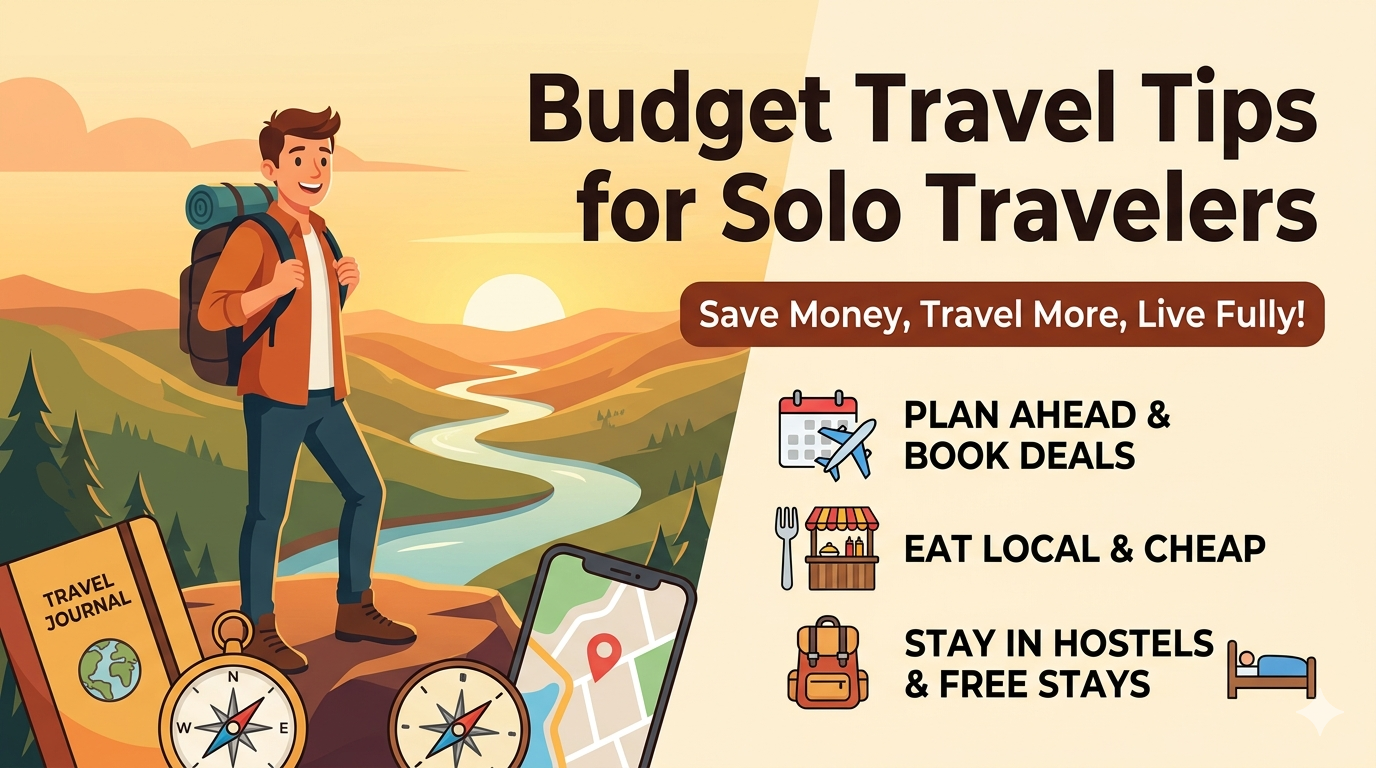
Finding suitable accommodation is a critical aspect of budget travel, especially for solo travelers. Hostels are among the most popular options, offering a cost-effective way to stay in central locations while providing opportunities to meet other travelers. Dormitory-style rooms are usually the cheapest option, but many hostels also offer private rooms for those seeking more privacy. To secure the best deals, booking in advance or during off-peak seasons can lead to substantial savings.
Budget hotels are another feasible choice for solo travelers who prefer a bit more comfort. These establishments may provide basic amenities at lower prices compared to luxury hotels. It’s advisable to leverage deal comparison websites and apps that aggregate prices from various platforms to find the most competitive rates. Additionally, opting for hotels located slightly outside the main tourist areas can yield lower prices while still offering easy access to public transportation.
Vacation rentals through platforms such as Airbnb or Vrbo can also provide economical options for solo travelers. Renting a room in someone’s home not only reduces costs but also allows the traveler to immerse themselves in local culture. It is essential to read reviews and verify the host’s credentials to ensure a safe and pleasant stay.
When selecting accommodation, location plays a pivotal role in managing transportation costs. Choosing a place near public transport hubs or within walking distance of key attractions can reduce travel expenses significantly. Prioritizing accommodation that strikes a balance between affordability and convenience will enhance the overall travel experience, making it easier to explore the destination on a budget.
Affordable Transportation Options
When traveling solo, finding affordable transportation options can significantly enhance the overall experience and help in maintaining a budget. One of the most cost-effective ways to navigate through cities is by using public transit systems. Many urban areas offer extensive networks of buses, trains, and trams that provide convenient access to popular attractions at a fraction of the cost of taxis or ridesharing services. Additionally, purchasing day passes or multi-ride tickets often leads to further savings.
Walking is another economical transportation choice, particularly in walkable cities where many attractions are located close together. This mode of travel not only saves money but also allows travelers to immerse themselves in the local culture and scenic surroundings. However, it is essential to consider physical stamina and the distance between attractions to avoid fatigue.
Biking has also become a popular alternative for solo travelers. Many cities have bike rental services or bike-sharing programs that provide an affordable means of exploring the area while enjoying the outdoors. This option promotes fitness and can be an exhilarating way to discover hidden gems. Nevertheless, riders must be cautious of traffic rules and local cycling conditions to ensure safety while biking.
For longer journeys, booking flights or train tickets well in advance can offer substantial savings. Prices for flights and trains tend to increase as the departure date approaches, making early booking a strategic method for budget-conscious travelers. Furthermore, remaining flexible with travel dates can further capitalize on lower fares. Each option presents distinct advantages and drawbacks, and solo travelers should weigh these factors to identify the best transportation method for their itineraries.
Eating Well on a Budget
For solo travelers, eating well while staying within a budget is not only feasible but can also enhance the overall travel experience. One effective way to dive into local cuisine without overspending is by exploring street food options. Street vendors often offer authentic dishes at a fraction of the price of sit-down restaurants. This not only allows travelers to sample local flavors but also supports small businesses and provides a more authentic dining experience.
In addition to street food, consider the benefits of preparing meals in hostels or shared accommodations. Many hostels provide communal kitchens stocked with essential appliances. Budget travelers can take advantage of this by purchasing fresh ingredients from local markets and preparing simple meals. Cooking not only saves money but also provides an opportunity to connect with fellow travelers, sharing tips and recipes from around the world.
When dining out, it is advisable to avoid common tourist traps that often inflate prices. Instead, seek recommendations from locals or fellow travelers regarding hidden gems—local eateries that offer quality meals at fair prices. Utilizing meal deals or lunch specials can further stretch a traveler’s budget, as many local restaurants serve the same cuisine at lower prices during lunch hours.
Moreover, budgeting strategies for meals throughout the trip can help maintain a healthy balance between exploring culinary delights and managing expenses. Consider allocating a specific portion of the total travel budget to food; this can help in making informed choices without the risk of overspending. Using an app or a simple journal to track daily spending can serve as a useful tool in adhering to this budget.
Ultimately, the combination of seeking local food opportunities, cooking, and smart budgeting can ensure that solo travelers have fulfilling dining experiences without compromising their financial plans.
Exploring Free or Low-Cost Activities
Solo travelers often seek ways to make their journeys memorable without straining their budgets. Fortunately, numerous free or low-cost activities can enrich the travel experience. One of the most rewarding aspects of solo travel is the ability to explore local culture through free attractions. Most cities offer a selection of parks, public squares, museums with free admission days, and historical sites that provide a glimpse into their heritage. These venues not only allow you to learn about the local history but also supply fantastic opportunities for photography and journaling.
Another incredible way to immerse oneself in the local culture is through volunteering. Many organizations welcome travelers to lend a helping hand in exchange for unique experiences. Whether it is assisting in community gardens, animal shelters, or social projects, volunteering allows solo travelers to not only contribute positively to the community but also to forge meaningful connections with locals and fellow travelers. Websites such as Workaway or HelpX can be excellent resources for finding opportunities that align with your interests.
Engaging with locals can also lead to discovering affordable social activities. Joining community events, local classes, or group hikes can create pathways to friendships while often coming at little or no cost. Platforms like Meetup or Couchsurfing connect like-minded individuals who share similar interests, making it easy to find people to explore with. By participating in local events or outings, solo travelers can make lasting memories while staying within their financial means.
Lastly, always keep an eye out for free walking tours, which exist in many major cities around the world. These tours provide excellent insights from knowledgeable guides and are often based on a tip system, allowing you to pay what you deem appropriate based on your experience. Engaging in these activities not only enhances your travel experience but also ensures that you make the most out of your journey without overspending.
Travel Insurance and Safety Tips
When embarking on solo travel, the significance of securing travel insurance cannot be overstated. Travel insurance serves as a protective measure, providing coverage for unexpected events such as trip cancellations, medical emergencies, or lost belongings. Especially for solo travelers, the risks associated with unforeseen circumstances can be heightened, making travel insurance an essential consideration. While it might seem like an additional expense on a budget trip, the peace of mind it offers often outweighs the cost.
To find affordable travel insurance options, it is advisable to conduct thorough research. Various comparison websites allow travelers to compare quotes from different providers, helping you to identify policies that cater specifically to solo travelers or those that cover budget-friendly activities, such as backpacking or hostel stays. Additionally, seek out reviews and testimonials from other solo travelers to determine which insurance plans offer the best value and service.
In addition to travel insurance, practicing general safety precautions is paramount for any solo traveler. Firstly, maintain awareness of your surroundings and stay vigilant, especially in unfamiliar environments. It is wise to avoid displaying valuables in public and to keep personal items secure, such as using anti-theft bags or money belts. Establishing a routine or a plan for your days can enhance your safety by ensuring you have an idea of where you are going and how to get there. Making use of local transportation or trusted services can also contribute to your overall safety.
Furthermore, consider sharing your travel plans with a trusted friend or family member who can stay informed about your whereabouts. This practice helps add an extra layer of safety while traveling alone. To conclude, safeguarding yourself through travel insurance, alongside employing common safety practices, can significantly enhance your solo travel experience without straining your budget.
Managing Budget and Finances While Traveling
Traveling solo presents unique financial challenges that require careful planning and management. To ensure a smooth journey without financial stress, it is crucial to establish a daily budget prior to departure. Begin by estimating total expenses including accommodations, food, transportation, activities, and souvenirs. By dividing this total by the number of days you will be traveling, it becomes easier to allocate a specific amount for daily spending. This strategy not only assists in managing finances but also helps to avoid overspending.
In addition to setting a budget, leveraging technology can play a pivotal role in tracking expenses while abroad. Various travel apps are available that help monitor spending in real-time. By entering daily expenditures, solo travelers can stay within their budget constraints and make informed spending decisions. Apps also often allow users to categorize expenses, which simplifies the process of identifying areas where one might be overspending.
Currency exchange rates can fluctuate, impacting how much money is available for daily activities. Therefore, it is prudent to keep abreast of current exchange rates. Some resources provide updated rates and handy calculators that can easily convert expenses into your home currency, thus facilitating effective budgeting. Moreover, consider using a multi-currency account or a travel credit card that offers no foreign transaction fees. These options can provide lighter fees, security, and ease of access to funds while traveling.
Speaking of accessing funds, it is vital for solo travelers to adopt safety measures when handling money abroad. Utilize ATM machines nestled within banks or well-lit, busy areas to minimize risks. Additionally, a mix of cash and card is advisable; keeping some emergency cash separate from your main wallet can provide an added layer of security. In conclusion, effective management of budget and finances can significantly enhance the solo travel experience by alleviating monetary concerns, allowing more focus on enjoyment and exploration.
Conclusion and Additional Resources
In navigating the world of solo travel on a budget, it is essential to embrace the mindset of adventure and resourcefulness. Throughout this blog post, we have explored various strategies to enhance your solo travel experience while keeping expenses manageable. By thoroughly researching destinations, utilizing budget accommodation options, and embracing local cuisine, solo travelers can stretch their budgets further and create unforgettable memories.
Networking with fellow travelers can also provide invaluable insights into budget-friendly activities and hidden gems. Additionally, taking the time to develop a realistic budget while prioritizing essential experiences over luxury can lead to a more fulfilling journey. Remember, it is not only about the destinations but the experiences and connections made along the way.
For those looking to delve deeper into budget travel practices, there are numerous resources available. Websites such as Lonely Planet offer expert advice and tips tailored for the budget-conscious traveler. Likewise, forums like Reddit’s travel subreddit can be an excellent space for engaging with other solo travelers who share their experiences and recommendations.
Furthermore, consider apps like Kayak and Skyscanner for comparing flight prices, as well as Hostelworld for discovering affordable accommodations. Budgeting tools such as Mint or You Need a Budget (YNAB) allow travelers to set and track expenses effectively.
Ultimately, embracing the adventure of budget solo travel can lead to personal growth, newfound independence, and a deeper connection with the world around you. Happy travels!