

Introduction
Traveling across Europe can be a dream come true for many students, serving not only as a memorable experience but also as a valuable learning opportunity. However, the expenses associated with travel can often deter students from embarking on their desired adventures. Therefore, identifying the cheapest countries to visit in Europe becomes essential for those on a budget. The combination of affordability and cultural richness is what makes Europe especially appealing for students looking to explore during their academic years.
Budget travel allows students to stretch their finances further, enabling them to explore various countries without incurring overwhelming debt. In several Eastern and Southern European countries, the cost of living is significantly lower, which translates to cheaper accommodations, food, and attractions. This reality opens up a world of possibilities for students keen on immersing themselves in new cultures and experiences while adhering to a limited budget.
Moreover, traveling on a budget does not mean sacrificing quality or enjoyment. Students can indulge in rich histories, stunning architecture, vibrant local cultures, and breathtaking landscapes without needing extravagant funds. Many of these cheaper destinations offer unique experiences ranging from local festivals to breathtaking natural scenery, all while providing engaging opportunities for cultural exchanges with locals. This fosters deeper understanding and appreciation for diverse lifestyles and traditions.
In the subsequent sections, we will explore a selection of countries that are not only affordable but also rich in culture and adventure. These destinations will serve as a guide for students looking to explore Europe without straining their finances, paving the way for unforgettable journeys filled with learning and personal growth.
Factors to Consider When Choosing a Budget Destination
When planning a trip, particularly for students looking to maximize their experiences while minimizing expenses, several factors play a critical role in selecting a budget-friendly destination. The cost of travel is influenced not only by transportation and accommodation but also by daily living expenses, such as food, activities, and local transportation.
Accommodation should be among the top considerations. While hostels may provide cheap lodging options, the quality and location can significantly affect overall travel costs. In cities with a high tourist influx, consider alternatives like guesthouses or vacation rentals that might offer better rates. Besides price, the location’s accessibility to major attractions can save both time and transit costs.
Food is another pivotal factor. Opt for destinations where affordable local cuisine is readily available, such as street food markets or small local diners. Avoiding tourist-centric restaurants can lead to significant savings while providing an authentic culinary experience. Understanding local prices and popular dishes can help in budgeting effectively.
Transportation costs can vary widely; therefore, researching local public transport systems and rental options is essential. Destinations with efficient public transit networks often offer cheaper travel solutions compared to those heavily reliant on taxis or ride-sharing services.
Additionally, activities and attractions should be evaluated based on their cost-effectiveness. Many cities offer discounts for students or free entry to museums and sites on certain days. Therefore, it is prudent to create an itinerary that balances costs with experiences. Finally, consider travelling off-peak. Traveling during off-seasons typically results in lower prices for flights, accommodation, and attractions, allowing for a richer experience without the financial burden.
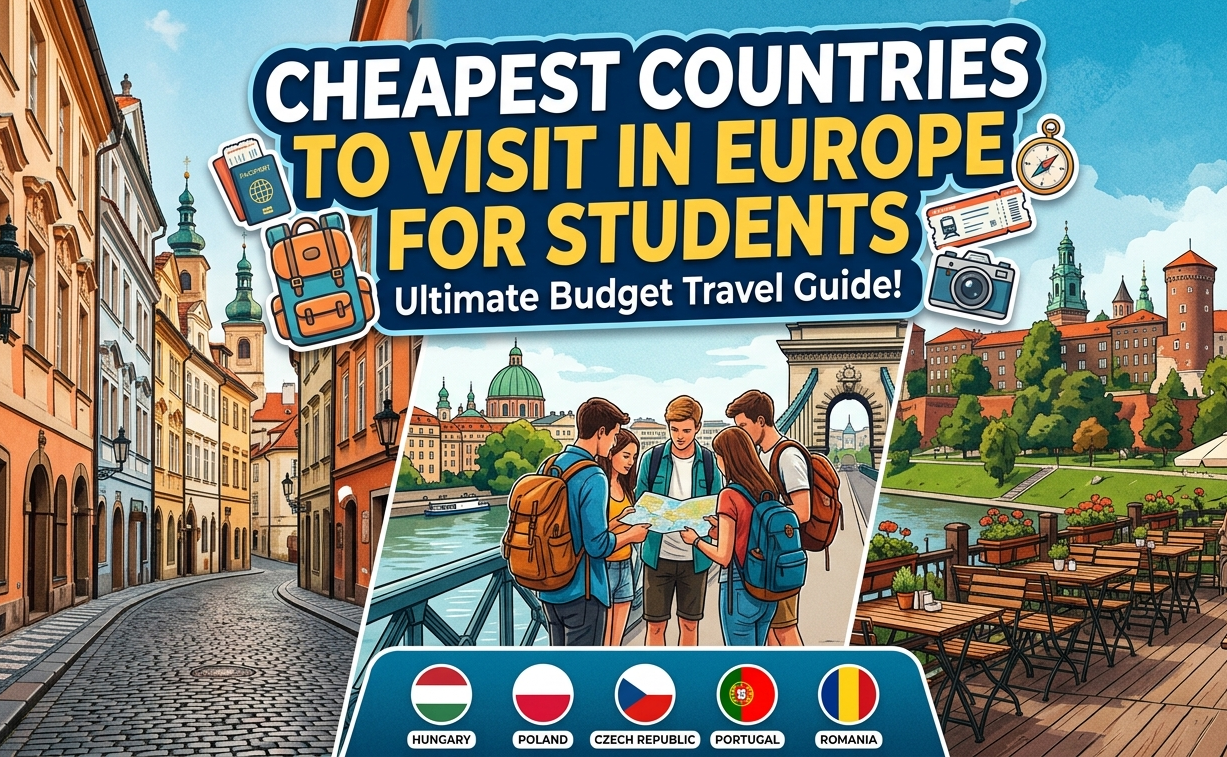
Top 5 Cheapest Countries for Students to Visit in Europe
When it comes to exploring Europe on a budget, several countries stand out for their affordability, particularly for students. These destinations not only offer low-cost accommodation and meals but also rich cultural experiences and stunning scenery. Here are the top five cheapest countries for students to visit in Europe.
1. Portugal: Known for its picturesque landscapes and welcoming locals, Portugal is a fantastic destination for students. Major cities like Lisbon and Porto are relatively inexpensive, with affordable public transport, budget hostels, and delectable local cuisine. The stunning beaches of the Algarve and the historic charm of Sintra make Portugal a must-visit.
2. Hungary: Budapest, the capital city, is famed for its thermal baths and vibrant nightlife. Students will find both accommodation and food prices quite reasonable. A unique aspect of Hungary is the wealth of cultural events, ranging from music festivals to art exhibitions, all accessible to the student budget.
3. Romania: With breathtaking landscapes and a rich history, Romania is an often-overlooked gem. Cities such as Bucharest and Cluj-Napoca provide affordable lodging and food options. The dramatic castles of Transylvania and the beautiful Carpathian Mountains offer students plenty of adventure and exploration opportunities.
4. Bulgaria: This southeastern European country boasts a low cost of living, making it highly budget-friendly for students. Sofia, its capital, has a vibrant cultural scene with numerous museums, galleries, and historical sites. A trip to the beautiful Black Sea coast provides both relaxation and adventure at a minimal cost.
5. Poland: Known for its rich history and stunning architecture, Poland, particularly cities like Krakow and Warsaw, attracts many students. Prices remain attractive for lodging, travel, and food, while the country’s museums and historical attractions provide endless learning opportunities.
Cost Breakdown: Accommodation and Meals
When planning a budget-friendly trip across Europe, understanding the costs involved with accommodation and meals is essential for students. Several countries on the continent offer affordable options that can stretch a student’s budget.
Hostels are a popular choice among travelers looking for economical lodging. In Eastern European countries such as Poland and Hungary, prices for hostel dormitories typically range from €10 to €25 per night. Budget hotels, which generally offer a bit more privacy, might cost between €30 and €50, making them an attractive option for students wanting a good balance between cost and comfort. Other budget-friendly nations like Portugal and Romania also present similar pricing structures, with affordable accommodation well under €30 per night, ensuring that students can find a place that fits their financial constraints.
Meals play a significant role in travel expenses. A typical street food meal can be purchased for as little as €4 to €8 in countries like Greece and Bulgaria, providing travelers with flavorful and authentic local cuisine without breaking the bank. Affordable restaurants, particularly in Italy and Spain, offer set menus or lunch specials ranging from €10 to €15, which can be a good strategy for students looking to enjoy traditional dishes while controlling their spending. Fast food restaurants, while not ideal for experiencing the local culture, can also provide quick meals for about €6 to €10.
By recognizing the average costs for accommodation and meals within these countries, students can effectively plan their budgets. In many instances, travelers might be surprised by how affordable eating out and staying in hostels can be, especially in lesser-known destinations. This approach not only saves money but enhances the travel experience by allowing for engagement with local communities.
Transportation Tips in Budget Countries
Traveling within budget-friendly countries in Europe often requires a strategic approach to transportation. Public transport systems in many of these countries are particularly efficient and cost-effective, enabling students to navigate cities without incurring significant expenses. Many cities have integrated transportation systems that include buses, trams, and metro lines, allowing for seamless transfers and reduced fare prices when using daily or weekly passes.
For instance, in cities like Budapest and Prague, public transportation fares are relatively low, and purchasing a multi-day pass can yield further savings. Additionally, many urban areas provide student discounts, making it beneficial to carry a student ID while commuting.
Another economical option for students is bike rentals, which have become increasingly popular in budget-friendly countries. Cities such as Amsterdam and Copenhagen have extensive biking infrastructure, making cycling a safe and enjoyable way to explore. Shared bike schemes are often available at very low rates, allowing travelers to rent bikes for short periods. This not only saves costs but also contributes to a more environmental-friendly mode of travel.
In addition to public transportation and cycling, it is also important to consider walking as a viable option. Many budget destinations are compact, which allows for a pleasant walking experience. This can be a great way to immerse oneself in the local culture and discover hidden gems that may not be accessible by other means of transport.
When planning expenses, it is advisable to research local transportation apps or websites that provide information on routes and fares. Using these resources can significantly enhance the travel experience while keeping costs minimal. Opting for transportation options that are both budget-friendly and efficient ensures that students can maximize their adventures without overspending.
Cultural Experiences on a Budget
Traveling through Europe as a student offers a plethora of cultural experiences that won’t strain your finances. Many cities provide free or low-cost access to a variety of museums and galleries that showcase local art and history. For instance, cities like Budapest and Prague boast numerous museums where entry fees are waived on certain days of the month, allowing students to explore the rich cultural heritage without incurring expenses.
In addition to museums, local festivals present unique opportunities to engage with the culture of a region. For example, festivals such as La Tomatina in Spain or the Carnival in Venice are often low-cost to attend and provide a chance to participate in traditional activities. These events not only celebrate local customs but also encourage interaction with fellow travelers and locals alike.
Outdoor activities also play a significant role in experiencing a destination’s culture. Many European cities, such as Berlin and Lisbon, offer vast parks and public spaces where students can enjoy picnics, free concerts, or community events. Exploring local neighborhoods on foot or by bike reveals hidden gems and provides a deeper understanding of the culture, which is often overlooked in typical tourist itineraries.
Moreover, numerous cities encourage cultural exchange through free walking tours, which are a fantastic way to learn about a city’s history while connecting with like-minded travelers. Engaging with local guides can provide insight into lesser-known stories and traditions, enriching the overall travel experience. Whether you are wandering through cobblestone streets or participating in a neighborhood festival, there are countless budget-friendly options available that can enhance your cultural immersion.
Student Discounts and Travel Passes
Traveling as a student in Europe can be an enriching experience, both culturally and financially. One of the best methods for students to save during their travels is by taking advantage of numerous discounts available on transportation, attractions, and food. Many countries in Europe recognize the budget constraints of students and offer various discounts tailored specifically for them.
Transportation is one area where students can significantly cut costs. Many train companies and bus services across Europe provide special discounts for students or youth travelers. For instance, organizations like Eurail and Interrail offer passes that allow unlimited travel across multiple countries at a fraction of the standard price. These passes can be particularly advantageous for students planning a more extensive travel itinerary across Europe.
When it comes to attractions, many museums, galleries, and historical sites offer reduced entry fees for students. It is often required to present a valid student ID to benefit from these discounts. Some cities also have specific days when entry fees are waived or significantly reduced for students. Furthermore, numerous tourist attractions provide student passes that include access to multiple venues, often combining admission and transportation in one cost-effective package.
Food is another area where students can save money while traveling. Many restaurants and cafes in Europe cater to a student demographic by offering meal deals or discounts when a student ID is shown. Additionally, markets and street food options frequently provide budget-friendly alternatives to dining at sit-down restaurants. For students seeking to travel economically, careful planning and awareness of available discounts can lead to substantial savings.
In summary, making the most of student discounts and travel passes can greatly enhance a student’s travel experience in Europe by significantly reducing costs associated with transportation, attractions, and dining.
Travel Safety and Tips for Students
Traveling as a student can often be an exhilarating yet challenging experience. To ensure a safe and enjoyable journey, it is crucial to be well-prepared and informed about potential hazards. First and foremost, obtaining adequate health insurance is essential. Before embarking on your trip, research affordable health plans that cater specifically to students traveling abroad. This will provide peace of mind knowing you are covered for unforeseen medical situations.
As a student traveler, it is also advisable to familiarize yourself with common scams that target tourists. Scammers are often on the lookout for individuals who appear inexperienced or unprepared. To avoid falling victim, stay vigilant and trust your instincts; if something feels off, it probably is. Additionally, consider utilizing official transportation services and verified accommodations rather than opting for unlisted or unfamiliar options.
Staying connected while abroad can also enhance your travel experience. Prior to your departure, explore international mobile plans or consider purchasing a local SIM card to maintain reliable communication. Having access to the internet can be beneficial not only for navigation but also for keeping in touch with family and friends back home. Along with this, download essential travel apps that assist with language translation, mapping, and emergency contacts.
Lastly, always prioritize personal safety when exploring new places. Avoid wandering alone in unfamiliar areas during late hours and be cautious of displaying valuables, as this may attract unwanted attention. Joining student groups or traveling in numbers can further reduce the risk of encountering dangerous situations.
By adhering to these travel tips and remaining aware of your surroundings, students can navigate Europe safely while enjoying all the experiences these affordable destinations have to offer.
Conclusion and Encouragement to Explore
In light of the numerous budget-friendly options available, it is clear that Europe offers an array of destinations that are suitable for students seeking to travel on a budget. This opportunity for exploration is not just about experiencing new places; it represents a valuable facet of personal growth and education. Traveling allows students to immerse themselves in diverse cultures, gain new perspectives, and develop essential life skills.
As students consider their travel plans, whether it be to the picturesque streets of Prague, the vibrant markets of Lisbon, or the historic architecture of Budapest, it is crucial to embrace the adventure fully. Each of these cheapest countries to visit in Europe presents unique opportunities for discovery, learning, and growth away from the formal classroom. Creating memories in these destinations can significantly enhance one’s educational journey beyond textbooks and lectures.
We encourage you to step out of your comfort zone and take the leap towards exploring these captivating locales. Not only will this broaden your worldview, but it will also help you establish meaningful connections and friendships along the way. Your experiences might inspire others as well, so we invite you to share your travel stories and tips with fellow students. Together, let’s cultivate a community of informed and adventurous travelers who appreciate the educational value that comes with exploring new places.
As you embark on these journeys, remember that every trip is an opportunity to learn something new about the world and yourself. Embrace the affordable travel options available in Europe and let your adventurous spirit guide you to unforgettable experiences.