

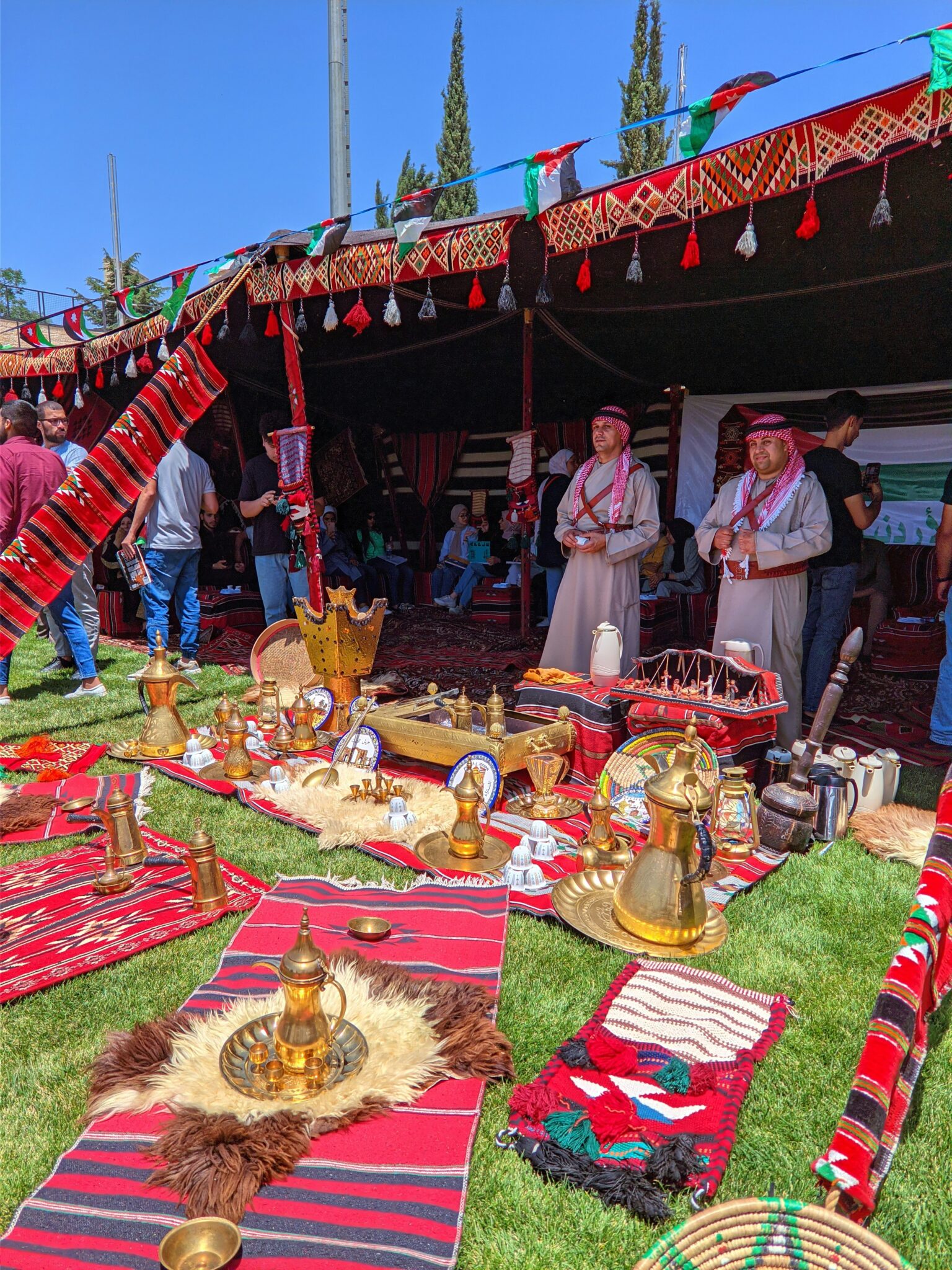
Introduction to Cultural Travel
Cultural travel is an enriching experience that goes beyond just visiting popular tourist destinations; it delves into the heart of local traditions, customs, and lifestyles. This form of travel aims to foster deeper connections between travelers and the places they visit, allowing for a more profound understanding of different societies. Engaging with culture allows travelers to appreciate the nuances of local life, enhancing the overall experience of a trip.
The significance of cultural travel lies in its ability to provide unique insights that are often overlooked in traditional sightseeing. Participating in cultural experiences—such as local festivals, art classes, or traditional cooking lessons—can reveal the stories and histories that shape a community’s identity. It encourages travelers to ask questions, engage with locals, and appreciate the full tapestry of human experiences that lie behind the surface of a location.
Moreover, cultural experiences typically lead to more authentic interactions, creating opportunities for personal growth and understanding. As travelers navigate through different cultural landscapes, they learn to respect and value diversity. These experiences challenge preconceptions and promote an open-minded perspective, which is especially important in our increasingly interconnected world. They emphasize the beauty of human expression across various mediums, such as dance, music, and art, which serve as bridges between cultures.
Incorporating cultural travel into one’s itinerary not only enriches the individual’s travel adventure but also contributes positively to the local communities. It promotes sustainable tourism by encouraging conscious spending habits that support local artisans and businesses. Thus, cultural immersion enhances the travel experience while fostering a global appreciation of the diverse tapestry of human life.
Culinary Adventures: Tasting Local Flavors
Exploring the local cuisine of a destination is one of the most enriching ways to connect with its culture and history. Culinary adventures can reveal the essence of a place, showcasing its customs, traditions, and regional influences through flavors and cooking techniques. Travelers are encouraged to immerse themselves in these experiences to truly appreciate what a destination has to offer.
Participating in cooking classes can be an excellent way to learn about local ingredients and traditional preparation methods. Many regions offer classes taught by local chefs who share family recipes passed down through generations. These classes often double as cultural experiences, allowing participants to understand the significance of certain dishes while honing their cooking skills. The knowledge gained from these culinary workshops not only enhances one’s cooking repertoire but also allows for personal stories to be shared amongst participants, creating a communal bond.
In addition to cooking classes, engaging in street food tours offers a tantalizing glimpse into the daily lives of locals. Street food is often a significant part of a nation’s cultural identity, reflecting the flavors and ingredients that the area is known for. Street vendors frequently serve dishes that represent the region’s unique culinary heritage. Sampling various local delicacies from the streets can introduce travelers to lesser-known dishes and flavors, invigorating their palates.
Dining at family-run restaurants provides another perspective on local cuisine. These establishments often emphasize homemade recipes and ingredients sourced from local markets, maintaining a strong connection to the community. By choosing to dine at these establishments, travelers support family livelihoods and can hear firsthand stories about the culinary traditions that shape the region’s identity.
Incorporating these culinary adventures into travel itineraries enhances the overall experience, making it more vibrant and memorable. By making an effort to taste local flavors, people can immerse themselves in the culture more deeply—one bite at a time.
Festivals and Traditions: Celebrating with Locals
Traveling offers a unique opportunity to engage with the diverse cultures of our world, and one of the most evocative ways to immerse oneself in local traditions is through festivals. Festivals serve as vibrant expressions of a community’s identity, showcasing their customs, beliefs, and heritage. Participating in these cultural celebrations allows travelers to connect authentically with locals, fostering an appreciation for the intricate mosaic of human experiences.
For instance, the colorful Carnival in Brazil epitomizes the fusion of African, Portuguese, and indigenous cultures, manifesting in elaborate parades and exuberant music. Experiencing the pulsating rhythms and the energy of samba dancers allows visitors to appreciate Brazil’s rich cultural tapestry. Similarly, the Diwali festival in India, marked by vibrant lights, delicious sweets, and joyous gatherings, invites travelers to witness the heartfelt traditions surrounding the triumph of light over darkness.
Moreover, events like the Harbin Ice Festival in China not only provide a picturesque spectacle of intricate ice sculptures but also highlight the region’s winter culture. Travelers wandering through the enchanting ice and snow creations gain insight into local artistry and craftsmanship. Additionally, attending the Day of the Dead celebrations in Mexico offers an intimate look into how communities honor their ancestors, merging grief with the vibrant celebration of life.
These festivals are more than mere entertainment; they represent pivotal social interactions and foster a sense of belonging. By engaging with locals during these events, travelers can acquire knowledge about cultural nuances, enhancing their overall experience. Experiencing these traditional celebrations can transform a standard trip into a profound cultural journey. Taking time to embrace festivals not only enriches one’s travels but also strengthens cross-cultural understanding, paving the way for lasting memories and connections.
Art and Craft: Engaging with Local Artists
Exploring art and craft as a traveler enriches the journey by offering deeper insights into local identities, values, and traditions. Engaging with local artists provides an authentic perspective that transcends typical tourist experiences. By visiting galleries, travelers not only witness the creativity that flourishes within a community but also gain awareness of the cultural narratives these artworks convey. Art often serves as a reflection of the social and historical contexts of a place, allowing observers to decode the subtleties embedded in each piece.
Attending workshops is a particularly engaging way to immerse oneself in a destination’s artistic scene. Participating in a pottery class, painting session, or textile workshop under the guidance of local artisans facilitates a hands-on understanding of the techniques and materials that define a culture’s craftsmanship. Such interactions foster connections with the community, as travelers learn stories from artisans who often invest their life experiences into their work. This direct engagement encourages admiration for their skills and may even inspire travelers to incorporate elements of local artistry into their own lives.
Moreover, purchasing handmade items not only supports local economies but also allows travelers to take home a tangible piece of their journey. These unique items, often infused with cultural significance, become meaningful souvenirs that carry the essence of a community. Unlike mass-produced products, each handmade piece tells a story, encapsulating the spirit of the culture it originates from. As a result, embracing local art and craft through these experiences creates lasting memories that deepen one’s appreciation for the diversity of artistic expression found around the globe.
Language: Immersion through Communication
The study of language extends beyond mere words; it encompasses the cultural nuances and values embedded within them. For travelers, immersing oneself in a new language can significantly enhance their overall travel experience. Engaging with locals through basic phrases from their native tongue not only provides a sense of connection but also demonstrates respect for their culture. Language acts as a bridge, facilitating deeper interactions and insights into the local way of life, thus enriching one’s understanding of the destination.
Mastering simple expressions such as greetings, polite inquiries, and common phrases can dramatically transform a traveler’s journey. Such efforts in communication often elicit warm responses from locals, fostering goodwill and encouraging more authentic interactions. For instance, asking for directions or ordering food in the local language can lead to conversations that unveil local customs and traditions, which may not surface when relying solely on English or other widely spoken languages.
Moreover, the act of learning a language can boost a traveler’s confidence and open doors to unique experiences. From participating in local events to discovering hidden gems off the typical tourist paths, the ability to communicate enhances the richness of cultural exchanges. It allows travelers to obtain insider tips and insights directly from the people who inhabit the land, resulting in a more nuanced understanding of the local culture.
Incorporating language learning into your travel preparation can be incredibly rewarding. Whether through mobile apps, language classes, or informal conversations with native speakers, dedicating time to learn basic phrases will furnish travelers with the tools necessary to connect more meaningfully with the communities they visit. The journey becomes not only one of exploration but also of personal growth and cultural appreciation.
Traditional Music and Dance: The Rhythm of Culture
Music and dance serve as vital expressions of cultural identity across the globe. They encapsulate the essence of communities, telling stories and conveying emotions that are often intertwined with history and tradition. Engaging with local musical and dance forms not only enhances the travel experience but also fosters a deeper understanding of a culture’s heritage and collective memories.
One of the essential ways to immerse oneself in another culture is by attending local performances. Whether it is a lively festival, an intimate concert, or a grand theater production, these events bring the community together and provide travelers with a unique opportunity to witness traditional music and dance in its authentic setting. Visitors can expect to encounter diverse musical styles, from the rhythmic beats of African drumming to the delicate sounds of Asian string instruments, each offering a glimpse into the cultural tapestry of the region.
In addition to watching performances, participating in dance workshops can greatly enrich the travel experience. Many cultural destinations offer classes where travelers can learn traditional dance forms, which often have deep-rooted connections to the community. From Flamenco in Spain to Hula in Hawaii, these dance styles not only teach choreography but also share stories of struggle, celebration, and everyday life. By learning the movements and rhythms, participants create a personal connection to the culture, fostering appreciation and mutual respect.
Exploring regional music styles further enhances one’s grasp of cultural narratives. Music often reflects the historical influences and social situations of a place. For instance, the blues of Mississippi speaks to African American history, while India’s classical music forms reflect the country’s rich spiritual and philosophical traditions. By embracing these auditory experiences, travelers can cultivate a nuanced understanding of diverse histories and lifestyles across different cultures.
Cultural Heritage Sites: Learning through History
Traveling offers a unique opportunity to explore the rich tapestry of diverse cultures, and one of the most profound ways to immerse oneself in this experience is by visiting UNESCO World Heritage Sites and local historical landmarks. These sites serve as vital links to humanity’s past, preserving architectural marvels, monuments, and artifacts that tell the story of civilizations. Understanding their significance not only enhances one’s travel experience but also deepens appreciation for the shared heritage of mankind.
UNESCO World Heritage Sites are recognized for their outstanding universal value, making them irreplaceable for future generations. Such sites, ranging from ancient ruins to stunning natural landscapes, embody the essence of cultural identity. An example is the Great Wall of China, which illustrates architectural ingenuity while also serving as a reminder of the historical events surrounding its construction. Each site offers a narrative that transcends time and geography, reinforcing the importance of cultural preservation.
Local historical landmarks, too, enrich travel experiences. Visiting these sites allows travelers to connect with regional specificities— the traditions, lifestyles, and historical context that shaped the area. For instance, exploring a centuries-old castle or a traditional marketplace can provide insights into the economic and social structures of the past. By witnessing these elements firsthand, travelers cultivate a more nuanced understanding of the culture.
Moreover, engaging with local guides or participating in cultural programs at these historical sites further enhances the learning experience. These interactions promote dialogue about historical events and cultural heritage, emphasizing the significance of continuity and change over time. Overall, visiting cultural heritage sites not only fosters individual learning but also contributes to a global appreciation of humanity’s diverse histories and achievements.
Homestays: Living Like a Local
Homestays have emerged as a popular accommodation choice for travelers seeking authentic cultural experiences. By staying with local families, travelers gain unique insights into the daily lives of their hosts, which standard hotels cannot offer. This immersive approach allows visitors to grasp the nuances of local customs, cuisine, and social interactions that shape a community.
One of the primary advantages of homestays is the personal connections developed during the stay. Sharing meals, engaging in conversations, and participating in household activities provide opportunities to learn about traditions directly from locals. Such interactions can lead to lasting friendships and a deeper appreciation for the culture being explored. Furthermore, hosts often share their knowledge of the surrounding area, guiding visitors to hidden gems, local markets, or lesser-known attractions that might be overlooked in guidebooks.
In addition to cultural insights, homestays contribute to the local economy. By choosing local lodging options, travelers help generate income for families, which can positively impact the community. This economic support often encourages the preservation of traditional ways of living and contributes to the sustainability of local regions. Furthermore, homestays may provide visitors with authentic dining experiences, featuring home-cooked meals that showcase regional specialties, thus enriching the overall travel experience.
In essence, opting for homestays enables travelers to step outside the usual tourist experience and fully engage with the cultural fabric of their destination. From firsthand cultural exchanges to an authentic dining experience, the value of homestays lies in their ability to transform a simple trip into a meaningful encounter with the heart and soul of a place. As a result, homestays have become a compelling choice for those pursuing genuine cultural experiences while traveling.
Conclusion: Embracing Cultural Diversity
Cultural experiences profoundly shape our travels, offering us unique insights into the lives and customs of others around the globe. Engaging with diverse cultures not only enhances our understanding of the world’s complexities but also fosters empathy and appreciation for the richness of human experience. As we explore different regions, cuisines, festivals, and traditions, we discover the threads that connect us, transcending geographical and cultural boundaries.
For travelers, embracing cultural diversity is more than a pastime; it is an opportunity for transformative growth. Each interaction with local customs—whether participating in a traditional dance, sharing a meal with a family, or learning a few phrases in a new language—enriches the travel narrative. These experiences allow us to view the world from multiple perspectives, enabling a deeper connection between the traveler and the host culture.
In a world that is increasingly interconnected, understanding and appreciating cultural diversity become imperative. It challenges preconceived notions and stereotypes, encouraging us to approach global travel with an open mind and heart. By seeking out local traditions and engaging meaningfully with communities, travelers can contribute to cultural preservation while enjoying immersive and rewarding experiences.
Ultimately, cultural encounters enhance the journey, providing lasting memories and invaluable lessons. Travel should be viewed as an invitation to learn, explore, and connect rather than just a means to escape. Therefore, as you plan your future adventures, consider the myriad opportunities to engage with diverse cultures, ensuring that your travels contribute to a broader understanding of our world. Embracing cultural diversity is not merely optional; it is an essential component of an enriching travel experience.