

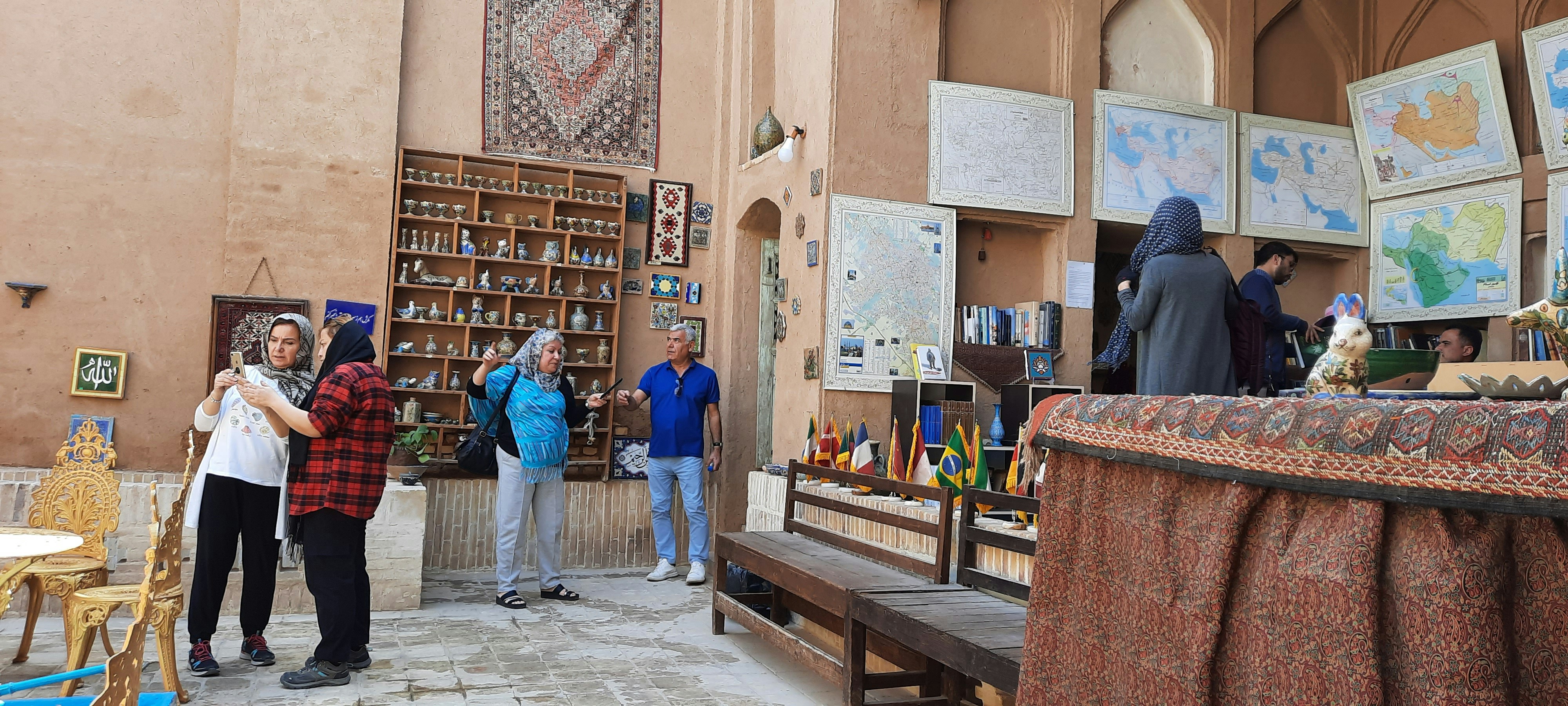
Introduction to Cultural Travel
Cultural travel encompasses a journey that goes beyond mere sightseeing; it invites travelers to immerse themselves in the traditions, practices, and lifestyles of different communities. Engaging with diverse cultures allows individuals to gain insights into the complexities and nuances that shape human experiences across the globe. By participating in local customs, tasting regional cuisines, and interacting with residents, travelers can foster a deep appreciation for differences and similarities among societies.
This form of travel holds significance in its ability to broaden one’s perspective. In an increasingly globalized world, understanding cultural dynamics is essential. Cultural travel serves as a vital tool for developing empathy and tolerance, as it encourages individuals to step outside their comfort zones and accept perspectives that may differ from their own. By creating opportunities for dialogue and mutual respect, cultural experiences can challenge preconceived notions and promote a more inclusive worldview.
Furthermore, cultural travel stimulates curiosity and encourages continual learning. As travelers navigate the intricacies of unfamiliar environments, they often confront their own biases and assumptions. This process not only enriches their understanding of others but also contributes to personal growth. Engaging with authentic cultural experiences is crucial in fostering a sense of interconnectedness, highlighting our shared humanity amid apparent differences. Every destination offers a unique lens through which we can explore history, art, and social customs, thereby illuminating the diverse tapestry of life that exists worldwide.
In summation, cultural travel acts as a catalyst for transformation, enhancing our global consciousness. Through fostering empathy, tolerance, and curiosity, it ultimately cultivates a richer understanding of the world around us, encouraging travelers to view life through a broader, more inclusive lens.
The Importance of Immersive Experiences
Immersive travel experiences play a crucial role in enriching our understanding of diverse cultures. Unlike traditional sightseeing, where visitors merely observe and take photographs, immersive travel encourages active participation in local traditions and customs, fostering a deeper connection to the environment and its people. This engagement can transform a travel experience from superficial to substantial, providing travelers with insights that are often unattainable through conventional tourism.
For instance, participating in a cooking class allows travelers not only to learn about local cuisine but also to understand the cultural significance of certain dishes and cooking methods. This practical involvement can bridge gaps between visitors and locals, cultivating mutual respect and appreciation. Similarly, attending local festivals immerses travelers in the vibrant rhythms of a community, offering firsthand experience of cultural expressions through music, dance, and art. Engaging in such festivities can lead to lasting memories and friendships that transcend geographical boundaries.
Moreover, community service projects provide yet another avenue for immersive experiences. By volunteering in local initiatives, travelers can contribute positively to the communities they visit while gaining insight into the challenges and triumphs faced by residents. This hands-on approach not only benefits the local population but also enriches the traveler’s perspective, promoting global awareness and empathy.
Overall, embracing immersive travel experiences enables individuals to experience different cultures in a meaningful way. This level of engagement transforms the act of traveling into a journey of personal growth and understanding, steering clear from merely being an observer. Instead, travelers become participants in the cultural tapestry of the destinations they visit, leading to a richer understanding of the world’s diverse customs and lifestyles.
Culinary Journeys: Tasting Your Way Through Cultures
Food is often regarded as a universal language, bridging gaps between distinct cultures, traditions, and histories. Culinary experiences offer profound insight into the heart of a culture, allowing individuals to explore local ingredients, cooking methods, and eating habits. This journey into gastronomy can take many forms, from food festivals showcasing regional cuisine to intimate family-run dining experiences where recipes are passed down through generations.
One compelling way to immerse oneself in a culture is through street food tours. These excursions not only provide a delectable array of flavors but also offer a glimpse into the daily life of the locals. As tourists indulge in local delicacies, such as tacos in Mexico City or banh mi in Vietnam, they can observe how these foods serve not only as nourishment but as an integral part of social interaction. Street food stands often become culinary hubs, where people gather to share stories and connect over shared meals, reflecting the cultural significance of food.
Additionally, dining in family-owned restaurants can enhance one’s understanding of a culture. Many of these establishments prioritize authenticity, presenting dishes that tell a story—whether influenced by history, geography, or cultural practices. Engaging with the restaurant owners and chefs frequently leads to enriching conversations about the culinary traditions and heritage behind each dish. Through these experiences, travelers can develop a greater appreciation for the cultural nuances that shape the food they enjoy.
In exploring the vibrant array of global cuisines, culinary journeys do not simply satisfy hunger; they foster connections between people and cultures. The act of tasting diverse dishes allows individuals to engage with differing perspectives, ultimately leading to a deeper understanding of cultural diversity and shared human experiences.
Cultural Festivals: Celebrating Shared Humanity
Cultural festivals around the globe serve as vibrant celebrations of shared humanity, offering unique opportunities for individuals to connect with diverse traditions and values. From the colorful Holi festival in India to the solemn yet joyous Day of the Dead in Mexico, these events provide a window into the heart of various cultures, revealing the rich tapestry of human experience. Attending such festivals not only fosters an appreciation for different ways of life but also enhances our understanding of the world as a place filled with interconnected histories.
Through immersive participation in cultural festivals, individuals have the chance to engage deeply with local customs, food, music, and artistic expressions. For example, the Carnival in Rio de Janeiro showcases the blend of Brazilian culture and African heritage, allowing visitors to witness the spectacular parades and thrilling samba performances that embody the spirit of joy and community. This shared celebration creates a sense of belonging, even among those who may initially feel like outsiders.
Moreover, these festivals often embody values such as cooperation, peace, and resilience, uniting people from various backgrounds under a common purpose. The festivals can break down barriers and foster dialogue, reflecting the universal themes of love, gratitude, and remembrance. In this way, they serve as powerful reminders that, despite our differences, we are all part of the same human family.
In conclusion, cultural festivals are more than just events; they are transformative experiences that can profoundly shift one’s perspective. By participating in these celebrations, we gain insights into the traditions that bind communities and learn to appreciate the beautiful diversity that exists within our global society. Embracing this perspective not only enriches our own lives but also contributes to a more harmonious world.
Art and Music: The Heartbeat of Culture
Art and music are integral components of cultural identity, reflecting the values, beliefs, and history of societies across the globe. Engaging with local performances and art exhibitions offers travelers an immersive way to connect with the diverse narratives that define a culture. Through the lens of artistic expression, one can gain insight into the unique stories that shape the lives of individuals within that cultural context.
Attending local music performances, whether they be traditional folk concerts, contemporary music festivals, or classical orchestras, provides an authentic experience that resonates deeply with visitors. These events often showcase the evolution of musical styles and instruments that are significant to the region. For instance, a traveler in New Orleans may find themselves captivated by the vibrant sounds of jazz, drawn from a rich cultural history that celebrates resilience and creativity.
Art exhibitions further enhance understanding of cultural narratives, serving as visuals that encapsulate the essence of a community. By exploring works created by local artists, one can appreciate not only the aesthetics but also the social issues and historical contexts they represent. Museums and public galleries often feature installations that provoke thought and discussion, allowing visitors to interpret and interact with art on multiple levels.
Moreover, historical sites serve as poignant reminders of the past—each monument and landmark offers travelers an opportunity to reflect on significant moments that have shaped the present. Engaging with these sites can spark conversations about the cultural heritage and collective memory of a society, deepening one’s appreciation for its complexities.
In sum, art and music embody the heart of cultural experiences, paving the way for travelers to develop a profound understanding of the myriad perspectives that exist around the world. The melodies and masterpieces encountered during such journeys not only enrich the traveler’s experience but also foster a greater respect for the vibrancy of human expression.
Historical Context: Learning from the Past
Visiting historical sites offers an invaluable opportunity to engage with the past and understand the evolution of societies and cultures. These sites serve not only as reminders of bygone eras but also as educational platforms that can significantly affect our perspectives on contemporary issues. When individuals step onto the grounds of significant monuments, battlefields, or museums, they are not merely observing relics; they are immersing themselves in narratives that shaped the world we know today.
Understanding history through firsthand experiences allows travelers to draw connections between past events and present societal dynamics. For instance, visiting sites that were pivotal in historical conflicts often prompts reflections on the social, political, and economic ramifications still felt in modern times. Such experiences can catalyze critical thinking about current societal challenges, including issues of inequality, governance, and cultural identity. This is essential in fostering a more nuanced understanding of the world.
Moreover, historical context can illuminate the foundations of contemporary ideologies and social systems. By learning about the struggles and triumphs of previous generations, travelers can appreciate the complexity of current political landscapes. Engaging with history encourages individuals to reflect on the long-standing impacts of colonialism, civil rights movements, and other pivotal moments. This enriched understanding can shift personal and collective perspectives, enabling travelers to approach modern challenges with a more informed viewpoint.
In summary, the exploration of historical contexts through travel not only enhances the cultural experience but also promotes a deeper understanding of the present. It equips travelers with the tools necessary to analyze contemporary issues critically, fostering a more comprehensive global awareness. Such insights not only enrich personal knowledge but also contribute to the discourse surrounding societal advancement and change.
Volunteering Abroad: Transformative Connections
Volunteering abroad is an enriching experience that transcends mere tourism, offering travelers a unique lens through which to engage with different cultures. When individuals decide to volunteer while traveling, they often find themselves immersed in local communities, creating impactful connections and fostering genuine interactions that lead to transformative personal experiences.
One of the most profound aspects of volunteering is the ability to witness daily life from a fresh perspective. By participating in community projects, travelers contribute to various social, environmental, or educational initiatives, which allows them to experience the realities faced by local populations. These encounters not only broaden the traveler’s understanding of different cultures, but also highlight the commonalities shared among people, regardless of geographical boundaries.
Moreover, volunteering cultivates empathy and builds lasting relationships. Engaging in collaborative efforts alongside local individuals enables volunteers to appreciate the nuances of local customs and traditions. These authentic interactions provide insights that are often overlooked by traditional tourism, revealing the heart of a community and the struggles it faces. Volunteers often report that such experiences lead to a shift in their own perspectives, fostering personal growth and a deeper understanding of their own values.
In addition to enhancing the traveler’s worldview, volunteering abroad can lead to opportunities for lifelong friendships and networks that span the globe. The experiences gained while working with diverse groups often encourage a spirit of solidarity and interconnectedness, emphasizing the importance of mutual aid. This transformative journey not only impacts the local communities but also leaves a lasting imprint on the traveler, reshaping their understanding of what it means to belong and contribute to a global society.
Challenges and Rewards of Cultural Travel
Cultural travel often presents a myriad of challenges that travelers must navigate to foster a deeper understanding of diverse cultures. One of the most common hurdles is the language barrier, which can lead to miscommunication and frustration. In many instances, a lack of proficiency in the local language can hinder meaningful interactions and the overall experience. However, this challenge can be approached with curiosity and a willingness to learn. Simple gestures, like using translation apps or learning a few essential phrases, can greatly enhance communication and bridge gaps between travelers and locals.
In addition to language barriers, travelers may face cultural misunderstandings stemming from differing customs and social norms. What may be considered polite or acceptable in one culture could be viewed as inappropriate in another. For instance, the way people greet each other or express emotions may vary widely. Travelers must remain open-minded and adaptable, recognizing that cultural differences often enrich their travel experiences. Engaging in discussions with locals and seeking guidance when unsure can provide greater insight into their way of life.
Despite these challenges, the rewards of cultural travel are immeasurable. Overcoming initial barriers often leads to authentic encounters that foster empathy and appreciation for diversity. As travelers immerse themselves in different cultural practices, they gain a more profound understanding of what it means to be part of the human tapestry. Each interaction has the potential to challenge preconceived notions and stereotypes, ultimately broadening ones perspective. Additionally, the friendships and connections forged during cultural travel can create lasting memories and deepen the intrinsic appreciation for different ways of life. Consequently, the challenges faced during cultural exploration enhance the transformative value of the experience, encouraging personal growth and intercultural understanding.
Conclusion: The Lasting Impact of Cultural Experiences
In today’s interconnected world, cultural travel experiences hold the potential to profoundly change an individual’s perspective. When travelers immerse themselves in diverse cultures, they encounter new traditions, values, and ways of life that challenge their existing beliefs and encourage greater empathy. These experiences do not merely serve as a backdrop for adventure; they offer invaluable insights into the human condition, often leading to a heightened awareness of global issues, such as social justice and environmental awareness.
Moreover, engaging with local communities fosters connections that transcend language and geographical barriers. By participating in cultural exchanges, individuals cultivate friendships and understanding that can last a lifetime. Such relationships can significantly alter one’s worldview, as travelers come to realize the shared human experiences that unite us, despite our differences. Through cultural encounters, one can appreciate the richness of human diversity, prompting them to embrace rather than fear the unknown.
As you plan your next journey, consider stepping beyond the typical tourist spots. Seek opportunities that challenge your preconceived notions, and allow yourself to experience the rhythm of life in another culture. Take part in local customs, engage with the residents, and be open to the lessons they have to offer. These moments often form the cornerstone of transformative travel.
Ultimately, cultural travel experiences can inspire personal growth and broaden one’s perspective. By embracing the unfamiliar, travelers not only enrich their own lives but also contribute to a more nuanced understanding of our world. Venture forth and seek out these enriching experiences; they may just change how you view yourself and others.