

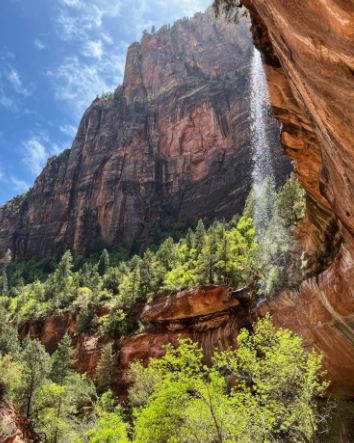
Introduction to Natural Wonders
Natural wonders are extraordinary physical features or landscapes that showcase the beauty, complexity, and diversity of our planet. These remarkable phenomena often arise from natural processes such as geological formations, hydrological processes, and climatic influences, creating breathtaking sights that captivate the imagination of travelers and nature enthusiasts alike. Whether it is the grandeur of mountain ranges, the vastness of canyons, or the intricacies of unique ecosystems, natural wonders present the best of what Earth has to offer.
These attractions not only serve as visual spectacles but also offer educational insights into the planet’s history and the forces that have shaped it over millennia. Visitors to these sites can experience awe-inspiring moments that foster a deep appreciation for nature’s artistry and resilience. The capacity for natural wonders to elicit profound emotions ensures they remain a focal point for adventurers and explorers.
The diversity of natural wonders is a testament to the Earth’s varied landscapes. From the towering peaks of the Himalayas to the stunning coastline of the Great Barrier Reef, these wonders are dispersed across all continents. Each location features distinct characteristics that contribute to its uniqueness. This geographical spread also means that there are countless opportunities for individuals to experience the world’s wonders firsthand, regardless of their home region. Furthermore, many of these wonders are integral to the ecosystems they inhabit, supporting a plethora of wildlife and plant species, thus emphasizing the importance of their conservation.
The Definition of Natural Wonders
Natural wonders are extraordinary features or formations that arise from the Earth’s geological and ecological processes. These remarkable sites exemplify the immense beauty and diversity of our planet’s landscapes, often characterized by unique attributes, striking aesthetics, or remarkable ecological significance. To classify as a natural wonder, a location must not only exhibit exceptional beauty but also reflect a profound connection to the geological and biological evolution of the Earth.
Different types of natural formations are often deemed wondrous. These can include but are not limited to, majestic mountains, expansive canyons, pristine lakes, or unique geological structures such as stone arches and bizarre rock formations. An example is the Grand Canyon in the United States, which illustrates impressive geological history through its layered rock formations, revealing millions of years of Earth’s evolution.
Additionally, ecosystems that embody biodiversity and the interaction of various species can also be considered natural wonders. The Great Barrier Reef, for instance, is not only a marvel of beauty, but it also supports a vast array of marine life, showcasing the intricate balance of underwater ecosystems. Such sites encapsulate the essence of what it means to be a natural wonder: they are not solely visual spectacles but are integral to the health and diversity of life on Earth.
In summary, natural wonders encompass a wide range of landscapes and ecosystems, each with its distinct characteristics and importance. Understanding these criteria enhances our appreciation for these breathtaking sites and emphasizes the need for their conservation to preserve the natural beauty that they represent.
Top Natural Wonders in North America
North America is home to a plethora of stunning natural wonders that attract millions of visitors each year. Among these remarkable sites, the Grand Canyon and Yellowstone National Park stand out due to their impressive geological features and unique ecosystems.
The Grand Canyon, located in Arizona, is one of the most iconic landscapes in the world. This massive canyon was carved by the Colorado River over millions of years and measures approximately 277 miles in length, with depths reaching over a mile. The striking layers of colorful rock reveal a rich geological history, providing insights into the Earth’s past. Visitors to the Grand Canyon can experience breathtaking views from various vantage points along the rim, partake in hiking adventures, or embark on thrilling river rafting expeditions. The park also offers ranger-led programs that delve into its geological significance, native wildlife, and flora.
Another highlight of North America’s natural wonders is Yellowstone National Park, established as the first national park in the world in 1872. This remarkable location spans parts of Wyoming, Montana, and Idaho, featuring geothermal wonders such as geothermal hot springs, mud pots, and geysers—including the famous Old Faithful, which erupts approximately every 90 minutes. The park’s volcanic history has created a unique landscape teeming with diverse ecosystems. Wildlife enthusiasts frequently visit Yellowstone to observe animals such as bison, elk, and grizzly bears in their natural habitats. The park also includes striking features like the Grand Prismatic Spring, known for its vibrant colors, and the rugged beauty of Yellowstone Lake.
These prominent natural wonders not only offer stunning vistas but also hold significant educational and cultural values, making them essential destinations for nature lovers and outdoor enthusiasts alike.
Marvels of Nature in South America
South America is home to an array of breathtaking natural wonders that captivate travelers and nature enthusiasts alike. Among these, the Amazon Rainforest stands out as one of the most extensive and biodiverse ecosystems on the planet. Spanning across multiple countries, including Brazil, Peru, and Colombia, the Amazon is often referred to as the “lungs of the Earth” due to its vast capacity for oxygen production. This tropical rainforest is teeming with life, housing approximately 10% of all known species, including countless plants, animals, and insects, some of which remain undiscovered.
The intricate web of life found in the Amazon Rainforest offers a unique opportunity for educational ecotourism. Tourists can engage in guided hikes to appreciate the flora and fauna, partake in riverboat tours, and learn about the indigenous cultures that have long inhabited this region. This engagement supports conservation efforts and bolsters the local economy, emphasizing the importance of sustainable travel practices.
Another iconic natural wonder is Iguazu Falls, located on the border between Argentina and Brazil. This majestic waterfall system comprises approximately 275 individual falls, with the most impressive being the Devil’s Throat, where immense quantities of water plunge dramatically into the river below. The area surrounding Iguazu Falls has been designated as a UNESCO World Heritage site, highlighting both its natural significance and the cultural heritage of Indigenous tribes that reside nearby. The falls attract millions of visitors each year, generating awareness of the importance of natural conservation.
In these regions, visitors not only witness stunning landscapes but also participate in the preservation of natural wonders that are crucial to the planet’s ecological health. The allure of South America’s marvels draws attention to the intricate relationship between nature and culture, inspiring future generations to protect these irreplaceable environments.
Exploring Europe’s Natural Beauties
Europe boasts a plethora of stunning natural wonders, with each destination showcasing unique geological features and breathtaking landscapes. Among these remarkable sights, the fjords of Norway and the Cliffs of Moher in Ireland are perhaps the most iconic. Each location not only offers scenic beauty but also carries rich histories and local myths that add an enchanting layer to their allure.
The fjords of Norway, characterized by their steep cliffs and deep blue waters, are a product of glacial erosion over thousands of years. These majestic waterways offer spectacular views, especially from vantage points like the popular Preikestolen (Pulpit Rock) and Kjeragbolten, which draw hikers from all corners of the world. The best time to visit the fjords is during the summer months, from June to August, when the weather is mild and the daylight hours are abundant. Visitors can take part in various activities such as kayaking, hiking, and sightseeing cruises, making it a well-rounded destination for nature enthusiasts.
On the other hand, the Cliffs of Moher, located on Ireland’s west coast, rise dramatically from the Atlantic Ocean. These cliffs reach heights of over 700 feet and offer panoramic views of the surrounding landscape. The cliffs are also steeped in local folklore, featuring tales of ancient warriors and mythological beings. For those wishing to experience this natural wonder, the ideal season is during late spring to early summer, when the weather is generally pleasant and the wildflowers are in bloom. Walking along the designated trails allows visitors to appreciate the beauty of the cliffs while also observing the diverse birdlife that inhabits the area.
In conclusion, Europe presents a diverse range of natural wonders that reflect both geological magnificence and cultural significance. Whether it is the gripping environment of the Norwegian fjords or the stunning Cliffs of Moher, each locale has its own story to tell and captivating experiences to offer. Travelers are encouraged to explore these breathtaking sites to truly appreciate the natural beauty that Europe has to offer.
Africa’s Majestic Natural Wonders
Africa is a continent rich in natural wonders, boasting some of the most breathtaking landscapes on the planet. Among these, Victoria Falls stands out as a thundering spectacle that captivates visitors. Located on the border between Zambia and Zimbabwe, this iconic waterfall is one of the largest in the world, with a width of 1,708 meters and a height of 108 meters. The local name, Mosi-oa-Tunya, translates to “The Smoke That Thunders,” a fitting description for the sheer volume of water cascading down creating a mist that rises high into the air. Adventurous travelers can enjoy various activities here, including white-water rafting in the Zambezi River, bungee jumping, and scenic helicopter tours that provide stunning aerial views of the falls.
Another prominent natural landmark in Africa is Mount Kilimanjaro, the continent’s highest peak at 5,895 meters. This towering dormant volcano, located in Tanzania, is renowned for its three volcanic cones: Kibo, Mawenzi, and Shira. Mount Kilimanjaro draws trekkers from around the world, offering several routes for different skill levels to reach its summit, Uhuru Peak. The diverse climate, ranging from tropical at its base to arctic conditions near the summit, allows for a rich array of flora and fauna along the trails. Additionally, the cultural heritage of the local Maasai people enhances the trekking experience, giving visitors insight into their traditions and connection with the land.
These iconic sites highlight just a fraction of Africa’s incredible natural landscapes. From the roaring waters of Victoria Falls to the majestic heights of Mount Kilimanjaro, the continent offers an array of opportunities for exploration and adventure, each presenting a unique perspective on Earth’s grand design.
The Unique Landscapes of Asia
Asia is home to some of the most stunning natural landscapes on Earth, showcasing a diverse array of geographical features. From the towering peaks of the Himalayas, which are the highest mountain range in the world, to the serene beaches of the Maldives, the continent offers an unparalleled spectrum of natural beauty. The Great Barrier Reef, although located in Australia, is often associated with the broader region of Oceania, highlighting the interconnectedness of these awe-inspiring environments and their significance to the global ecological system.
In addition to the majestic mountains, Asia boasts lush rice terraces in countries like the Philippines and Vietnam, which reflect the intricate relationship between local communities and their natural surroundings. These landscapes, often appearing as a patchwork quilt, not only demonstrate agricultural innovation but also represent the rich cultural heritage embedded in these areas. Environmental preservation efforts in these regions are crucial, as they seek to maintain the delicate balance between development and nature, promoting sustainable practices to protect the integrity of these unique environments.
Furthermore, Asia’s natural wonders hold immense cultural significance. The Ganges River, revered in Hindu culture, flows through northern India and is considered sacred, attracting millions of devotees each year. The environmental challenges faced by these areas, such as pollution and climate change, have prompted various initiatives aimed at restoration and conservation. Sustainable tourism practices are being encouraged to ensure that future generations can appreciate and learn from these incredible landscapes.
In conclusion, Asia’s unique landscapes reflect the continent’s rich natural heritage and cultural significance, underscoring the need for ongoing environmental preservation efforts as well as sustainable practices to maintain these breathtaking natural wonders for years to come.
Oceania’s Diverse Natural Attractions
Oceania is a region celebrated for its stunning natural wonders, characterized by a unique blend of geothermal activity, diverse ecosystems, and rich marine life. One of the standout attractions in this region is the geothermal areas of New Zealand, particularly in places like Rotorua and Taupo. Here, visitors can witness the mesmerizing geysers, hot springs, and bubbling mud pools that are central to the country’s volcanic heritage. The rich geothermal activity not only provides spectacular views but also creates opportunities for engaging in activities such as soaking in natural hot springs or hiking around geothermal parks.
Another iconic natural marvel in Oceania is the Great Barrier Reef, located off the coast of Queensland, Australia. This UNESCO World Heritage Site is renowned for its immense biodiversity, housing thousands of marine species including colorful corals, fish, and marine mammals. Tourists flock to the Great Barrier Reef to partake in myriad activities such as snorkeling, scuba diving, and sailing. These experiences allow visitors to intimately connect with the vibrant underwater ecosystems and appreciate the ecological significance of the reef.
Moreover, conservation efforts play a critical role in protecting these natural wonders. Organizations and governmental bodies are actively working to preserve the delicate marine environments of the Great Barrier Reef and to mitigate the effects of climate change, pollution, and other environmental threats. Awareness campaigns and regulations are designed to educate tourists about responsible behaviors when visiting these sites, ensuring that future generations can also experience their beauty.
In conclusion, Oceania offers a diversity of natural attractions that are both breathtaking and essential to global biodiversity. The geothermal wonders of New Zealand paired with the unparalleled marine life of the Great Barrier Reef create a profound and enriching experience for visitors while highlighting the significance of conservation in preserving these natural treasures.
Planning Your Visit to Natural Wonders
When contemplating a journey to some of the world’s most breathtaking natural wonders, effective planning is essential to ensure a fulfilling experience. Factors such as timing, permits, and sustainable travel practices play a significant role in enhancing your visit.
Firstly, understanding the best seasons to visit each destination is crucial. Many natural wonders, such as the Northern Lights in Iceland or the cherry blossoms in Japan, have specific peak seasons that attract visitors excited to witness these phenomena. Researching climatic conditions and seasonal highlights not only optimizes your travel experience but also helps avoid overcrowding during peak times.
Permits may also be required for access to certain natural wonders, especially national parks and protected areas. For example, a permit is often needed for climbing Mount Everest or visiting specific trails in popular parks like Yosemite in California. Visitors should familiarize themselves with the regulations and secure any necessary permits well in advance to avoid complications during their trip.
In addition, sustainable travel is becoming increasingly vital as we explore these magnificent sites. To minimize environmental impact, travelers are encouraged to practice responsible tourism. This includes adhering to marked trails, avoiding littering, and supporting local eco-friendly businesses. Moreover, many wonder destinations actively promote conservation efforts, so participating in such initiatives while visiting can enhance both your experience and contribute positively to the preservation of these natural wonders.
Ultimately, planning your visit requires a balance of logistical preparations, understanding environmental responsibilities, and recognizing the right time to immerse yourself in these awe-inspiring locations. Careful consideration and research will ensure that your journey to these natural marvels is unforgettable and respectful of the fragile ecosystems they inhabit.