

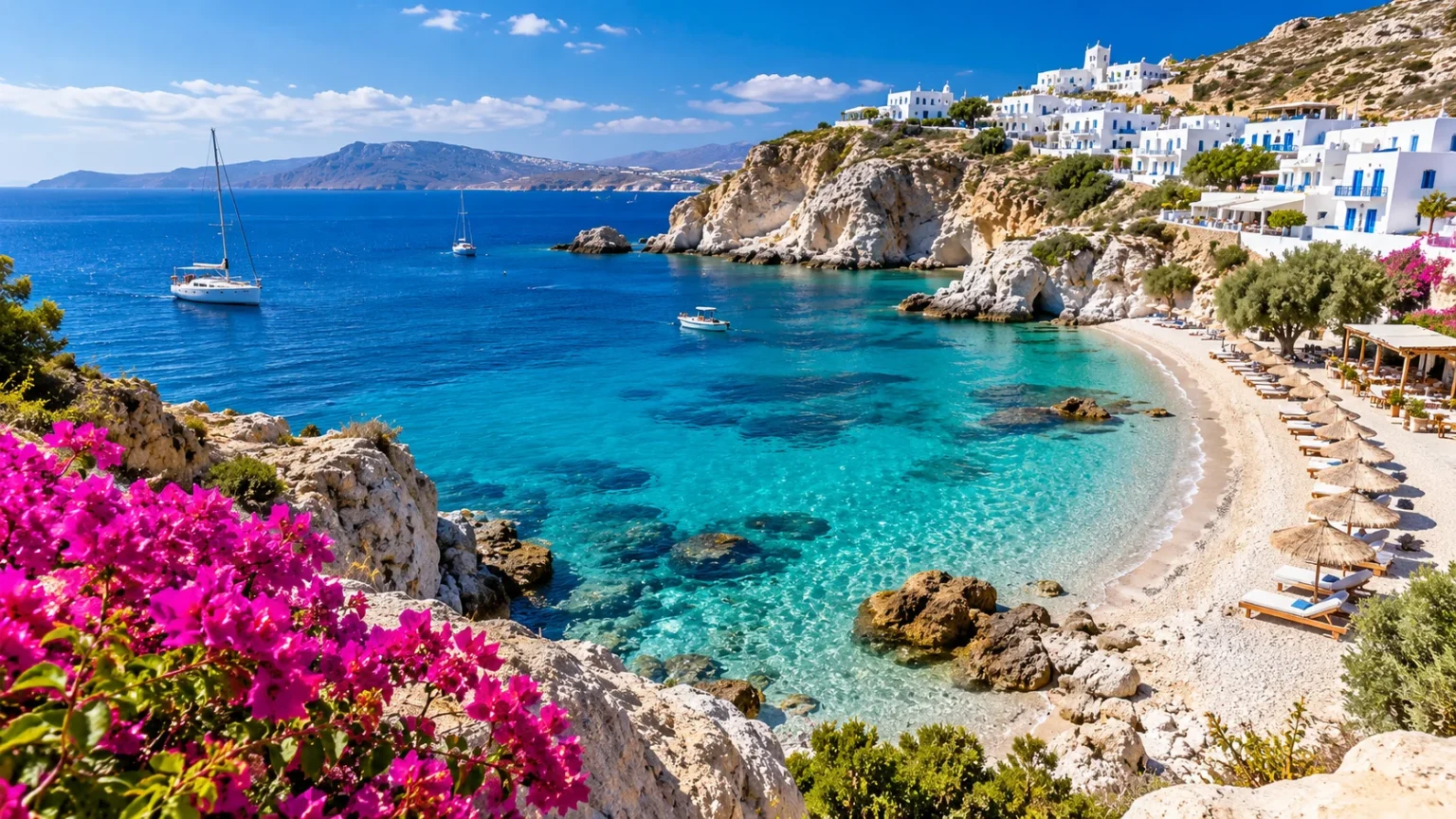
Greece is famous for its beautiful beaches, crystal-clear waters, and breathtaking Mediterranean coastline. From golden sandy shores to peaceful hidden coves, the country offers unforgettable coastal experiences for every type of traveler. Whether you enjoy swimming, relaxing under the sun, exploring seaside villages, or photographing dramatic landscapes, Greece has countless destinations worth discovering.
With hundreds of inhabited islands and an extensive mainland coastline, choosing the best beaches in Greece can feel overwhelming. Some destinations are known for lively beach clubs and luxury resorts, while others offer natural beauty and peaceful surroundings. This guide explores Greece’s most beautiful coastal spots, popular beach destinations, and practical travel tips to help you plan a memorable seaside holiday.
Why Are Greece Beaches So Popular Among Travelers?
Greece attracts beach lovers from around the world because of its stunning coastal landscapes and inviting Mediterranean climate. Many Greek beaches feature turquoise waters, soft golden sand, white pebbles, and dramatic rocky cliffs. The combination of natural beauty, historic seaside towns, and welcoming island communities creates a holiday experience that appeals to families, couples, and independent travelers.
Another reason Greek beaches are popular is the variety of coastal environments available across different regions. Visitors can discover organized beaches with restaurants, umbrellas, and recreational activities or explore quieter coves surrounded by untouched nature. Islands such as Crete, Rhodes, Corfu, and Naxos provide different coastal experiences, making it easier to find destinations that match individual travel preferences.
The Greek coastline also offers opportunities to experience local food, traditional culture, and scenic coastal villages. Many beaches are located near charming tavernas where visitors can enjoy fresh seafood and regional specialties. Combining relaxation with sightseeing, boat excursions, and cultural activities makes beach holidays in Greece especially appealing to travelers seeking more than a typical seaside getaway.
Elafonissi Beach, Crete: Famous for Pink-Tinted Sand
Elafonissi Beach is one of the most recognizable coastal destinations in Greece, located on the southwestern coast of Crete. Its shallow turquoise lagoon and areas of naturally pink-tinted sand create a remarkable tropical appearance. The pink coloring comes from tiny shell fragments mixed with the sand, although the intensity varies across the beach and throughout the year.
The shallow waters make Elafonissi particularly attractive to families and travelers who enjoy gentle swimming conditions. Visitors can walk through sections of the lagoon when conditions allow and explore sandy areas surrounded by beautiful coastal scenery. During the summer, the main beach becomes busy, so arriving earlier can provide a more comfortable opportunity to appreciate its natural surroundings.
Elafonissi is also part of a protected coastal ecosystem featuring sand dunes, rare plants, and wildlife habitats. Travelers should follow local conservation rules, avoid disturbing vegetation, and leave shells and sand where they belong. Bringing drinking water, suitable sun protection, and comfortable footwear helps visitors enjoy this spectacular Crete beach while respecting its environmentally sensitive landscape.
Balos Lagoon, Crete: A Beautiful Coastal Paradise
Balos Lagoon is among the most photographed beaches in Greece because of its extraordinary combination of white sand and bright turquoise water. Located in northwestern Crete near the Gramvousa Peninsula, the lagoon offers impressive views of surrounding hills and the Mediterranean Sea. Its contrasting water colors and relatively shallow sections create a distinctive coastal landscape unlike many traditional beaches.
Visitors commonly reach Balos through organized boat excursions departing from Kissamos or by traveling along a rough access road followed by a walk. The journey can involve uneven terrain and significant sun exposure, making preparation particularly important. Travelers should check current transportation arrangements, road conditions, and accessibility before selecting the most suitable way to reach the lagoon.
Balos attracts travelers interested in photography, scenic landscapes, and relaxing beside unusually clear coastal waters. Facilities can be limited, so carrying drinking water and essential beach supplies is advisable. Because the surrounding area is environmentally protected, visitors should remain on appropriate paths, respect local restrictions, and avoid activities that could damage the lagoon’s delicate ecosystem.
Navagio Beach, Zakynthos: The Iconic Shipwreck Cove
Navagio Beach, commonly called Shipwreck Beach, is one of the most famous coastal landmarks on the Greek island of Zakynthos. Surrounded by towering limestone cliffs, the secluded cove features brilliant blue water and the remains of a stranded ship. Its dramatic scenery has made it a recognizable symbol of Greek island tourism and a popular subject for travel photography.
Unlike many accessible beaches in Greece, Navagio has traditionally been approached by boat rather than through a coastal road. However, the beach remains closed to landings because of safety concerns, including unstable surrounding cliffs. Visitors should not assume swimming or walking onto the beach is permitted and must check current restrictions before planning any sightseeing excursion.
Even with restricted beach access, the surrounding Zakynthos coastline remains worth exploring for its impressive rock formations and clear Ionian waters. Authorized sightseeing boat trips may provide offshore views of the famous cove, depending on operating conditions. Travelers can also discover other beaches across Zakynthos, making the island a rewarding destination beyond its celebrated shipwreck landscape.
Myrtos Beach, Kefalonia: Dramatic Cliffs and Blue Waters
Myrtos Beach is one of the most beautiful beaches in Kefalonia, known for its sweeping shoreline and striking mountain backdrop. Located between steep green hills, the beach combines white pebbles, pale sand, and vivid blue Ionian Sea waters. The contrast between the rugged cliffs and bright coastline creates a memorable landscape that attracts visitors throughout the summer season.
Travelers often stop at viewpoints above Myrtos to photograph its distinctive crescent-shaped coastline before descending toward the beach. The surrounding roads offer spectacular scenery, although careful driving is necessary along winding sections. Beach conditions can change with the weather, and waves or sudden increases in water depth may make swimming unsuitable on certain days.
Myrtos is particularly appealing to visitors who appreciate natural scenery and prefer a more dramatic setting than a typical resort beach. Its broad shoreline provides space for relaxing and enjoying uninterrupted sea views. Visitors should bring comfortable footwear for walking over pebbles and check local safety advice before entering the water, especially when waves are strong.
Porto Katsiki Beach, Lefkada: A Spectacular Ionian Escape
Porto Katsiki Beach is a breathtaking destination on the southwestern coast of Lefkada, famous for its towering white cliffs and brilliant turquoise waters. The narrow strip of pale sand and pebbles sits beneath impressive limestone formations. Its secluded appearance and remarkable natural colors make it one of the most recognizable beaches in the Ionian Islands.
Reaching Porto Katsiki generally involves traveling by road and descending a staircase toward the shoreline, although boat excursions may offer another option. The steps and uneven surfaces can be challenging for visitors with limited mobility. Travelers should check current access conditions and prepare for limited shade, particularly during the hottest hours of the summer.
The beach offers an unforgettable setting for coastal photography, sunbathing, and enjoying views across the Ionian Sea. Swimming conditions vary, and deeper water or strong waves can occur close to shore. Arriving earlier during peak season may help visitors avoid the busiest periods while enjoying the scenery before larger crowds gather along this famous coastline.
Sarakiniko Beach, Milos: Greece’s Unique Moonlike Coastline
Sarakiniko Beach on Milos stands apart from traditional Greek beaches because of its smooth white volcanic rock formations. Instead of long stretches of golden sand, visitors discover sculpted stone surfaces surrounding brilliant blue water. The unusual landscape resembles the surface of the moon, making Sarakiniko one of the most distinctive coastal attractions in the Cyclades.
Visitors enjoy exploring the rock formations, photographing the dramatic landscape, and relaxing beside sheltered sections of the coastline. The bright white stone reflects sunlight strongly, so hats, sunscreen, and sufficient water are especially important. There is limited natural shade, and the exposed rocks can become uncomfortable during the hottest part of the day.
Sarakiniko is an excellent destination for travelers seeking unusual scenery and memorable photography opportunities. However, the rocky surfaces can become slippery, and sea conditions may change quickly in exposed areas. Visitors should use designated access points where available, avoid risky cliff jumping, and observe the coastline carefully before choosing a safe place to swim.
Paradise Beach, Mykonos: Famous for Its Lively Atmosphere
Paradise Beach is one of the most recognized beaches in Mykonos, attracting travelers who enjoy energetic seaside environments and organized beach facilities. Located along the island’s southern coast, it features golden sand and clear Aegean waters. Beach clubs, music, and seasonal entertainment contribute to its lively reputation, particularly during the busiest summer months.
Visitors can spend the daytime swimming, relaxing on rented sunbeds, or enjoying food at nearby coastal establishments. The atmosphere often becomes more energetic later in the day, especially during peak tourist season. Travelers seeking quieter surroundings may prefer visiting earlier or exploring alternative beaches elsewhere on Mykonos that offer a more peaceful experience.
Mykonos also features quieter coastal destinations such as Agios Sostis and family-friendly stretches around Ornos. These locations provide alternatives for travelers who appreciate the island’s scenery without the busiest beach-club atmosphere. Choosing accommodation near preferred beaches and checking transportation schedules can help visitors enjoy Mykonos without spending unnecessary time traveling between crowded coastal areas.
Paleokastritsa Beach, Corfu: Scenic Bays and Green Hills
Paleokastritsa is one of Corfu’s most picturesque coastal areas, featuring small bays surrounded by green hills and rocky landscapes. Located along the island’s northwestern coastline, it offers beautiful views of the Ionian Sea and several attractive swimming spots. The combination of lush vegetation and clear blue water gives the area a distinctive appearance compared with drier Greek islands.
Visitors can explore different coves, enjoy coastal boat excursions, or relax at beaches near traditional seaside restaurants. Some bays contain pebbles rather than soft sand, so suitable footwear can improve comfort. The water may feel cooler than expected because of local sea conditions, but its clarity makes the coastline especially appealing to swimmers.
Paleokastritsa also provides opportunities to explore Corfu’s cultural heritage and traditional island scenery beyond the beach. Scenic viewpoints, nearby villages, and the historic monastery overlooking the coastline make rewarding additions to a day trip. Travelers who enjoy combining beach relaxation with sightseeing will appreciate the area’s balance of beautiful natural landscapes and local attractions.
Red Beach, Santorini: A Colorful Volcanic Landscape
Red Beach is one of Santorini’s most unusual coastal attractions, recognized for its reddish volcanic cliffs and dark-colored shoreline. Located near the archaeological site of Akrotiri, the beach showcases the island’s geological history. Its dramatic rock formations create a striking contrast against the blue Aegean Sea, making the area particularly attractive for sightseeing and photography.
Unlike sandy beaches designed mainly for swimming, Red Beach is best approached as a scenic attraction because the surrounding cliffs can be unstable. Rockfalls and access restrictions are important safety concerns, and visitors should follow current local guidance. Viewing the coastline from a safe, permitted location may be more suitable than attempting to reach the shore.
Santorini offers other memorable swimming destinations, including Perissa and Kamari, both known for their distinctive dark volcanic sand. These beaches generally provide more organized facilities and easier access to restaurants and coastal accommodation. Travelers can combine volcanic landscape photography with relaxing beach activities by exploring several locations rather than relying on Red Beach alone.
Simos Beach, Elafonisos: A Peaceful Sandy Getaway
Simos Beach is located on the small Greek island of Elafonisos, close to the southern Peloponnese coast. It is celebrated for its soft golden sand, clear turquoise waters, and striking natural dunes. The beach includes two beautiful sandy stretches separated by a narrow area of land, creating an attractive coastal environment for visitors seeking scenic relaxation.
The island is reached by a short ferry journey from the nearby mainland, making it suitable for a coastal escape during a Peloponnese holiday. Simos provides space for sunbathing, walking along the shore, and enjoying shallow coastal waters when conditions are favorable. Summer visitor numbers can rise considerably, so arriving early can improve the experience.
Simos is especially appealing to travelers who enjoy sandy beaches and a less urbanized environment than busy resort destinations. The surrounding dunes and coastal vegetation are important natural features that deserve careful protection. Visitors should use established access routes, avoid disturbing sensitive habitats, and carry essential supplies when exploring quieter sections of the shoreline.