

Discover the Historic Henry River Mill Village
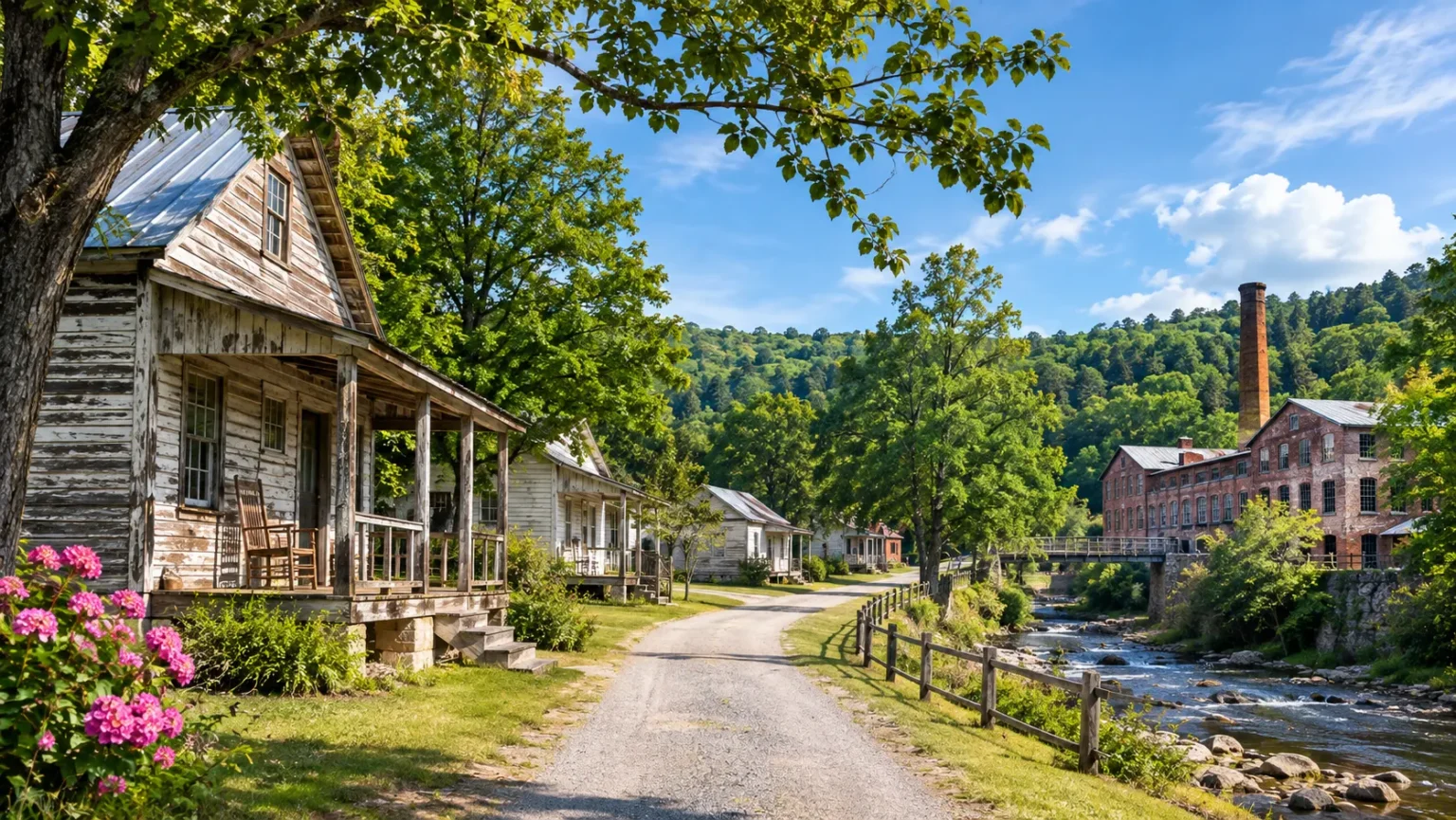
Henry River Mill Village is a fascinating historic destination in western North Carolina, known for its old wooden houses, peaceful countryside, and connection to American textile history. The village also gained international recognition as a filming location for The Hunger Games. Today, visitors can explore its remarkable heritage, admire historic architecture, and learn about life in an early industrial community.
Unlike modern tourist attractions, this historic mill village offers a glimpse into the everyday experiences of workers and their families during the twentieth century. Weathered buildings, traditional porches, and surrounding green landscapes create a distinctive atmosphere. Its combination of industrial history and cinematic connections makes it particularly appealing to history enthusiasts, photographers, and movie fans.
Planning your visit can help you discover the best views and understand the historical significance of the surrounding buildings. Guided tours, photography opportunities, and nearby cultural attractions provide several ways to enjoy the experience. Understanding admission requirements, seasonal conditions, and visitor safety guidelines is also important before traveling to this unique North Carolina destination.
Where Is Henry River Mill Village Located?
Henry River Mill Village is located near Hildebran in Burke County, North Carolina, within the western foothills of the state. Its official address is 4255 Henry River Road, Hickory, NC 28602. The surrounding countryside features wooded areas, gently rolling hills, and traditional rural landscapes that reflect the natural character of this part of North Carolina.
The village is conveniently located near Interstate 40, making it accessible to travelers visiting Hickory, Morganton, Charlotte, and Asheville. Visitors can reach the surrounding area through Exit 119 near Hildebran. Its location makes it a worthwhile addition to a longer North Carolina road trip or a dedicated sightseeing journey focused on regional history.
Travelers should save the correct address before leaving their accommodation to avoid confusion with other locations along the Henry River. Using an updated navigation application can help identify the designated visitor entrance and available routes. The village is privately owned, so visitors should follow official admission procedures rather than entering the property independently from nearby roads.
The Fascinating History of Henry River Mill Village
Henry River Mill Village was established in 1905 as a community built around the production of cotton yarn. The Henry River Manufacturing Company developed housing and other facilities to accommodate mill workers and their families. Like many textile communities in the American South, the village connected employment, housing, and social life within a relatively small geographical area.
Waterpower initially supported the mill’s industrial operations before technological developments introduced other sources of energy. The surrounding river played an important role in making the location suitable for textile manufacturing. As production expanded, generations of families built their lives around the mill, developing strong community relationships and traditions that extended beyond their daily employment.
Economic changes eventually contributed to the decline of textile manufacturing, and the original mill building was destroyed by fire in 1977. Many residential structures survived, preserving important examples of early industrial housing. The village received recognition on the National Register of Historic Places in May 2019, highlighting its architectural significance and contribution to regional history.
Explore the Hunger Games Filming Location
Henry River Mill Village became internationally famous after appearing as District 12 in the original 2012 film The Hunger Games. Its weathered houses, rural surroundings, and historic architecture provided a suitable setting for the fictional community. The village attracted renewed public attention as audiences became interested in discovering the real locations used during the movie’s production.
Several buildings are associated with recognizable scenes from the film, including the house used as Katniss Everdeen’s home and the former company store associated with the bakery. Fans can learn about these locations during authorized visits. However, the village’s authentic industrial history existed long before its transformation into a fictional movie setting.
Visitors interested in The Hunger Games should combine their appreciation of the film with an understanding of the community’s historical background. Guided tours can explain how the property became a filming destination while sharing stories about its original residents. Respecting preservation rules helps protect these recognizable buildings and allows future visitors to appreciate their cinematic and historical importance.
Best Views and Photography Spots in Henry River Mill Village
The historic worker houses are among the most interesting subjects for photography throughout Henry River Mill Village. Their weathered wooden siding, traditional roofs, and simple architectural features reflect the practical building styles of early textile communities. Photographing these structures from permitted visitor areas allows you to capture their character while respecting the property’s historical preservation requirements.
The gently sloping landscape provides opportunities to photograph groups of houses against a backdrop of trees and open green spaces. Wider compositions can help illustrate how the buildings relate to their surrounding environment. Visitors interested in architectural photography may also appreciate details such as traditional porches, window frames, and variations in the exterior materials.
The former company store provides another interesting photographic subject because its brick construction differs from the surrounding wooden cottages. Seasonal foliage, changing sunlight, and cloudy skies can create different visual effects throughout the property. Always photograph buildings from approved locations, and ask staff about any restrictions involving professional photography, tripods, or other specialized camera equipment.
Discover the Historic Mill Houses and Architecture
The worker houses at Henry River Mill Village provide valuable insight into the architectural traditions of early twentieth-century industrial communities. These homes were built primarily to provide practical accommodation for employees working at the textile mill. Their relatively simple designs reflect the economic conditions, construction methods, and housing requirements associated with company-owned residential developments during that period.
Many surviving structures retain traditional wooden siding, pitched roofs, and covered porches that help illustrate their original residential purpose. Although some buildings have deteriorated over time, others have benefited from preservation and restoration efforts. These different conditions demonstrate the challenges involved in maintaining historic properties while protecting their architectural character for future generations.
Visitors should remember that older buildings may contain unstable floors, damaged roofing, and other structural weaknesses that are not immediately visible. Never enter boarded-up houses, climb deteriorating porches, or explore restricted buildings without authorization. Appreciating the architecture from designated visitor areas provides a safer and more responsible way to experience this remarkable historic community.
Take a Guided Tour of Henry River Mill Village
A guided tour is one of the best ways to understand the history and cultural importance of Henry River Mill Village. Knowledgeable guides can explain how the textile company operated, how workers lived, and why the village became an important example of industrial heritage. These explanations help visitors appreciate details that might otherwise go unnoticed during independent sightseeing.
Tours may cover historic residential buildings, the community’s development, and its connection to The Hunger Games. Visitors can also learn about the preservation work necessary to maintain the surviving structures. Historical accounts about former residents provide a personal perspective that helps bring the village’s architectural features and industrial background into a more meaningful context.
The Henry River Preservation Fund advertises guided historical tours lasting approximately one hour across the historic property. Tour schedules can vary according to seasonal opening hours and special events. Checking current availability before traveling allows you to choose a suitable visiting time and avoid arriving when your preferred guided experience is unavailable.
Enjoy the Peaceful Countryside and Natural Scenery
Henry River Mill Village offers more than historic buildings because its surrounding countryside contributes significantly to the visitor experience. Green spaces, mature trees, and rolling terrain create a peaceful environment that contrasts with the area’s former industrial activity. These natural surroundings make the village particularly interesting for visitors who enjoy rural landscapes and relaxed photography.
The relationship between the village and the surrounding river helps explain why textile manufacturing developed in this particular location. Water resources were historically important to industrial operations throughout North Carolina. Learning about this relationship allows visitors to understand how geographical conditions influenced settlement patterns, economic development, and the construction of communities around manufacturing facilities.
Visitors should enjoy the surrounding landscape from designated paths and authorized sightseeing areas rather than exploring unfamiliar riverbanks or isolated sections of the property. Weather conditions may affect the stability of outdoor surfaces, especially after rainfall. Taking time to appreciate the scenery from accessible locations provides an enjoyable experience while protecting the environment and personal safety.
Best Time to Visit Henry River Mill Village
Spring is an attractive time to visit Henry River Mill Village because fresh greenery and comfortable temperatures create pleasant sightseeing conditions. The surrounding trees and vegetation begin developing new leaves, providing colorful backgrounds for architectural photography. Spring weather can still be unpredictable, so visitors should check forecasts before arranging outdoor activities or longer sightseeing trips.
Summer provides longer daylight hours and lush countryside scenery, making it suitable for family vacations and regional road trips. However, temperatures and humidity can increase significantly throughout North Carolina during this season. Bringing drinking water, wearing comfortable clothing, and taking regular breaks can help visitors enjoy the historical surroundings without becoming unnecessarily uncomfortable.
Autumn is particularly appealing to photographers because seasonal foliage adds warm colors to the village’s weathered buildings and surrounding landscapes. Winter offers a quieter atmosphere and more visible architectural details when trees lose their leaves. However, reduced operating hours and colder weather may affect accessibility, making advance planning especially important during the winter months.
Henry River Mill Village Opening Hours and Admission Fees
Henry River Mill Village operates as a managed historic attraction with admission requirements and designated visiting hours. Its published regular schedule lists Friday through Monday from 10 AM to 5 PM, while winter hours are generally limited to Saturdays and Sundays. Visitors should confirm the applicable seasonal schedule because operating arrangements can change throughout the year.
As of November 2026, the official website lists adult general admission at $18 plus tax. Visitors aged 17 and under are admitted free with a purchased adult ticket under the published admission policy. Tickets can generally be purchased online or at the property, although special events and additional experiences may have separate pricing arrangements.
Checking current admission information before traveling is important because fees, tour schedules, and visitor policies may change. Families and larger groups should also confirm any special requirements that could affect their visit. Setting aside approximately one to two hours provides a reasonable starting point for enjoying a guided tour, taking photographs, and appreciating the property’s historical surroundings.
Can You Stay Overnight at Henry River Mill Village?
Selected historic mill houses have undergone restoration to provide overnight accommodation for visitors interested in experiencing the village’s heritage more closely. These properties offer a different experience from conventional hotels because their architectural character reflects the history of the former textile community. Staying in a restored building can provide additional appreciation of the property’s preservation efforts.
Overnight accommodations may combine traditional architectural features with modern facilities intended to improve guest comfort. However, available amenities, accessibility arrangements, and accommodation capacities can differ between individual properties. Travelers should review booking information carefully to understand what facilities are included and whether the accommodation meets their specific requirements before making reservations.
Families and visitors planning longer vacations should also compare accommodation options in nearby Hickory and other surrounding communities. Staying nearby can provide convenient access to restaurants, shops, museums, and additional sightseeing destinations. Whether you choose an authorized historic accommodation or a modern hotel, arranging your stay in advance can help create a more comfortable travel experience.
Other Attractions Near Henry River Mill Village
Downtown Hickory is a worthwhile destination for visitors interested in exploring additional cultural attractions after visiting the historic village. Union Square features independent shops, restaurants, public spaces, and attractive architecture. Spending time downtown provides an enjoyable contrast to the rural surroundings of Henry River while offering opportunities to discover local food and community life.
The Hickory Museum of Art is another interesting attraction featuring artwork and exhibitions that highlight regional and national artistic traditions. Nearby, the Catawba Science Center provides educational exhibits, aquarium displays, and planetarium experiences. These attractions are particularly suitable for families looking to combine historical sightseeing with indoor educational activities during their North Carolina vacation.
Downtown Morganton also offers traditional architecture, independent businesses, cultural attractions, and interesting public artwork. The surrounding Burke County region provides numerous opportunities to learn about local history and appreciate natural scenery from established visitor areas. Combining these nearby destinations with Henry River Mill Village can help you create a varied and enjoyable weekend itinerary.
Essential Visiting Tips for Henry River Mill Village
Wear comfortable shoes and suitable clothing when visiting Henry River Mill Village because the property includes uneven ground and outdoor sightseeing areas. Bringing drinking water and preparing for changing weather conditions can make your experience more comfortable. Visitors with mobility requirements should contact the property beforehand to confirm which areas and tour options are accessible.
Bring a camera or smartphone to capture the village’s historic architecture and beautiful countryside, but respect all photography restrictions communicated by staff. Avoid touching fragile building materials, removing historical objects, or crossing protective barriers. These simple precautions help preserve the property’s authentic character and prevent unnecessary damage to structures that have survived for generations.
Remember that the village is privately owned and is not an unrestricted abandoned property. Visit during authorized operating hours, purchase the required admission tickets, and follow all posted instructions throughout your experience. Friendly pets on leashes are permitted under the published general admission policy, but visitors should confirm any additional restrictions before bringing animals to the property.
Conclusion
Henry River Mill Village offers a fascinating combination of American industrial history, traditional architecture, beautiful countryside, and cinematic heritage. Its surviving worker houses provide valuable insight into the experiences of families connected to North Carolina’s textile industry. The village’s appearance in The Hunger Games has introduced this historically significant destination to audiences from around the world.
Visitors can enjoy guided tours, photograph historic buildings, learn about preservation efforts, and explore nearby cultural attractions. Spring and autumn provide particularly attractive scenery, although every season offers a different perspective of the surrounding landscape. Planning admission, transportation, and accommodation in advance can help make your visit more comfortable and enjoyable.
Whether you are interested in history, photography, or famous movie filming locations, Henry River Mill Village provides a memorable opportunity to discover an important part of North Carolina’s heritage. Remember to respect private property, follow visitor safety guidelines, and protect fragile historic structures. Responsible sightseeing helps preserve this remarkable destination for future generations to appreciate.
FAQs
Where is Henry River Mill Village located?
Henry River Mill Village is located at 4255 Henry River Road, Hickory, North Carolina, near Hildebran in Burke County. Visitors can reach the area through Interstate 40 at Exit 119.
Was The Hunger Games filmed at Henry River Mill Village?
Yes, Henry River Mill Village served as District 12 in the original 2012 film The Hunger Games. Several historic buildings became recognizable locations featured within the fictional community.
How much does it cost to visit Henry River Mill Village?
Published adult general admission is $18 plus tax, while visitors aged 17 and under receive free admission with an adult ticket purchase. Check current prices before visiting.
Can you walk around Henry River Mill Village?
Yes, paying visitors can explore designated areas during official operating hours. However, restricted buildings and unsafe structures must be avoided unless access is specifically authorized by staff.
How long does it take to explore Henry River Mill Village?
One to two hours is generally sufficient for enjoying a historical tour, photographing the surrounding buildings, and exploring permitted areas. Special events and additional experiences may require more time.