

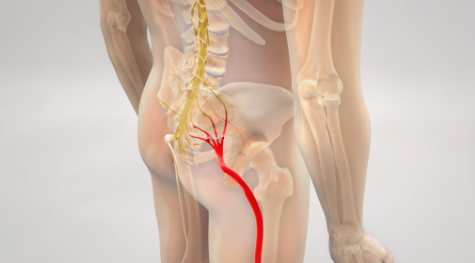
Anyone who has ever experienced true sciatic nerve pain knows it is completely different from a standard, dull lower back ache. A normal backache might make it hard to tie your shoes or bend over to pick up a dropped pen. Sciatica is entirely different. It announces itself violently. It is a sharp, burning, and highly electrical sensation that begins in your lower spine and shoots like a lightning bolt through your buttocks and down the entire back of your leg.
For some people, the pain is accompanied by a severe tingling sensation or numbness in their toes. For others, the pain is so intense that they cannot find a comfortable position to sit, stand, or even sleep. When your daily life is completely derailed by this level of intense nerve pain, patience goes out the window. You do not want to wait around for weeks to see if it gets better. You want immediate answers.
If you are currently trying to navigate your daily routine in Las Vegas while dealing with this fiery pain, you are likely desperate for a timeline. Every patient walking into a specialized pain clinic asks their doctor two very specific, urgent questions. They want to know exactly how long does sciatica last and they want a definitive answer on whether their specific case of will sciatica go away without requiring invasive surgery.
To find genuine relief, you must understand the mechanical failure happening inside your back. Here is a comprehensive, medical breakdown of what is actually pinching your nerve, the realistic timeline for your recovery, and the signs that tell you it is time to seek professional intervention.
The Anatomy of the Pain: What is Sciatica?
Before you can predict a healing timeline, you have to understand the anatomy of the problem. Sciatica is not actually a medical diagnosis in itself. It is a symptom of an underlying structural issue.
The sciatic nerve is the absolute longest and thickest nerve in the human body. It is roughly the width of your thumb. It originates from a bundle of nerve roots in your lower lumbar spine and your sacrum. From there, it travels deep through the muscles of your buttocks, down the back of your thighs, branches out at your knees, and travels all the way down into your feet and toes.
Because this nerve is so incredibly long and covers so much territory, it is highly vulnerable to being compressed or irritated. When something physically pinches the sciatic nerve root at the spine, your brain registers that pain anywhere along the nerve pathway. This is exactly why a structural problem in your lower back causes your calf muscle to burn or your foot to go completely numb.
The Most Common Culprits
What actually causes this compression? In the vast majority of cases, the culprit is a herniated or bulging spinal disc. Your intervertebral discs are rubbery cushions that sit between your spinal bones. If the tough outer layer of a disc tears, the soft, jelly like interior can push outward. This bulging material often presses directly into the spinal canal where the sensitive sciatic nerve root exits.
Other common causes include spinal stenosis, which is the narrowing of the spinal canal due to aging and arthritis. Bone spurs can also grow and physically dig into the nerve. In some cases, a severely tight piriformis muscle in the buttocks can spasm and clamp down on the nerve as it passes through the pelvis.
The Timeline: Acute Versus Chronic Sciatica
The duration of your suffering depends heavily on what is causing the compression and how your body naturally responds to inflammation. Medical professionals typically divide sciatic pain into two distinct categories: acute and chronic.
Acute Sciatica
Acute sciatica is characterized by a sudden, severe onset of pain. This is the type of pain that occurs right after you try to lift a heavy box with terrible posture or twist awkwardly while swinging a golf club. The pain is intense, but the timeline is generally favorable.
For the vast majority of patients dealing with an acute flare up, the worst of the pain typically peaks within the first few days. From there, the severe electrical shocks begin to subside, transitioning into a dull, manageable ache. A standard bout of acute sciatica will usually last anywhere from four to six weeks. With a combination of rest, proper hydration, over the counter anti-inflammatory medication, and gentle movement, the body can often heal itself within this window.
Chronic Sciatica
If your pain persists past the eight week mark, your condition has officially transitioned into chronic sciatica. This is where the situation becomes significantly more complicated.
Chronic sciatica rarely resolves on its own without professional medical intervention. When a nerve remains compressed and highly inflamed for more than two months, the surrounding tissues undergo physical changes. The muscles lock into a state of permanent spasm. The constant inflammation can even cause the nerve itself to become hypersensitive, meaning it continues to send massive pain signals to your brain even after the original structural issue has slightly improved.
Chronic sciatic pain can last for several months or even years if it is ignored. This ongoing pain completely destroys your quality of life, leading to poor sleep, weight gain due to inactivity, and severe mental fatigue.
The Healing Process: Will It Go Away on Its Own?
When patients are diagnosed with a herniated disc pressing on their sciatic nerve, their first fear is usually that they will need massive open back surgery. Fortunately, the human body is incredibly resilient.
In many cases, sciatica will go away on its own thanks to a fascinating biological process called resorption. When a spinal disc herniates, the body recognizes the extruded jelly material as a foreign invader. Your immune system deploys specialized cells to the area. Over the course of several weeks, these cells actually attack and break down the bulging disc material, slowly absorbing it back into the body. As the bulge shrinks in size, it physically stops pressing against the sciatic nerve root. The inflammation subsides, the nerve pathways clear up, and your leg pain completely disappears.
However, this natural healing process is not guaranteed. If you have severe spinal degeneration, massive bone spurs, or a disc herniation that is simply too large for your immune system to break down, the compression will remain. Waiting and hoping for the pain to vanish is not a viable strategy if you have been suffering for over two months.
Reading the Signs: How to Tell if Your Nerve is Healing
If you are trying conservative therapies at home, you need to know how to read your body’s signals. The healing process for a compressed nerve is highly specific.
Pain specialists look for a phenomenon known as “centralization.” Because the sciatic nerve is so long, the pain usually travels far down the leg when the compression is severe. As the nerve begins to heal and the pressure decreases, the pain will actually retreat back up the leg toward the spine.
For example, if you originally felt a burning sensation all the way down in your calf and foot, but a week later you only feel the pain in your upper thigh, that is massive progress. Your pain is centralizing. The nerve is healing from the bottom up. Even if the pain in your lower back temporarily feels slightly more intense as the leg pain vanishes, this is still a highly positive medical indicator that the disc bulge is shrinking and your treatment plan is working perfectly.
Conversely, if the pain was initially only in your buttocks but has now spread down past your knee and into your toes, your condition is actively worsening. The nerve is experiencing increased pressure, and the inflammation is spreading.
When to Stop Waiting and Call a Specialist
There is a massive difference between a dull ache and a neurological emergency. You should never try to tough out severe nerve compression. Certain symptoms indicate that the nerve is sustaining physical damage.
You must immediately contact a pain management specialist or visit an urgent care center if you experience any of the following red flag symptoms:
- Saddle Anesthesia: This is a sudden loss of sensation or a severe numbness in your inner thighs, groin, and buttocks area.
- Loss of Bowel or Bladder Control: This is the most severe red flag. If you cannot control your bathroom functions, you may have Cauda Equina Syndrome, which is a rare but highly dangerous compression of the spinal nerve bundle that requires emergency surgical intervention to prevent permanent paralysis.
- Severe Muscle Weakness: If your leg suddenly gives out while you are walking down the stairs, or if you experience “foot drop” where you physically cannot lift the front of your foot while walking, the motor nerves are failing.
- No Improvement After Six Weeks: If you have tried icing your back, resting, and performing gentle stretches for a month and a half with absolutely zero reduction in your pain levels, your body needs clinical help.
Advanced Pain Management Options in Nevada
When conservative home care fails, it is time to bring in the experts. A dedicated pain management clinic provides a massive bridge between basic physical therapy and invasive back surgery. The goal of a modern pain doctor is to utilize minimally invasive procedures to shut down the inflammation and give your body the exact environment it needs to heal the nerve.
When you visit a reputable clinic like the Innovative Pain Care Center, the doctors will not just hand you a prescription for heavy painkillers and send you home. They will perform a comprehensive diagnostic evaluation, often utilizing advanced MRI imaging to pinpoint the exact millimeter where your nerve is being crushed.
Once the exact location is identified, they offer several highly effective, non surgical treatments.
Epidural Steroid Injections
This is widely considered the gold standard for treating stubborn sciatic pain. Using real time fluoroscopic X ray guidance, a specialized pain doctor carefully guides a tiny needle directly into the epidural space surrounding your inflamed sciatic nerve root. They inject a powerful, concentrated dose of corticosteroid medication right at the source of the compression.
Unlike oral medications that have to travel through your entire digestive system, an epidural injection delivers the anti-inflammatory medicine directly onto the swollen nerve. For many patients, this provides dramatic, rapid relief from the shooting leg pain. By shutting down the intense inflammation, the injection allows patients to finally participate in physical therapy and rebuild their core strength without crying in agony.
Selective Nerve Root Blocks
Similar to an epidural, a selective nerve root block targets a highly specific nerve. If your MRI shows that multiple discs are slightly bulging, it can be difficult to know exactly which one is causing the leg pain. A nerve block serves as both a treatment and a diagnostic tool. The doctor injects a numbing anesthetic over a single, specific nerve root. If your leg pain instantly disappears while you are still on the procedure table, the doctor knows they have found the exact culprit and can target future therapies with absolute precision.
Radiofrequency Ablation
If your sciatica is accompanied by severe facet joint arthritis in your lower back, the doctors might recommend radiofrequency ablation. This advanced procedure uses highly targeted thermal energy to temporarily disable the tiny sensory nerves carrying pain signals from your arthritic joints to your brain. It is a fantastic option for patients suffering from chronic, long term back pain who want to avoid massive joint fusion surgeries.
Trusting the Experts to Restore Your Mobility
Living in Las Vegas requires mobility. Whether you are navigating the massive casino properties on the Strip or simply trying to survive a long commute on the busy freeways, you need your body to function properly. You do not have the time to spend months lying on a couch with an ice pack, hoping your sciatic nerve magically decides to heal.
By partnering with a dedicated team of pain management specialists, you take active control of your recovery. You gain access to advanced diagnostics, precise interventional therapies, and a medical team that actually understands the complex mechanics of nerve pain.
Frequently Asked Questions
Is it better to rest or stay active when dealing with sciatica?
During the first two days of a severe, acute flare up, resting is usually necessary to let the massive inflammation calm down. However, prolonged bed rest is actually one of the worst things you can do for sciatic pain. Lying in bed for weeks causes your core muscles to weaken and your spinal joints to stiffen, which ultimately puts more pressure on the nerve. Gentle, low impact movement like walking is highly recommended to promote blood flow and healing.
Should I use heat or ice on my lower back for nerve pain?
For the first forty eight to seventy two hours of a new sciatic flare up, always use ice. Ice constricts the blood vessels and aggressively reduces the acute swelling around the pinched nerve. Once the initial, sharp swelling has subsided, you can switch to a heating pad. Heat increases blood flow to the area, which helps relax the tight, spasming muscles in your lower back and buttocks.
What is the absolute best sleeping position for sciatic relief?
Sleeping on your back with a thick, supportive pillow placed directly under your knees is generally the best position. This slight elevation flattens out the natural curve of your lower lumbar spine, taking the physical tension off the compressed nerve root. If you must sleep on your side, place a firm pillow between your knees to prevent your top leg from twisting your pelvis out of alignment.
Why is my sciatica pain so much worse in the morning?
While you sleep, your spinal discs actually absorb water and expand slightly in size. This is a healthy, natural process. However, if you already have a bulging disc, that slight morning expansion means the disc is taking up even more space in the spinal canal and pushing harder against the sciatic nerve. This is why the first few steps out of bed are often the most painful part of the entire day.
Can a chiropractor cure my sciatic pain?
While the word cure is rarely used in mechanical medicine, chiropractic care can be highly effective for certain types of sciatica. If your nerve is being pinched strictly by a misaligned spinal joint or a tight piriformis muscle, a chiropractor can adjust the joint and relieve the pressure. However, if you have a massive, extruded disc herniation, you will likely need the advanced interventional injections provided by a medical pain management clinic to achieve full relief.