

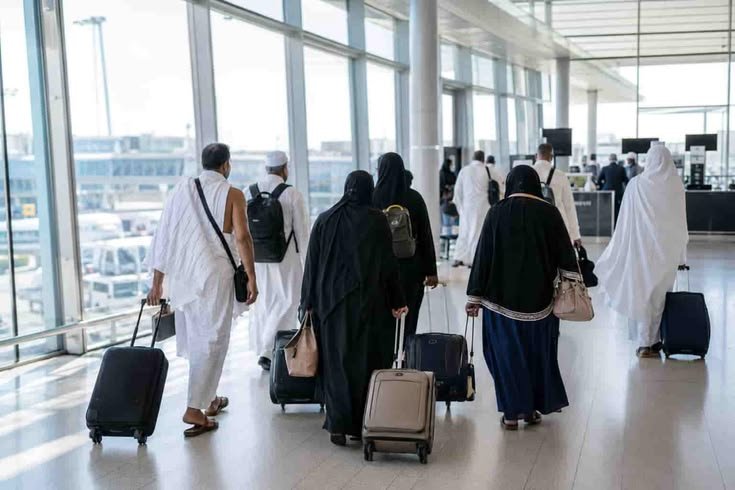
For most pilgrims, the flights and hotels are booked months in advance — but the transport in between is often left to chance. Then comes the moment you land in Jeddah, tired from the flight, and realise you have no clear idea what the ride to Makkah should cost, or what you will pay for the journey to Madinah later in the week.
The truth is that Umrah taxi fares are not complicated once you understand how they work. Almost every surprise pilgrims face comes from not knowing the system, not from the system itself. This guide explains how fares are calculated, what changes them, and how to plan your whole transport budget before you even leave home.
How Umrah Taxi Fares Actually Work
The first thing to understand is that private Umrah taxis are almost always priced per vehicle, per trip — not per person. Whether two people or four people ride in the same sedan, the fare for the route stays the same. This single fact changes the maths completely for families and groups: a private car that looks expensive for one traveller often works out cheaper per person than buying individual seats on shared transport.
The second thing is that fares are route-based. The journey from Jeddah Airport to Makkah has its own price, Makkah to Madinah has another, and a half-day of Ziyarat sightseeing in Makkah has another. When you book with an established provider like Online Umrah Hajj Taxi, the fare for each route is quoted and agreed in advance — you know the full cost before the driver even arrives, and that is exactly how it should be.
The Five Things That Change Your Fare
- The route and distance. This is the biggest factor. A short hop from Madinah Airport to a city hotel costs a fraction of the roughly 450-kilometre intercity journey between Makkah and Madinah. Airport pickups, intercity transfers, and Ziyarat tours are all priced differently because the time and distance involved are completely different.
- The vehicle you choose. A standard sedan is the most economical option for couples and small families. Larger vehicles — a GMC or similar SUV, a Hyundai Staria, a Toyota HiAce van, or a coaster for big groups — cost more per trip but carry more people and more luggage. Per person, the bigger vehicle is often the better deal.
- The season. Umrah has peaks, and transport prices follow demand. Ramadan, the winter school holidays, and the weeks around Hajj are the busiest and most expensive times to travel. If your dates fall in a peak period, booking early matters even more, because both availability and pricing move against late bookers.
- Where you are picked up and dropped off. Airport pickups involve parking, waiting time, and meeting you at arrivals. Hotels deep inside the crowded central areas around the Haram can take longer to reach. None of this should produce a surprise charge — but it explains why the same route can be quoted slightly differently by different pickup points.
- What is included. Fuel, tolls, and parking are normally built into a pre-booked fare, and waiting time for a delayed flight is usually allowed for. What matters is confirming it. A fare that looks cheaper can become the expensive option if extras start appearing on the day.
Planning Your Whole Transport Budget, Not Just One Ride
The smartest way to budget is to list every journey of your Umrah before you travel, because the transfers add up:
- Arrival: Jeddah Airport (or Madinah Airport) to your first hotel
- Ziyarat days: a half-day or full-day tour of the blessed sites in Makkah, and another in Madinah
- The intercity journey: the long Makkah to Madinah transfer, or the reverse, depending on your itinerary
- Departure: your final hotel back to the airport
Write the list down next to your flight and hotel details, and price it as one plan rather than four separate problems. You will quickly see that transport is a smaller share of the total Umrah cost than most people fear — it is usually the unplanned, last-minute version of it that becomes expensive.
Pilgrims who price each of these separately, at the last minute, almost always pay more in total than those who plan the whole list in advance. Many providers will also look after your full itinerary, which keeps the fares consistent and means one trusted driver service throughout the trip instead of a new negotiation at every step.
Choosing the Right Vehicle for Your Group
A simple way to think about it:
- 1–3 travellers, light luggage: a sedan is comfortable and the best value
- 4–6 travellers, or a family with elders: an SUV or Staria gives everyone room to breathe on long drives
- 7–12 travellers: a HiAce van keeps the whole group together in one vehicle
- Large groups and tour parties: a coaster or coach, booked well ahead in peak season
On the long Makkah to Madinah drive especially, comfort is not a luxury. Five hours in a vehicle that is slightly too small feels very different from five hours with proper legroom — and the price difference, split across the group, is usually smaller than people expect.
Simple Ways to Keep Costs Down
Book your transfers before you fly, while you can compare calmly rather than negotiate at an airport curb after a long flight. Travel in one vehicle as a group instead of splitting into two smaller cars. If your dates are flexible, even by a few days, travelling just outside the busiest weeks can soften prices across your whole trip, not just the taxis. And always agree the total fare in advance, in writing — a WhatsApp confirmation is enough — so the price you planned is the price you pay.
One more habit worth adopting: keep a small transport buffer in your overall Umrah budget. Plans change, an extra Ziyarat trip gets added, a relative joins for a day. A modest buffer means those moments stay joyful instead of becoming calculations.
Red Flags: When a Fare Sounds Too Good to Be True
A little caution protects your budget better than any discount. Be careful with drivers who quote a very low fare at the airport and then “discover” extra charges on the way — for luggage, for waiting, for the hotel being “too far”. Be equally careful with anyone who will not confirm a total price before you get in, or who pressures you to decide on the spot.
A fair fare has three signs: it is quoted for the whole vehicle and the whole journey, it is agreed before the trip starts, and the provider is easy to reach again afterwards. Established services with a website, published route prices, and WhatsApp booking leave a record of what was agreed — and that record is what keeps a good price a genuinely good price.
Final Thoughts
Planning your Umrah transport budget is really about removing uncertainty. Know your routes, choose the vehicle that fits your group, agree every fare before you travel, and the journeys between the holy cities become what they should be — peaceful parts of the pilgrimage itself, not moments of stress at a taxi rank.
Before you finalise your plans, it is worth checking the current Umrah taxi prices for each route on your itinerary and building your budget from real fares rather than guesses. Do that, and you can board your flight knowing that from the moment you land to the moment you leave, every ride of your Umrah is already taken care of.