

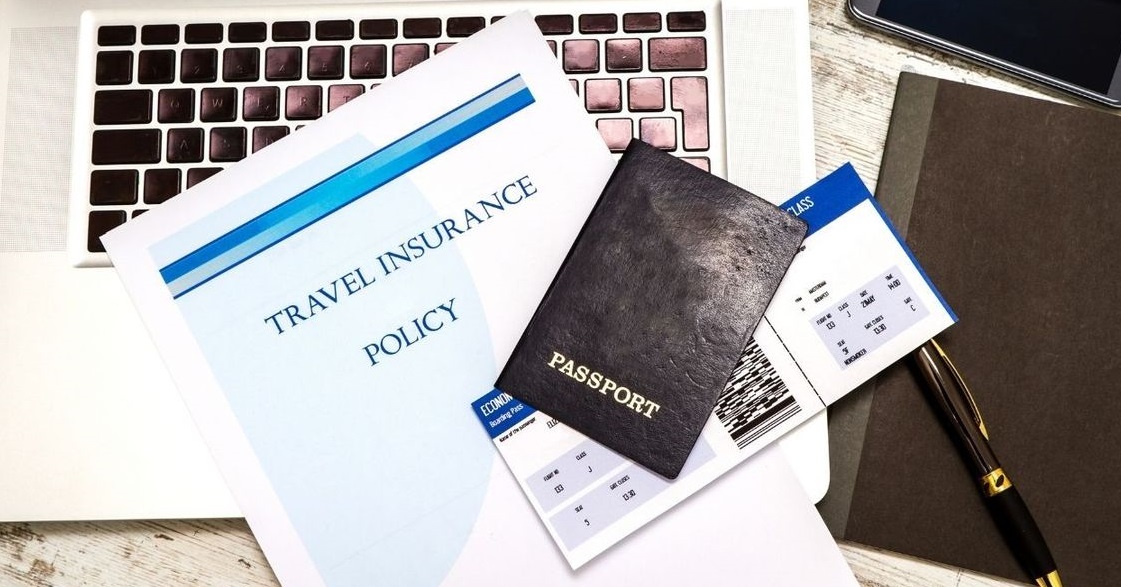
Passport: Your Gateway to Global Travel
A passport is an essential travel document that serves as an individual’s identification and nationality when traveling internationally. It is often referred to as your gateway to global travel, as it grants the holder the ability to enter and exit foreign countries. Without a valid passport, international travel can be severely limited or outright impossible.
There are several types of passports available depending on the traveler’s needs. The most common type is the standard passport, which is issued to citizens for personal travel. Additionally, there are diplomatic passports for government officials traveling on official business and service passports for those traveling under governmental assignments. Each of these types may have different application procedures and requirements.
When applying for a passport, one must consider general requirements such as proof of citizenship, including a birth certificate or naturalization documents, and a valid form of identification, like a driver’s license. Applicants must also provide a passport photo adhering to specific regulations regarding size and composition. Once the application is submitted, processing times can vary, and it is advisable to apply well in advance of planned travel.
It is crucial to be aware of passport validity requirements when traveling to different countries. Many nations require that a passport be valid for at least six months beyond the date of arrival. This requirement can vary by destination, so it is important to verify specific regulations before departure. Additionally, should a passport need renewal, travelers can apply for it through mail or in person, depending on the circumstances, and this process typically mirrors the initial application process.
Visa Requirements: Understanding Entry Regulations
When planning international travel, understanding visa requirements is crucial for a smooth journey. A visa is an official document required by many countries that grants permission to enter, stay, or transit through that country for a specific purpose. There are various types of visas, including tourist, business, and student visas, each designed to cater to different travel intentions.
Tourist visas are typically required for travelers who aim to explore a country for leisure. These visas often have a limited duration and may restrict certain activities such as employment. On the other hand, business visas allow individuals to attend meetings, conferences, or negotiate contracts. For those pursuing education abroad, student visas are necessary, enabling the holder to reside in the country for the duration of their studies.
The application process for obtaining a visa can vary significantly among countries. Generally, applicants are required to fill out a form, provide proof of travel plans, submit photographs, and pay a fee. Additionally, some countries may require supporting documents such as bank statements or an invitation letter. It is imperative to check the exact requirements for your destination, as this can severely impact your travel plans.
To check visa requirements, travelers can visit official government websites or contact the nearest embassy or consulate for accurate and up-to-date information. Many online resources, including travel blogs and forums, can also provide helpful insights regarding various countries’ entry regulations. When applying for a visa, commence the process as early as possible to accommodate for potential waiting times, and ensure all documentation is in order to facilitate approval.
Travel Insurance: Protecting Yourself Abroad
Travel insurance is an essential consideration prior to embarking on any international journey. This type of insurance provides a safety net, protecting travelers against unforeseen events that may occur while abroad. Commonly, travel insurance covers a variety of risks, including trip cancellations, medical emergencies, travel delays, lost luggage, and even personal liability. Having a robust policy can significantly ease the burdens associated with unexpected situations, thereby enhancing the overall travel experience.
When selecting the right travel insurance plan, it is crucial to assess the specific needs based on the destination, activity level, and personal preferences. There are various types of coverage available, so individuals should read policies closely to identify what is included. For instance, medical coverage is vital for those traveling to regions where healthcare costs can be exorbitant. Additionally, cancellation policies can vary; some plans may cover non-refundable expenses should a traveler need to cancel due to emergencies.
Travelers are advised to consider several factors when comparing insurance policies. First, understanding the scope of coverage is essential. This includes evaluating limits on medical expenses, exclusions, and deductibles. Policies also differ in terms of trip interruption and coverage for pre-existing conditions, so assessing individual circumstances is vital. Another aspect to consider is the insurance provider’s reputation and customer service record. Reliable companies provide accessible support during crises in foreign locations, which can be a significant advantage in stressful situations.
Overall, investing in travel insurance is a prudent decision that can provide peace of mind. By carefully evaluating available options, travelers can find the appropriate coverage to suit their particular travel needs, ensuring a safer and more enjoyable experience abroad.
Health Documents: Vaccinations and Medical Records
When preparing for international travel, obtaining the necessary health documents is crucial for ensuring a safe and compliant journey. Various countries may have specific health regulations, including vaccination requirements, to enter their borders. Notably, vaccination certificates can play a significant role, particularly for diseases such as yellow fever, which may be mandated for travelers to certain regions. In addition, the COVID-19 pandemic has prompted many countries to require proof of vaccination against the virus for entry, reflecting evolving health protocols.
Travelers should ensure they have up-to-date vaccination records. These certificates should detail all vaccinations received, including booster shots. It is advisable to keep both physical copies and digital versions to ensure accessibility during travel. Health authorities and airlines often provide guidance on what specific vaccinations are necessary, depending on your destination, so it is wise to consult these resources before departure.
In addition to vaccination certifications, carrying relevant medical records can be beneficial, especially if you have pre-existing health conditions or require specific medications. A comprehensive inventory of your prescriptions, alongside a doctor’s note that confirms your need for such medications, may also assist in situations where customs regulations are stringent. Moreover, it is prudent to pack a sufficient supply of these medications, considering potential delays while traveling.
In summary, health documents—including vaccination certifications and medical records—are indispensable for travelers venturing internationally. Complying with health requirements not only aids in smoother border crossings but also contributes to your overall health and safety while abroad. Properly preparing these documents can enhance your travel experience significantly.
Emergency Contact Information: Staying Safe Overseas
Traveling internationally presents numerous opportunities for adventure; however, it also carries inherent risks that necessitate careful preparation. One crucial aspect of this preparation is having emergency contact information readily accessible. This information can serve as a vital resource should any unexpected situations arise, thus significantly contributing to traveler safety.
When preparing for international travel, it is imperative to compile a list of local emergency numbers that may be needed in the destination country. These include police, fire services, and medical assistance contacts. Each country has its own set of emergency numbers, which differ from those in your home country. Therefore, researching this information beforehand ensures you are equipped to respond swiftly in any dire circumstances.
In addition to local emergency numbers, having the contact details of your country’s embassy or consulate is essential. In cases of lost passports, legal troubles, or severe emergencies, contacting the nearest embassy can provide invaluable assistance. It is advisable to note down the embassy’s address and phone number, as well as their operational hours, and to carry this information with you. In multifaceted travel itineraries, keep in mind that certain locations may be many hours away from the nearest embassy, necessitating careful planning and preparation.
Furthermore, it is beneficial to have a copy of important documents, such as your travel itinerary, identification, and insurance information, that can assist any necessary parties in aiding you during a crisis. Storing this information both digitally and in hard copy can facilitate easier access during emergencies. By ensuring that pertinent emergency contact information is in hand, travelers can enhance their safety and well-being while abroad. Effective preparation ultimately leads to a more enjoyable and secure travel experience.
6. Financial Documents: Currency and Payment Options
When traveling internationally, ensuring you have the necessary financial documents is paramount to a seamless experience. One of the first considerations is the currency of your destination country. Before departure, familiarize yourself with the currency exchange rates and consider carrying a small amount of local currency for immediate expenses upon arrival, such as transportation or meals.
In addition to cash, it is wise to have access to international credit and debit cards. These cards often provide better exchange rates than currency exchange services and eliminate the need to carry large amounts of cash. However, it is important to select cards that have low foreign transaction fees. Additionally, verify that your cards are accepted in the countries you plan to visit. Look for symbols indicating acceptance of major credit card providers like Visa or Mastercard.
Before you embark on your journey, inform your bank about your travel plans. This step is crucial as it helps prevent your financial institution from flagging international transactions as suspicious, which could lead to your cards being frozen. By providing your travel dates and destination, you will ensure uninterrupted access to your funds while abroad.
Another alternative for managing expenses can be the use of travel money cards, which allow you to preload multiple currencies. This way, you can lock in exchange rates and avoid the uncertainty of fluctuating rates during your trip. In summary, having the proper financial documents and understanding your payment options can significantly enhance your travel experience, affording you peace of mind and convenience as you explore new destinations.
Travel Itinerary and Accommodation Details
When planning international travel, one of the most critical documents to prepare is a comprehensive travel itinerary. This document serves as a roadmap for your trip, outlining essential details such as flight information, accommodation arrangements, and a list of planned activities. A well-organized travel itinerary not only helps you stay on track but also provides a sense of security throughout your journey.
First and foremost, your travel itinerary should include clear information about your flights, including departure and arrival times, flight numbers, and the airlines you plan to use. It is advisable to verify these details frequently, particularly as your travel dates approach, as flight schedules can change unexpectedly. Additionally, ensure that your accommodation details are included in your itinerary. This information should encompass the name of the hotel or rental property, address, contact numbers, and check-in and check-out times.
Besides just the logistics, planning activities in advance is also beneficial. It can help maximize your time, allowing you to explore various attractions while providing insight into cancellation policies in case plans change. Knowing the cancellation terms for both flights and accommodation can save you from unnecessary fees and hassles during your journey. Most reputable airlines and hotels offer flexible booking options, giving you peace of mind as you travel.
In summary, a well-crafted travel itinerary is indispensable for anyone traveling internationally. It ensures you are organized, aware of your travel commitments, and prepared for any unforeseen circumstances that might arise. By confirming your bookings and understanding the specifics of your itinerary, you set the stage for a smoother, more enjoyable travel experience.
Customs and Immigration Documents: What to Prepare
When traveling internationally, it is crucial for travelers to familiarize themselves with the required customs and immigration documents specific to their destination. These documents serve as essential tools for the legal entry into a foreign country, ensuring compliance with local laws and regulations.
Upon arrival, travelers typically need to present their passport, which must be valid for a specified period beyond the intended stay. In addition to a valid passport, some countries require travelers to fill out a customs declaration form. This form often requests information about items brought into the country, including currency, food, and any goods that may be subject to duty or restrictions. It is important to truthfully disclose such items to avoid penalties, which can range from fines to confiscation of goods.
Moreover, travelers should be aware that each country has its own customs rules, which may include limits on the amount of alcohol, tobacco, and other goods that can be imported without incurring fees. Understanding these regulations beforehand can help prevent complications during the border control process.
Another important document to prepare is a visa, if required by the destination country. Visas may be obtained through an application process prior to travel or, in some cases, can be issued upon arrival. It is advisable to check the specific visa regulations as they vary significantly between countries.
Lastly, it can be beneficial to keep copies of these documents stored separately from the originals, as losing important paperwork can lead to unnecessary stress and delays. By being well-prepared and fully informed about customs and immigration requirements, travelers can ensure a smoother journey upon their arrival in a foreign nation.
Preparing for the Unexpected: Backup Documents
Traveling internationally often involves intricate planning, and one of the most important yet often overlooked aspects is preparing backup documents. In an era of uncertainty, having copies of your essential travel documents is crucial for a seamless journey. These documents typically include your passport, visa, travel insurance, itinerary, and any other identification or paperwork relevant to your travel plans.
To safeguard against loss or theft of essential documents, travelers are encouraged to create both physical and digital copies. Physical copies can be made by photographing or photocopying all important documents. Keeping these copies organized in a waterproof pouch can further protect them from damage. When it comes to technology, utilizing cloud storage solutions or secure file-sharing apps provides an additional layer of convenience and security. Make sure to upload the scanned copies of your documents to a secure platform accessible from any internet-enabled device.
Additionally, inform a trusted friend or family member about where these documents are stored. If your originals are lost or stolen, having someone who can provide you access to your copies can expedite recovery processes. It is also advisable to keep a comprehensive list of emergency contacts as well as the contact information for your country’s embassy or consulate at your destination. These details can greatly assist in navigating any issues should they arise.
In essence, preparing for the unexpected involves proactive measures including having backup copies of travel documents. Being organized and having a plan in place can not only alleviate stress but also ensure you are well-equipped to handle any challenges encountered during your travels.