
Understanding Your Passport and Visa Requirements
When planning an international trip, one of the first things to consider is understanding your passport and visa requirements. A valid passport is essential as it serves as your primary form of identification when entering a foreign country. Before you make any travel arrangements, check your passport’s expiration date; many countries require that your passport must be valid for at least six months beyond your intended departure date. If your passport is close to expiring, it’s advisable to renew it promptly to avoid any travel complications.
In addition to a valid passport, you may also need a visa, which is an official document allowing you to enter or stay in a country for a specific period. Visa requirements vary from one country to another, and the type of visa you require depends on the purpose of your travel. For example, tourist visas, business visas, and transit visas are common categories. Checking the visa requirements of your destination country is crucial, as some countries allow visa-free entry for short stays, while others may require a visa prior to arrival.
To apply for a visa, visit the official website of the embassy or consulate of the country you plan to visit. There, you can find detailed information on the application process, necessary documents, such as a valid passport, photographs, travel itineraries, and sometimes proof of funds. It’s essential to start this process well in advance of your trip, as processing times can vary significantly. Ensuring that you have the proper documentation will enhance your international travel experience and help you avoid unexpected delays at the airport.
Packing Essentials for International Travel
Packing for international travel can be a daunting task, especially for first-time travelers. To ensure a smooth journey, it is essential to understand what to pack and how to efficiently manage your luggage. First, begin with a comprehensive packing list based on the length of your trip, destination climate, and planned activities. This preparation allows you to focus on essential items while avoiding overpacking.
When it comes to your carry-on luggage, there are certain restrictions that must be adhered to. Most airlines limit liquids to containers of no more than 100 milliliters (3.4 ounces), all of which must fit into a single clear, resealable plastic bag. It is advisable to include travel essentials such as medications, a spare set of clothing, and important documents in your carry-on for easy access. Additionally, electronic devices should be accessible for security checks at the airport.
Efficient packing is another critical aspect, particularly for international flights. Consider using packing cubes or compression bags to maximize space and keep your belongings organized. Roll your clothing instead of folding to save space and minimize wrinkles. If you are traveling to a destination with varying climates, layering clothing can be an effective strategy, enabling you to adapt to different weather conditions without overloading your suitcase.
It’s also important to remember to check the specific requirements of your destination regarding customs regulations, particularly for food items and medications. Researching these details ahead of time can save significant hassle upon arrival. By carefully selecting what to bring and organizing your belongings efficiently, your first international travel experience will be more enjoyable and less stressful.
Arriving at the Airport: Check-In and Security Protocols
For first-time international travelers, arriving at the airport can seem overwhelming. The initial step is checking in for your flight. Most airlines offer online check-in, allowing travelers to select seats and obtain boarding passes prior to arriving at the airport. However, for those who prefer to check in at the airport, kiosks and service counters are available. Have your identification and flight information ready, as this will streamline the process.</p>
Upon checking in, travelers must proceed to security checkpoints. It is advisable to remove shoes, belts, and jackets before reaching the security conveyor, as these items will require screening. Additionally, ensure that any liquids or gels are in containers of 100ml or less and securely stored in a ziplock bag, as these regulations apply to international flights. Travelers are encouraged to familiarize themselves with prohibited items by reviewing their airline’s guidelines prior to departure, as compliance is crucial for an efficient process.</p>
Once past security, travelers will move on to customs and immigration. Here, officials will require passports and any necessary visas. Common questions may include the purpose of your visit, your length of stay, and where you will be staying during your trip. It is important to answer honestly and directly, as this information is routinely cross-referenced with travel documentation. For those traveling with valuables or large amounts of currency, verification of customs regulations is advisable to ensure smooth passage though immigration. Proper preparation can lead to a stress-free travel experience.
Navigating the Airport: Terminals and Boarding Gates
For first-time international travelers, navigating an airport can initially seem daunting, particularly when confronted with the vastness of terminals and multiple boarding gates. Understanding the layout of the airport is essential for ensuring a smooth travel experience. Most airports provide clear maps that outline the terminal configuration, which can be found in various locations, including at entrances and information desks.
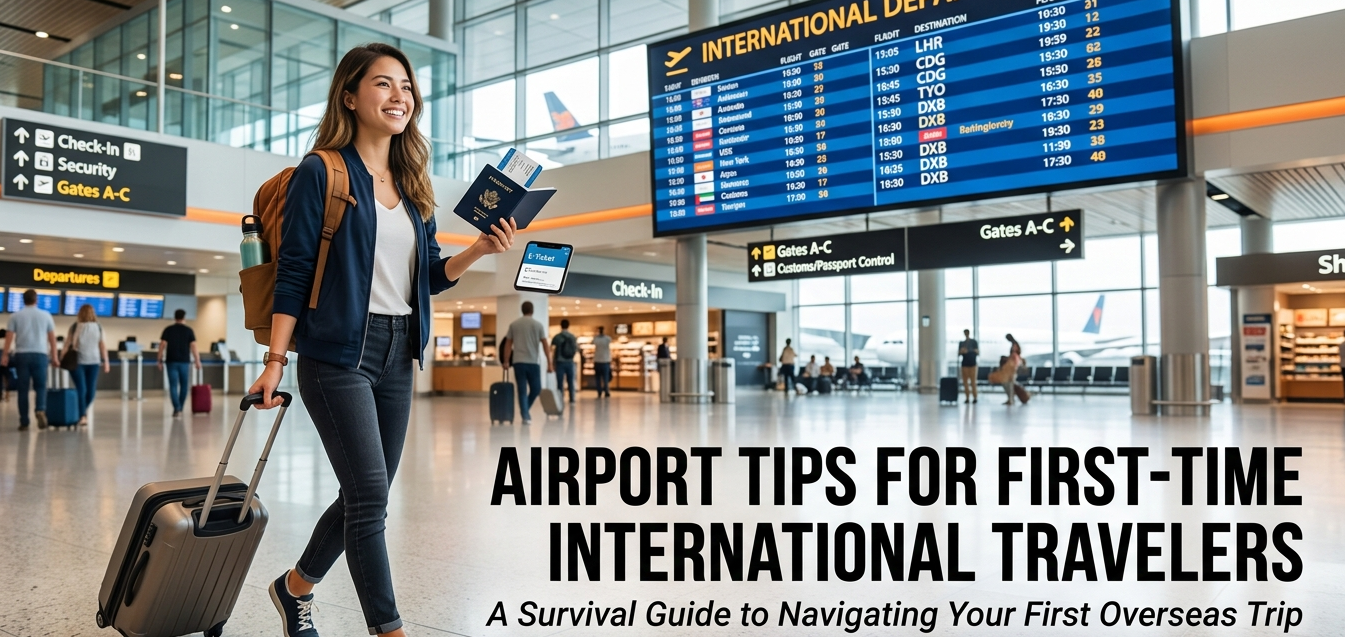
When you arrive at the airport, locate the departures board that displays flight information, including terminal numbers and gate assignments. This is typically situated near the check-in areas. Attention to detail is crucial, as gate assignments may change. Checking this information periodically helps to prevent any last-minute rush.
As you navigate the terminals, be mindful of signage. Airports generally utilize a straightforward system of directional signs, ensuring that travelers can identify key areas, such as boarding gates, lounges, customs, baggage claim, and emergency services. Additionally, many airports offer digital information screens that guide passengers in real-time to their desired destinations.
Travelers may also want to take advantage of the various amenities available within airports, such as lounges, restaurants, and retail shops. Lounges often provide a quieter space with complimentary refreshments and comfortable seating for travelers looking to unwind before their flight. Restaurants and shops offer a variety of options, suited for different preferences and budgets. Prioritize time management to explore these amenities without risking your boarding time.
In conclusion, familiarizing oneself with terminal layouts, utilizing directional signage effectively, and taking advantage of airport amenities will significantly enhance the experience of first-time international travelers, ensuring that they feel confident and prepared before boarding their flights.
Dealing with Jet Lag: Tips for Recovery
Jet lag is a common issue for travelers crossing multiple time zones, often leading to fatigue, disorientation, and general discomfort. Understanding how to manage these symptoms can enhance the travel experience significantly. To mitigate the impact of jet lag, one effective strategy is to adjust your sleep schedule in advance. Gradually shifting your bedtime closer to that of your destination can help your body acclimate to the new time zone before you even arrive.
Moreover, staying hydrated throughout your journey is crucial. Dehydration can exacerbate the feelings of fatigue and lethargy that accompany jet lag. Aim to drink plenty of water on your flight and limit your intake of alcohol and caffeinated beverages, as these can contribute to dehydration and disturbance in your sleep patterns.
Upon arrival, it is beneficial to take advantage of local sunlight. Natural light is key in regulating the body’s internal clock, known as the circadian rhythm. Spend time outdoors during daylight hours as this exposure helps signal your body to adjust to the new time zone. If you arrive during the day, resist the urge to nap, as this can interfere with your ability to sleep at night. Instead, remain active, and engage in light physical exercise if possible.
Finally, consider using sleep aids such as melatonin supplements when necessary. However, these should be used judiciously and ideally under the guidance of a healthcare professional. Following these strategies can significantly lessen the effects of jet lag, allowing first-time international travelers to focus on enjoying their adventure rather than managing exhaustion.
Transportation Options Upon Arrival
Upon arriving at an international airport, travelers are typically greeted by a range of transportation options, ensuring they can reach their final destination conveniently and efficiently. Understanding these options can significantly enhance a first-time traveler’s experience.
Public transportation is one of the most budget-friendly options available. Many international airports are well-connected to local bus and subway systems, offering a cost-effective means of travel into the city. Travelers should check the airport’s website for information on public transit schedules and routes before arriving. This proactive approach can save time and reduce the stress of navigating a new city’s transportation network.
Taxis are widely available at most airports and provide a direct and straightforward means of transport. While generally more expensive than public transport, taxis offer the convenience of door-to-door service. It is advisable to use official taxi stands located outside the terminal to avoid unlicensed services that may charge inflated rates. Additionally, travelers should confirm the fare or ask for an estimate prior to beginning their journey.
Ride-sharing services such as Uber and Lyft have gained popularity in many cities worldwide. These services can be accessed via mobile apps, allowing travelers to arrange a ride seamlessly. They can also provide transparency regarding fares and estimated arrival times, which adds to a traveler’s peace of mind. However, it is important to be aware of designated pick-up zones at the airport, ensuring an efficient connection with the ride.
For those seeking flexibility, car rental outlets are conveniently located in or near most airports. Renting a car can be an excellent option for travelers needing to explore off-the-beaten-path destinations or if they are traveling in larger groups. Before making a decision, however, travelers should consider the local traffic laws, parking costs, and fuel requirements.
Ultimately, the best transportation choice depends on one’s budget, comfort level, and travel needs. By considering the aforementioned options, first-time international travelers can ensure a smoother transition from airport to their destination, making for a more enjoyable travel experience.
Cultural Etiquette for First-Time Travelers
When traveling internationally for the first time, understanding the cultural norms and etiquette of your destination can enhance your experience significantly. Different countries possess varying customs and traditions that reflect their values and social structure. Being well-informed about these civilities will not only help in avoiding misunderstandings but will also demonstrate respect towards the local population.
One of the most essential aspects of cultural etiquette is the method of greeting. For instance, while a firm handshake may be customary in many Western nations, some cultures favor a bow or a cheek kiss. Therefore, it is advisable to research appropriate greetings that resonate with the specific cultural context of your destination. Such knowledge can be a valuable icebreaker and fosters goodwill.
Furthermore, dining etiquette is another area where cultural differences may influence social interactions. In some countries, it is polite to keep hands above the table, while in others, finishing every morsel of food signifies appreciation for the meal. Understanding local dining habits, such as when to begin eating or whether it’s customary to tip, can prevent faux pas and contribute positively to your overall experience.
Additionally, being aware of common behaviors, such as body language, eye contact, and personal space, is vital. For example, maintaining eye contact might reflect interest and honesty in some cultures, while in others, it may be considered rude or confrontational. Therefore, observing and understanding these subtleties can help first-time travelers navigate social situations gracefully.
In summary, adapting to cultural etiquette as a first-time international traveler can significantly enhance the travel experience. A respectful approach towards local customs—whether in greetings, dining, or behaviors—ensures a respectful and enriching journey.
Staying Connected: Mobile and Internet Options
For first-time international travelers, ensuring a reliable connection while overseas is crucial. Staying connected facilitates communication with family or friends and helps in navigating unfamiliar places. Various mobile phone options are available to ensure you remain reachable during your travels.
The first option is utilizing international roaming plans offered by your current mobile provider. Many carriers provide specific international packages that can be activated prior to your departure. These plans allow you to use your existing smartphone without needing to purchase a new SIM card. However, it is essential to check the costs associated with international roaming, as they can accumulate rapidly depending on your data and call usage.
Alternatively, travelers may consider purchasing a local SIM card upon arrival. This option often proves to be more economical and can provide better data speeds. Local SIM cards are usually available at airports or local shops, enabling travelers to have immediate internet access. Before purchasing, ensure that your phone is unlocked and compatible with the local networks. Additionally, it may be beneficial to compare different mobile carriers to find the best deals on data packages.
Wi-Fi availability has significantly improved in recent years, with many airports, hotels, and cafés offering complimentary or paid internet services. This option allows travelers to access navigation apps, social media, and messaging services without incurring additional mobile costs. Be cautious when using public Wi-Fi; utilizing a Virtual Private Network (VPN) can enhance security when accessing sensitive information.
In conclusion, weighing the different mobile and internet options can optimize your connectivity while traveling internationally. Whether opting for international roaming, purchasing a local SIM card, or utilizing free Wi-Fi services, staying connected is essential for a smooth travel experience.
Emergency Tips: What to Do If Things Go Wrong
Traveling internationally can be an exhilarating experience, but it is not without its challenges. Understanding how to handle potential emergencies is essential for first-time travelers. One of the most common issues encountered is lost luggage. If your baggage does not arrive with you, immediately inform the airline’s baggage service desk. They will assist you in filing a report, and it’s advisable to document your luggage’s contents and provide your contact information. Typically, airlines have procedures in place to locate and return your luggage, but it may take some time.
Another critical area of consideration is medical emergencies. As a traveler, it is crucial to have health insurance that covers international travel. Before departing, familiarize yourself with local healthcare facilities at your destination. If you have a medical issue, seek assistance promptly. Local hospitals or clinics can provide necessary treatment, and it is helpful to carry your insurance details. Should you require further support, do not hesitate to contact your embassy or consulate. They can offer guidance and resources to ensure you receive appropriate care.
In the unfortunate event that you lose your wallet or important documents, report the theft to the local authorities and your bank. Request a stop on your credit and debit cards to prevent unauthorized use. Additionally, obtaining a replacement passport or identity document may be necessary, which can be facilitated by your country’s embassy. They can issue emergency travel documents that will assist you in continuing your journey or returning home.
In summary, being prepared for emergencies while traveling internationally can significantly reduce stress. Whether dealing with lost luggage, medical needs, or document issues, knowing your options and the proper procedures in advance can provide peace of mind and enhance your travel experience.