
Understanding the Full-Time Travel Lifestyle
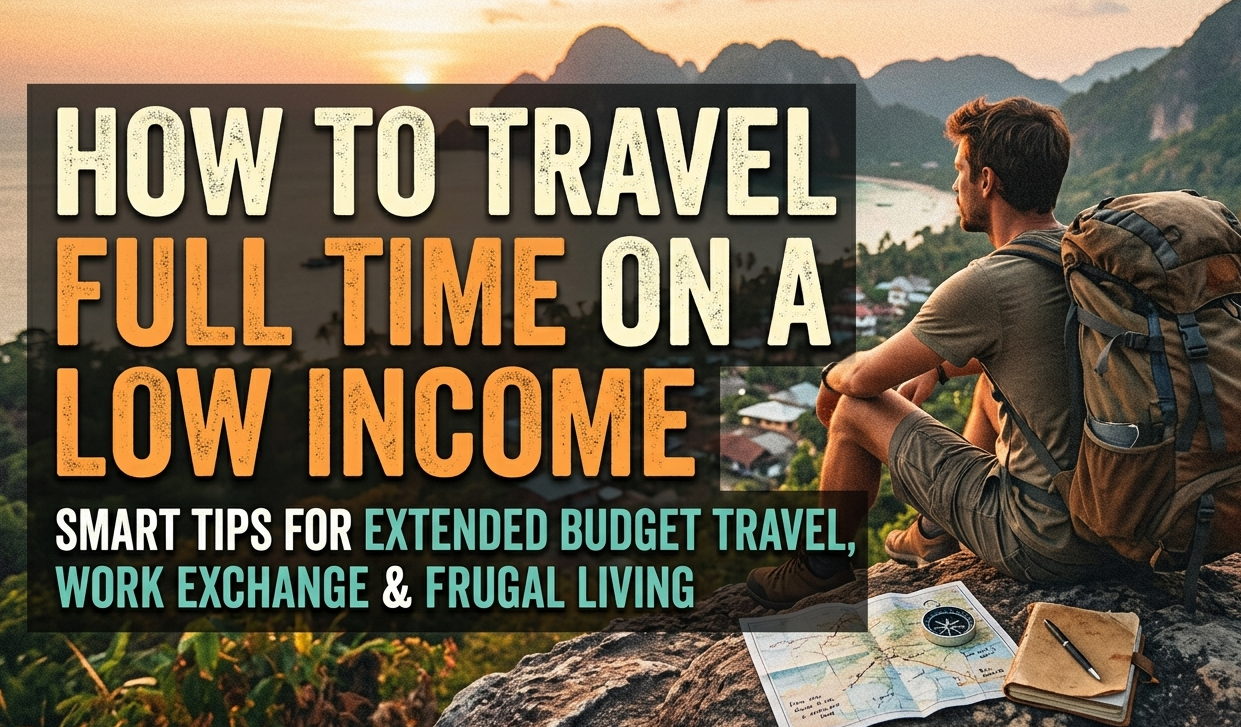
The full-time travel lifestyle is an increasingly popular choice for many individuals seeking adventure and personal growth. This way of life involves embracing travel as a permanent state rather than a temporary escape. Many who embark on this journey are motivated by a desire to explore diverse cultures, gain new perspectives, and experience the world beyond their comfort zones. The appeal of full-time travel lies in its promise of freedom, spontaneity, and the opportunity to create lasting memories.
One of the primary benefits of full-time travel is the potential for personal growth. Traveling continuously exposes individuals to different people, languages, and ways of life, fostering adaptability and resilience. Each experience offers valuable lessons that can shape one’s character and worldview. Additionally, full-time travel provides ample opportunities for cultural experiences that can enhance one’s understanding of global issues, arts, traditions, and customs.
Moreover, adventure is intrinsic to full-time travel. From hiking breathtaking landscapes to navigating bustling markets, every day presents a new challenge or discovery. This dynamic lifestyle can be exhilarating, as it encourages individuals to step outside their comfort zones and embrace uncertainty. However, it is essential to recognize that full-time travel also comes with its own set of challenges.
Misconceptions regarding the affordability of this lifestyle often arise. While it is possible to travel on a low income, it requires careful planning, budgeting, and creativity in terms of accommodations, transportation, and daily expenses. Understanding these challenges is paramount for those considering this path. Ultimately, being aware of both the appealing aspects and realistic challenges of full-time travel will assist individuals in making informed decisions as they navigate this unique and fulfilling lifestyle.
Setting a Realistic Budget
Traveling full-time on a low income requires meticulous planning, particularly when it comes to budgeting. To begin with, it is crucial to differentiate between fixed and variable expenses. Fixed expenses are those that remain constant each month, such as rent or insurance, whereas variable expenses can fluctuate, including dining out or entertainment. Understanding these categories will help you create a comprehensive budget that accommodates your lifestyle while traveling.
Identifying potential income sources is a critical step in establishing financial stability during your travels. Many travelers successfully maintain their budget through remote work, freelance opportunities, or seasonal jobs. Platforms like Upwork and Fiverr can connect you with clients, allowing you to work from anywhere in the world. Additionally, exploring opportunities such as teaching English abroad or participating in voluntary work in exchange for accommodation can be beneficial.
When estimating travel costs, it is essential to consider various factors, such as accommodation, transportation, food, and activities. Using a travel budget calculator can simplify this process, providing insights on how to allocate funds wisely. Researching the average costs associated with your destinations will also assist in crafting an accurate estimation. Moreover, taking advantage of budget-friendly options like hostels, public transportation, and local markets can significantly reduce expenses without compromising your overall experience.
Lastly, maintaining a flexible budget can be advantageous. By setting aside a contingency fund for emergencies or unexpected expenses, you can navigate financial uncertainties with greater ease. By effectively managing your budget and being mindful of your spending habits, you can embrace the full-time travel lifestyle even on a limited income.
Finding Affordable Accommodation Options
Traveling full time on a low income can be a rewarding experience, especially when it comes to the multitude of affordable accommodation options available. To begin with, many budget travelers frequently opt for hostels. These establishments are often cheaper than hotels and provide a vibrant atmosphere, allowing you to meet fellow travelers. Booking in advance through various online platforms can also help secure the best rates.
Another viable option for low-income travelers is house sitting. This involves taking care of someone’s home and possibly pets while they are away, in exchange for free lodging. Websites dedicated to connecting homeowners with house sitters make it easier to find opportunities that suit your travel schedule. Additionally, this arrangement often places you in local neighborhoods, giving you a unique perspective on the area.
Camping is another economical way to save on accommodation costs. Many countries offer beautiful campgrounds, and investing in basic camping gear can lead to significant savings over time. Furthermore, some national parks allow camping for a nominal fee, enhancing your experience with stunning natural surroundings.
Lastly, alternative platforms like Couchsurfing can offer incredible opportunities for low-income travelers. This service connects you with locals who are willing to offer their couch or spare room for free. Not only does this eliminate lodging expenses, but it also allows travelers to immerse themselves in the local culture and build meaningful connections.
To efficiently research and book affordable accommodation, utilize various comparison websites and mobile applications. These tools often aggregate listings, allowing you to filter by price, location, and amenities. Set price alerts to monitor fluctuations, ensuring you never miss a great deal. By employing these strategies, anyone can find budget-friendly lodging options that align with a low-income lifestyle while traveling full time.
Choosing Budget-Friendly Destinations
Traveling full time on a low income requires careful planning and selection of travel destinations. The first step in this process is to conduct thorough research on affordable countries. Numerous online platforms provide comprehensive information about cost-effective travel destinations, including travel blogs, forums, and cost comparison websites. Popular choices for budget travelers often include countries in Southeast Asia, Eastern Europe, and Central America, where the cost of living is significantly lower than in many Western nations.
When searching for budget-friendly locations, also consider off-the-beaten-path destinations. These places typically offer unique cultural experiences at a fraction of the price of popular tourist hotspots. For instance, instead of visiting major cities, consider exploring smaller towns or rural areas. Not only will this approach help in saving money, but it also allows for deeper cultural immersion and a more authentic travel experience.
Another important factor in selecting destinations is timing. Traveling during the low season can lead to substantial savings on accommodation, food, and activities. Low season varies by region but generally coincides with periods of adverse weather or lower tourist traffic. Planning your trips around these times enables you to take advantage of discounts and promotions offered by hotels and local attractions. Additionally, you will encounter fewer crowds, allowing for a more pleasant experience while exploring your chosen destination.
Furthermore, prioritize destinations that reflect local culture and provide opportunities for meaningful interactions with locals. Engaging with local customs, attending community events, or volunteering can enrich your travel experience and create lasting memories. Every destination has something unique to offer, making it essential to choose wisely based on personal interests, budget constraints, and cultural experiences.
Work Exchange Programs and Volunteering
For travelers on a low income, work exchange programs and volunteering present an excellent opportunity to explore new destinations while minimizing expenses. These initiatives allow individuals to engage with host communities in a meaningful way, providing services or assistance in exchange for accommodation and sometimes meals. Popular platforms like WWOOF (World Wide Opportunities on Organic Farms), Workaway, and HelpX connect travelers with hosts seeking help.
WWOOF is particularly focused on organic farming, offering travelers a chance to learn about sustainable agriculture while staying on farms worldwide. Volunteers typically work a set number of hours each day in exchange for lodging and food. This experiential learning not only enhances a traveler’s skills but also fosters relationships with locals passionate about environmental stewardship.
Similar to WWOOF, Workaway enables volunteers to connect with hosts in various fields, including education, healthcare, and cultural exchanges. This broad spectrum allows for diverse experiences, whether it’s teaching English at a language school or assisting in community development projects. Workaway hosts often provide meals and accommodation, making it a cost-effective way to experience local cultures.
HelpX operates on a similar model, enabling travelers to participate in a variety of projects while staying in host homes. The flexibility of HelpX offers opportunities from agriculture to hospitality, appealing to different interests and skills. Travelers can choose experiences that resonate with them, whether they prefer agritourism or cultural immersion.
Engaging in work exchange programs can significantly enhance the travel experience, allowing individuals to bond with locals and understand their way of life. These arrangements not only alleviate financial burdens but also create unforgettable memories and connections that enrich a traveler’s journey.
Tips for Saving Money While Traveling
Traveling full-time on a limited budget can seem daunting, but with careful planning and resourcefulness, it is entirely achievable. One of the most effective ways to save money while traveling is to utilize public transportation. Instead of relying on taxis or rental cars, consider buses, trains, or even bicycles. This not only minimizes transportation costs but also allows for a more immersive experience in local cultures.
Eating like a local is another significant way to save money on the road. Street food and local markets often offer delicious, authentic meals at a fraction of the cost of touristy restaurants. Moreover, investing in a portable cooking device can empower you to prepare meals using fresh, local ingredients, resulting in substantial savings over time.
Exploring free attractions and activities is also an essential part of maintaining budget-friendly travel. Many cities and towns provide free or low-cost events, such as festivals, concerts, and open-air markets. Parks and natural attractions typically have little to no entry fee, offering a wealth of opportunities for exploration without impacting your finances.
Investing in budget-friendly travel gear is crucial for a low-income lifestyle. Seek out multifunctional items that are lightweight and durable; consider second-hand stores or online marketplaces for quality gear at reduced prices. This approach not only saves money but also minimizes the load you’ll carry while traveling.
Finally, managing finances with apps or tools designed for travelers can optimize your budgeting efforts. Applications like budget trackers can help you monitor your spending habits, set financial goals, and identify areas for potential savings. Additionally, currency converters can ensure you make informed purchasing decisions while traveling internationally.
Building a Sustainable Travel Routine
Establishing a sustainable travel routine is essential for maintaining a balanced lifestyle while exploring diverse destinations. A well-rounded routine accommodates essential aspects of traveling such as work, exploration, and rest. For individuals traveling on a low income, this balance often proves essential to maximize both productivity and enjoyment.
One of the key components of a sustainable travel routine is maintaining productivity while on the move. This can be achieved by allocating dedicated work hours each day. Setting a specific time to focus on work allows travelers to embrace the local environment and explore freely during their off hours. It may be beneficial to use productivity tools such as time management apps to monitor progress and ensure that work commitments are met efficiently.
Adapting to various time zones is another vital aspect of establishing a sustainable travel routine. Changes in time zones can impact both mental and physical well-being. To ease this transition, it is advisable to gradually adjust sleeping patterns a few days before departure or establish slight schedule modifications upon arrival. Practicing mindfulness and establishing a consistent sleep schedule can minimize the effects of jet lag.
Furthermore, setting daily or weekly goals can significantly enhance the travel experience. These goals may encompass a range of activities, from local sightseeing to completing specific work tasks. Structuring days around these objectives contributes to more meaningful travel experiences and prevents the feeling of aimlessness that can sometimes accompany life on the road.
Incorporating these strategies into a travel routine allows individuals to experience the rich diversity of cultures while ensuring that personal and professional needs are met, leading to a rewarding travel experience on a low income.
Staying Connected and Managing Finances
Traveling full time on a low income requires careful management of finances and communication channels to maintain connections with loved ones. In an increasingly digital world, several tools facilitate effective communication, ensuring that travelers can stay in touch with family, friends, and work commitments.
For seamless communication, consider utilizing applications such as WhatsApp, Skype, or Zoom. These platforms provide free or low-cost options for voice and video calls, making it easy to reach out regardless of your location. Furthermore, cloud-based services like Google Drive or Dropbox can aid in sharing documents and collaborating on projects remotely.
Managing finances while traveling requires a strategic approach. One important consideration is selecting the right banking options for travelers. Many banks offer travel-friendly accounts with low or no foreign transaction fees. Additionally, look for banks that provide access to ATMs globally or those that have partnerships with international networks. This ensures that you can access funds without incurring excessive withdrawal fees.
Currency conversion is another critical aspect of financial planning for full-time travelers. Mobile apps such as XE Currency and Revolut help you keep track of exchange rates and make timely conversions. Additionally, budgeting tools like YNAB (You Need A Budget) or Mint can assist in tracking expenses, allowing for better financial control while on the move.
Lastly, establishing a budget ahead of time for necessary expenses such as accommodations, food, and transport is vital. Prioritizing affordable options, utilizing public transportation, or opting for hostels can help stretch your income further. Ultimately, by employing the right communication tools and financial management strategies, travelers can maintain their connections and effectively manage their finances while pursuing a fulfilling full-time travel experience.
Overcoming Challenges and Staying Motivated
Traveling full-time on a low income presents a unique set of challenges that can test one’s resilience. Common difficulties faced by such travelers include homesickness, travel fatigue, and financial stress. These aspects can detract from the overall experience, but implementing effective strategies can help mitigate their impact and create a more rewarding journey.
Homesickness is prevalent among travelers, especially those who leave behind loved ones and familiar environments. To combat this, one can stay connected through regular video calls or social media interactions. Sharing travel experiences with friends or family creates a sense of connection and belonging, which can alleviate feelings of loneliness. Furthermore, maintaining a travel journal where one documents experiences can foster a sense of purpose and reflection, turning homesickness into nostalgia for cherished memories rather than a burden.
Travel fatigue can also hinder one’s ability to enjoy the journey. With constant movement and new environments, it’s essential to incorporate downtime into travel plans. Allocating time between travels to relax can rejuvenate both the body and mind. Additionally, practicing mindfulness or engaging in hobbies, such as reading or photography, can enhance appreciation for the travel experience, transforming fatigue into fulfillment.
Financial stress is perhaps the most pressing concern for low-income travelers. Managing a budget is crucial; thus, it’s beneficial to track expenses meticulously and seek out cost-saving opportunities, such as volunteer work in exchange for accommodation. Moreover, connecting with fellow travelers can provide emotional support and generate creative ideas for low-cost activities or destinations. Participating in online forums or local meetups can expand one’s network and invigorate motivation, reinforcing the notion that challenges can be overcome collaboratively.
Ultimately, maintaining a positive mindset throughout the journey is vital. Embracing the unexpected and cultivating adaptability are key skills for a fulfilling travel experience, leading to personal growth and new adventures.