

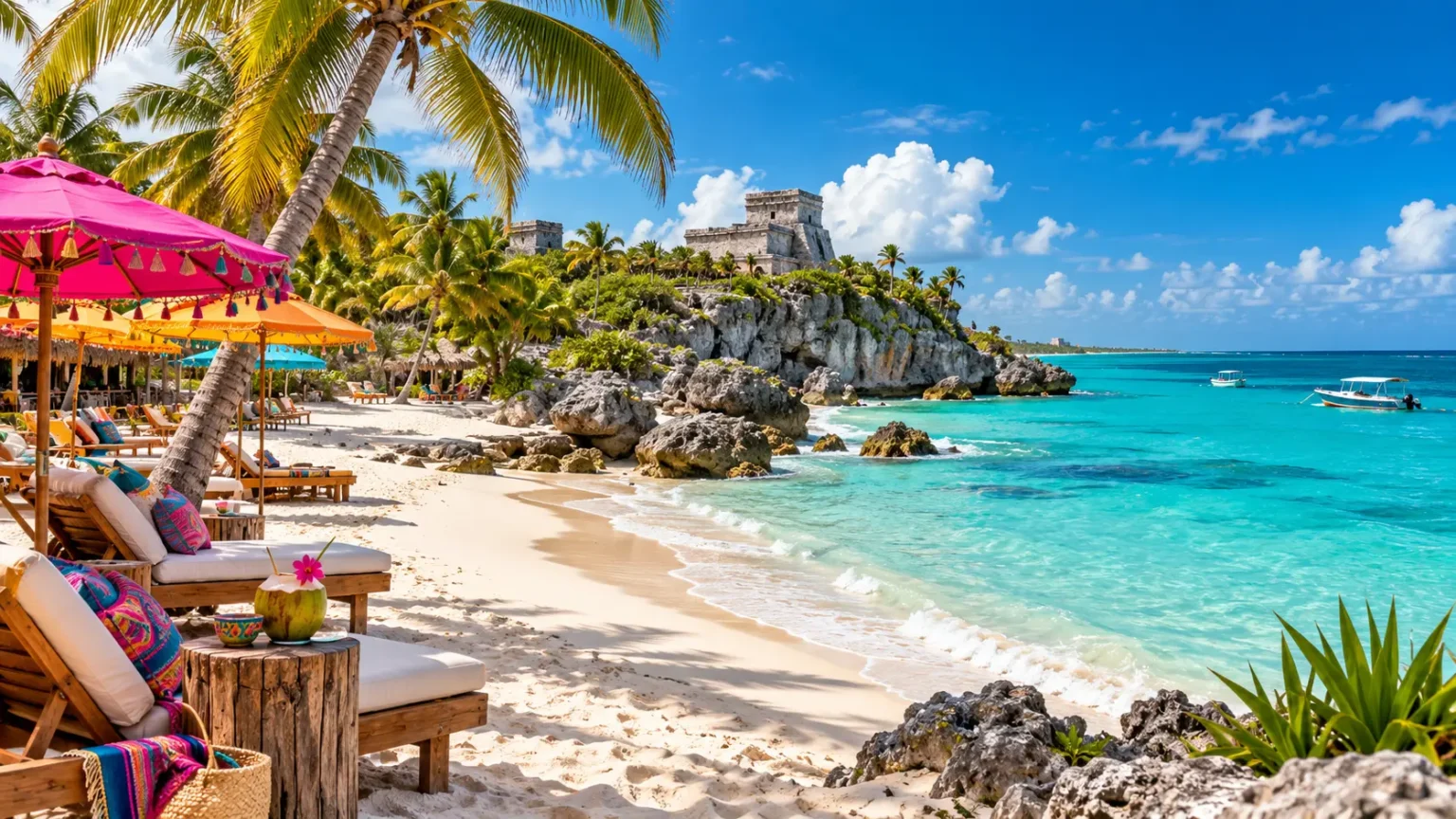
Mexico is home to some of the world’s most beautiful beaches, offering turquoise waters, soft white sand, dramatic coastlines, and unforgettable tropical scenery. From the Caribbean shores of Cancun and Tulum to the peaceful beaches of Baja California Sur, the country provides countless opportunities for coastal adventures. Exploring the best beaches in Mexico allows travelers to experience beautiful landscapes, discover local culture, and enjoy relaxing seaside vacations.
Mexico’s extensive coastline borders the Caribbean Sea, Gulf of Mexico, Pacific Ocean, and Gulf of California. Each region offers a different beach experience, with some destinations known for clear swimming waters and others famous for dramatic waves, marine wildlife, and spectacular sunsets. Popular coastal towns also provide restaurants, cultural attractions, nature reserves, and convenient accommodation options.
Choosing the right Mexican beach depends on your travel preferences, available budget, and the time of year. Families may prefer sheltered swimming areas, while nature lovers often enjoy protected beaches and peaceful coastal environments. This guide explores Mexico’s top beach destinations, their main attractions, the best times to visit, and practical tips for planning a memorable seaside getaway.
Playa Norte, Isla Mujeres: Crystal-Clear Caribbean Waters
Playa Norte is one of Mexico’s most beautiful Caribbean beaches, located on the northern side of Isla Mujeres near Cancun. Its powdery white sand, clear turquoise water, and attractive coastal scenery make it a popular destination for travelers. The beach is especially appealing to visitors who prefer a relaxing atmosphere and beautiful ocean views.
The sheltered shoreline often experiences relatively gentle water conditions compared with more exposed Caribbean beaches. Visitors can enjoy walking along the sand, relaxing near the waterfront, and exploring the surrounding island. Nearby restaurants and small businesses provide convenient options for spending several hours in the area.
Isla Mujeres is accessible by ferry from the Cancun area, making Playa Norte a popular day-trip destination. Travelers can also stay overnight to explore the island at a slower pace. Because the beach attracts many visitors, arriving outside the busiest daytime periods may provide a quieter experience.
Playa Paraiso, Tulum: Beautiful White Sand and Turquoise Sea
Playa Paraiso is a picturesque beach near Tulum on Mexico’s Caribbean coast. It is known for its pale sand, turquoise water, and tropical surroundings. The coastal scenery makes it particularly attractive to travelers interested in beach photography, relaxing walks, and beautiful natural landscapes.
One of the area’s biggest attractions is its proximity to the Tulum archaeological site, which overlooks the Caribbean Sea. Visitors can combine beach time with an opportunity to learn about ancient Maya history. Nearby coastal areas also provide access to restaurants, accommodations, and other Riviera Maya attractions.
Water conditions can change with seasonal weather, waves, and sargassum seaweed accumulation. Travelers should check recent beach conditions before planning activities, particularly during periods when seaweed affects the Caribbean coastline. Tulum can also become expensive during peak tourism months, making early accommodation planning useful.
Playa Balandra, La Paz: A Stunning Natural Paradise
Playa Balandra is one of the most distinctive beaches in Mexico, located near La Paz in Baja California Sur. This protected coastal area is famous for its shallow turquoise waters, white sand, and surrounding desert hills. The contrast between arid landscapes and clear water creates a remarkable environment for nature lovers.
The beach is also known for its iconic mushroom-shaped rock formation, often photographed against the beautiful coastal scenery. Visitors can admire the natural landscape, explore permitted areas, and enjoy the peaceful surroundings. Its shallow water is appealing, although visitors should always consider current conditions and follow local safety guidance.
Because Balandra is part of a protected natural area, visitor numbers and access times are regulated. Entry requirements, fees, and reservation procedures may change, so checking official information before traveling is important. Respecting environmental restrictions helps protect this sensitive ecosystem and maintain its natural beauty for future visitors.
Playa Delfines, Cancun: Scenic Views and Open Beaches
Playa Delfines is one of Cancun’s most recognizable public beaches, known for its wide sandy shoreline and impressive Caribbean views. Located along Cancun’s Hotel Zone, it offers a beautiful setting for ocean photography and relaxing walks. Its expansive coastline makes it attractive to visitors looking for a scenic beach experience.
Unlike some beaches surrounded by large resorts, Playa Delfines provides a more open coastal environment. Travelers can enjoy panoramic views of the Caribbean Sea and appreciate the natural beauty of Cancun’s shoreline. The beach is also associated with one of the city’s popular photograph locations.
However, Playa Delfines can experience strong waves and dangerous currents, making swimming conditions unsuitable at certain times. Visitors should follow posted warnings and lifeguard instructions rather than assuming that clear water indicates safe conditions. Its location within Cancun also makes it convenient to combine with other sightseeing activities.
Akumal Beach: A Beautiful Coastal Wildlife Destination
Akumal Beach is located along the Riviera Maya between Playa del Carmen and Tulum. Its name is commonly associated with turtles, reflecting the area’s connection with marine wildlife. The beach attracts travelers interested in coastal nature, calm scenery, and opportunities to learn about the Caribbean marine environment.
Akumal is particularly known for green sea turtles that inhabit nearby seagrass areas. Wildlife observation and snorkeling activities are regulated in designated zones to protect the animals and their habitats. Visitors should use authorized services where required, maintain appropriate distances, and avoid touching or disturbing marine life.
The surrounding community offers accommodation, restaurants, and access to other Riviera Maya attractions. Conditions for swimming and snorkeling depend on weather, visibility, and local restrictions. Choosing responsible operators and following conservation guidelines allows visitors to enjoy the area’s natural beauty while supporting marine protection.
Playa del Carmen: A Vibrant Beach Town
Playa del Carmen is one of the Riviera Maya’s most popular coastal destinations, offering sandy beaches, restaurants, shops, and a lively town atmosphere. Its location south of Cancun makes it a convenient base for exploring nearby attractions. The combination of Caribbean scenery and urban amenities appeals to travelers who enjoy variety.
The town’s famous Quinta Avenida, also called Fifth Avenue, features pedestrian-friendly areas with shopping and dining opportunities. Visitors can spend time along the waterfront or explore nearby cultural and natural attractions. Ferry connections to Cozumel also make Playa del Carmen a useful starting point for additional coastal excursions.
Beach width and conditions vary along the shoreline, and some areas may experience erosion or seasonal seaweed accumulation. Travelers should research accommodation locations carefully because the atmosphere differs between busy central areas and quieter surroundings. Visiting during favorable weather can improve the overall coastal experience.
Zicatela Beach, Puerto Escondido: Dramatic Pacific Waves
Zicatela Beach is a famous Pacific Ocean destination in Puerto Escondido, Oaxaca. It is particularly recognized for its powerful surf and long stretch of golden sand. The dramatic waves, coastal scenery, and relaxed town atmosphere attract visitors interested in photography, beach walks, and observing experienced surfers.
Zicatela is internationally associated with challenging surfing conditions, but its powerful waves and currents make ordinary swimming dangerous. It is not a suitable location for inexperienced swimmers or people looking for calm water. Travelers should appreciate the beach from safe areas and follow official safety warnings.
Puerto Escondido offers additional beaches with different characteristics, along with restaurants, local markets, and cultural experiences. Visitors can explore the town while enjoying Oaxaca’s distinctive coastal environment. Because beach conditions vary considerably, choosing the appropriate shoreline for relaxing or swimming is especially important in this region.
Playa Carrizalillo: A Picturesque Beach in Oaxaca
Playa Carrizalillo is a small, scenic beach located near Puerto Escondido on Mexico’s Pacific coast. Surrounded by rocky cliffs and tropical vegetation, it features a sheltered cove that creates beautiful coastal views. Its compact setting makes it popular with travelers seeking a different atmosphere from the powerful waves of nearby Zicatela.
Access to the beach involves descending a substantial staircase from the surrounding cliffs. Visitors are rewarded with attractive views of the sand and ocean, although the climb back can be physically demanding. Water conditions may be gentler than at exposed nearby beaches, but waves and currents can still create hazards.
The surrounding area offers places to relax and enjoy the coastal scenery. Because the cove is relatively small, it can feel crowded during busy periods. Travelers with mobility concerns should consider the staircase carefully, and everyone should check conditions before entering the water.
Playa Las Gatas, Zihuatanejo: A Sheltered Coastal Retreat
Playa Las Gatas is a popular beach near Zihuatanejo in the Mexican state of Guerrero. Its attractive bay setting, surrounding hills, and relatively sheltered waters make it appealing to visitors seeking a relaxed seaside environment. The beach has a different atmosphere from the larger resort areas found elsewhere along Mexico’s Pacific coastline.
The area is known for its coastal scenery and opportunities to observe marine life under suitable conditions. Restaurants near the shoreline provide convenient dining options for day visitors. Travelers can enjoy the views, take photographs, and appreciate the distinctive landscape surrounding Zihuatanejo Bay.
Access arrangements may include local boats or designated coastal routes depending on current conditions. Water visibility and swimming safety can vary with weather and marine activity, so visitors should follow local guidance. Choosing reputable transportation providers and respecting the coastal environment helps make the visit more enjoyable.
Playa de los Muertos, Puerto Vallarta: Beach and City Life
Playa de los Muertos is one of Puerto Vallarta’s most recognizable beaches, located near the city’s lively Romantic Zone. It combines beautiful Pacific Ocean scenery with restaurants, shops, and cultural attractions. The beach is especially popular with travelers who want coastal relaxation without being far from urban conveniences.
One of its distinctive landmarks is the Los Muertos Pier, which creates an attractive setting for waterfront photographs. Visitors can explore the surrounding neighborhood, enjoy local cuisine, and watch the changing colors of the ocean during sunset. The nearby Malecón offers additional opportunities for walking and sightseeing.
Because Playa de los Muertos is close to a busy tourism district, it can attract substantial crowds. Visitors who prefer peaceful surroundings may enjoy exploring quieter beaches elsewhere around Banderas Bay. Ocean conditions vary, making it important to follow local swimming guidance and pay attention to changes in waves.
Playa del Amor, Marietas Islands: A Unique Hidden Beach
Playa del Amor, sometimes called Hidden Beach, is one of Mexico’s most unusual coastal attractions. It is located within the Marietas Islands area off the coast of Nayarit. The beach is famous for its distinctive opening surrounded by rock formations, creating a dramatic and memorable natural setting.
The islands form part of a protected marine environment that supports seabirds and other coastal wildlife. Access to Playa del Amor is strictly regulated, and not every boat excursion includes permission to enter the beach. Environmental conditions and conservation restrictions may also affect whether visits are possible.
Travelers interested in visiting should arrange authorized tours and confirm current access requirements in advance. Entry may involve specific physical and environmental conditions, making the experience unsuitable for some visitors. Respecting conservation regulations is essential because unrestricted tourism can damage the sensitive habitats that make the islands special.
Playa La Ropa, Zihuatanejo: Beautiful Bay Scenery
Playa La Ropa is another well-known destination in Zihuatanejo, offering a long sandy shoreline and attractive views of the surrounding bay. Its scenic setting and nearby accommodations make it popular for relaxing coastal vacations. The beach provides a welcoming atmosphere for visitors who want to enjoy the Pacific coast at a comfortable pace.
Restaurants and hospitality services are available in the surrounding area, allowing travelers to spend much of the day near the waterfront. The beach is particularly attractive for walking and enjoying sunset scenery. Its location also makes it convenient to explore Zihuatanejo’s town center and local cultural attractions.
Swimming conditions can vary, particularly when weather systems influence wave activity. Visitors should pay attention to posted warnings and avoid assuming that sheltered bays are always safe. Compared with some heavily developed destinations, Zihuatanejo offers a distinctive combination of seaside scenery and traditional coastal town character.
Playa Holbox: Relaxed Island Atmosphere
Holbox is a beautiful island destination located off the northern coast of the Yucatan Peninsula in Quintana Roo. Its sandy streets, shallow coastal waters, and relaxed atmosphere distinguish it from larger resort cities. Travelers often visit Holbox to enjoy peaceful scenery, nature-focused activities, and a slower rhythm of island life.
The island is surrounded by sensitive coastal ecosystems, including mangroves and habitats supporting various bird species. Visitors may enjoy shoreline walks, photography, and guided nature experiences. Seasonal wildlife excursions are available through authorized operators, although encounters depend on natural conditions and applicable conservation regulations.
Holbox can experience heavy rainfall, coastal flooding, and changing water conditions during certain periods. Transportation typically involves reaching the mainland ferry departure point before crossing to the island. Travelers should check ferry schedules and weather forecasts, especially when planning connections with airports or other destinations.
Playa Chileno, Los Cabos: Clear Water and Coastal Views
Playa Chileno is a popular beach along the Los Cabos Tourist Corridor in Baja California Sur. It is known for its beautiful water, rocky coastal surroundings, and opportunities to appreciate marine life. The beach provides a scenic alternative to more developed resort areas in Cabo San Lucas and San Jose del Cabo.
Under favorable conditions, designated areas can offer opportunities for snorkeling and observing the underwater environment. However, water safety depends on local currents, waves, visibility, and official guidance. Visitors should respect marine habitats and avoid disturbing wildlife while exploring the coastal environment.
Los Cabos combines desert scenery with ocean landscapes, creating a distinctive setting for a beach vacation. Travelers can explore nearby viewpoints, restaurants, and cultural attractions in surrounding communities. Checking local conditions is essential because many beaches in the wider region have strong shore breaks and are not safe for swimming.
Best Time to Visit Mexico’s Beaches
The best time to visit Mexico’s beaches depends on the region and the type of experience you prefer. Many Caribbean destinations experience relatively pleasant weather during portions of the November-to-April period. However, seasonal tourism demand often increases during winter holidays, affecting accommodation prices and crowd levels.
Mexico’s Pacific coast has different seasonal characteristics, with many destinations experiencing wetter conditions during the summer months. The Atlantic hurricane season officially runs from June through November, and tropical weather can affect some coastal regions. Travelers should monitor forecasts and recognize that seasonal patterns do not guarantee specific daily conditions.
Sargassum seaweed can also affect beaches along the Caribbean coast, particularly during warmer months, although its timing and intensity vary. Pacific destinations face different environmental considerations, including ocean swells and strong currents. Researching conditions for the specific beach is generally more useful than choosing travel dates based on nationwide averages.
How to Choose the Best Beach in Mexico
Choosing the best Mexican beach begins with identifying the experience you want from your vacation. Travelers seeking calm Caribbean scenery may prefer Isla Mujeres, while those interested in dramatic Pacific landscapes may enjoy Puerto Escondido. Nature enthusiasts may appreciate protected coastal areas such as Balandra or the Marietas Islands.
Your budget and preferred accommodation style are also important. Major resort destinations offer numerous hotels and established transportation services, while smaller coastal communities may provide simpler lodging and a quieter atmosphere. Transportation costs can vary significantly when reaching islands or remote protected areas.
Swimming conditions should be considered separately from scenic beauty. Some of Mexico’s most impressive beaches have powerful waves, strong currents, or restricted access. Families and less experienced swimmers should prioritize beaches with appropriate facilities and suitable conditions rather than assuming every popular destination is safe for swimming.
Essential Travel Tips for Mexico Beach Vacations
Planning a beach vacation in Mexico involves preparing for changing weather, transportation arrangements, and local conditions. Lightweight clothing, sun protection, suitable footwear, and reusable water bottles are useful for many coastal destinations. Travelers should also review accommodation locations and transportation options before arriving, particularly when visiting remote areas.
Beach safety should remain a priority throughout the trip. Follow warning flags, lifeguard instructions, and guidance concerning currents or marine wildlife. Avoid entering the water during dangerous conditions, even when the ocean appears attractive from the shoreline. It is also useful to check official water-quality notices when available.
Responsible tourism helps preserve the beaches and coastal ecosystems that make Mexico special. Dispose of waste properly, avoid disturbing protected wildlife, and respect restrictions in conservation areas. Supporting local businesses and authorized tourism operators can also contribute positively to the communities surrounding these beautiful destinations.
Conclusion
The best beaches in Mexico offer an extraordinary variety of landscapes, from turquoise Caribbean waters to dramatic Pacific Ocean coastlines. Playa Norte, Playa Paraiso, Playa Balandra, and Playa Delfines are particularly appealing for their beautiful scenery. Other destinations, including Akumal, Puerto Escondido, and Puerto Vallarta, provide distinctive natural and cultural experiences.
Choosing the right beach depends on your interests, preferred weather, budget, and the activities you want to enjoy. Some destinations offer sheltered coastal environments, while others are better suited to sightseeing, photography, or observing experienced surfers. Understanding local conditions and access requirements helps travelers make informed decisions.
A well-planned Mexican beach vacation can combine relaxation, natural beauty, cultural discovery, and memorable coastal adventures. Checking weather forecasts, respecting marine wildlife, and following local safety guidance can improve the experience. With so many distinctive destinations, Mexico offers rewarding seaside getaways for travelers with different preferences and travel styles.
Frequently Asked Questions
What is the most beautiful beach in Mexico?
Playa Norte on Isla Mujeres and Playa Balandra near La Paz are widely admired for their clear water and attractive scenery. The best choice depends on personal preferences and desired activities.
Which Mexican beaches have the clearest water?
Playa Norte, Playa Balandra, and certain sheltered areas around Los Cabos are known for beautiful, clear water under favorable conditions. Visibility varies with weather, currents, and seasonal environmental changes.
What is the best time to visit beaches in Mexico?
November through April is popular for many Mexican beach destinations because of generally favorable weather in several regions. However, climate patterns differ between the Caribbean, Pacific, and Baja California coasts.
Are Mexico’s beaches safe for swimming?
Some Mexican beaches offer suitable swimming conditions, while others experience dangerous waves or currents. Always check local warnings, lifeguard guidance, and current water conditions before entering the sea.
Which beach in Mexico is best for families?
Playa Norte on Isla Mujeres is a popular family destination because of its attractive shoreline and often gentle water conditions. Families should still check daily conditions and follow local safety guidance.