
Understanding Travel Risks
International travel, while enriching and rewarding, is inherently accompanied by a variety of risks that can pose challenges to travelers. These risks can be categorized into four primary types: health, safety, political, and environmental risks. Each category presents unique challenges that necessitate careful consideration and preparation.
Health risks are often at the forefront of concern for travelers. This includes the potential for exposure to infectious diseases, such as malaria or Zika virus, particularly in tropical regions. Travelers should conduct thorough research regarding the prevalence of such diseases in their intended destinations and may need to receive vaccinations or carry medication as preventive measures. Additionally, travelers should consider access to healthcare facilities in the area they are visiting, which can vary significantly across countries.
Safety risks encompass a range of issues, including petty crime, scalability of violence, and natural disasters. It is essential for travelers to stay informed about the safety conditions of their destination, which can include reading travel advisories issued by governments and registering with local embassies. Understanding the local security landscape will empower travelers to take preventive measures, like avoiding certain areas after dark or utilizing reputable transportation services.
Political risks can greatly influence the travel experience. These may involve civil unrest, terrorism, or government instability that could affect safety and access to services. Monitoring news outlets for updates regarding political situations in destination countries is advised, as conditions can shift rapidly. Travelers should also familiarize themselves with emergency protocols established by their home country.
Lastly, environmental risks include natural disasters such as earthquakes, hurricanes, or floods. Travelers should stay abreast of seasonal patterns and geographical vulnerabilities of the regions they are visiting. By understanding these risks, travelers can better prepare themselves, leading to a safer and more secure international travel experience.
Researching Your Destination
Before embarking on an international journey, it is crucial for travelers to engage in thorough research about their intended destination. This process helps ensure a safer and more enjoyable experience while fostering respect for local customs and laws. A comprehensive understanding of the cultural nuances and social etiquette can enhance interactions with locals and contribute to a positive travel experience.
Start by investigating the local customs and traditions of the country you plan to visit. Each culture has its unique set of practices that may differ significantly from your own. Understanding these can prevent unintentional offenses. For instance, some countries have specific dress codes, especially in religious sites, while others may have particular etiquette associated with dining or greetings.
Additionally, staying informed about local laws is vital. Legal systems vary widely around the globe, and what may be acceptable in one country could lead to severe consequences in another. Familiarizing yourself with regulations regarding alcohol consumption, photography restrictions, and traffic laws can help avoid unexpected legal issues.
Safety alerts and travel advisories issued by governments or international organizations should also be a focal point of your research. These alerts provide critical information regarding potential risks such as civil unrest, natural disasters, or health concerns. Websites from governmental travel departments often offer up-to-date information that can assist travelers in making informed decisions about their travel plans.
Health advisories are equally important. Knowing required vaccinations, current health threats like outbreaks of diseases, and available medical facilities will empower travelers to prepare adequately. By being informed of health guidelines and advisories, travelers can take necessary precautions to ensure their well-being while abroad.
Health and Safety Precautions
Ensuring health and safety during international travel is paramount for an enjoyable and secure experience. Prior to embarking on your journey, it is advisable to consult with a healthcare professional to discuss necessary vaccinations. Different destinations may require specific immunizations, and understanding these requirements can protect both your health and the health of the local population. Common vaccinations to consider include those for Hepatitis A and B, Typhoid, and Tetanus, along with any region-specific recommendations such as Yellow Fever or Rabies.
Travel insurance is another critical component of health and safety precautions. Obtaining comprehensive travel insurance not only covers unexpected medical expenses, but also provides assistance in the event of trip cancellations or lost belongings. Ensure that your policy includes coverage for overseas medical care and possible evacuation, as medical facilities may vary significantly in quality and accessibility in different countries. Moreover, it is prudent to review the terms of your policy thoroughly to understand the extent of the coverage you are purchasing.
Additionally, packing a health kit tailored to your destination should be prioritized. This kit should ideally contain essential medications, first aid supplies, and personal hygiene products. Common items to include are antiseptics, adhesive bandages, insect repellent, and any prescription medications you may need. Familiarizing yourself with local healthcare facilities is also vital; research the nearest hospitals and clinics at your destination as well as relevant emergency contact information. In scenarios requiring immediate attention, having emergency contacts at your disposal can significantly enhance your safety.
Securing Your Personal Belongings
When embarking on international travel, securing your personal belongings is paramount for a worry-free journey. With various risks such as theft and loss, understanding how to protect your valuables becomes essential. One of the most effective methods is to use reliable locks. Invest in high-quality luggage locks for your bags and utilize locks for hotel room safes. This added measure can deter opportunistic thefts, especially in crowded areas or public transport.
Additionally, keeping your valuables hidden can significantly enhance your security. Avoid keeping all your cash, credit cards, and important documents in one place. Instead, distribute them across different locations on your person—such as a money belt, your luggage, and even a hotel safe. Consider using anti-theft bags that are designed with hidden zippers and cut-resistant straps, as these can add extra layers of defense against pickpockets.
Digital security is also an aspect of safeguarding your belongings that cannot be overlooked. With the increasing use of personal devices such as smartphones, tablets, and laptops during travel, protecting your digital information is crucial. Always make sure your devices are password-protected, and consider enabling two-factor authentication for your online accounts. Public Wi-Fi networks are often unsecured; therefore, it is advisable to use a Virtual Private Network (VPN) when accessing sensitive information over the Internet.
By implementing these practical tips on using locks, keeping valuables discretely tucked away, and securing your digital devices, you can greatly reduce the risk of losing your possessions while traveling. Preemptive measures not only minimize the threat of theft but also contribute to a more enjoyable travel experience.
Emergency Preparedness and Response
When preparing for international travel, it is critical to plan for potential emergencies that may arise during your trip. A thorough strategy will not only enhance safety but also ensure a more enjoyable experience abroad. First and foremost, create an emergency plan. This plan should include a list of emergency contacts, including family members and friends back home, and local contacts such as hotel management or tour guides. Knowing who to call in case of an emergency can significantly reduce panic and confusion.
Equally important is establishing effective communication strategies. In many cases, cell phones may not work abroad, or the costs associated with international calling can be prohibitively high. Prior to your departure, ensure your phone is compatible with the network in your destination country, and consider purchasing a local SIM card. Alternatively, use applications that necessitate Wi-Fi access, enabling you to stay connected without incurring exorbitant charges.
Additionally, familiarize yourself with the locations of the nearest embassies or consulates. These offices can provide crucial support in times of need, including assistance with lost passports or legal issues. Researching the embassy’s location and hours of operation before leaving ensures that you can access their services when necessary. Keep a printed copy of the embassy’s address and contact information easily accessible, and consider saving it on your phone as well. By undertaking these preparatory steps, travelers can significantly mitigate risks and ensure they are better equipped to handle unforeseen circumstances during their time abroad.
Staying Connected and Informed
In today’s interconnected world, maintaining communication with friends and family while traveling internationally is essential for both safety and emotional well-being. With advancements in technology, there are various tools and applications that facilitate staying connected across borders. Utilizing messaging apps such as WhatsApp, Telegram, or Viber allows travelers to send text, and voice messages, and even make video calls without incurring hefty international charges. Ensuring that your mobile device is equipped with these applications can provide peace of mind and an easy way to reach loved ones.
Moreover, it is advisable to have a local SIM card or an international phone plan to ensure that travelers have reliable access to mobile data when necessary. This not only aids in communication but also enables the use of various local apps that can enhance safety. For instance, downloading travel apps that provide real-time alerts about local weather, public transportation updates, or emergency services can help you navigate new environments more safely.
Staying informed about local news is equally important, particularly regarding safety concerns or any changes in travel advisories issued by authorities. Utilizing news apps or following credible local news sources on social media can help travelers be aware of their surroundings and respond to any potential risks. Additionally, registering with your country’s embassy or consulate in the destination country can serve as an important resource for receiving alerts and information specific to travelers.
In Conclusion, reliability in communication and access to timely information plays a crucial role in ensuring safe and secure international travel experiences. By leveraging technology effectively, travelers can maintain connections and stay informed, which significantly enhances overall travel safety.
Cultural Awareness and Sensitivity
Cultural awareness and sensitivity are essential components of any international travel experience. As travelers, it is crucial to approach different cultures with an open mind and a willingness to learn. Engaging positively with locals enhances not only your travel experience but also fosters a sense of mutual respect and understanding. To achieve this, familiarizing oneself with the cultural norms and values of the destination is important.
One effective way to engage with the local populace is to learn a few basic phrases in their language. This simple effort demonstrates respect for their culture and often encourages locals to respond positively. Additionally, recognizing and respecting local customs, such as dress codes, dining etiquette, and holiday observances, reflects cultural sensitivity and can prevent potential misunderstandings.
Travelers must also be aware of social norms and taboos. For instance, certain gestures or forms of communication that are acceptable in one culture may be offensive in another. Researching these nuances can help avoid unintentional faux pas that may lead to discomfort for both the traveler and the locals. Active listening plays a vital role; engaging in conversations without interrupting allows for a deeper understanding of cultural perspectives.
Finally, participating in local activities or events can provide a unique insight into the culture. Volunteer opportunities, cooking classes, or local tours led by residents can facilitate authentic interactions with the community. Such experiences not only enrich the traveler’s understanding but also contribute positively to the local economy, creating a mutually beneficial relationship.
In conclusion, fostering cultural sensitivity and awareness enriches international travel. By being respectful and open to the culture of the host country, travelers can enjoy meaningful connections and leave a lasting positive impression on the communities they visit.
Transportation Safety
When embarking on international travel, ensuring transportation safety is a crucial aspect to consider. The means by which one navigates through unfamiliar territories can significantly impact the overall travel experience. Prior to any trip, thorough research into the transportation methods available at the destination is essential. Recognizing whether public transportation is a reliable option or if renting a vehicle is advisable can influence the safety of your travels. For instance, some cities may offer an efficient public transit system, whereas others may present challenges such as limited routes or unreliable services.
Moreover, travelers should be vigilant and aware of common scams associated with transportation in foreign countries. These scams frequently target tourists, taking advantage of their unfamiliarity with local customs and language. It is wise to familiarize oneself with the most prevalent types of scams before departing, such as inflated taxi fares or unauthorized taxi services that may lack proper licensing. Understanding the local currency and estimating standard costs can further aid in mitigating such risks.
Utilizing reputable transportation services is of utmost importance in ensuring safety. For example, opting for recognized taxi services or rideshare applications can provide a higher level of security compared to hailing random vehicles off the street. Additionally, prior reservations for airport transfers through established companies can provide peace of mind upon arrival. Evaluating customer reviews and concerns about safety and reliability can further guide travelers in selecting dependable options, ensuring a safer journey throughout their travels.
Final Thoughts on Safe International Travel
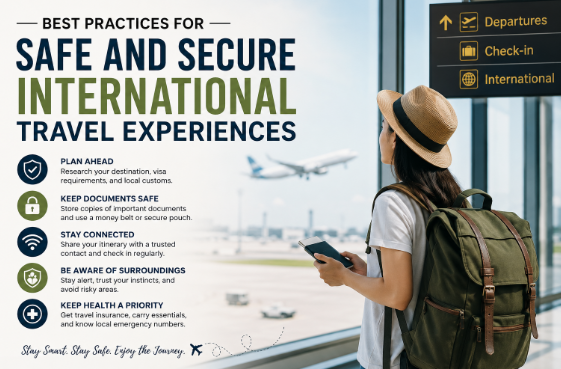
Traveling internationally can be an exhilarating and enriching experience; however, it also comes with its unique set of challenges and risks. As such, ensuring your safety and security during these trips is paramount. The key takeaway for any traveler is the importance of thorough preparation before embarking on their journey. This involves researching your destination carefully, understanding local customs, rules, and regulations, and being aware of any travel advisories or safety tips pertinent to the area you will be visiting.
Creating a travel plan is equally essential. This may include items such as important contact information, emergency procedures, and outlining your itinerary. Having a well-thought-out plan provides a framework within which you can operate, thus drastically improving your overall travel experience. It also grants peace of mind to both you and your loved ones aware of your whereabouts.
Awareness and vigilance during your travels cannot be overstated. Be it attentiveness to your surroundings or remaining alert to any suspicious activity, these practices help mitigate risks and enhance your safety. Additionally, staying informed about the local laws and security protocols can make a significant difference in your travel experience.
Adapting to unexpected situations is another vital strategy. Travel is inherently unpredictable, and being able to adjust your plans swiftly when faced with an unforeseen circumstance is an invaluable skill. Whether it’s flight delays, changes in local regulations, or health emergencies, maintaining a flexible mindset will serve you well.
In conclusion, safe international travel hinges on preparation, awareness, and adaptability. By adhering to these best practices, travelers can foster a secure environment for themselves, enabling them to focus on the joy and wonder of discovering new places and cultures.