

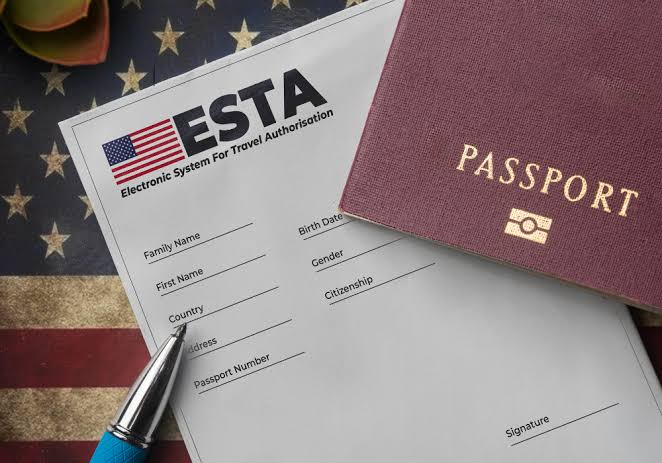
If you’re a British traveler planning a trip to the United States, there’s a good chance you’ve typed “do I need a visa for the US” into a search bar at some point and come away more confused than when you started. Between ESTAs, visas, and a dozen conflicting blog posts, the actual answer is usually simpler than it looks. For the vast majority of UK travelers heading to the US for tourism or short business trips, you don’t need a traditional visa at all. You need an ESTA.
Here’s what that actually means, how the two differ, and how to get your paperwork sorted before you fly.
What an ESTA Actually Is
ESTA stands for Electronic System for Travel Authorization. It’s not a visa in the traditional sense. It’s an entry authorization tied to the US Visa Waiver Program, which allows citizens of certain eligible countries, the UK included, to travel to the United States for tourism or business for stays of up to 90 days without needing to apply for a formal visa through a US embassy.
Instead of the lengthy visa application process, an ESTA is applied for entirely online, typically approved within minutes to 72 hours, and remains valid for two years or until your passport expires, whichever comes first, allowing multiple entries into the US during that window.
For most UK holidaymakers and business travelers, this is genuinely good news. The Visa Waiver Program exists specifically to simplify short-term travel between eligible countries and the US, and an ESTA is the mechanism that makes that simplification possible.
What a Traditional US Visa Involves
A full US visa, by contrast, is a considerably more involved process. It typically requires an in-person interview at a US embassy or consulate, a detailed application covering employment history, travel history, and the purpose of your trip, and processing times that can stretch to weeks or months depending on embassy demand and the specific visa category.
Traditional visas are generally required for situations the Visa Waiver Program doesn’t cover: stays longer than 90 days, immigration with intent to work or study in the US, certain business activities beyond standard meetings and conferences, or travel for UK citizens who don’t meet ESTA eligibility requirements for other reasons, such as a prior visa denial or certain criminal history.
For the average British traveler booking a two-week holiday in Florida or a long weekend in New York, none of this applies. The visa process exists for situations an ESTA simply isn’t designed to handle.
Who Actually Needs an ESTA
If you’re a UK citizen with a valid British passport traveling to the US for tourism, a short business trip, or transiting through the US en route to another country, you’ll almost certainly need an ESTA rather than a visa. This covers the overwhelming majority of UK travel to the United States: family holidays, honeymoons, weekend city breaks, and short work trips involving meetings or conferences rather than actual employment in the US.
A few situations complicate ESTA eligibility and may require a traditional visa instead. If you’ve previously been denied entry to the US or had a visa application rejected, if you have certain criminal convictions, or if you’ve traveled to specific countries considered high-risk under current US immigration rules, you may need to apply for a traditional visa even for a short tourist trip. If any of this applies to you, it’s worth researching the specific requirements well before booking flights, since discovering an ESTA won’t be approved after you’ve already paid for a trip is a considerably worse position to be in.
How the ESTA Application Actually Works
Applying for an ESTA is meant to be simple, and for most travelers, it genuinely is. The process involves filling out an online form with your passport details, travel plans, and answers to a series of standard eligibility questions covering health, criminal history, and prior immigration issues. Once submitted, most applications are approved within minutes, though the US government recommends applying at least 72 hours before travel in case additional review is needed.
A few practical details are worth knowing before you start. Your passport needs to be an e-passport, meaning it has an embedded electronic chip, which nearly all UK passports issued in the last decade or so include. Double-check the details on your application carefully before submitting, since even small errors, like a mismatched passport number, can cause delays or rejection. Applying through a guided service like ESTA VisaSyst can help catch these kinds of mistakes before submission, rather than discovering them after a delay or rejection. And it’s worth applying well ahead of your trip rather than the night before, both to leave room for the rare cases requiring extra review and to avoid any last-minute stress before a flight.
Where a Guided Service Helps
The ESTA application itself isn’t complicated, but the official US government portal isn’t always the most intuitive experience, and travelers occasionally make small errors that lead to unnecessary delays or rejected applications. A guided application process walks through exactly what’s required at each step, which is genuinely useful for anyone who’d rather not navigate the government’s own form directly, or who wants extra reassurance that their application is filled out correctly the first time. This matters most if you’re applying close to a travel date and can’t afford a delay caused by a small mistake.
Planning Ahead
Whether you handle your ESTA application directly through the government portal or use a guided service to walk through it, the most important thing is timing. Apply well before your trip, ideally as soon as your travel dates are confirmed, rather than waiting until the week you’re due to fly. This gives you a comfortable buffer in case anything needs correcting, and it means one less thing to think about as your departure date gets closer.
For the vast majority of UK travelers, a US trip means an ESTA, not a visa, and understanding that distinction upfront saves a lot of unnecessary confusion. Get it sorted early, and the only thing left to plan is the actual holiday.