
Introduction to the Digital Nomad Lifestyle
The digital nomad lifestyle is a growing trend that combines remote work with the freedom to travel. A digital nomad is typically a professional who is not bound to a physical office and utilizes technology to work from anywhere in the world. This innovative approach to work allows individuals to explore new cultures, meet diverse groups of people, and maintain a fulfilling career all at once.
As technology continues to advance, more individuals have the opportunity to embrace this flexible way of living. The proliferation of high-speed internet, cloud computing, and mobile applications has enabled workers in various sectors—such as writing, graphic design, consulting, and software development—to perform their tasks remotely. In addition, the rise of collaborative tools has made it easier for teams to connect and cooperate, regardless of their geographical location.
The appeal of the digital nomad lifestyle lies in its versatility and the potential for personal growth. Many are drawn to it as a way to escape the constraints of traditional employment, seeking to break free from the monotony of a nine-to-five job. With the increasing globalization of the workforce, companies are becoming more receptive to remote arrangements, thereby driving this trend further. The combination of a desire for work-life balance, adventure, and enhanced productivity encourages people to adopt this lifestyle.
In recent years, destinations around the globe have begun to cater specifically to digital nomads, offering co-working spaces, affordable accommodations, and communities that foster a collaborative environment. This migration toward a mobile way of life is reshaping not only individual careers but also local economies as digital nomads bring skills, creativity, and spending power to the places they choose to explore.
The Rise of Remote Work Technologies
The landscape of workplace dynamics has dramatically transformed over the last few years, significantly fueled by advancements in remote work technologies. These technologies encompass a broad spectrum of tools that facilitate effective communication, streamlined project management, and enhanced collaboration among geographically dispersed teams. Initially, simple email and basic messaging applications served as the primary means of communication; however, the emergence of sophisticated platforms has revolutionized how remote teams function.
One of the most significant developments in this arena is the proliferation of communication tools such as Slack, Microsoft Teams, and Zoom. These platforms have not only enabled real-time conversations but also fostered a sense of community among remote workers. Video conferencing has become a staple in professional settings, allowing teams to conduct meetings that mimic face-to-face intera.ctions, thereby improving engagement and productivity
In addition to communication tools, project management software like Asana, Trello, and Monday.com has enhanced organizational efficiency. These applications enable teams to outline tasks, track progress, and manage deadlines seamlessly, ensuring that all members remain aligned with project goals. Furthermore, cloud storage solutions such as Google Drive and Dropbox have simplified document sharing and collaborative work, making it easy for remote employees to access important files from anywhere in the world.
The rise of specialized tools tailored for specific industries has also played a crucial role in supporting remote work. For instance, developers can utilize platforms such as GitHub for code collaboration, while marketers might rely on Hootsuite for social media management. The evolution of these technologies has provided flexibility, allowing employees the freedom to work in various settings, whether at home, in co-working spaces, or while traveling. With the continued growth of remote work technologies, the business landscape is likely to keep evolving, offering greater adaptability to the modern workforce.
Essential Tools for Digital Nomads
The digital nomad lifestyle is increasingly reliant on specific tools and resources that facilitate effective remote work. As professionals embrace this transformative way of working, having the right software and applications is crucial for maintaining productivity and fostering communication, regardless of location. This section outlines essential categories of tools for digital nomads, including communication, productivity, and industry-specific resources.
Firstly, communication tools are vital for digital nomads who must collaborate seamlessly with colleagues and clients. Applications such as Slack and Zoom not only provide instant messaging and video conferencing capabilities but also contribute to a more cohesive team environment. By using these platforms, digital nomads can maintain clear communication lines, ensuring everyone is on the same page, regardless of their physical location.
Next, productivity tools play an indispensable role in helping digital nomads manage their time and tasks effectively. Programs such as Trello and Asana enable users to organize projects, set deadlines, and monitor progress without the typical office structure. These applications, designed for both individual and team use, ensure that workload remains manageable while traveling. Additionally, using time-tracking tools like Toggle can provide insights into how time is allocated across different tasks, promoting better efficiency in work habits.
Lastly, industry-related resources also contribute to the success of digital nomads. For instance, graphic designers may rely on tools like Adobe Creative Cloud, while software developers might utilize platforms such as GitHub. Depending on their field, digital nomads can find specialized applications that cater to their professional needs, which enhances not only productivity but also the quality of their output.
Equipped with these essential tools, digital nomads can navigate their professional lives effectively, overcoming the challenges posed by working remotely and on the go.
Navigating Legal and Practical Considerations
The digital nomad lifestyle offers unparalleled freedom and flexibility, yet it comes with a unique set of legal and practical challenges. Understanding visa requirements is crucial for remote workers planning to reside in different countries. Many countries have specific visa categories designed for digital nomads, which allow individuals to live and work legally while enjoying local cultures. It is essential to research and apply for the appropriate visa well in advance to avoid complications.
In addition to visa considerations, tax obligations present another significant concern for digital nomads. Tax laws can be notably complex, as remote workers may earn income from sources in multiple countries. Many nations require individuals to file tax returns based on their global income, while others may have tax treaties to avoid double taxation. Therefore, it is advisable for digital nomads to consult with tax professionals who specialize in international tax law to ensure compliance and minimize liabilities.
Health insurance is another vital aspect that must not be overlooked. Accessing healthcare services while abroad can vary greatly depending on local systems and coverage. Many digital nomads opt for international health insurance plans that provide comprehensive coverage regardless of geographical location. This can help mitigate unforeseen medical expenses and ensure peace of mind while traveling.
Ultimately, successfully navigating these legal and practical considerations requires thorough preparation and ongoing research. Digital nomads should stay informed about changing regulations in their destination countries, ensuring they adhere to local laws while maintaining their work-life balance. By proactively addressing these challenges, remote workers can enjoy the myriad benefits of the digital nomad lifestyle while minimizing potential disruptions.
Finding Community as a Digital Nomad
One of the most critical aspects of the digital nomad lifestyle is the ability to forge connections and find community, even while on the move. Unlike traditional remote work setups, where interactions may be limited to virtual communications, digital nomads often seek in-person camaraderie with other travelers or locals. Finding a sense of community not only helps combat feelings of isolation but also enriches one’s travel experiences by sharing unique insights and perspectives.
Coworking spaces have emerged as a popular venue for digital nomads seeking community. These spaces typically host a diverse group of remote workers, freelancers, and entrepreneurs, facilitating networking and collaboration. Many coworking facilities organize social events, workshops, and meetups, making them ideal for connecting with other nomads and exchanging ideas. In addition, these environments often provide amenities designed to foster interaction, such as communal kitchens, lounges, and events to encourage engagement among users.
Online forums and social media platforms also serve as significant resources for digital nomads striving to build community. Websites like Nomad List or Meetup offer a wealth of information on local events, gatherings, and gatherings tailored specifically for remote workers. Engaging with others in these digital spaces allows nomads to establish connections before arriving at their destination, ensuring they have a network of like-minded individuals upon arrival. Moreover, platforms such as Facebook and Instagram host various groups dedicated to the digital nomad lifestyle. These groups often encourage knowledge sharing and offer support for those embarking on their journey.
Ultimately, cultivating a sense of community is vital for the well-being of digital nomads. Whether through coworking spaces, online communities, or local meetups, establishing connections not only enhances the travel experience but also creates opportunities for collaboration and professional growth. As the digital nomad lifestyle continues to evolve, nurturing relationships across the globe has become increasingly accessible and rewarding.
Balancing Work and Travel: Tips for Success
As the digital nomad lifestyle gains popularity, maintaining a harmonious work-life balance while traveling becomes increasingly essential. The fusion of work and travel offers unique opportunities, but it also presents challenges that can hinder productivity. To navigate these challenges effectively, adopting sound time management strategies is paramount.
One effective approach is to establish a defined schedule. By allocating specific hours for work, you can ensure that your professional responsibilities do not overshadow your travel experiences. Consider employing techniques such as the Pomodoro Technique, which involves working in focused bursts followed by short breaks. This method can help maintain your concentration while allowing for moments of exploration.
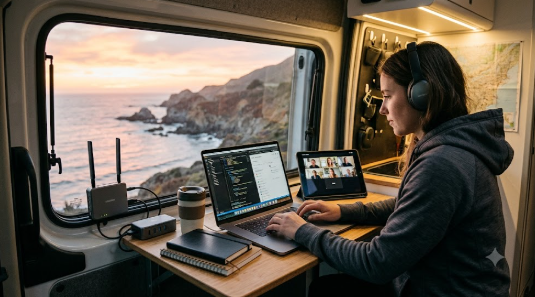
Creating a productive work environment is crucial, even outside conventional office settings. Seek out spaces conducive to productivity, such as coworking hubs, coffee shops, or quiet libraries. Ensure you have the necessary tools for remote work, including a reliable laptop, noise-cancelling headphones, and a stable internet connection. This investment in your workspace significantly enhances your ability to work efficiently on the go.
Dealing with distractions is another key element in balancing travel with work. While the allure of new environments may tempt wandering minds, setting clear boundaries can help. Consider using apps that block distracting websites or notifications during designated work hours. This practice fosters a focused mindset and facilitates a deeper engagement with your tasks.
Lastly, prioritize self-care and rest. Travel can be exhausting, and mental exhaustion can affect productivity. Schedule downtime and leisure activities to recharge and maintain a healthy work-life balance. With the right strategies in place, embracing the digital nomad lifestyle can lead to successful integration of work and travel, enriching both aspects of life.
The Impact of Culture on the Digital Nomad Experience
The digital nomad lifestyle, characterized by the ability to work remotely while traveling, is heavily influenced by cultural differences. These variations can manifest in diverse working styles, communication approaches, and lifestyle habits, all of which can significantly impact a nomadic professional’s experience. Understanding and adapting to these cultural nuances is essential for fostering positive interactions and ensuring productivity.
One crucial aspect is working styles, which can differ remarkably across cultures. For instance, some cultures prioritize punctuality and structured schedules, while others may embrace a more flexible approach to time management. Digital nomads must navigate these differences, especially when collaborating with local clients or remote teams, as misaligned expectations can lead to misunderstandings and frustration. Developing cultural awareness allows digital nomads to adapt their work practices, striving to align with the local norms while maintaining their own productivity.
Communication styles also play a significant role in the digital nomad experience. Cultural differences in verbal and non-verbal communication can influence how messages are conveyed and interpreted. Some cultures favor direct communication, while others may value indirect approaches that require reading between the lines. A digital nomad who is attuned to these variances is more likely to build rapport, navigate conflicts, and enhance their networking opportunities. Furthermore, being culturally sensitive can enrich one’s social interactions, leading to more fulfilling relationships during their travels.
Lastly, lifestyle habits are often shaped by cultural contexts as well. From dining customs to daily routines, understanding local practices enriches the nomadic experience. The ability to adapt to local traditions not only fosters goodwill but can significantly enhance the overall living experience. In summary, cultural sensitivity and adaptability are fundamental for digital nomads; embracing these aspects can lead to a rewarding professional and personal journey in diverse environments.
Personal Growth and Challenges of Nomadic Life
The digital nomad lifestyle, characterized by the ability to work remotely while traveling, presents unique opportunities for personal growth alongside various challenges. As individuals navigate different cultures and environments, they often develop resilience and adaptability, essential traits for thriving in varying circumstances. Digital nomads frequently encounter situations that require problem-solving and flexibility, allowing them to cultivate new skills that may not be as easily obtained in a traditional office setting.
This lifestyle can foster a sense of independence and self-reliance. Living in unfamiliar places encourages nomads to step outside their comfort zones, which can lead to significant personal development. Engaging with diverse cultures enhances communication skills and promotes a broader worldview. These experiences contribute to increased self-confidence and a more profound understanding of global perspectives, ultimately enriching the nomadic experience.
However, it is essential to acknowledge the potential mental health concerns associated with a nomadic lifestyle. The lack of a stable home environment and the constant transition can lead to feelings of isolation and loneliness. Maintaining relationships can become challenging when moving frequently, and digital nomads may struggle with the lack of social support networks. Furthermore, the pressure to remain productive while traveling can sometimes result in burnout, which is a substantial concern within the remote work community.
To address these challenges, digital nomads must consciously prioritize their mental well-being alongside their professional commitments. Establishing routines, seeking out community connections, and ensuring regular self-care practices can provide some balance amidst the chaos of a nomadic lifestyle. By fostering resilience and honing adaptation skills, digital nomads can not only navigate the complexities of their lifestyle but also emerge as more well-rounded individuals.
The Future of the Digital Nomad Lifestyle
The digital nomad lifestyle has witnessed unprecedented growth, and its future will continue to evolve as technological advancements reshape the work landscape. One significant trend is the adoption of remote work policies by an increasing number of companies. More organizations are recognizing the benefits of flexible work environments, leading to a greater acceptance of remote work as a viable option. This shift is likely to bolster the digital nomad community, allowing individuals to choose their preferred environments while maintaining productive work routines.
As technology continues to advance, various tools and platforms specifically designed for remote collaboration will likely emerge. These innovations will enhance connectivity, ensuring that digital nomads remain productive, regardless of their location. Virtual reality (VR) and augmented reality (AR) applications may play a role in providing immersive work experiences, enabling teams to collaborate in new and intuitive ways, virtually bridging the gap created by distance.
Furthermore, demographic changes will significantly influence the future landscape of digital nomadism. As younger generations such as millennials and Gen Z enter the workforce, their preferences for flexible work arrangements and work-life balance will propel the demand for remote opportunities. This shift in workforce mindset may lead more industries, traditionally resistant to remote work, to explore flexible policies, thus expanding the market for digital nomads.
However, this burgeoning lifestyle will not be without its challenges. As more individuals embrace digital nomadism, issues such as visa regulations, tax implications, and access to reliable internet in remote areas may become more pressing. Addressing these challenges will be crucial for ensuring sustainable growth within the digital nomad community.
As we look ahead, it is clear that the future of digital nomadism is intertwined with advancements in technology and evolving workforce demographics. It presents both opportunities for a more dynamic work environment and challenges that must be navigated thoughtfully to ensure the continued success of this unique lifestyle.