

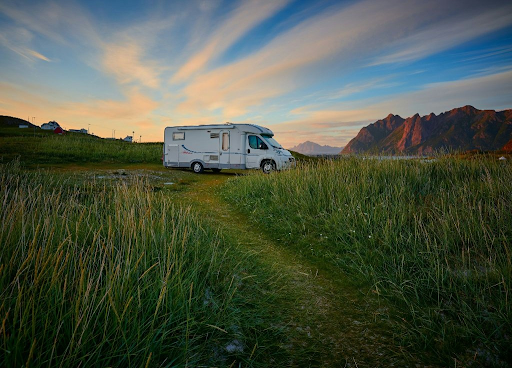
Getting into RV travel for the first time can feel like standing in front of a wall of decisions before you’ve even left your driveway. There are different vehicle types, endless opinions about what gear is essential, and a steady stream of advice that often contradicts itself. Most of that confusion disappears once you work through a few decisions in the right order, starting with what kind of travel you actually want rather than what everyone else seems to be doing.
Why First-Time RV Travel Feels More Complicated Than It Should
Part of the overwhelm comes from trying to plan for every possible scenario before you’ve experienced any of it. New travellers often research towing capacities, off-grid power setups, and long-distance touring routes before they’ve even worked out whether they want weekend trips near home or extended travel across the country. That’s a lot of complexity to take on before you know what you’re actually solving for.
The other issue is that RV culture has a lot of enthusiastic voices, and enthusiasm doesn’t always translate into good beginner advice. Seasoned travellers who’ve spent years refining elaborate setups aren’t always the best source of guidance for someone taking their first trip. What helps early on is a much simpler starting point than most advice suggests.
Working Out What Kind of RV Travel You Actually Want
Before anything else, it’s worth being honest about what your travel will actually look like. Are you picturing short weekend getaways a couple of hours from home, or longer stretches of touring that might take you interstate for weeks at a time? Will it usually be just you and a partner, or do you need to plan around kids, pets, or extended family joining occasionally?
These answers shape almost every decision that follows, from vehicle size to setup complexity. Providers like 4K RV work with a wide range of first-time travellers, and one of the most consistent patterns is that people who start with a clear sense of how they’ll actually use the vehicle, rather than how they imagine using it eventually, tend to end up far happier with their choice.
Buying, Hiring, or Starting Small
There’s no requirement to buy before you’ve tested the lifestyle. Hiring an RV for a trip or two is one of the most sensible ways to work out what actually suits you, without committing to a purchase based on guesswork. It also gives you a low-stakes way to experience the practical realities of towing, setup, and pack-down before deciding what you want long term.
If you do decide to buy, starting smaller than you think you need is usually the better call. A compact, manageable setup tends to build confidence faster than a larger one that feels intimidating to tow or awkward to park. Many experienced travellers describe upgrading later, once they understand their actual habits and preferences, as a far more satisfying process than trying to get everything right on the first purchase.
The Gear and Setup People Overspend On (and Underspend On)
New RV travellers often overspend on gear they end up rarely using, elaborate outdoor kitchen setups, extensive solar arrays, or accessories aimed at remote off-grid camping when most of their trips will actually involve powered sites. At the same time, they sometimes underspend on the basics that make daily life on the road genuinely comfortable, like proper bedding, decent storage solutions, and reliable weather protection for entry points and awnings.
A useful approach is to hold off on anything beyond the essentials until after a few trips. You’ll have a much clearer sense of what you actually reach for regularly versus what sounded useful in theory but rarely gets used once you’re living the experience rather than imagining it.
Learning the Logistics as You Go
Site bookings, route planning, and basic maintenance habits are the parts of RV travel that genuinely take some getting used to, but they’re also the parts that become second nature surprisingly quickly. Popular caravan parks and camping areas can book out well in advance during peak periods, so getting into the habit of planning a few weeks ahead, rather than assuming you can decide spontaneously, saves a lot of frustration early on.
Basic maintenance checks before each trip, tyre pressure, water and gas levels, hitch connections, don’t need to be complicated, but they do need to become routine. Most experienced travellers develop a simple pre-departure checklist within their first few trips, almost without realising they’re doing it.
Making the First Trip Less About Perfection
The most common mistake new RV travellers make isn’t a logistical one. It’s expecting the first trip to go smoothly in every respect. Something will likely go slightly wrong, a forgotten item, an awkward reversing attempt, a site that isn’t quite what you expected, and none of that means you’ve made the wrong choice getting started. It just means you’re learning the same way every experienced traveller did before you.
Getting on the road, even imperfectly, teaches you far more than any amount of pre-trip research can. The guesswork mostly disappears once you’ve actually lived the experience a few times, and from there, the decisions that once felt overwhelming start to feel like second nature.