

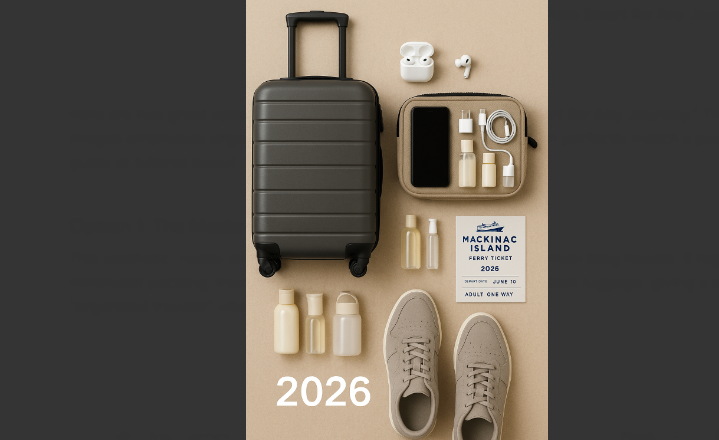
Introduction to Smart Packing
Smart packing is an essential skill for travelers seeking to optimize their travel experience. The process involves thoughtfully selecting and organizing items to maximize space, minimize stress, and enhance accessibility during a journey. With an increasing number of travelers, the art of efficient packing has gained prominence. Poor packing can lead to complications such as excess baggage fees, difficulty finding needed items, or unnecessary delays at airports.
Understanding the significance of smart packing begins with recognizing the impact of a well-packed bag on both time and stress levels. By packing strategically, travelers can avoid the frustration of rummaging through cluttered luggage. Instead, a well-organized suitcase allows for quick access to essentials, making the journey smoother and more enjoyable. This efficiency is especially crucial for frequent travelers, business individuals, and families, who may need to navigate through busy terminals or crowded locations.
Additionally, smart packing can lead to savings in terms of both time and money. Consider the days when travelers might forget critical items, forcing them to purchase replacements at inflated prices or waste precious time retracing their steps. Over time, efficient packing not only contributes to a more streamlined experience but also enhances overall travel satisfaction. Thus, adopting strategies for effective packing becomes a valuable investment for anyone embarking on a journey.
As we explore the various techniques and methods for smart packing in the following sections, travelers will gain insight into how to prepare for any trip, whether it be a weekend getaway, a business trip, or an extended vacation. Embracing the principles of smart packing will undoubtedly lead to more manageable and enjoyable travels.
Understanding Your Travel Needs
When preparing for any journey, it becomes essential to understand your unique travel needs. These needs often depend on various factors including the destination, duration of travel, planned activities, and climate. Thoroughly evaluating these aspects can significantly influence the effectiveness of your packing strategy.
Firstly, consider the duration of your trip. Short trips may only necessitate a few essentials, while longer journeys might require more extensive packing. Prioritizing versatile clothing that can be mixed and matched is a beneficial strategy for longer stays. Packing light is crucial, as it allows for easier maneuverability while also saving on baggage fees if you opt for air travel.
Next, the activities planned during your journey must be taken into account. A travel itinerary filled with hikes, outdoor excursions, or formal events will naturally demand different packing choices. For instance, hiking necessitates breathable materials and sturdy footwear, while formal events may require elegant attire. Create a list of planned activities and pack accordingly to ensure that you are prepared for each experience.
The climate and season at your destination also play pivotal roles in determining your packing needs. Researching the weather forecast will help you decide on the types of clothing and gear required. For instance, if heading to a coastal location, don’t forget swimwear and sun protection, whereas cold destinations call for thermal layers and insulated jackets.
In summary, understanding your travel needs encompasses a comprehensive evaluation of the trip’s duration, activities, and climatic conditions. This foundational knowledge is vital for effective packing, ensuring that you carry everything necessary while avoiding the burden of excess baggage.
Choosing the Right Luggage
Selecting appropriate luggage is integral to ensuring a successful journey, as the right choice can greatly enhance the travel experience. There are various types of luggage, including backpacks, rolling suitcases, and duffel bags, each catering to different travel styles and destinations.
Backpacks are often favored for their versatility, making them ideal for both urban adventures and outdoor excursions. They allow for hands-free navigation and easier mobility, especially in crowded areas or when maneuvering through airport terminals. Look for backpacks with adjustable straps, multiple compartments for organization, and water-resistant materials that provide protection against unpredictable weather conditions.
On the other hand, rolling suitcases or wheeled luggage are popular choices for their ease of transport. They typically come with either two or four wheels, with four-wheeled options allowing for smoother movement in crowded spaces. When selecting a rolling suitcase, consider the size, weight, and material to ensure it meets airline requirements, as well as your own needs. Hard-shell models offer increased security for fragile items, while soft-sided bags often provide extra storage flexibility.
Duffle bags, while not as common for all types of travel, are another option due to their lightweight design and ability to be easily stowed away. They can be an excellent choice for gym visits or short trips. Key features to look for include strong zippers, comfortable handles, and adjustable shoulder straps.
Ultimately, selecting the right luggage should reflect your travel habits, the duration of your trip, and the specific activities planned. Taking time to choose suitable luggage tailored to your needs will not only simplify the packing process but also enhance the overall travel experience.
Essential Packing Techniques
Packing efficiently is a crucial skill for travellers, allowing for a smoother journey while maximizing luggage space. One of the most popular packing methods is rolling clothing instead of folding. This technique minimizes creases and can significantly save space in your suitcase. By rolling items tightly, you can fit them snugly into corners and gaps within your bag. Additionally, rolled items are easier to see, which can streamline the unpacking process.
Another effective method is traditional folding, particularly for garments that are better left flat, like dress shirts or blazers. When utilizing this technique, it is beneficial to fold the items neatly and stack them in your suitcase. To reduce wrinkles, consider placing tissue paper between the folds. This technique also allows for easy organization, ensuring that similar items are grouped together, aiding in quick access during your travels.
Using packing cubes has gained popularity among seasoned travellers for its organizational benefits. These are small fabric containers that can compartmentalize your belongings within your luggage. By categorizing items such as clothing, toiletries, and electronics into specific cubes, finding necessary items becomes effortless. Furthermore, packing cubes can help compress and maximize space by allowing you to squeeze more items into a limited area. You can group items by day, type, or usage, which not only keeps everything organized but also reduces the time spent looking for specific items.
Incorporating a combination of these techniques—rolling for casual wear, folding for formal attire, and utilizing packing cubes for organization—can lead to a successful packing strategy. This multifaceted approach enhances not just the efficiency of your packing but also the overall ease and enjoyment of your journey.
The Art of Prioritizing Items
Packing for any journey can be simplified greatly by mastering the art of prioritization. When preparing for a trip, whether short or long, it is vital to evaluate the items you intend to pack based on their utility, frequency of use, and the potential ease of restocking or replacing them upon arrival. This strategic approach not only saves space but also minimizes the burden of carrying unnecessary items.
To begin, consider the utility of each item. Assess its purpose and how essential it is to your daily needs during your trip. For example, if you are traveling to a warm climate, lightweight clothing may take precedence over heavy jackets or footwear. Similarly, categorizing items such as gadgets, toiletries, and documents will help streamline your packing process. Pack only what aligns with your itinerary and activities, ensuring that you will utilize each piece effectively.
Next, reflect on the frequency with which you will be using these items. For instance, if you are bringing multiple pairs of shoes, ask yourself how often you will truly wear each pair. Selecting versatile clothing items or shoes that can be styled in multiple ways can significantly reduce the number of items needed. Additionally, incorporating multi-purpose tools and accessories can further enhance efficiency.
Lastly, factor in whether any items can be easily restocked or replaced during your journey. For example, travel-sized toiletries can often be purchased at your destination if you prefer to travel lighter. Creating a packing list that focuses on indispensable items will help streamline your luggage, making your travel experience more enjoyable and stress-free. By prioritizing wisely, you can embark on your journey well-equipped, without the weight of overpacking.
Clothing Considerations for Smart Packing
Packing efficiently for any journey is essential to ensure a smooth travel experience. When it comes to clothing choices, versatility is key. Opt for pieces that can be mixed and matched to create different outfits. This can include choosing neutral colors or classic patterns that easily coordinate with one another, allowing for maximum outfit combinations while minimizing the amount of clothing required.
Fabric type is another critical factor to consider. Selecting wrinkle-resistant fabrics can help maintain a polished appearance without the need for ironing. Fabrics such as polyester blends, merino wool, and knits are popular options due to their durability and low maintenance. Additionally, quick-drying materials are beneficial for travel, as they can be washed and dried overnight, expanding your wardrobe options without taking up excessive space in your luggage.
Layering strategies should also be considered when planning your clothing choices. According to the climate of the destination, packing layers allows for adaptability in various weather conditions. Start with a base layer, such as a breathable t-shirt, and add layers such as a lightweight sweater and waterproof jacket that can be easily adjusted throughout the day. This approach not only keeps you comfortable but also prevents the need for bulky items that could occupy valuable space in your suitcase.
Lastly, to optimize space and reduce wrinkles further, consider using packing cubes. These organizational tools help compact clothing and separate items for quick access. Additionally, rolling garments rather than folding them can minimize creasing. By following these clothing considerations, you can pack smartly while ensuring you have a stylish and functional wardrobe for any journey.
Packing Smart for Different Destinations
Packing smartly is an essential skill that varies greatly depending on the destination. Each type of environment presents unique demands, and it is beneficial to tailor your packing strategies accordingly. For urban travel, where accessibility to amenities and services is greater, travelers often prioritize lightweight, versatile clothing that can be easily dressed up or down. Opting for a pair of neutral shoes and layering pieces can be effective, as city environments frequently involve transitions between varied settings.
In contrast, rural destinations may necessitate a different approach. Here, natural elements are more prevalent and outdoor activities are often the focal point. Therefore, durable clothing that offers protection against the elements, such as sturdy footwear and weather-resistant jackets, becomes crucial. It’s advisable to consider bulkier items that provide utility, ensuring you are well-equipped for hiking or exploring remote areas.
When contemplating travel to tropical climates, lightweight, breathable fabrics are paramount. Pack items such as shorts, tank tops, and sandals to remain comfortable in hot, humid conditions. Additionally, including sun protection items like a wide-brimmed hat and sunscreen can enhance your experience in these regions. Conversely, for cold destinations, layering is vital; thermal base layers, insulated outerwear, and waterproof boots should be prioritized. Remember to pack accessories like gloves, scarves, and hats, which can significantly enhance warmth and comfort.
Finally, cultural norms can also dictate packing decisions. Research the destinations’ customs, as appropriate attire can vary significantly. For instance, visiting religious sites may require more conservative clothing than you would typically wear. Being attentive to these aspects not only enriches your travel experience but demonstrates respect for local practices, leading to more fulfilling interactions with residents. By considering these unique factors, travelers can indeed pack smarter and more effectively for any journey.
Managing Travel Accessories and Essentials
When embarking on a journey, the importance of effectively managing travel accessories and essentials cannot be overstated. By strategically selecting and organizing these items, travelers can enhance both convenience and comfort during their trip.
One of the crucial aspects to consider is electronic gear. Travel chargers, power banks, and adapters are indispensable in today’s digital age. Ensuring that your devices are charged and ready for use can alleviate potential stress during travel. It is advisable to invest in a portable charger, which can be a lifesaver, especially during long journeys where access to power outlets may be limited.
Equally important are toiletries, as maintaining personal hygiene while traveling contributes significantly to comfort. A well-structured toiletry kit containing essentials such as toothbrushes, toothpaste, deodorants, and skincare products is beneficial. Using travel-sized containers can save space, while providing adequate supplies for personal care. Organizing these items into clear zip-lock bags can facilitate easy access and ensure compliance with security regulations at airports.
Furthermore, the organization of travel documents is paramount. Prepare a travel folder where essential documents such as passports, boarding passes, hotel reservations, and itineraries can be kept. This organization minimizes the risk of losing important paperwork and streamlines the check-in process. Additionally, keeping copies of these documents, either printed or on a secure digital device, serves as a precautionary measure in case of loss.
In conclusion, the careful selection and organized management of travel accessories and essentials significantly contribute to a hassle-free travel experience. By prioritizing items that enhance convenience and ensure comfort, each journey can be more enjoyable and stress-free.
Final Packing Checklist and Tips
As the departure date approaches, finalizing your packing can be both exciting and stressful. To help ensure a smooth journey, creating a packing checklist is essential. This list will serve as your guide, helping to confirm that no crucial items are forgotten.
Start by categorizing your belongings based on different areas of your travel. Essentials such as travel documents (passport, tickets, and itinerary), money (cash and credit cards), and personal items (medications and toiletries) should be at the top of your list. Modern technology can come in handy; consider using packing apps or tools, which allow you to tick off items as you pack.
For your clothing, take into account the climate of your destination and planned activities. Select versatile clothing that can be mixed and matched to minimize the number of items you pack. Shoes should also be considered carefully, ensuring they are suitable for the activities planned. Packing cubes can help organize your clothing and save space.
Do not overlook the importance of including an emergency kit in your packing. This should contain items such as a first aid kit, a portable charger, a reusable water bottle, and snacks. These little things can significantly enhance your travel experience and offer peace of mind during unforeseen circumstances.
Lastly, the packing process should not feel rushed. It is beneficial to pack a day or two before your departure, allowing time for a last-minute review. This final check can help alleviate anxiety, ensuring you have everything you need within reach. When you stay organized and mindful of your essentials, the journey ahead becomes far more enjoyable.