

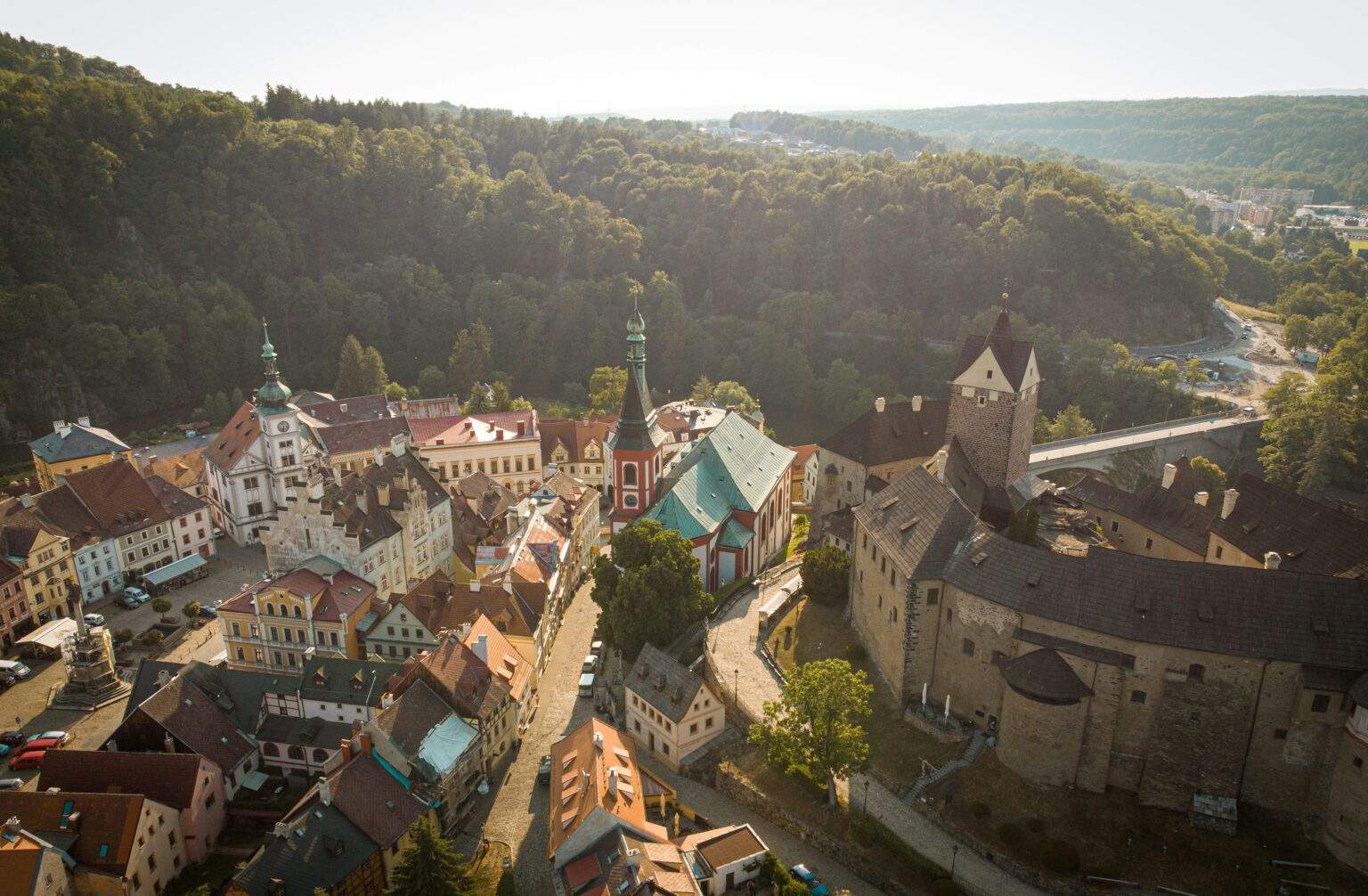
Introduction to Historic Towns
Historic towns are often defined by their rich cultural heritage, architectural significance, and the stories they carry through time. These towns, marked by their unique histories, serve as living museums that encapsulate the traditions and narratives of the regions in which they are located. They may have preserved ancient structures, charming streetscapes, or monuments that reflect the influences of various cultures and historical events.
The importance of culture in historic towns cannot be overstated. These areas often exemplify the lifestyle, traditions, and artistic expressions of past generations. By visiting historic towns, travelers can gain a deeper understanding of how historical events have shaped contemporary societies and cultures. Beyond mere tourism, these visits foster an appreciation for the diversity of heritage that defines humanity.
Architectural styles in historic towns also play a vital role in their identity. From medieval fortresses to colonial buildings, the architecture can reveal much about the technological advancements and artistic trends of their respective eras. The preservation of these structures not only enhances the visual appeal of historic towns but also acts as a bridge connecting the present to the past, allowing visitors to engage with history in a tangible way.
Moreover, a visit to a historic town can provide an opportunity for cultural exchange. Engaging with local artisans, participating in traditional festivities, or exploring regional cuisines can lead to a more immersive experience. It is not just about viewing the past as a distant concept but understanding its influence on local customs and everyday life today.
In essence, visiting historic towns is a journey through time—one that enriches the mind and spirit while showcasing the enduring legacies of human civilization.
Europe’s Historic Gems
Europe is renowned for its rich history, and its towns encapsulate centuries of culture, magnificent architecture, and unforgettable stories. Among the continent’s many historic locations, Dubrovnik in Croatia stands out with its stunning Old Town, surrounded by ancient stone walls and overlooking the azure waters of the Adriatic Sea. Dubbed the “Pearl of the Adriatic,” this UNESCO World Heritage Site features remarkable Renaissance and Baroque architecture. The impressive Rector’s Palace and Sponza Palace serve as testaments to its political and economic history, while the Stradun, Dubrovnik’s main street, buzzes with life, filled with shops, restaurants, and vibrant street performances.
Another gem is Bruges, Belgium, often referred to as the “Venice of the North.” This enchanting town captures visitors with its picturesque canals and cobblestone streets that reflect its medieval charm. The historic city center, a UNESCO World Heritage Site, is home to the Belfort, an iconic bell tower that offers panoramic views of the town. The Markt square, with its colorful guild houses, stands as a bustling hub for light shopping and local cuisine, making Bruges a perfect blend of history and modern leisure.
In Germany, Rothenburg ob der Tauber is a captivating yet lesser-known historic town known for its stunning medieval architecture. Its expertly preserved buildings, like the Town Hall and St. Jacob’s Church, transport visitors back in time. The town’s winding streets are framed by timber-framed houses and vibrant flower boxes, creating an idyllic atmosphere. Rothenburg is also famous for its Christmas market, providing a unique experience where history and tradition come together. Collectively, these towns exemplify Europe’s rich historic tapestry, making them essential stops for anyone seeking to explore the continent’s past.
The Charm of Colonial Towns in the Americas
The Americas are home to a wealth of historic towns characterized by their colonial architecture and rich cultural narratives. Among these, Colonial Williamsburg in the United States and Cartagena in Colombia stand out as exemplars of this heritage, attracting visitors with their preserved environments and engaging histories.
Colonial Williamsburg, located in Virginia, offers a glimpse into 18th-century American life. This living-history museum features meticulously restored buildings, including homes, shops, and government structures, reflective of the early colonial period. The architecture showcases distinctive elements such as brick facades, wooden structures, and colonial gardens, all of which serve to immerse visitors in the era’s atmosphere. Through costumed interpreters portraying historical figures, guests can engage with interactive exhibits, learning about the social, political, and economic factors that shaped early American society. Elected as a National Historic Landmark, Colonial Williamsburg is not only an educational site but also a cherished cultural destination, helping to preserve America’s colonial heritage.
In contrast, Cartagena, situated on the Caribbean coast of Colombia, presents a unique blend of Spanish colonial architecture and Afro-Caribbean culture. The city’s historic district, a UNESCO World Heritage Site, boasts well-preserved fortifications, churches, and colorful colonial buildings that highlight its strategic importance during the colonial era. Visitors to Cartagena are often captivated by the vibrant streets, where traditional crafts and culinary delights reflect the influence of diverse cultures. The city’s dedication to conserving its historical essence is evident in the numerous festivals that celebrate its heritage, such as the Hay Festival and the Cartagena International Music Festival.
Both Colonial Williamsburg and Cartagena serve as vital links to understanding the colonial history of the Americas. Their commitment to preserving distinct architectural styles and cultural traditions ensures that future generations will continue to experience the charm and significance of these historic towns.
Asian Historical Towns and Their Significance
Asia is home to a myriad of historic towns that reflect the continent’s rich cultural heritage, captivating architecture, and vibrant traditions. Among these towns, Hoi An in Vietnam and Gion in Japan stand out as prime examples of the historical richness and cultural significance that define the region.
Hoi An, a UNESCO World Heritage Site, is renowned for its well-preserved Ancient Town, which features a unique blend of different architectural styles influenced by various cultures, including Chinese, Japanese, and European traders. The picturesque streets of Hoi An are lined with traditional wooden houses, vibrant yellow facades, and decorative lanterns that illuminate the town during the evening. The town is not only a visual delight; it is also a cultural hub that hosts numerous festivals throughout the year. One of the most notable celebrations is the Hoi An Lantern Festival, which occurs on the full moon. During this time, locals and tourists alike participate in the enchanting tradition of releasing lanterns onto the river, symbolizing hope and renewal.
On the other hand, Gion is a historic district in Kyoto, Japan, recognized for its traditional wooden machiya houses and the preservation of geisha culture. Walking through the narrow streets of Gion, one can witness the art of the geisha, an embodiment of Japan’s elegance and tradition. The annual Gion Matsuri, held in July, is among the country’s most famous festivals. This month-long celebration features elaborate floats, traditional music, and vibrant parades that attract visitors from around the world. Gion’s intricate architecture and rich cultural activities make it an essential destination for those interested in experiencing Japan’s historical depths.
Middle Eastern Historic Towns
The Middle East is a treasure trove of ancient history and architectural marvels, marked by towns that have withstood the test of time. Two of the most notable historic towns in this region are Petra in Jordan and Jaffa in Israel. Both locations offer a glimpse into the rich tapestry of human civilization and its evolution over millennia.
Petra, often referred to as the “Rose City,” is renowned for its rock-cut architecture and water conduit system. Established as early as the 5th century BC, this UNESCO World Heritage Site was once the capital of the Nabataean Kingdom. Visitors are captivated by its breathtaking monuments, particularly the Al-Khazneh, or The Treasury, which showcases a fusion of Hellenistic and Eastern architectural styles. Petra serves as a testament to the ingenuity of its ancient builders, who thrived in a harsh desert environment. It remains a crucial waypoint for trade routes connecting the East and West, enhancing its significance in ancient history.
Meanwhile, Jaffa, one of the oldest ports in the world, boasts a rich narrative that dates back thousands of years. This ancient town, now part of modern-day Tel Aviv, has been a critical trade center since antiquity. Its cobblestone streets and historic buildings attract tourists intrigued by its blend of history and contemporary culture. Jaffa’s vibrant arts scene and the iconic Jaffa Clock Tower reflect a harmonious coexistence of diverse cultures that have passed through its shores. The town’s significance is further cemented by its roles in various Biblical narratives, including the story of Jonah and the Whale, thus emphasizing its relevance in religious traditions.
Both Petra and Jaffa not only serve as popular tourist destinations but also as vital cultural hubs that continue to tell the story of human advancement and resilience over time. These towns symbolize the interconnectedness of history and architecture, drawing visitors who seek to explore the roots of civilization in the Middle East.
African Heritage Towns
Africa is home to a plethora of historic towns that reflect its rich cultural diversity and historic significance. Among these, Stone Town in Tanzania stands out due to its unique blend of Swahili, Arab, and European influences. As a UNESCO World Heritage site, Stone Town serves as a living museum, boasting narrow alleys, ancient wooden doors, and vibrant bazaars. Visitors can explore historical sites such as the House of Wonders, former sultan palaces, and the historic Old Fort, providing a glimpse into the town’s past as a crucial trading hub.
Another significant heritage town is Sidi Bou Said in Tunisia. This picturesque town, perched on a cliff overlooking the Mediterranean Sea, is characterized by its whitewashed buildings adorned with blue doors and wrought-iron balconies. The history of Sidi Bou Said can be traced back to the 13th century, and it has been a source of inspiration for many artists and writers. Today, visitors can wander through its charming streets, enjoy local delicacies at cafés, or explore the nearby ruins of ancient Carthage.
Both Stone Town and Sidi Bou Said exemplify the rich tapestry of Africa’s historical towns. They provide not only breathtaking views and unique architectural styles but also an opportunity to engage with local cultures and traditions. Travelers who visit these towns will find that they offer a deeper understanding of Africa’s past and its vibrant cultures, making them essential stops for any history enthusiast. From the bustling markets to the serene coastal views, the experiences found in these towns leave lasting impressions that resonate beyond the visit.
Finding Hidden Historic Treasures
Travel enthusiasts often flock to major cities with renowned landmarks, but there lies a rich tapestry of lesser-known historic towns that offer unique cultural experiences and fascinating narratives. One such gem is Tzintzuntzan in Mexico, a town that boasts a profound historical significance rooted in the ancient Purépecha civilization. The town is characterized by its remnants of the ceremonial center, with the impressive Yácatas, which are circular stone platforms that once played a significant role in the region’s rituals. Walking through Tzintzuntzan allows travelers to connect directly with the pre-colonial past, offering a stark contrast to Mexico’s more commercialized tourist attractions.
Another remarkable destination is Český Krumlov in the Czech Republic, a town that can be easily overlooked in favor of larger cities like Prague. Český Krumlov is known for its well-preserved medieval architecture, including the stunning Český Krumlov Castle, which provides a panoramic view of the town’s baroque buildings and winding Vltava River. Beyond the picturesque views, the cobblestone streets are brimming with local artisans, quaint shops, and vibrant eateries, all contributing to a lively yet tranquil atmosphere. It’s a perfect spot for the adventurous traveler looking to explore a different facet of Czech history.
These lesser-known towns are not just destinations; they are vessels of history waiting to be explored. Travelers venturing off the beaten path often find themselves rewarded with authentic experiences, engaging with local traditions and immersing themselves in the narratives that shaped these places. Discovering hidden historic treasures such as Tzintzuntzan and Český Krumlov not only enriches a traveler’s journey but also sheds light on the often untold stories that deserve recognition. Each visit can serve to deepen one’s appreciation of global heritage, making these lesser-known towns crucial stops on any historic exploration.
Tips for Visiting Historic Towns
Exploring historic towns can be an enriching experience that allows travelers to connect with the cultural heritage and architectural grandeur of different eras. However, making the most of your visit requires careful planning and respect for the local customs and preservation efforts.
First and foremost, familiarize yourself with the cultural norms and etiquette of the town you plan to visit. Historic towns often have unique traditions and practices. Engaging with the local community respectfully can enhance your experience significantly. For instance, observe dress codes when visiting religious sites and be mindful of personal space and local customs.
Consider the preservation efforts in place to maintain the town’s historic character. Many towns rely on tourism to support these initiatives. Therefore, opting for eco-friendly and sustainable choices, such as walking or cycling within the town, helps protect its charm while providing an intimate experience with the surroundings.
When planning your visit, take time to research the specific historic sites and landmarks you wish to see. Creating a balanced itinerary that includes must-see attractions along with lesser-known sites can lead to a more comprehensive understanding of the town’s history. Allocate sufficient time to explore these areas, allowing for spontaneous discoveries.
Finally, decide whether to join guided tours or explore independently. Guided tours can provide valuable insights from knowledgeable local guides, enhancing the understanding of the town’s history. However, independent exploration often allows for a more personal connection with the environment. Weigh these options based on your travel style and the specific town’s offerings.
By adhering to these tips, travelers can enjoy a fulfilling and respectful journey through some of the world’s most remarkable historic towns. Embrace the essence of each place while contributing positively to its cultural legacy.
Conclusion: The Importance of Preserving Historic Towns
Preserving historic towns is vital not only for the environmental and cultural heritage they embody but also for the educational benefits they provide to future generations. These towns are living museums, offering invaluable insight into the architectural styles, traditions, and community life of previous eras. By maintaining the integrity of these locations, we ensure that the stories and experiences of our ancestors continue to resonate within contemporary society.
Furthermore, historic towns often serve as focal points for cultural tourism, promoting local economies and creating job opportunities. The preservation of these areas can lead to increased visitor traffic, as travelers seek genuine experiences that showcase tradition and history. This understanding can drive communities to invest in their own historical sites, fostering pride in their heritage while simultaneously making the case for sustainable tourism.
It is essential that we appreciate these remarkable locations not only for their beauty and charm but also for their role in shaping our identities as individuals and societies. Every cobblestone street and ancient building has a story to tell, reflecting the evolution of culture and civilization. By exploring these towns, we deepen our understanding of our roots and our place in the world.
Everyone has a part to play in the quest for their preservation. Whether through active participation in local conservation efforts, supporting policies aimed at safeguarding historical sites, or simply visiting and engaging with these towns, each action contributes to a broader movement toward sustainability. In conclusion, fostering a cultural appreciation for historic towns is a responsibility that we all share, as it benefits not just our present, but also safeguards the legacies of generations to come.