
When most people plan a trip to Norway, their minds automatically go straight to the classic western coast. They imagine deep blue waters cutting through massive green cliffs, those tiny red fishing cabins, and winding mountain roads. It’s a stunning image. There is a reason those specific views fill up travel feeds year after year. But there is a completely different side to this country. A side that exists way past the typical tourist loops. To actually find the raw, completely untamed edge of the north, you have to look somewhere else entirely. You have to trace the map all the way up into the high arctic. It completely flips what you think you know about Scandinavia on its head.
Svalbard is a jagged cluster of islands sitting roughly midway between mainland Norway and the North Pole. It is a world built entirely on extremes. Have you ever stood somewhere so quiet and empty that it actually makes your head spin? Out here, nature doesn’t just exist alongside life. It completely dominates everything. I remember sitting at my desk a few months back, listening to the hum of the laptop at midnight, just staring at a map and trying to comprehend a place where the sun never sets. But actually standing there? It hits your system in a way a digital photo never could.
For anyone who feels a bit tired of predictable vacations and wants a deep, heavy kind of stillness, this place offers something different. It belongs on the itinerary of anyone looking for the world at its absolute wildest.
The Reality of the Deep North
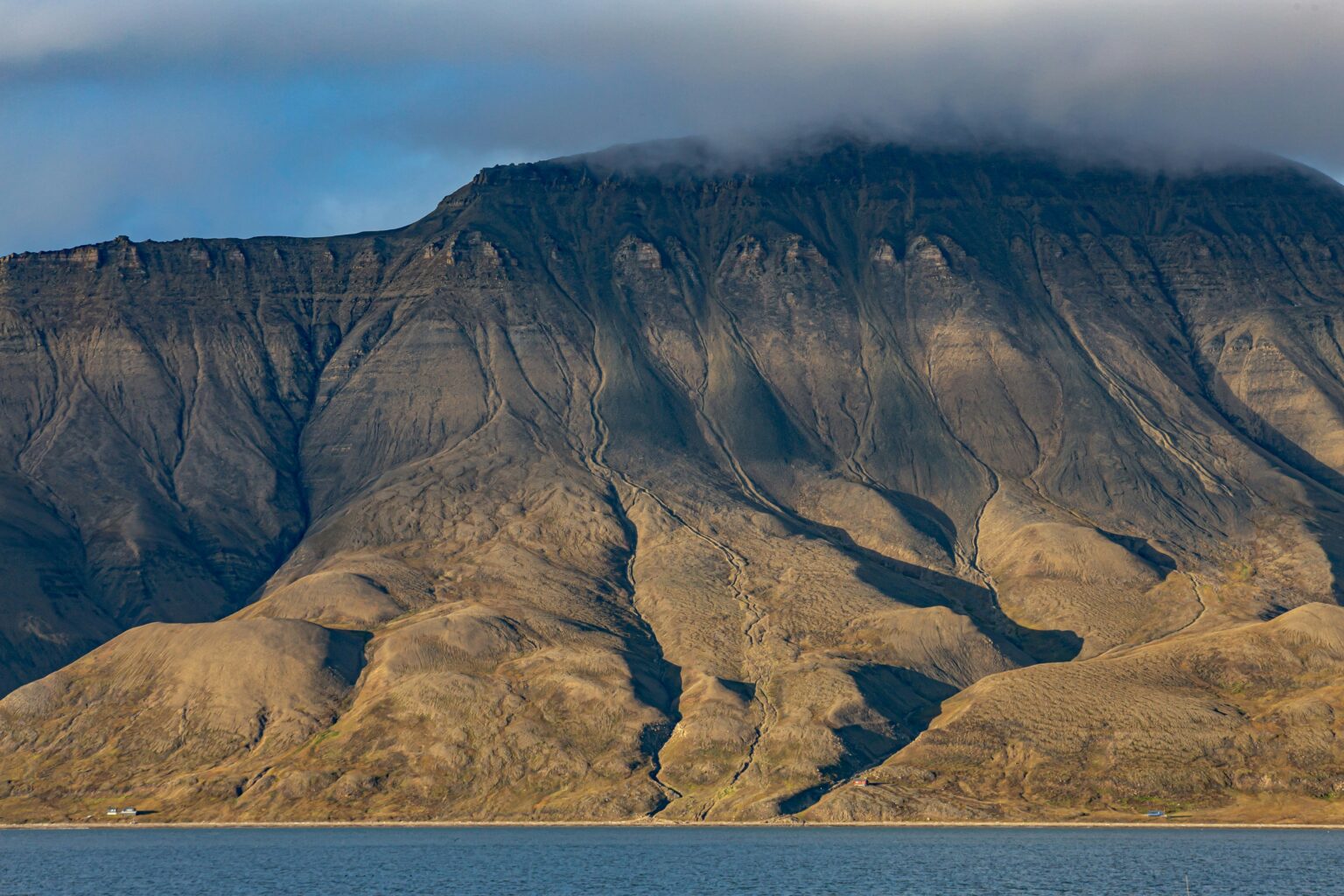
The second you step off the plane in Longyearbyen, the main settlement, your brain tries to process a totally different reality. The air has this intense, sharp bite that goes right through your jacket. And trying to take in a landscape that has absolutely no trees is incredibly jarring. Without them, you lose all sense of scale. There are no familiar markers to help you judge distance. You are just surrounded by massive, snow-capped peaks, giant empty valleys, and an endless sky. It feels like a world stripped down to its bare bones. Just rock, ice, water, and sky.
This kind of environment changes how you move through the world. Down on the mainland, travel is usually about checking off viewpoints and driving from one beautiful spot to the next. Up here, it’s about survival and paying attention to the exact space you are standing in. You can’t just casually swipe through this kind of landscape. It forces you to look up.
The emptiness isn’t lonely, though. It’s just incredibly peaceful.
That is where the shift happens. The silence in the high arctic has a weirdly physical weight to it. It’s the kind of quiet where you can actually hear your own breathing, which feels like a massive luxury when you are used to the constant noise of daily life. I think we completely forget what true quiet feels like until it’s right in front of us.
A Landscape in Constant Motion
Even though everything looks completely frozen and still when you first look at it, this ecosystem is constantly moving. Glaciers cover over half the land, and these massive rivers of ancient ice are always shifting, groaning, and reshaping the valleys. If you wait long enough, you can watch giant chunks of ice break off and crash straight into the dark ocean with a sound that literally echoes like thunder. So, how do you even begin to take in something that huge?
Getting out onto the water gives you a totally different perspective on the whole archipelago. Drifting past towering, bright blue walls of ice makes you realize the true scale of the polar wilderness. A lot of travelers who want to really get deep into the environment end up booking a dedicated cruise Arctic expedition. It’s basically the only way to reach the most isolated fjords and hidden coastlines where there are absolutely no roads or human setups. Looking at those peaks from the water changes things. It makes you realize just how small we really are in the grand scheme of things, which is a reality check we all probably need sometimes.
The True Wildlife Kingdom
On the mainland, spotting an animal on a trail is a fun little bonus. Up here, humans are an absolute minority, and the wildlife completely runs the show. This is polar bear territory, plain and simple. They are the largest land carnivores on earth, and the safety rules reflect that. Locals and guides never leave the town limits without carrying protection. It’s a weird feeling, a constant background reminder that you are just a temporary guest in someone else’s kingdom. Maybe even an uninvited one, if we are being totally transparent.
Aside from the bears, the islands are full of incredibly tough creatures. You’ll see these short, stubby little reindeer digging through the tundra for food. Arctic foxes blend right into the landscape, darting across rocky cliffs in their brown summer coats or thick white winter fur.
During the warmer months, the sea cliffs are absolutely packed with hundreds of thousands of nesting birds.
Down on the beaches, massive walruses pile on top of each other, huffing and splashing into the freezing water. Watching life not just survive but actually thrive in an environment this brutal is incredibly humbling. It makes your normal, everyday anxieties feel pretty small.
The Shift of the Seasons
Deciding when to actually show up alters the entire experience of the trip. Life up here revolves around two massive seasonal changes.
First, you have the polar night, running from late autumn into early spring. The sun drops below the horizon and stays there, leaving the world in a long, deep twilight. It sounds intimidating, sure, but it’s an incredibly cozy time. The sky turns into a constant canvas for the northern lights, which can show up even at noon. Everyone gathers inside around fires, and this really tight sense of community takes over. It’s like this unspoken bond where everyone is navigating the darkness together.
Then everything flips for the midnight sun in the summer. The sun moves in a giant circle in the sky without ever dropping down. That constant daylight brings this wild burst of energy to the whole place. Birds go crazy nesting, tiny flowers pop up through the rocky dirt, and time just completely loses its meaning. You can go for a massive hike at two in the morning under a bright sky and completely forget what time it is. But can your brain ever really get used to a sun that refuses to go to bed? It feels like a strange, dizzying kind of freedom.
Why the Wild Matters
Travel is easier now than it has ever been, which is great. But the downside is that a lot of places are starting to feel a bit packaged and predictable. It’s so easy to just follow the exact same footsteps as the thousands of people who went before you.
Heading into the deep north is a massive break from that predictability.
It is a place that forces you to be totally present, to plan properly, and to respect the weather. You cannot just passively ride through an environment like this. It forces you to listen, to observe, and to notice how fragile the planet really is. It’s a reminder of what the earth looks like when humans just leave it alone.
Norway is always going to be famous for its western fjords, and honestly, you should see them. But if you want an adventure that actually shifts your perspective and stays stuck in your head long after you get home, go further. The frozen edges of the map are waiting to show you what real wilderness feels like.