

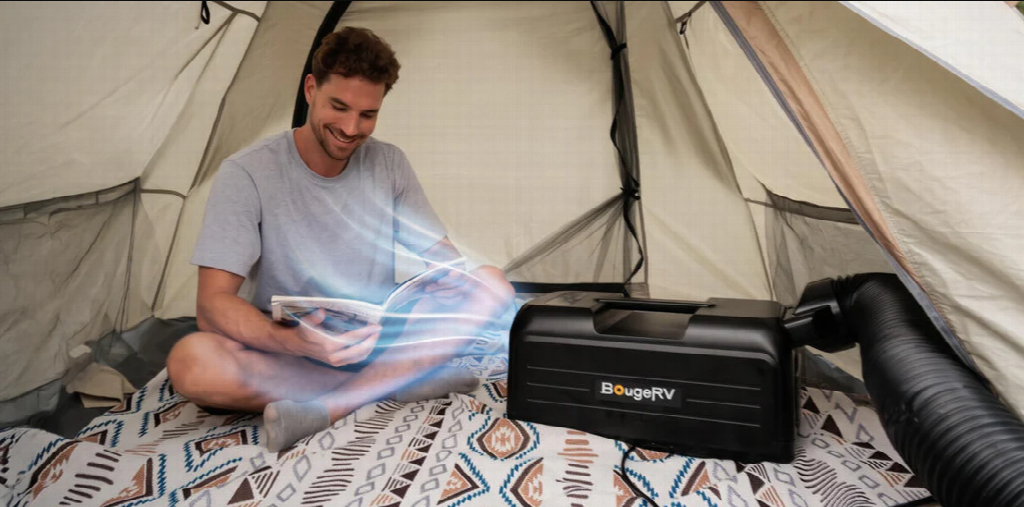
The romantic notion of roughing it under the stars loses its appeal when you’re drenched in sweat and counting down the hours until dawn. If you’ve ever spent a sleepless night in a hot tent during the summer months, you know exactly what we’re talking about. The good news? A tent air conditioner can transform your camping experience from uncomfortable to genuinely enjoyable—whether you’re in a traditional tent, glamping pod, or caravan.
Why Summer Camping Doesn’t Have to Mean Sleepless Nights
Let’s be honest: modern campers expect comfort. Gone are the days when “camping” meant abandoning all creature comforts. Today’s travellers want adventure, yes, but with air conditioning. The summer can be unpredictable, but when temperatures soar into the high 20s or 30s Celsius, tents become ovens. Without ventilation, indoor temperatures can exceed outside temperatures by 10-15 degrees or more. This creates several problems:
- Sleep quality suffers dramatically—your body temperature naturally drops to sleep, so overheating keeps you in a state of restless wakefulness
- Heat exhaustion becomes a real risk, particularly for children and older adults
- Your holiday becomes about survival rather than enjoyment
- Activities feel draining when you’re already fatigued from poor sleep
A portable tent AC unit solves these problems elegantly.
What Makes Portable AC Units Different from Traditional Solutions
Before we talk about tent air conditioner options, it’s worth understanding how they differ from traditional cooling methods.
Fans: They’re lightweight and affordable, but they just move hot air around—they don’t actually cool it. In high heat, they’re nearly useless.
Evaporative coolers (swamp coolers): These work in dry climates by evaporating water, but they’re inefficient in humid conditions and add moisture to your tent.
AC units for tents: These use real refrigeration technology to lower the actual temperature of the air, making them genuinely effective regardless of humidity levels. They’re the only solution that truly cools.
For serious campers, particularly those spending extended periods in tents during hot months, a proper tent AC unit is worth every penny.
Types of Tent Cooling Solutions
Portable Camping AC Units
The most practical option for tent cooling is a portable tent AC unit. These self-contained systems don’t require permanent installation and work with most tent types. They typically feature:
- A compact indoor unit that sits inside your tent
- An exhaust hose that vents hot air outside
- Simple setup requiring just a power source
- Energy efficiency suitable for portable power stations or campsite hookups
The advantage of portable models is flexibility—you can move them between locations, use them in different accommodation types, and remove them when not needed.
Caravan and Motorhome AC Units
If you’re travelling in a caravan or motorhome, built-in AC units offer convenience. However, they consume significant power and require proper ventilation. Many modern caravans come with these pre-installed, which is ideal if your accommodation has one.
Hybrid Approaches
Smart campers sometimes combine solutions: a portable AC unit for core cooling, supplemented by battery-powered fans for air circulation and additional comfort. This balances power consumption with comfort levels.
Key Features to Consider in a Tent AC Unit
When you’re shopping for a tent air conditioner, several factors determine whether you’ll actually be comfortable:
Cooling Capacity (BTU Rating)
BTU (British Thermal Units) measures cooling power. For tent camping, you’ll typically want between 2,500 and 5,000 BTU. A unit that’s too small won’t cool effectively; one that’s oversized will waste power and money. For a standard two-person tent or small glamping space (roughly 20-30 square metres), a 3,500 BTU portable AC unit represents the sweet spot between effective cooling and reasonable power consumption.
Power Requirements
Most portable tent AC units require either:
- Campsite hookup (240V mains power)
- Battery backup systems for off-grid camping
- Dual compatibility with both options
This matters hugely if you’re camping off-grid or at sites without electrical hookups.
Noise Level
Nobody wants a camping trip ruined by machinery noise. Quality portable AC units operate at 50-65 decibels (roughly the volume of a conversation). Cheaper models can exceed 70 decibels, which is genuinely disruptive in a quiet campsite environment.
Ease of Installation
If you’re deploying your tent AC unit at multiple locations throughout summer, setup complexity becomes a real factor. Look for systems with straightforward assembly, clearly labelled components, and quality construction that won’t frustrate you at 5 PM on a Friday when you just want to relax.
Portability and Design
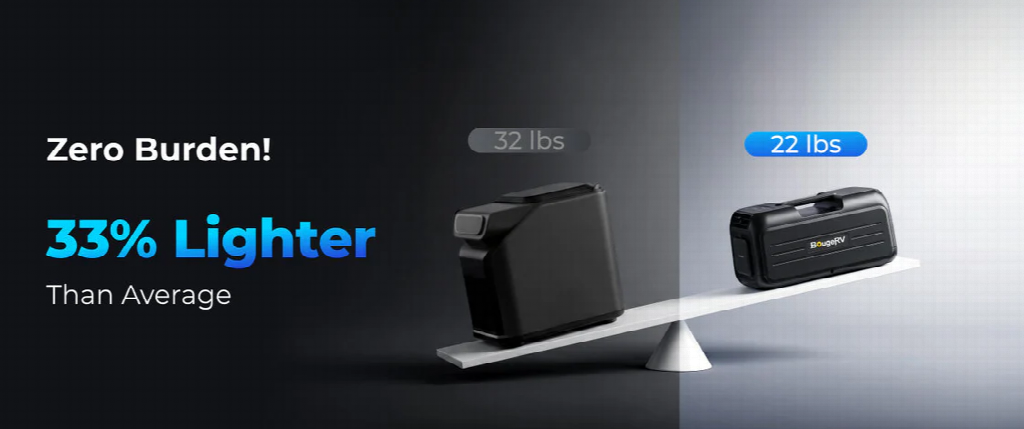
Weight, size, and handle quality matter. A 40kg AC unit might cool brilliantly, but hauling it between your vehicle and campsite repeatedly gets old fast. Models designed with portability in mind—compact profiles, efficient handles, and lightweight construction—genuinely improve the camping experience.
The BougeRV Approach to Portable Camping Cooling
For most campers, BougeRV’s 3500BTU portable tent air conditioner has gained strong popularity. It hits that 3,500 BTU sweet spot perfectly for tent camping, delivering effective cooling without excessive power demands. The unit is designed with portability in mind, featuring straightforward setup and reliable performance across multiple camping seasons.
For those wanting enhanced features, the PC35 Pro 3500BTU portable tent AC unit represents an upgraded option. The Pro model incorporates refinements that camping enthusiasts appreciate—better noise control, improved energy efficiency, and enhanced durability that stands up to repeated transport and varied weather conditions.
Both models address the core reality of UK summer camping: you want to stay cool without creating new problems like excessive noise or impossible power requirements.
Real-World Camping Scenarios
Festival Camping and Glamping
If you’re spending a week at a festival or extended glamping weekend, the tent AC unit becomes transformational. You’ll actually rest during the day, and your energy for activities remains strong. The cost is easily justified against the value of genuine comfort.
Family Camping Trips
Parents know the reality: hot, uncomfortable children become cranky, demanding, and miserable. A tent AC unit keeps everyone happier, which makes the entire family experience better. This isn’t luxury—it’s practical sense.
Extended Summer Holidays
Multi-week camping adventures in peak summer months are only enjoyable if you’re sleeping properly. Heat-induced insomnia can derail an otherwise perfect holiday.
Camping in Unusual Heat Events
The past few years have brought record-breaking UK temperatures. In those conditions, a portable AC unit isn’t optional—it’s a safety measure preventing genuine heat-related health risks.
Making the Financial Case
Quality tent AC units cost between £ 300 and £ 800 depending on features and brand. Compared to:
- Cancelling trips due to weather
- Upgrading accommodation to climate-controlled hotels
- Repeated failed camping attempts that sour family attitudes toward outdoor travel
- Health risks from heat stress
…the investment clearly makes sense for anyone planning regular camping holidays.
If you’re a “one trip per year” camper, you might rent. But if you camp multiple times annually, purchasing a portable tent AC unit pays for itself within two seasons.
Power Considerations for Off-Grid Camping
This is crucial: most tent AC units require substantial power (typically 900-1,200 watts). Off-grid camping means you’ll need:
- A compatible camping power station with sufficient capacity (at least 2,000-3,000Wh)
- Solar panels to recharge during the day
- Or a campsite with mains hookup
This isn’t a limitation—it’s simply how physics works. Cooling air requires energy. Understanding your power requirements beforehand ensures you purchase realistic solutions rather than equipment that won’t work with your camping setup.
Installation Tips for Success
Whether you’re using a standard tent air conditioner or the more advanced Pro model, proper installation maximises effectiveness:
- Position the unit centrally within your tent (if space allows) rather than against walls
- Extend the exhaust hose completely to the tent opening—don’t coil or compress it
- Create a seal around the hose where it exits to prevent cool air from escaping
- Ensure adequate ventilation to prevent pressure imbalances
- Run the unit continuously rather than intermittently for consistent temperature regulation
- Place it on stable, level ground inside your tent to prevent tipping
Final Thoughts: Comfort Isn’t Abandoning the Camping Spirit
Here’s the thing that sometimes gets lost in outdoor enthusiast circles: enjoying camping with comfort doesn’t diminish the experience. Sleeping well, staying healthy, and actually enjoying your surroundings are features, not failures.
A tent air conditioner, or portable tent AC unit, represents a practical evolution in camping—much like modern tents with better waterproofing, good sleeping pads, and quality sleeping bags that improved the experience without “ruining” what camping means.
As summers become increasingly unpredictable with heat events becoming more common, portable cooling solutions move from luxury to genuine necessity for many campers. Whether you’re seeking genuine outdoor adventure or comfortable glamping, there’s a solution that fits your needs and budget. The question isn’t whether you can afford to invest in tent cooling—it’s whether you can afford not to, given how much a good night’s sleep transforms your entire camping experience.
Media Contacts
- Contact Person: Nada Yet
- Email: yet102612@gmail.com
- Company Name: ISSYZONE