

Introduction to Backpacking
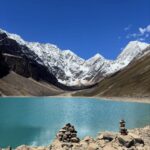
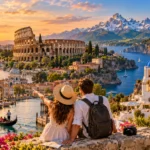
Backpacking is a unique form of travel that typically involves carrying all necessary belongings in a backpack while exploring various destinations. Unlike traditional forms of travel that often emphasize luxury and comfort, backpacking encourages a more adventurous, flexible, and budget-conscious experience. This travel style appeals to a diverse range of individuals, including students, young professionals, and seasoned explorers, all drawn to the excitement of new landscapes, cultures, and encounters.
The concept of backpacking across continents emerges as an exhilarating yet challenging endeavor, often fueled by a desire to seek adventure, delve into different cultures, or pursue personal growth. For many travelers, traversing through multiple countries allows for a profound understanding of the world’s diversity. Each new destination provides an opportunity to engage with local communities, learn their customs, and appreciate their histories, enhancing the overall travel experience.
Backpacking trips can vary widely in duration and intensity, from short excursions that involve a few weeks of travel to extended journeys spanning several months or even years. Motivations for embarking on such extensive trips can encompass a range of factors: the need for adventure in unfamiliar environments, a longing for self-discovery, or even the pursuit of sustainable and conscious travel practices. Each backpacker’s journey is uniquely shaped by personal interests and goals, making it a truly individualistic travel experience.
In essence, the allure of backpacking across continents is not only about the destinations visited but also about the transformative journey it offers. It serves to diversify perspectives, foster independence, and create lasting memories—all while navigating the ever-evolving landscape of our global community.
Planning Your Journey
Embarking on a backpacking adventure across continents requires careful planning and preparation. Selecting the right destinations is paramount; consider factors such as climate, cultural significance, safety, and the activities available. Researching popular hiking trails, historical sites, and natural wonders can also help in crafting an appealing itinerary. A well-planned journey provides a solid foundation, ensuring that travelers make the most of their time in each location.
Once potential destinations are chosen, creating a flexible itinerary is the next step. A detailed plan outlining the duration of stay in each location can assist travelers in optimizing their experiences. However, it is essential to maintain a degree of flexibility within this framework. Backpacking inherently involves unpredictability, and allowing room for spontaneity can lead to unforeseen adventures and enriching encounters. A balance between a structured plan and opportunistic exploration enhances the overall experience.
Budgeting is another critical aspect of planning your journey. Establishing a realistic budget that includes accommodation, transportation, food, activities, and contingency funds will provide financial peace of mind. Backpackers often seek cost-effective solutions, such as hostels, public transportation, and local dining options, while also setting aside money for unplanned expenses or experiences. Utilizing budgeting apps can assist in tracking expenses throughout the journey.
Finally, securing the necessary travel documents is essential to ensure a smooth travel experience. This includes obtaining a passport, necessary visas, and travel insurance, which will safeguard against potential mishaps. Familiarizing oneself with visa requirements for each destination can prevent last-minute complications. Careful preparation enhances the sense of security and provides peace of mind, allowing the backpacker to fully immerse themselves in the diverse cultures and landscapes encountered along their journey.
Packing Essentials for Backpacking
When embarking on an adventure as expansive as backpacking across continents, careful selection of your equipment becomes paramount. The right backpack serves as the cornerstone of a successful journey. Select a pack that fits your body comfortably and offers sufficient capacity, typically ranging from 40 to 70 liters. Ensure that it includes padded shoulder straps and a hip belt for better weight distribution, as your comfort will directly influence your enjoyment during the trek.
Beyond the backpack, choosing appropriate clothing is essential. Opt for versatile, quick-drying fabrics that provide layering options, allowing you to adapt to varying environments. Depending on the regions traversed, pack breathable clothing for warmer climates and waterproof layers for unexpected rain or cold temperatures. It is recommended to include thermal underwear, a lightweight insulated jacket, and a durable outer shell in your packing list.
Gear selection is equally critical. Essential items include a multi-tool, a first-aid kit, a portable water filter or purification tablets, and a reliable flashlight. Additionally, consider investing in a lightweight tent or hammock for accommodation, depending on your preference. For those traversing rugged terrain, sturdy hiking boots will provide the necessary support and traction. It is advisable to break in your footwear before your journey to prevent discomfort.
Packing light is an art form in itself, crucial for ensuring mobility and ease throughout your travels. Begin by creating a comprehensive list of essential items, prioritizing multi-functional gear where possible. Avoid overpacking by utilizing compression bags to reduce the volume of your clothing, and remember that many items can be purchased on the road if needed. Lastly, consistently reassess your belongings as you progress, eliminating items that become less useful as your adventure unfolds.
Traveling on a Budget
Traveling across continents on a budget is an achievable and rewarding endeavor, allowing adventurers to explore new cultures without overspending. One of the essential aspects of budget travel lies in choosing the right accommodation. Options such as hostels, guesthouses, and budget hotels can provide comfortable lodging at a fraction of the cost of more luxurious establishments. Websites and platforms like Hostelworld and Booking.com often offer deals that can help travelers save significantly. Moreover, considering alternative lodging solutions such as Couchsurfing or Airbnb can lead to even more savings and unique experiences.
Food is a significant expense for any traveler, but there are numerous ways to eat well without breaking the bank. Street food markets and local eateries often offer authentic cuisine at lower prices compared to upscale restaurants. Additionally, shopping at local grocery stores for supplies enables travelers to prepare their meals, effectively reducing food costs. Incorporating this method into your budget travel strategy will not only save money but also enrich your travel experience with local flavors.
Utilizing public transportation can be another effective budgeting strategy while traveling. Cities around the world often boast extensive public transport systems, including buses, trains, and subways, providing a cheaper alternative to taxis and rental cars. Many destinations also offer travel passes that grant unlimited access to public transit for a fixed duration, which can further optimize travel expenses.
To maximize savings, consider leveraging modern technology by downloading travel apps and utilizing discount cards. Numerous applications offer deals on accommodation, meals, and activities, while discount cards—often available for tourists—can provide substantial savings at various attractions. By integrating these strategies into your budget travel plan, you can enhance your experiences while adhering to your financial goals.
Navigating Different Cultures
When embarking on a backpacking journey across continents, understanding and navigating the diverse cultures encountered along the way is vital. Cultural sensitivity plays an essential role in ensuring harmonious interactions and meaningful experiences with locals. By engaging thoughtfully with the customs and traditions of different societies, travelers can foster mutual respect and appreciation.
A key aspect of cultural navigation is acquiring basic language skills. While it may not be necessary to become fluent, familiarizing oneself with common phrases in the local language can significantly enhance communication. Simple greetings or expressions of gratitude can go a long way in establishing a friendly rapport with locals, demonstrating respect for their culture and traditions.
Moreover, observing local etiquette is crucial. Every culture has its own set of unwritten rules regarding behavior, gestures, and conversation styles. For instance, in many Asian countries, a bow may signal respect, while in Western cultures, a handshake is the norm. Researching these nuances ahead of your trip can help prevent misunderstandings and create more enriching interactions.
Dressing appropriately is another way to show respect for local customs. In some regions, revealing clothing may be deemed inappropriate. Therefore, packing versatile clothing options that are culturally acceptable can help in adapting to various social settings. This not only reflects a traveler’s awareness but also encourages a positive perception among the local population.
Engaging respectfully with locals further deepens cultural understanding. This can be accomplished by being open to learning about their traditions, asking questions, and participating in local events. Authentic exchanges can foster a sense of community and allow travelers to experience cultures in a way that is both respectful and enriching. Ultimately, immersing oneself in the local culture significantly enhances the backpacking experience across different continents.
Safety Tips for Backpackers
Backpacking across continents presents not only exciting opportunities for adventure but also unique safety challenges that every traveler must navigate. Prioritizing personal safety is essential; backpackers should remain vigilant and aware of their surroundings at all times. This includes keeping an eye on valuables and avoiding displaying expensive equipment, which may attract unwanted attention.
Health precautions are another significant aspect to consider. Travelers should visit a healthcare provider before their journey to discuss necessary vaccinations and health risks associated with their destinations. Carrying a basic medical kit, complete with essentials such as antiseptics, band-aids, and any personal medications, can minimize the impact of minor injuries and ailments. Furthermore, staying hydrated and eating well will help maintain overall health during the journey.
Obtaining comprehensive travel insurance is highly recommended for all backpackers. This insurance should cover a variety of potential issues, including trip cancellations, lost or stolen belongings, and medical emergencies. Ensure reading the policy details carefully to understand the coverage limits and exclusions, which will aid in making informed decisions before embarking on your adventure.
In case of emergencies, having a plan is crucial. Familiarize yourself with local emergency numbers and the locations of nearby hospitals or embassies upon arrival. Carrying a fully charged mobile phone will facilitate quick communication during emergencies. Additionally, adopting common-sense strategies, such as avoiding poorly lit areas and traveling in groups, can further reduce risks.
Lastly, staying informed about current events and local customs can help backpackers avoid potentially dangerous situations. Awareness of cultural sensitivities and local laws ensures a more respectful and safe travel experience. By incorporating these safety tips, backpackers can enjoy their adventures with a greater sense of security.
Sustainable Backpacking Practices
As the popularity of backpacking continues to grow, so does the acknowledgment of the imperative need for sustainable practices in travel. Sustainable backpacking emphasizes minimizing our environmental footprint while enriching local economies and preserving nature. There are several strategies for travelers to ensure their adventures are environmentally conscious and socially responsible.
One of the primary actions backpackers can take is to reduce their carbon footprint. This can be achieved by opting for public transportation or utilizing bicycles when feasible instead of relying on personal vehicles or taxis. When booking accommodations, choosing eco-friendly lodgings that prioritize sustainability can also contribute positively. Moreover, planning trips during off-peak seasons can alleviate pressure on over-visited areas, reducing wear and tear on natural landscapes.
Supporting local economies is another essential aspect of sustainable backpacking. Travelers are encouraged to engage in local markets, dining establishments, and artisan workshops. This not only provides financial support to the communities they visit but also enhances cultural exchange. By purchasing handcrafted items or dining at local eateries, backpackers can experience authentic cultural practices while contributing to the livelihood of local artisans and entrepreneurs.
Lastly, the concept of leaving no trace is critical for maintaining the integrity of natural spaces. This principle guides travelers to leave environments as they found them, ensuring that natural habitats are preserved for future generations. Backpackers should practice responsible waste disposal, avoid littering, and follow established trails. Adhering to these tenets of sustainability promotes a more harmonious relationship between adventurers and the spaces they explore, ensuring the beauty and resources of our planet endure.
Transformative Experiences and Stories
Backpacking across continents is more than just an adventure; it is often a catalyst for profound personal growth and transformation. Many travelers return home with a renewed sense of purpose and appreciation for the world around them. These experiences shape perspectives, challenge preconceived notions, and often lead to lasting changes in how individuals view their lives and their place in society.
One particularly impactful story comes from Ellen, a backpacker who embarked on a journey through Southeast Asia. Initially motivated by the allure of picturesque landscapes and exotic cultures, she found herself encountering diverse communities and ways of life that challenged her understanding of happiness and success. “I met locals who, despite having so little by material standards, radiated joy and contentment,” Ellen recalls. This realization prompted her to reevaluate her own life choices, leading her to prioritize experiences over possessions.
Similarly, David, who trekked through the Inca Trail in Peru, experienced a shift in his perspective on resilience and community. “Every challenge on that trail taught me about my limits, but also about the strength found in unity with fellow travelers. I learned that often, the people we meet along the way can leave a lasting impact just as powerful as the destinations we visit,” he shares. David’s journey not only deepened his appreciation for nature but also instilled a sense of responsibility towards preserving the environments he cherished.
These transformative encounters extend beyond just personal revelations. Backpackers often return with stories of cultural exchanges that foster empathy and understanding among different peoples. The gradual shift from a tourist mindset to one of immersion helps many individuals recognize the beauty and complexity of global diversities. As such, backpacking across continents becomes a journey of self-discovery, rich with lessons and experiences that resonate long after the travel bags are unpacked.
Conclusion and Next Steps
Backpacking across continents is an enriching experience that opens doors to diverse cultures, breathtaking landscapes, and personal growth. Throughout this guide, we have discussed essential preparation steps, including packing essentials, route planning, budgeting, and understanding cultural nuances. Each of these elements plays a vital role in ensuring a successful journey, facilitating meaningful interactions with local communities, and enhancing your overall travel experience.
As you embark on your own backpacking adventures, it is essential to remember the importance of flexibility and adaptability. Travel does not always go as planned, and being open to new experiences and spontaneous changes often leads to the most memorable moments. Additionally, familiarize yourself with local customs and languages, as this will not only enrich your travels but also foster connections with people you meet along the way.
To further support your travels, consider exploring various online resources dedicated to backpacking. Websites and forums offer valuable advice, stories from experienced travelers, and tips on avoiding common pitfalls. Engaging with communities on social media platforms can provide inspiration, encouragement, and practical insights from fellow backpackers. These platforms often share itineraries, packing lists, and budgeting strategies that can be invaluable for both seasoned travelers and newcomers alike.
In conclusion, the world is vast and full of opportunities for exploration. Start planning your backpacking journey today, and embrace the adventure that awaits. With thoughtful preparation and an open mind, your backpacking expeditions can lead to profound personal transformation, unforgettable experiences, and a deeper understanding of our shared humanity.